Kimagure Orange Road: I Want to Return to That Day
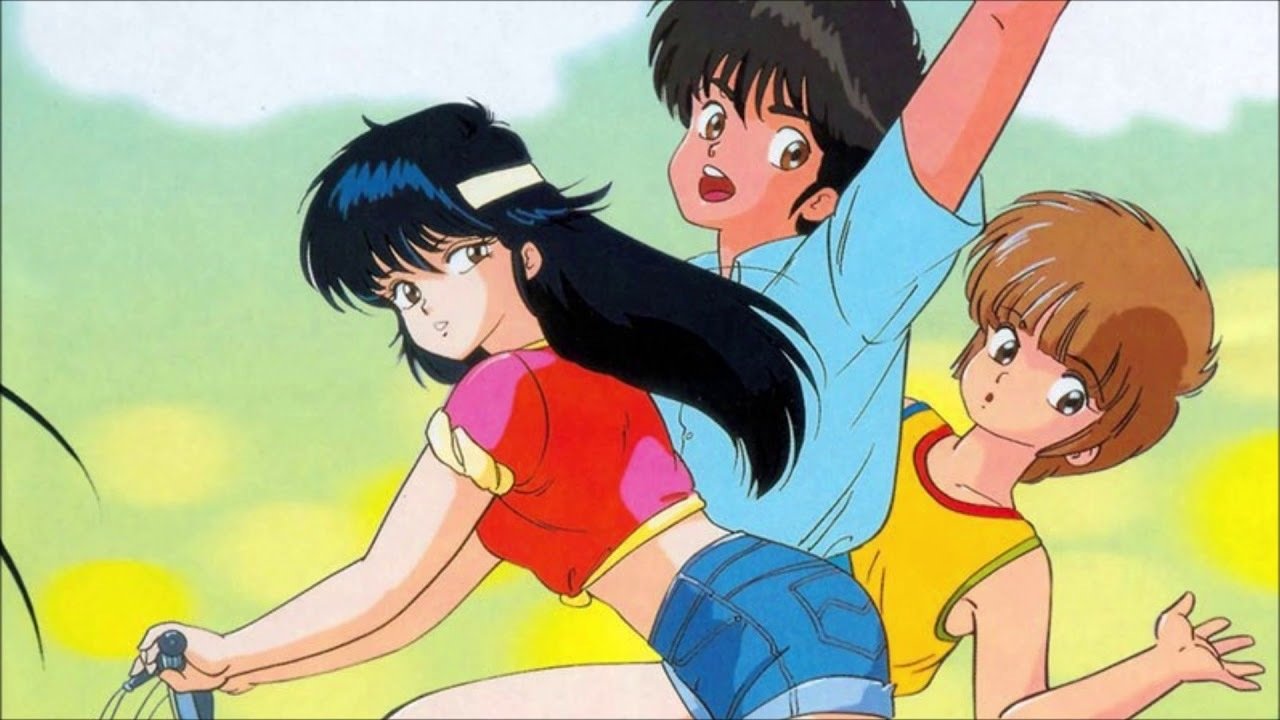
Ah, Kimagure Orange Road. For many of us who caught the wave of anime imports on worn-out VHS tapes, the name conjures up images of sun-drenched streets, psychic powers used for romantic mishaps, and one of the most iconic love triangles ever drawn. The TV series was often a light, breezy affair, full of misunderstandings, slapstick, and Kyosuke Kasuga’s seemingly eternal inability to choose between the bubbly Hikaru Hiyama and the complex, captivating Madoka Ayukawa. Then came the 1988 movie, I Want to Return to That Day (Ano Hi ni Kaeritai), and suddenly, the endless summer seemed to turn towards autumn.
### The End of the Affair
Directed by Tomomi Mochizuki, known later for thoughtful works like Ocean Waves (1993) for Studio Ghibli, this film wasn't just another episode stretched thin. Instead, it served as a definitive, and for many, quite jarring, conclusion to the central romance that powered the series. If the TV show was often about the possibility of love, this movie is about the often painful reality of making a choice. Written by Kenji Terada (who worked on Final Fantasy I-III and some Dragon Quest anime) based on Izumi Matsumoto's beloved manga, the story strips away much of the supernatural whimsy and broad comedy. What's left is a surprisingly grounded, emotionally raw look at Kyosuke finally confronting his feelings and the consequences of his decision.
Gone are most of the psychic shenanigans and goofy side plots. The focus here is laser-sharp: Kyosuke (Tōru Furuya, the legendary voice of Amuro Ray in Mobile Suit Gundam) is heading towards university entrance exams, and the comfortable equilibrium he maintained between Madoka (Hiromi Tsuru, unforgettable as Bulma in Dragon Ball) and Hikaru (Eriko Hara, also known for her work in Maison Ikkoku) can no longer hold. The film essentially chronicles the painful, awkward, and deeply uncomfortable process of Kyosuke decisively choosing Madoka and, consequently, breaking Hikaru’s heart.
### A Different Shade of Orange
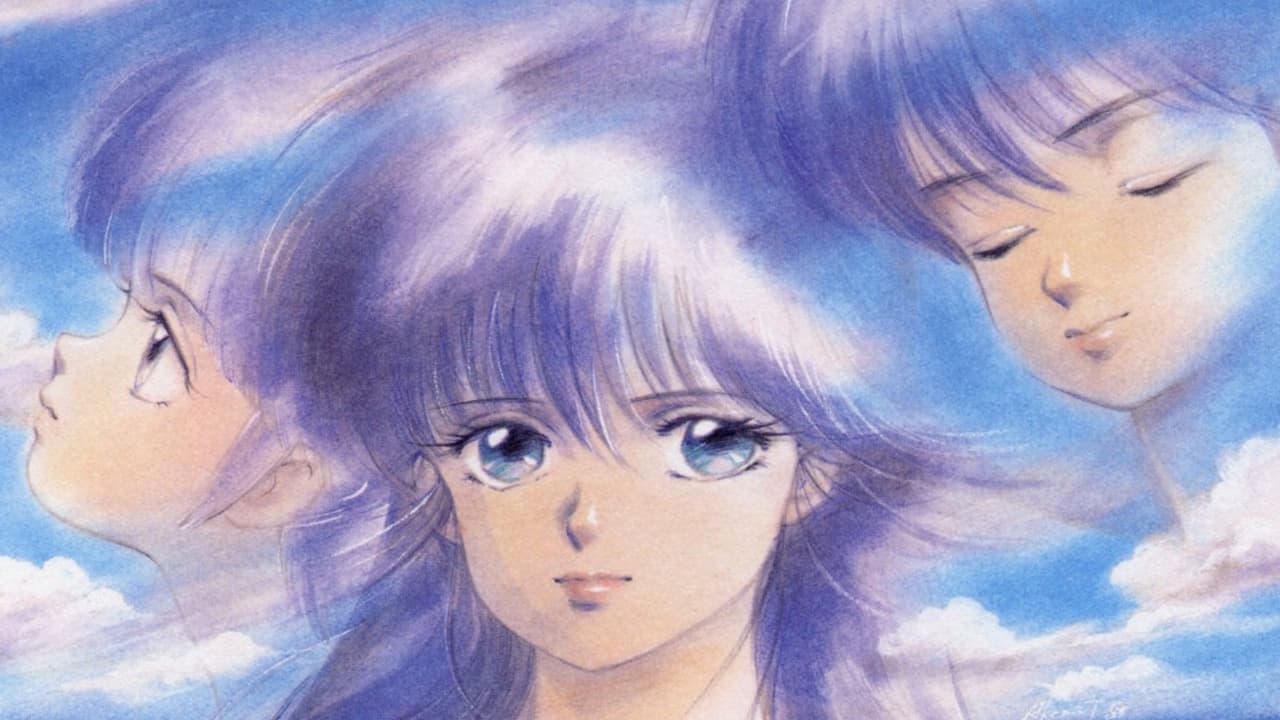
What makes I Want to Return to That Day so memorable, and indeed controversial among some fans back in the day (and even now!), is its tonal shift. Mochizuki brings a sense of realism and melancholy that feels worlds away from the often brightly coloured, energetic TV series. The colour palette feels more subdued, the pacing is deliberate, and the character interactions are imbued with a weight and seriousness that might have caught viewers off guard. I remember watching this years ago, probably on a third-generation tape borrowed from a friend’s older brother, expecting more of the usual lighthearted fun. Instead, it delivered something much more emotionally resonant, almost uncomfortable in its honesty about teenage relationships ending.
The voice acting is crucial here. Furuya portrays Kyosuke not just as indecisive, but as genuinely pained by the hurt he has to inflict. Hara delivers a heartbreaking performance as Hikaru, capturing the confusion, denial, and eventual devastation of being pushed away. And Tsuru gives Madoka a quiet strength mixed with vulnerability, navigating her own complex feelings as the situation finally reaches its climax. There's a maturity to the portrayals that elevates the material beyond simple romantic fantasy. It felt... real.
### The Controversy and the Craft
This realism was precisely the point of contention. Original creator Izumi Matsumoto famously expressed dissatisfaction with the film, feeling it diverged too much from the spirit of his work, particularly in its portrayal of Hikaru. Fans were divided; some appreciated the mature conclusion and the definitive ending it provided, while others missed the lighter tone and felt the treatment of Hikaru was overly harsh. There’s no denying the film is a bit of a downer, especially compared to the series' often buoyant mood. It forces the characters, and the audience, to confront the less pleasant aspects of growing up and moving on.
Technically, the film showcases the solid production values typical of late-80s anime features. While perhaps not as visually spectacular as some other theatrical outings of the era, the animation is fluid, the character designs are consistent with the series (though perhaps rendered with a slightly more serious edge), and the direction emphasizes subtle character expressions and atmospheric cityscapes. It uses its runtime effectively to build towards the inevitable confrontations, making the emotional payoffs land with significant impact. It wasn't a massive box office smash, but its influence lingered, cementing itself as the definitive, if debated, ending for anime viewers for years.
### A Bittersweet Farewell
Watching Kimagure Orange Road: I Want to Return to That Day now feels like uncovering a time capsule containing not just a piece of anime history, but a specific feeling – that bittersweet ache of adolescence transitioning into adulthood. It’s the moment the endless summer vacation finally has to end. It might not be the KOR that everyone remembers or even prefers, but its willingness to tackle the emotional fallout of the series' central conceit head-on makes it a fascinating and impactful piece of work. It doesn't shy away from the hurt, and that's precisely its strength, even if it stings a little.
Rating: 7.5/10
Justification: While potentially jarring for fans expecting the lighthearted tone of the TV series, the film stands as a brave and emotionally honest conclusion. Its mature approach, strong voice acting, and Tomomi Mochizuki’s grounded direction give it significant weight. However, the undeniable melancholy and the controversial handling of Hikaru's storyline prevent it from being a universally beloved capstone, docking it slightly from higher marks. It earns its score for its artistic integrity and emotional resonance, even if it's a bittersweet pill to swallow.
Final Thought: It’s the KOR movie that slams the door on youthful indecision, leaving you with the echo of a closing chapter – maybe not the one you wanted, but the one that felt undeniably true to the messy reality of growing up.