It starts with a scene that still makes you shift uncomfortably in your seat, even decades later. An aspiring actress, Judy (Theresa Randle), stands vulnerable under the harsh lights of an audition room. The director, a leering Quentin Tarantino in a jarring cameo, pushes her towards gratuitous nudity, his demands dripping with casual exploitation masked as artistic direction. It’s a raw, uncomfortable moment that throws down the gauntlet immediately: Spike Lee’s Girl 6 (1996) isn’t going to be an easy watch, but it promises a stark look at performance, identity, and the often-brutal realities faced by women navigating industries built on fantasy and desire.
Dialing Up a Different Persona
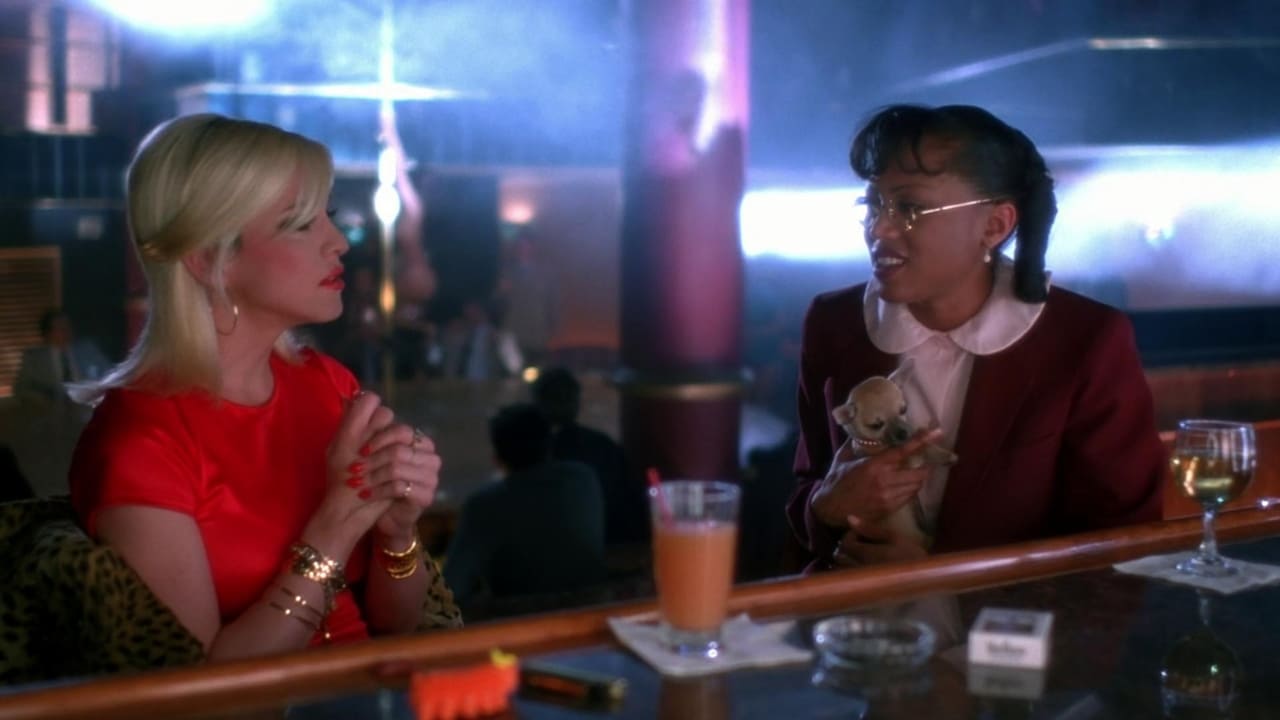
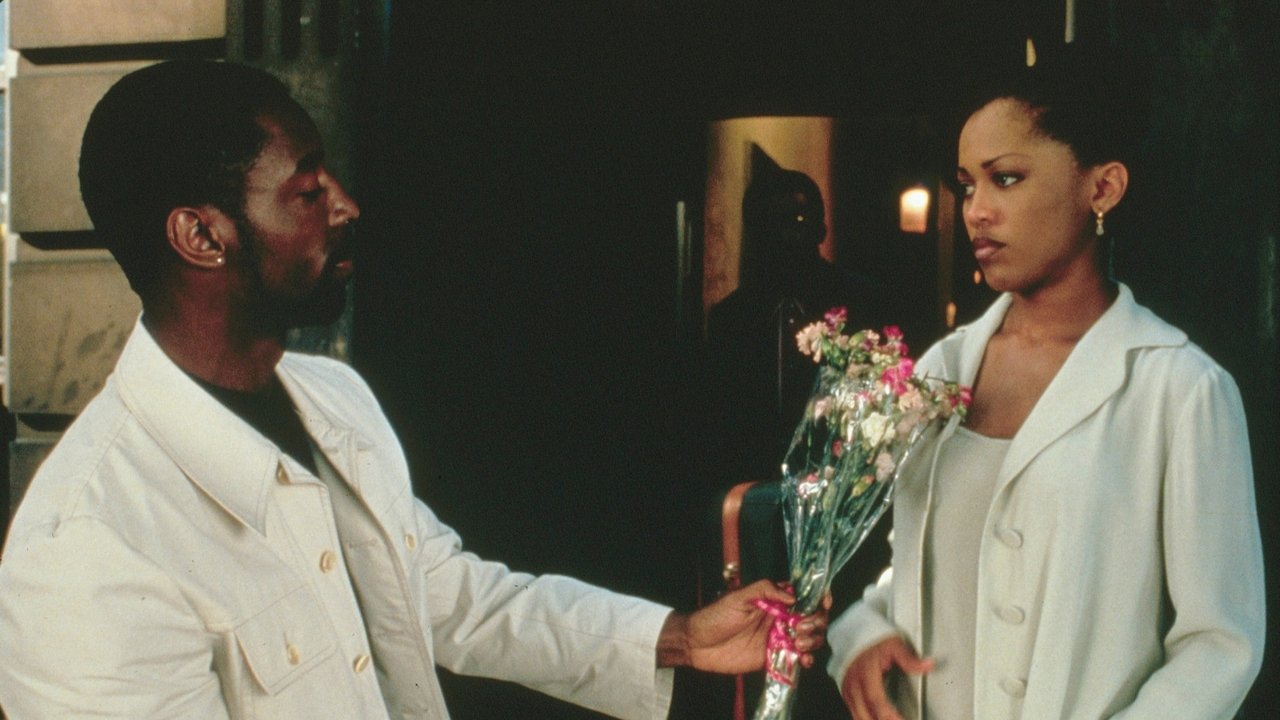
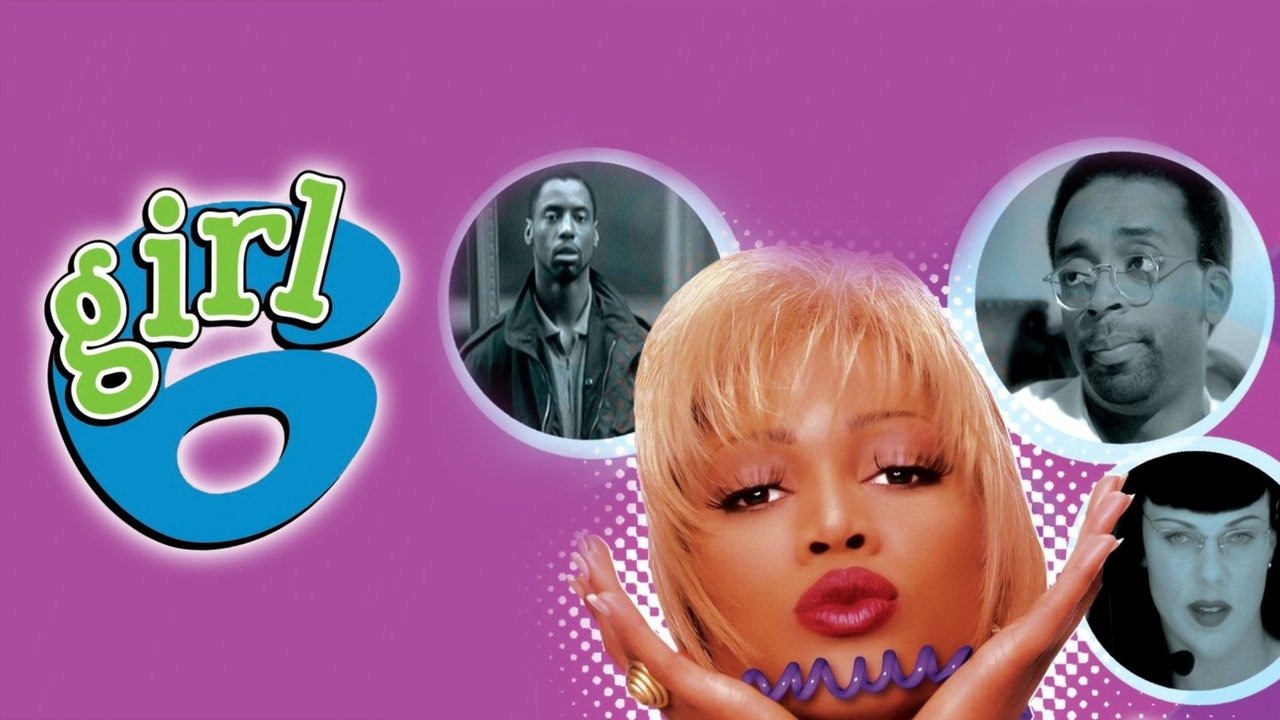
We follow Judy, talented and earnest, struggling to make ends meet in mid-90s New York City while chasing her acting dream. The casting couch horrors, microaggressions, and constant financial pressure wear her down. When her supportive neighbour and potential love interest, Jimmy (Isaiah Washington, radiating quiet charisma), can only offer so much solace, Judy stumbles upon a seemingly lucrative, albeit unconventional, alternative: phone sex work. Adopting the anonymous handle "Girl 6," she discovers a knack for weaving auditory fantasies, finding a strange form of empowerment and financial independence in the disembodied intimacy she provides. But where does Judy end and Girl 6 begin? This central question, penned by acclaimed playwright Suzan-Lori Parks (who would later win a Pulitzer for Topdog/Underdog), gives the film its intriguing, sometimes fragmented, core. It was a notable departure for Lee, directing a screenplay he didn't write himself, allowing Parks' distinct voice on gender, race, and performance to take center stage.
A Spike Lee Joint, Filtered Through Fantasy
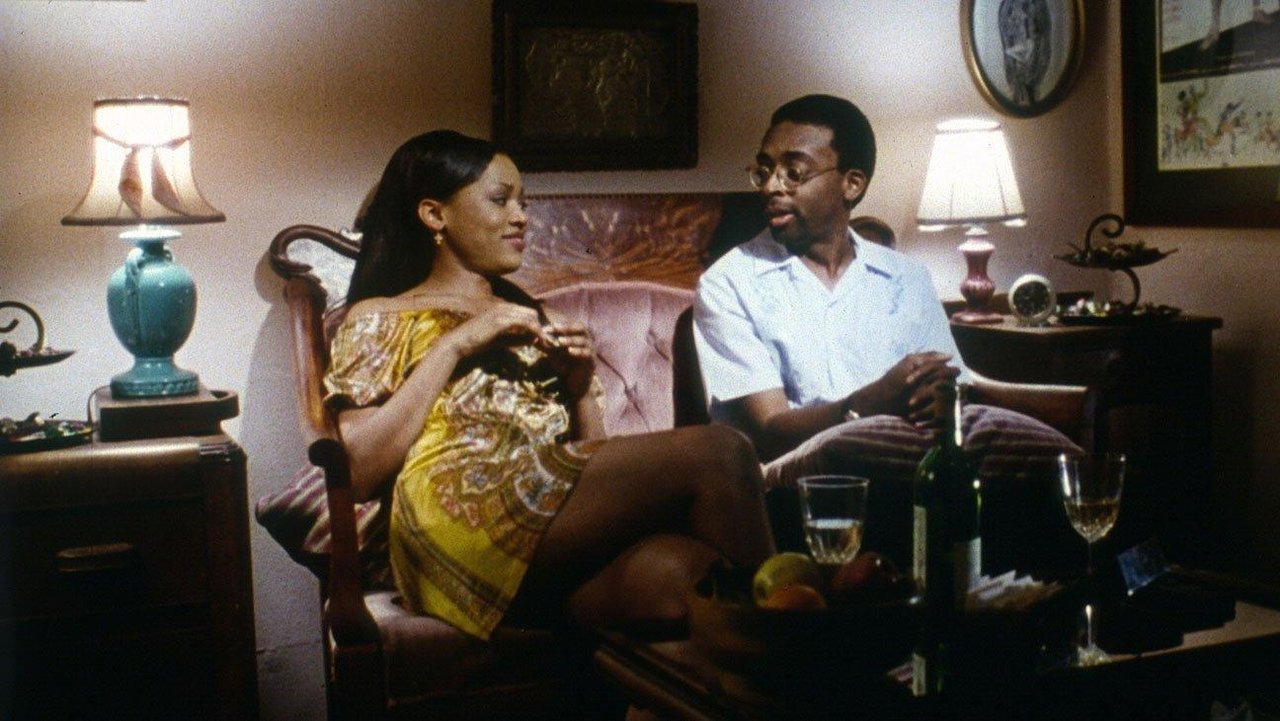
This isn't your typical Spike Lee joint, though his stylistic fingerprints are everywhere. Gone is the tight, focused narrative drive of Do the Right Thing (1989) or the epic sweep of Malcolm X (1992). Instead, Girl 6 unfolds more like a series of vignettes, mirroring the fractured nature of Judy's existence and the fleeting connections she makes over the phone lines. Lee leans into fantasy sequences, sometimes jarringly so, visualizing Judy's internal life or the scenarios she spins for her callers. These range from homages to Blaxploitation heroines like Foxy Brown to imagined encounters with historical figures, showcasing Randle's versatility but occasionally disrupting the film's tonal consistency.
One element that absolutely sings is the soundtrack, composed almost entirely of Prince tracks. Reportedly, Prince, who initially had eyes on directing Madonna in 1990's Graffiti Bridge, essentially opened his legendary vault to Lee, resulting in a pulsing, seductive, and sometimes melancholic soundscape that perfectly complements the film's themes of hidden desires and constructed realities. The title track, "Girl 6," penned specifically for the movie, is an undeniable highlight, capturing the enigmatic allure of the protagonist's phone persona. The music isn't just background noise; it's the film's lifeblood, adding layers of meaning and mood that elevate the entire experience.
Numbers, Names, and Neon Nights
Girl 6 arrived with a certain buzz, partly due to its subject matter and Lee's established reputation, but it ultimately struggled to find its audience. Made for an estimated $12 million, it grossed just under $5 million domestically. Was it the challenging structure? The potentially alienating subject? Or perhaps marketing confusion? Critics at the time were divided; Roger Ebert, for instance, gave it a mixed review, appreciating its ambition but finding it unfocused. It felt like a film grappling with ideas – about technology, anonymity, and the commodification of self – that were perhaps slightly ahead of the curve in 1996, resonating arguably more strongly in today's hyper-connected, online world.
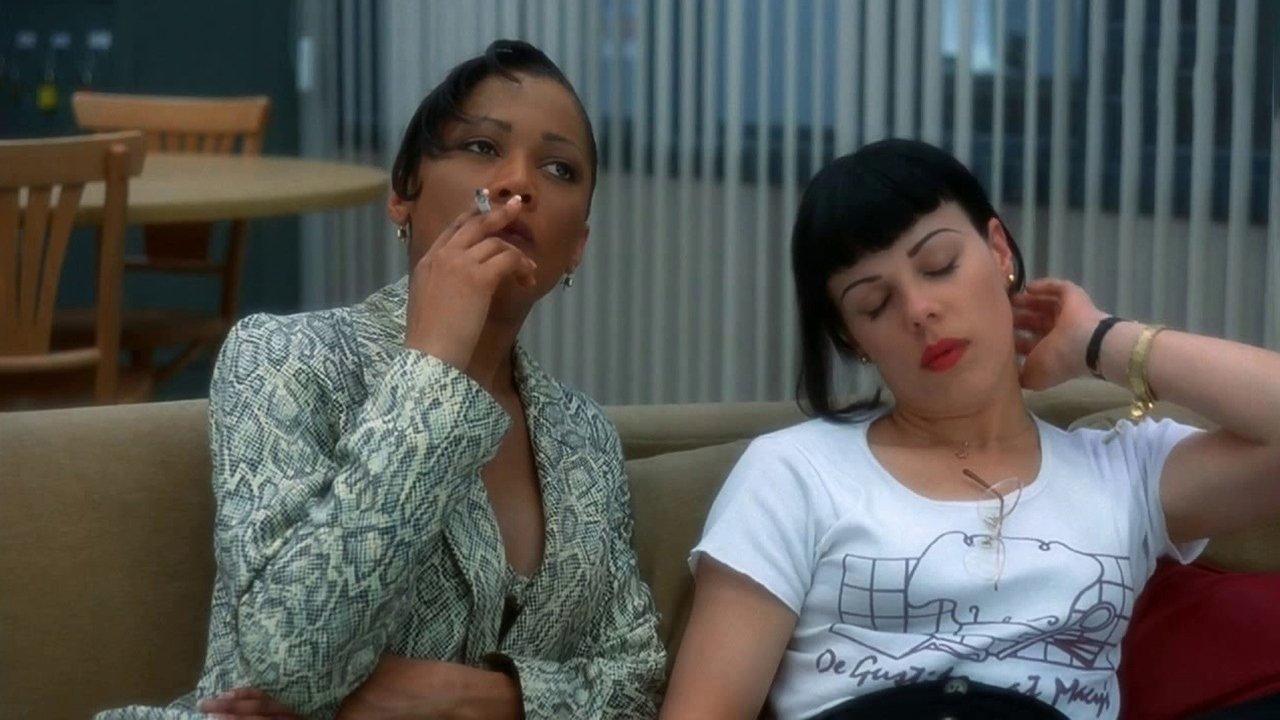
The film is also notable for its parade of cameos beyond Tarantino’s unsettling turn. Madonna, Naomi Campbell, Halle Berry, Ron Silver, Debi Mazar, and others pop up, sometimes playing themselves, sometimes characters within Judy's world or fantasies. While fun for spot-the-star, these appearances occasionally feel more distracting than additive, pulling focus from Judy’s central journey. Lee himself appears as Jimmy the Pimp, a character far removed from his usual Mookie-esque roles, offering a brief, sharp counterpoint to Judy’s experience.
The Voice at the Center
Despite the stylistic detours and starry distractions, the film hinges entirely on the central performance by Theresa Randle. It's a demanding, fearless role requiring her to shift between vulnerability, desperation, confidence, and a multitude of distinct phone sex personas. Randle throws herself into it, capturing the exhaustion of Judy's real life and the electric, if draining, energy of Girl 6. We see the toll it takes, the blurring lines, the search for genuine connection amidst transactional intimacy. It’s a performance that deserved more recognition at the time, anchoring the film's thematic explorations with raw, believable humanity. Does she find liberation or simply a different kind of cage? The film wisely leaves that ambiguous.
The Lingering Echo
What stays with you after Girl 6 fades to black? Perhaps it's the haunting rhythm of Prince's music, or the image of Randle, isolated yet connected to countless unseen callers. Maybe it's the uncomfortable questions it raises about the performance of identity, both chosen and imposed. It’s not a perfect film; its episodic nature can feel uneven, and some stylistic choices land better than others. Yet, it remains a fascinating, provocative piece in Spike Lee's filmography – a distinctly mid-90s exploration of themes that feel startlingly contemporary. It captures that specific pre-broadband internet era, the world of pagers and landlines, yet speaks volumes about the curated personas and virtual intimacies of today. I remember renting this on VHS, perhaps expecting something more straightforwardly provocative, and instead finding this complex, sometimes messy, but ultimately rewarding character study.
Rating: 7/10
This score reflects Girl 6's undeniable strengths – Theresa Randle's captivating lead performance, Suzan-Lori Parks' sharp writing, Prince's phenomenal soundtrack, and Lee's bold direction – while acknowledging its narrative fragmentation and occasional unevenness. It’s a film that doesn’t offer easy answers, favoring ambiguity and challenging questions over neat resolutions.
It’s a film that asks us to consider the masks we wear and the voices we adopt, both by choice and by necessity, leaving us pondering the echoes of connection in an increasingly disconnected world. Definitely worth revisiting, especially if you missed this complex gem back in the aisles of the video store.