Here we go again, digging through the crates and pulling out a tape that feels different. Not the usual explosive action or creature feature, but something quieter, stranger, yet deeply resonant. Some films don't just tell a story; they seem to breathe a different kind of air, existing somewhere between the pavement cracks and the constellations. Eliseo Subiela's The Dark Side of the Heart (Spanish: El lado oscuro del corazón, 1992) is precisely that kind of discovery, the sort of tape you might have stumbled upon in the 'World Cinema' section of the video store, promising something utterly unlike anything else on the shelf.
### Poetry, Prostitutes, and the Possibility of Flight
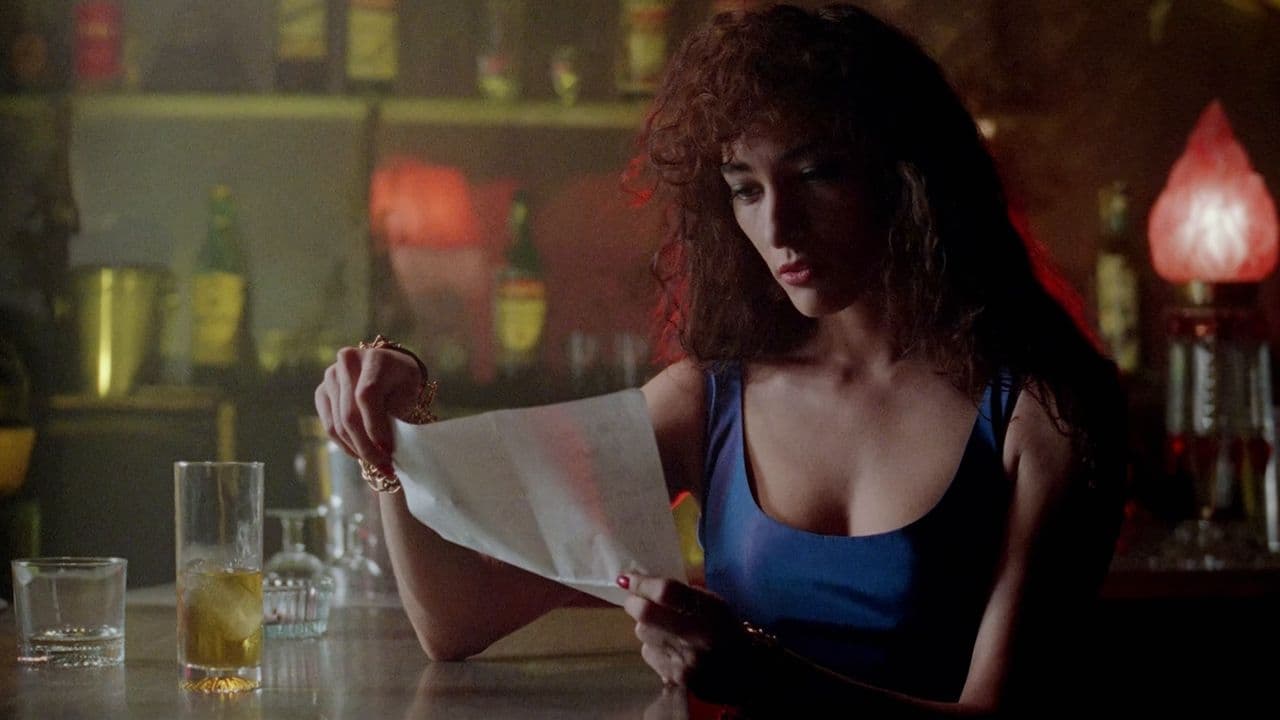
At its core, this Argentine-Canadian co-production follows Oliverio (Darío Grandinetti), a brooding, introspective poet living a bohemian existence in Buenos Aires. He makes a living selling his verses, bartering poems for food, and navigating life with a kind of weary romanticism. But Oliverio carries a specific, peculiar burden: he is searching for a woman who can literally fly. Not metaphorically, mind you. He believes true love, the kind that transcends the mundane, manifests in levitation. This quest leads him through encounters, primarily with prostitutes, whom he tests with his profound, often melancholic poetry, hoping one will defy gravity.
It sounds whimsical, perhaps even absurd, yet Subiela, who also directed the similarly philosophical Man Facing Southeast (1986), grounds this surreal premise in a tangible, often gritty reality. Oliverio's world is one of smoky bars, cheap hotels, and existential conversations. The film masterfully blends this earthiness with moments of pure poetic fantasy, creating an atmosphere that feels both lived-in and dreamlike. You can almost smell the stale cigarette smoke and cheap wine one minute, and the next, you're contemplating the physics of love-induced flight.
### The Weight of Words, The Lightness of Being
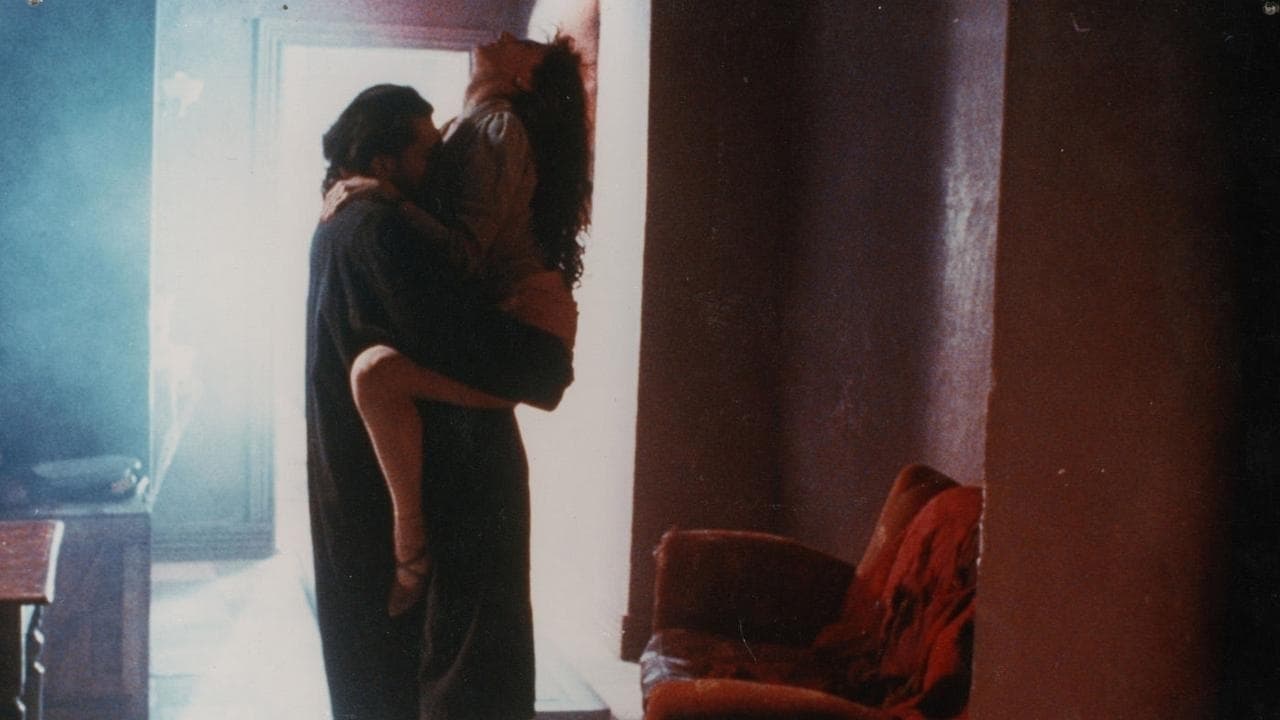
Darío Grandinetti, a formidable presence in Argentine cinema, embodies Oliverio perfectly. He carries the weight of artistic struggle and romantic longing in his posture, his gaze. He isn't just reciting poetry; he lives it, making his unusual quest feel less like a gimmick and more like a deeply personal, albeit eccentric, philosophy. His interactions are tinged with both hope and resignation, making him a compelling, relatable figure despite his fantastical goal.
Then there's Ana (Sandra Ballesteros), the prostitute in Montevideo who captures Oliverio's attention and might just possess the aerodynamic qualities he seeks. Ballesteros brings a fascinating blend of world-weariness and hidden vulnerability to the role. Their connection feels authentic, complicated by the transactional nature of their meeting and the sheer strangeness of Oliverio's expectations. Does she truly understand his poetic soul, or is she playing along? The ambiguity is part of the film's delicate charm.
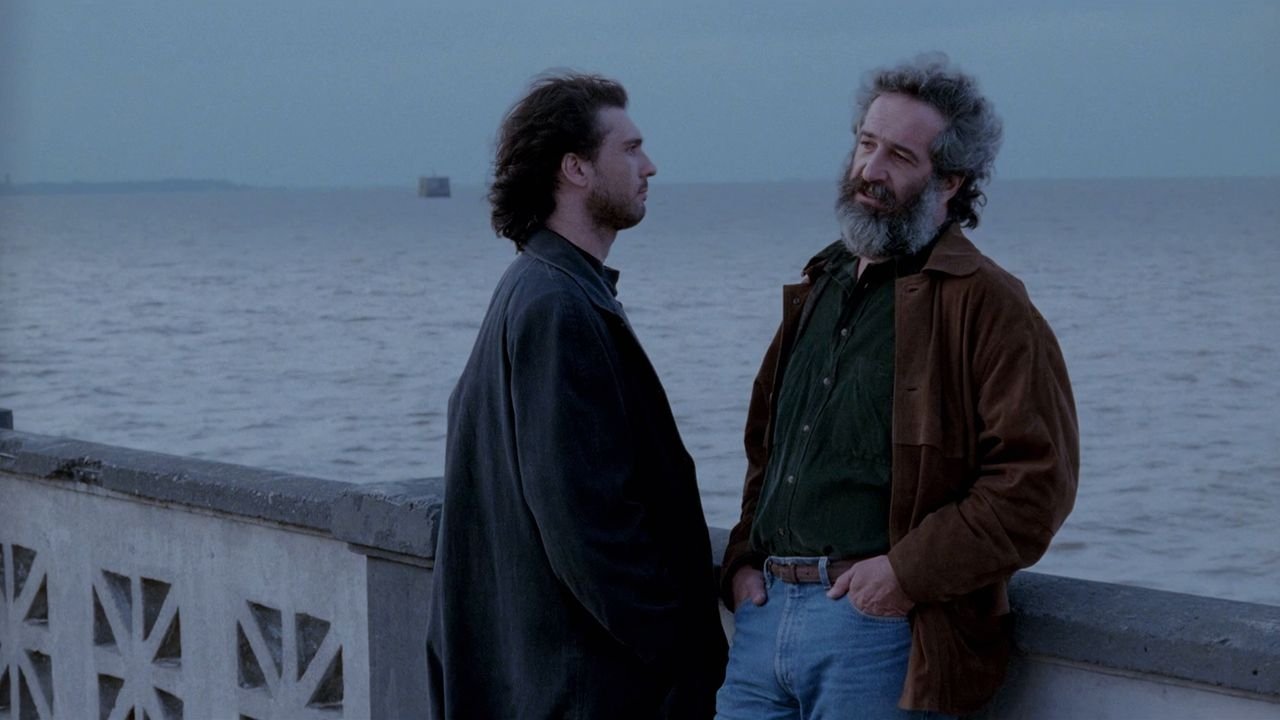
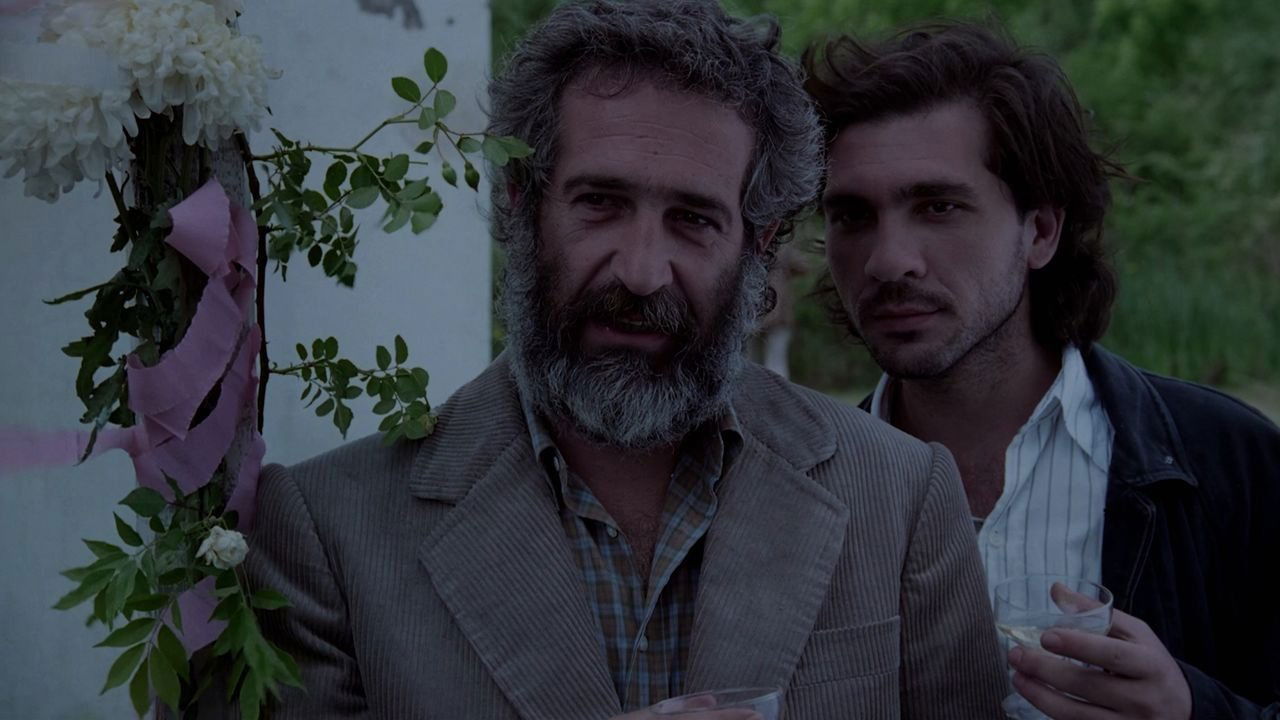
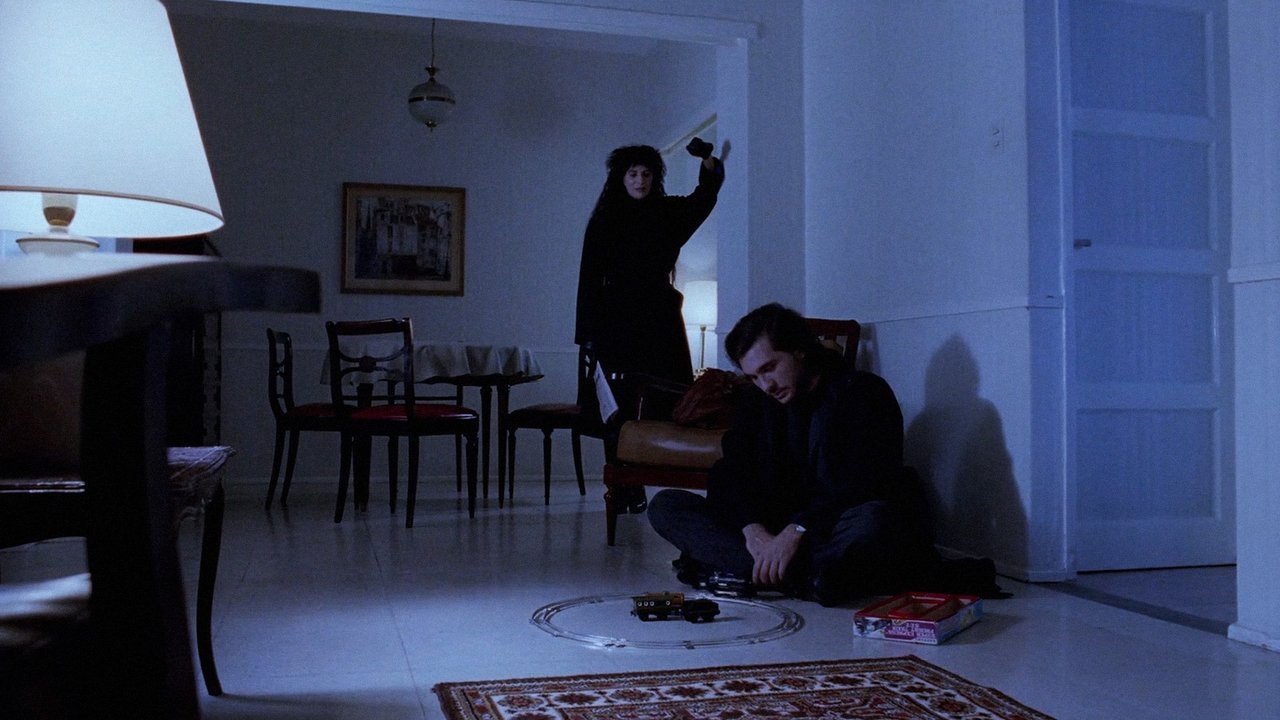
And we can't forget the unforgettable Nacha Guevara as Death. Personified not as a grim reaper but as a stylish, pragmatic figure who engages Oliverio in philosophical debates, often with a cigarette dangling elegantly from her fingers. It's a bold, almost theatrical performance that adds another layer to the film's exploration of life, love, and mortality.
### Weaving Verse into Vision
A crucial element, perhaps the crucial element, is the film's integration of poetry. Subiela weaves verses from renowned Latin American poets like Mario Benedetti, Oliverio Girondo, and Juan Gelman directly into the dialogue and narrative. Oliverio doesn't just quote poetry; it's the language through which he understands and interacts with the world. This wasn't merely decorative; it was foundational. Apparently, Subiela was deeply influenced by these poets, and the film feels like a cinematic love letter to their power to articulate the ineffable aspects of the human condition. This deep literary connection elevates the film beyond simple romance or fantasy.
Finding specifics on the production budget is tricky for a '92 Argentine film, but its impact far exceeded its likely modest means. It wasn't a box office smash in the Hollywood sense, but The Dark Side of the Heart garnered significant critical acclaim, winning Best Film at the Montréal World Film Festival and becoming a beloved cult classic, particularly among those who discovered it on VHS or through festival circuits. For many outside Latin America, it was an introduction to a different kind of cinematic storytelling – passionate, philosophical, and unafraid of blending the surreal with the sensual.
The filming locations themselves, shifting between Buenos Aires and Montevideo, contribute significantly to the atmosphere. There's a sense of place, of specific cultural textures, that grounds the more fantastical elements. You feel the energy of these South American capitals, which serve as more than just backdrops; they are characters in themselves, influencing Oliverio's journey.
### A Flight of Fancy Worth Taking?
Watching The Dark Side of the Heart today, it retains its unique power. It asks profound questions about the nature of love, the role of art in a seemingly indifferent world, and the human yearning for transcendence. Is Oliverio's quest for a flying woman simply a metaphor for finding someone who truly understands his soul, or is it a literal belief in the impossible? The film wisely leaves room for interpretation.
It’s not a film for everyone. Its pacing is deliberate, its tone often melancholic, and its blend of realism and surrealism might strike some as jarring. But for those willing to embrace its poetic spirit, it offers a rich, rewarding experience. It's a reminder of a time when foreign films discovered on VHS could open up entirely new worlds and perspectives, feeling like secrets shared between you and the screen. I distinctly remember renting this from a local independent store, drawn by the enigmatic cover, and feeling like I'd unearthed something truly special.
Rating: 8.5/10
Justification: The Dark Side of the Heart earns this score for its bold originality, its seamless integration of poetry and narrative, its evocative atmosphere, and the compelling performances, particularly from Grandinetti. It successfully blends surrealism and gritty reality into a unique cinematic vision. While its deliberate pacing and specific tone might not appeal universally, its artistic ambition and emotional depth make it a standout piece of 90s world cinema.
Final Thought: This film lingers long after the credits roll, leaving you pondering the nature of connection and wondering, just maybe, if love really could give us wings. It's a testament to the power of cinema to explore the hidden corners of the heart, even the dark, poetic, and slightly absurd ones.