The whisper turns into a scream trapped behind glass. Imagine it: the salt spray on your face, the moon on the water, then blood, a knife you don't remember holding, and the terrifyingly calm arrival of the Coast Guard. That's the descent for Libby Parsons in Bruce Beresford's Double Jeopardy (1999), a plunge into a nightmare so chilling because it feels sickeningly plausible, at least in its initial emotional shock. The rug isn't just pulled; it's yanked with vicious force, leaving you breathless alongside Ashley Judd in the suffocating darkness of betrayal. This isn't just a thriller; it's a nerve-shredding immersion into wrongful conviction and the ice-cold fury that fuels survival.

From Paradise Lost to Prison Hell
The film wastes no time establishing Libby’s idyllic life before shattering it. The initial setup feels almost dreamlike – the perfect husband (a smooth Bruce Greenwood), the beautiful son, the yacht, the wealth. Beresford orchestrates this fall from grace with brutal efficiency. The confusion, the frame-up, the swift, disbelieving conviction – it lands like a physical blow. Then comes prison, stripped of identity, consumed by grief and a growing, gnawing suspicion. Judd portrays this transition with raw, believable anguish. You feel the despair seep into your bones watching her navigate the grim realities of incarceration, a stark contrast to the life stolen from her. It’s during this period, hearing whispers from a fellow inmate (a story beat reportedly inspired by insights from actual female inmates consulted during research), that the film plants its insidious, electrifying seed: the (misinterpreted) notion that once convicted of murdering someone, you can't be tried for killing them again.
The Ghost Hunter and the Weary Lawman
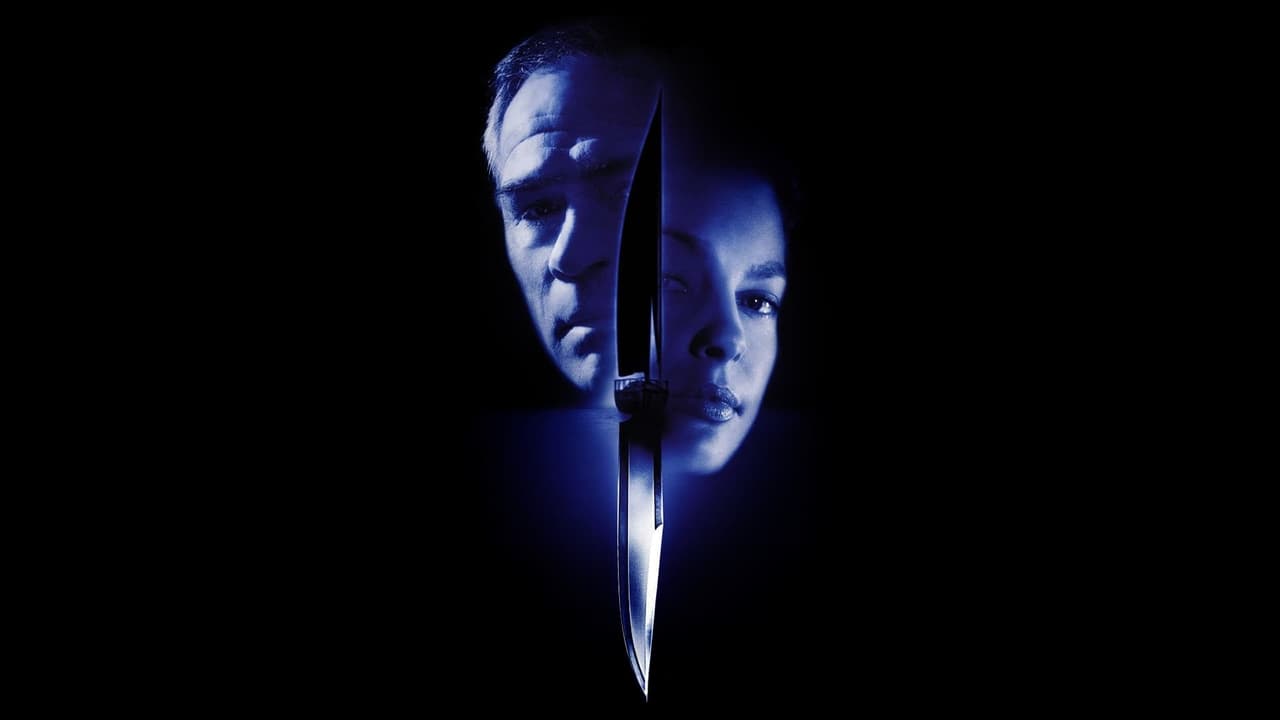
The discovery that her husband faked his death and framed her isn't just a plot twist; it's the flicking of a switch. The grief curdles into righteous rage, a promise whispered in a desperate prison phone call: "When I get out, I will kill you." This vow ignites the film's relentless second half. Libby’s transformation from victim to resourceful hunter is the engine driving the narrative. Ashley Judd, stepping firmly into the action-heroine mold she’d explore further, makes this believable. She sheds the vulnerability, replaced by a steely determination honed by years of injustice. Her parole isn't freedom; it's the starting gun for her hunt.
Enter Tommy Lee Jones as Travis Lehman, the disgruntled, burnt-out parole officer tasked with keeping Libby on a leash. It's impossible not to see echoes of his Oscar-winning turn as Marshal Sam Gerard in The Fugitive. Lehman is cut from similar cloth: cynical, relentless, intelligent, living in the shadow of a past mistake. The dynamic between Judd and Jones crackles. He’s the weary obstacle, the institutional force bound by rules she’s determined to break. Their initial interactions are laced with distrust and antagonism, evolving into a grudging respect as Lehman begins to piece together the truth. Jones delivers his trademark world-weariness and dry wit perfectly, grounding the more outlandish plot elements with his sheer, undeniable presence. Reportedly, Jones was drawn to the role precisely because it allowed him to explore a character arc moving from cynical detachment to begrudging involvement, a nuance he felt differentiated Lehman from Gerard.
Atmosphere of Pursuit

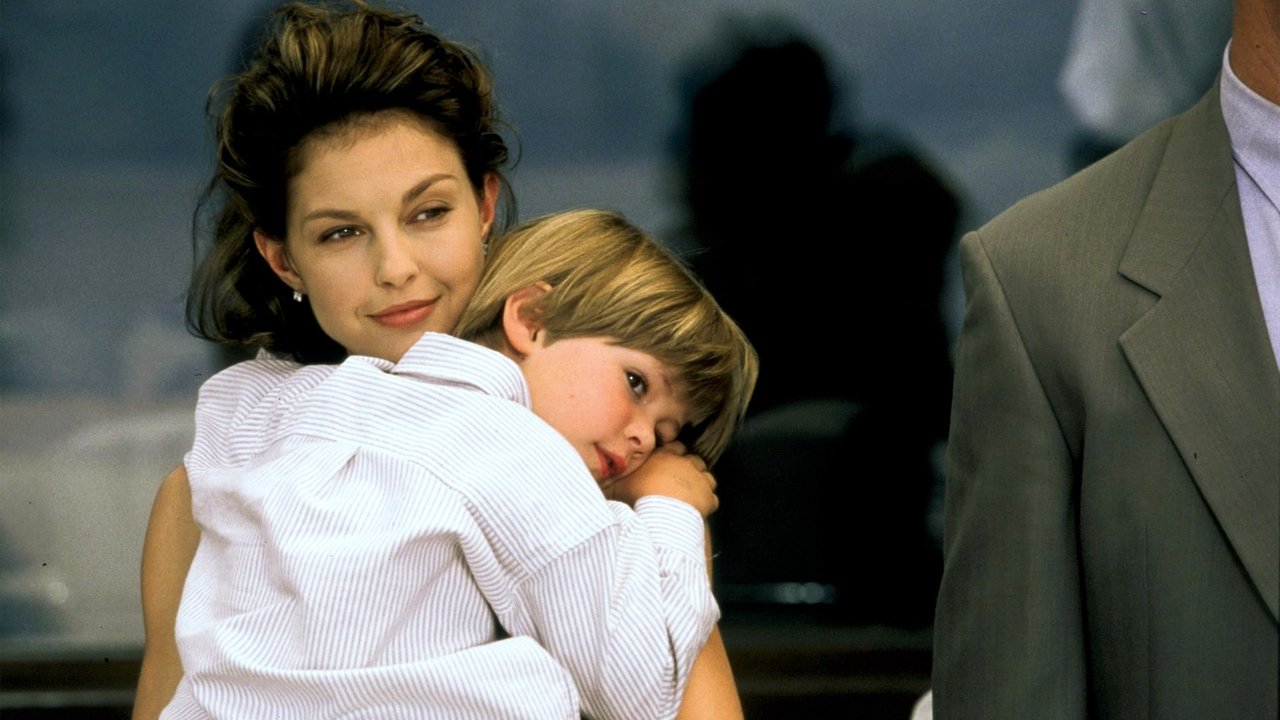
While not dripping with the gothic dread of a horror film, Double Jeopardy crafts its own specific tension. Beresford, known for character dramas like Driving Miss Daisy, proves adept at maintaining pace and suspense. The film utilizes its locations effectively – the rain-slicked streets and misty landscapes of Washington State provide a suitably damp, atmospheric backdrop for Libby’s initial search, contrasting sharply with the vibrant, almost decadent danger of New Orleans where the final confrontation unfolds. The sense of pursuit is palpable, whether it's Libby tailing her quarry or Lehman closing in on her. The score often underscores the urgency, ratcheting up the tension during chase sequences or moments of near discovery. While perhaps not groundbreaking cinematically, the direction is clean, efficient, and focused squarely on maximizing the narrative's inherent suspense. The practical stunt work, particularly a tense sequence involving a car ferry and a desperate underwater escape, feels grounded and impactful, adding to the visceral thrill without resorting to excessive CGI flash.
The Devil in the Details
The film’s central hook – the titular "Double Jeopardy" clause – is, famously, a dramatic exaggeration. Legal scholars will quickly point out the Fifth Amendment protection doesn't quite work the way the movie suggests (a new crime, even against the same person under different circumstances, could likely be prosecuted). Yet, this narrative license is the film's dark genius. It creates an irresistible "what if" scenario, a potent fantasy of untethered revenge. Discovering that this legal loophole was the core concept pitched by writers David Weisberg and Douglas Cook highlights how a compelling, high-concept premise can override factual inaccuracies for sheer dramatic effect. Its massive box office success (grossing over $177 million worldwide against a reported $70 million budget) proves audiences were more than willing to suspend disbelief for the ride. It tapped directly into a satisfying, albeit legally shaky, revenge fantasy.
Bruce Greenwood deserves mention for his portrayal of Nick Parsons. He embodies the slick, narcissistic charm that makes his betrayal so devastating and his continued evasion so infuriating. He’s the perfect foil – the picture of entitled privilege who believes he can literally get away with murder. His casual cruelty makes Libby’s relentless pursuit feel not just justified, but necessary.
Rating Justification: 7.5/10
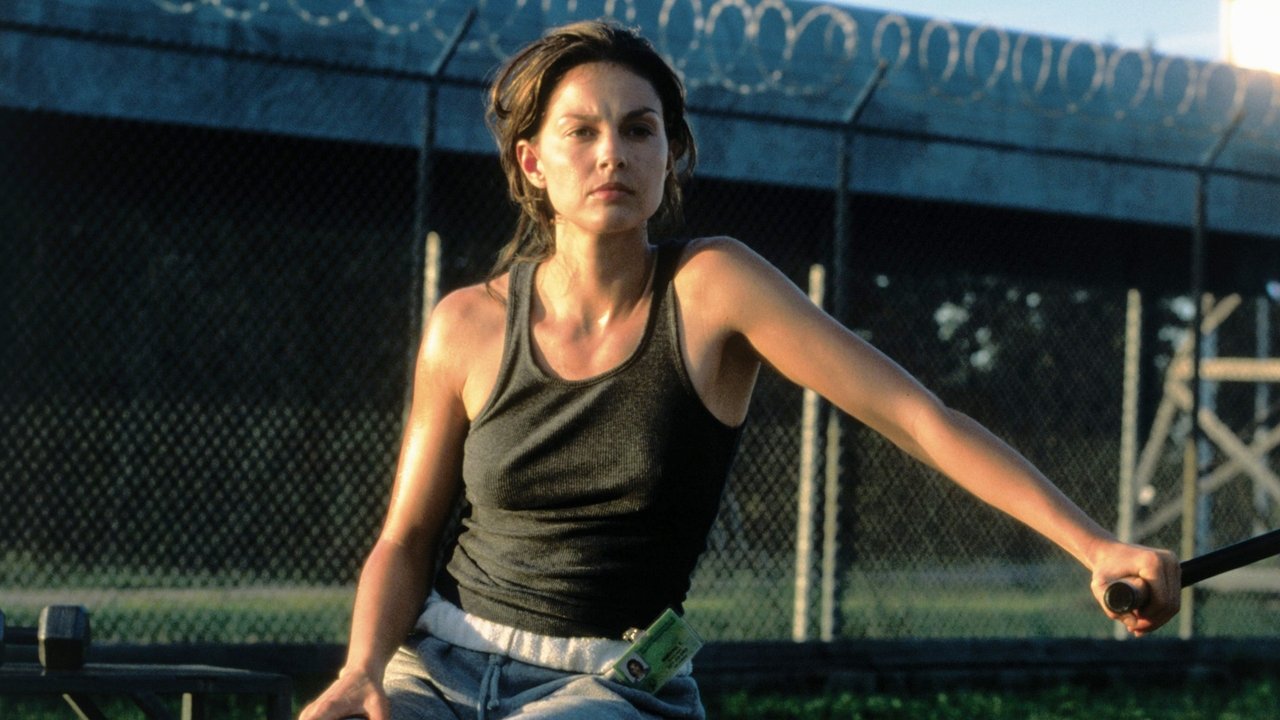
Double Jeopardy earns a solid 7.5 primarily for its brilliantly simple and effective high-concept premise and the compelling performances of its leads. Ashley Judd delivers a star-making turn, convincingly navigating Libby's arc from shattered victim to determined avenger. Tommy Lee Jones provides gravitas and his signature weary intensity, creating a dynamic pursuit narrative. The film is tightly paced, suspenseful, and delivers genuinely satisfying thriller payoffs. However, it's held back from true greatness by its reliance on that legally dubious central conceit and occasional plot contrivances that require significant suspension of disbelief. While Bruce Beresford's direction is proficient, it lacks a distinctive stylistic flair that might have elevated the material further. It's a highly effective piece of mainstream entertainment, a gripping watch fueled by righteous anger, but its foundations feel more like thrilling fantasy than grounded reality.
Final Rewind
Watching Double Jeopardy today, perhaps on a worn-out tape dug from the back of a shelf, is to reconnect with a specific brand of late-90s thriller: slick, star-driven, and built around a killer hook. It doesn't plumb profound depths, but it understands the visceral thrill of the chase and the deep, dark satisfaction of seeing justice, however unconventionally, served cold. Its power lies in that primal fantasy – what if you could truly get revenge, consequence-free? It’s a question that still sends a shiver down the spine, long after the tracking lines fade.