The title hits you first, doesn't it? I Shot Andy Warhol. Stark. Uncompromising. It’s a statement that immediately throws down a gauntlet, promising a story far removed from the comfortable glow of mainstream 90s cinema. Finding this cassette on the shelf back in the day, perhaps tucked between bigger-budget thrillers and comedies, felt like uncovering something vital, maybe even dangerous. And Mary Harron's 1996 directorial debut delivers precisely that: a raw, unsettling dive into the fractured psyche of Valerie Solanas, the radical feminist writer who indeed shot, though didn't kill, the pop art icon.
### The Electric Fury of Valerie
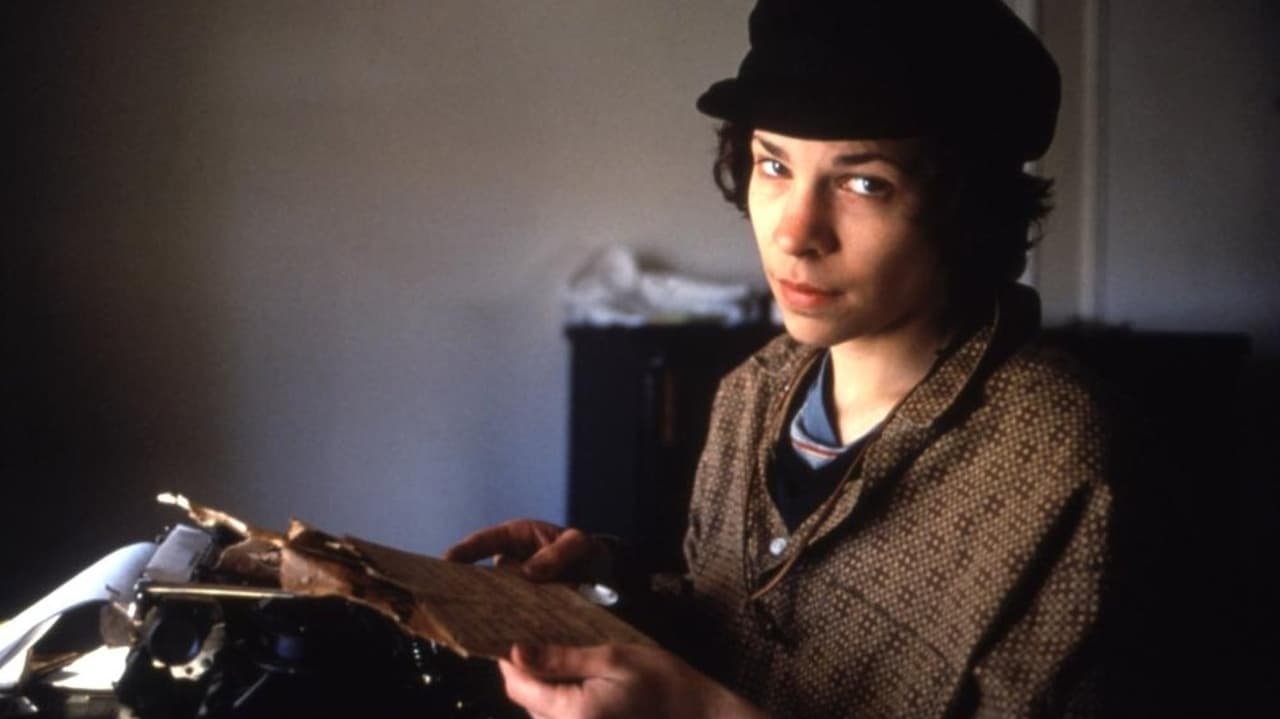
What burns brightest in memory, long after the tape has whirred to a stop, is the astonishing central performance. Lili Taylor is Valerie Solanas. This isn't mimicry; it's a full-bodied inhabitation of a soul simmering with intellectual brilliance, righteous anger, and profound, untreated mental instability. Taylor captures the rapid-fire cadence of Solanas's speech, the burning intensity in her eyes, the way her entire frame seems coiled with frustration. You see the sharp mind crafting the incendiary SCUM Manifesto (Society for Cutting Up Men), but also the desperate, almost childlike yearning for recognition and the crushing weight of paranoia. It's a performance devoid of vanity, utterly committed to conveying the chaotic truth of its subject. Harron has mentioned Taylor's deep dive into Solanas's writings and scarce recordings, and that meticulous groundwork translates into a portrayal that feels disturbingly authentic, forcing us to grapple with a figure often dismissed as simply 'crazy'.
### Welcome to the Factory (Mind the Edge)
The film brilliantly recreates the specific milieu of Andy Warhol's Factory in the late 1960s – not just the silver-painted walls and avant-garde happenings, but the emotional landscape. Jared Harris, in a wonderfully understated turn, gives us a Warhol who is less the flamboyant public persona and more an elusive, passively manipulative voyeur. He’s the quiet center around which a constellation of fragile egos orbits, desperate for his reflected light. We see the hope Solanas invests in him, believing this artistic gatekeeper will recognize her genius, only to face his casual indifference and the calculated cruelty of the Factory's inner circle. Stephen Dorff also memorably embodies the tragic glamour of Candy Darling, another soul navigating the treacherous currents of Warhol's world. Harron, working with co-writer Daniel Minahan, captures the intoxicating allure and inherent toxicity of this scene, a place where artistic boundaries were blurred and personalities often exploited. The production design feels appropriately gritty, mirroring the often unglamorous reality behind the avant-garde facade – a far cry from slick Hollywood depictions. This wasn't a high-budget affair, reportedly costing around $1-2 million, but that constraint likely contributed to its raw, street-level feel, perfectly suiting the subject matter.
### More Than Just Madness
What elevates I Shot Andy Warhol beyond a standard biopic is its refusal to offer easy answers or simple diagnoses. Yes, Solanas's mental health struggles are evident, portrayed with empathy but without romanticization. But the film also takes her ideas seriously. It presents excerpts from the SCUM Manifesto, not as mere rantings, but as genuinely radical, albeit extreme, critiques of patriarchy. It places her actions within the context of a society simmering with political unrest and feminist awakening, alongside her desperate poverty and artistic frustrations. Doesn't this complexity challenge us to look beyond simplistic labels? The film doesn't excuse Solanas's violence, but it demands we understand the confluence of factors – societal, personal, psychological – that propelled her towards that fateful act. It raises uncomfortable questions about the intersection of radical thought, artistic ambition, and mental illness, questions that still resonate today.
### A Legacy Etched in Film Grain
Premiering at Sundance, where Lili Taylor deservedly won a Special Jury Recognition for her performance, I Shot Andy Warhol marked the arrival of Mary Harron (who would later give us the equally provocative American Psycho (2000)) as a distinct directorial voice. It's a film that feels emblematic of a certain kind of 90s independent cinema – challenging, character-driven, and willing to tackle difficult subjects head-on. Watching it again now, perhaps on a format far removed from the original VHS, its power hasn't diminished. The grainy textures might be gone, but the raw energy, the intellectual provocations, and Taylor’s ferocious performance remain indelible. It wasn't a massive box office hit, but its impact lingered, sparking countless conversations and solidifying its place as a crucial piece of queer and feminist film history.
Rating: 9/10
This score reflects the film's exceptional lead performance, Mary Harron's assured direction, its intelligent handling of complex themes, and its authentic portrayal of a specific, influential counter-culture moment. Lili Taylor's fearless work alone makes it essential viewing. While its bleakness and confrontational subject matter might not be for everyone, its artistry and provocative power are undeniable.
I Shot Andy Warhol remains a potent, unforgettable film – a stark reminder of a turbulent time and the devastating consequences when a desperate voice feels unheard. What lingers most is the uncomfortable empathy it evokes, forcing us to confront the humanity within even the most fractured and notorious figures.