Some films aren't easily shaken off. They burrow under your skin, leave a residue of unease that lingers long after the VCR clicks off and the screen fades to static blue. Tony Kaye's American History X (1998) is undeniably one of those films. Arriving near the end of the decade, it felt less like entertainment and more like a direct confrontation, a stark, brutal look into the abyss of American racism that few mainstream movies dared approach with such unflinching intensity. Renting this one back in the day felt almost illicit, heavy in the hand, promising something far removed from the usual weekend escapism.
A Tale of Two Brothers, A Nation's Shadow
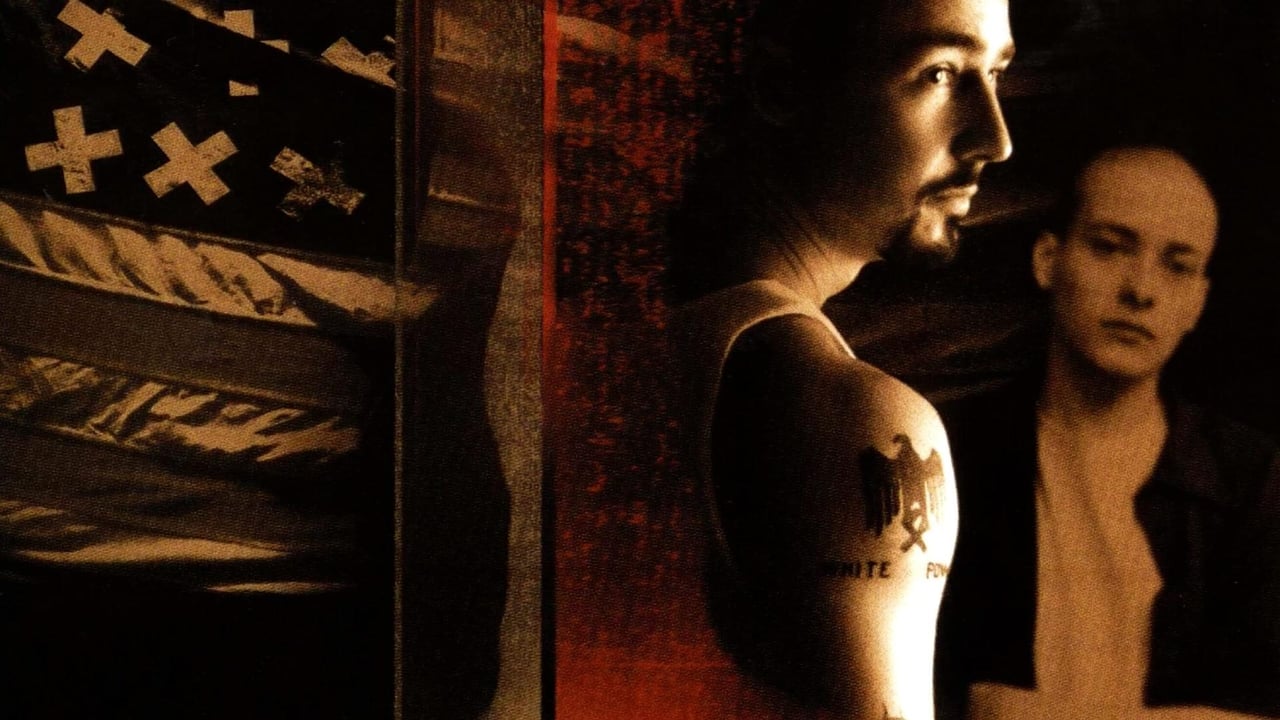
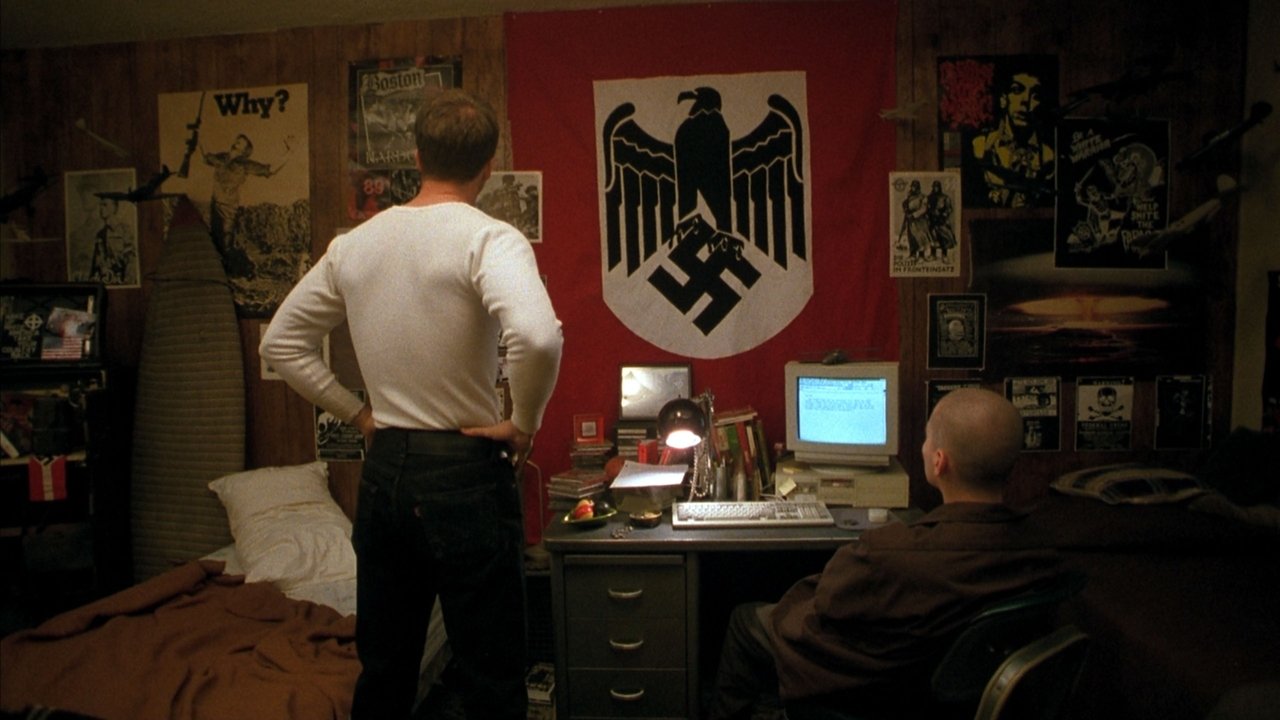
At its heart, the film spins a wrenching narrative around two brothers: Derek Vinyard, played with astonishing, terrifying power by Edward Norton, and his younger sibling Danny (Edward Furlong, capturing the volatile mix of teenage admiration and vulnerability). Derek, recently released from prison for a brutal hate crime, emerges seemingly transformed, desperate to steer Danny away from the same path of white supremacist ideology that consumed him. The story unfolds through parallel timelines: the present day, shot in stark color, depicting Derek's struggle for redemption, and flashbacks rendered in harsh black-and-white, detailing his horrifying descent into neo-Nazi leadership. This visual choice isn't just stylistic; it’s thematic. The past is absolute, monochrome in its hatred, while the present struggles, messily and uncertainly, towards a different spectrum.
Norton's Inferno
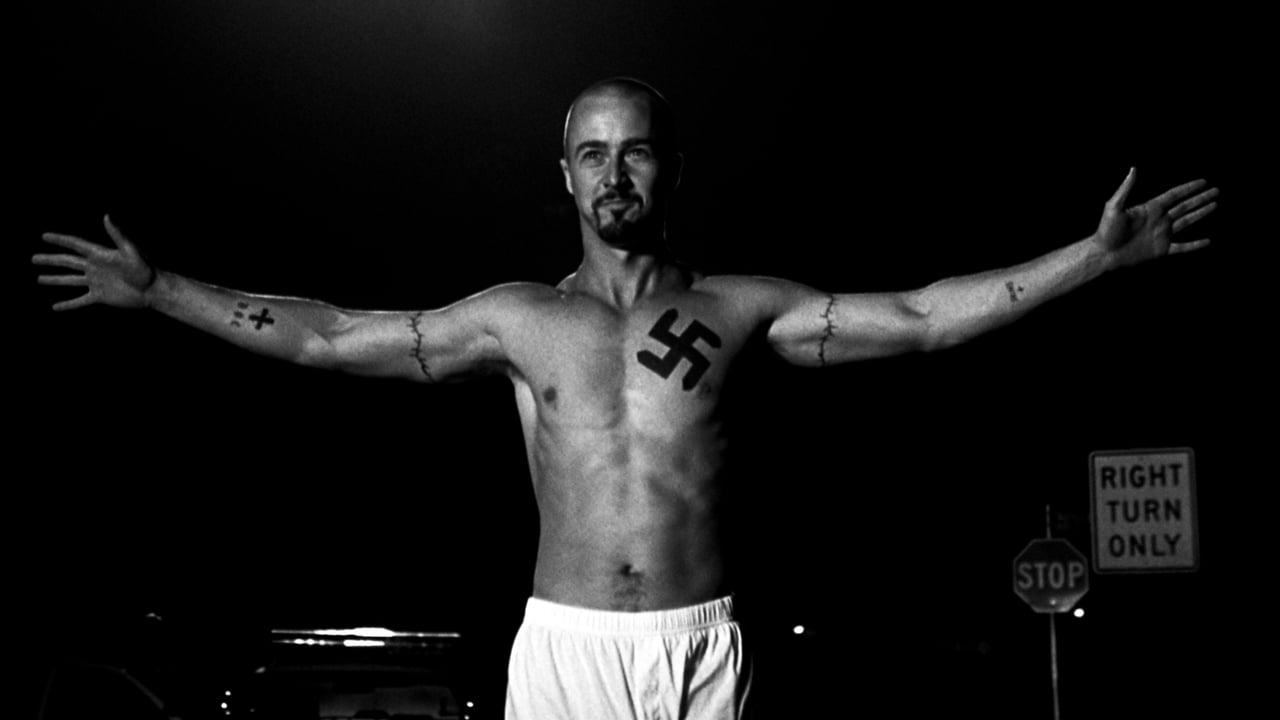
Let's be clear: Edward Norton's performance is monumental. It's the kind of acting that leaves scorch marks. Before his incarceration, Derek is magnetic, articulate, and utterly terrifying. Norton embodies the chilling charisma that can twist legitimate grievances into poisonous hatred, making the allure of the movement frighteningly palpable. It’s a physical transformation as much as an ideological one – the muscled physique, the swastika tattoo emblazoned on his chest, the eyes blazing with conviction. Then comes the post-prison Derek: quieter, haunted, stripped of his swagger but burdened by the weight of his past actions. Norton navigates this transition with incredible nuance, showing the cracks in the former monster, the dawning horror of what he created and inspired. It rightly earned him an Academy Award nomination and cemented his status as one of the most compelling actors of his generation. We also see solid support from Beverly D'Angelo as the boys' weary, overwhelmed mother, caught in the crossfire of ideologies tearing her family apart.
Behind the Fury: A Troubled Vision
The film's raw power feels almost inseparable from its notoriously troubled production. Director Tony Kaye, a British commercials director making his feature debut, clashed intensely with New Line Cinema and star Edward Norton over the final cut. Norton, it's said, supervised a re-edit to give his character more screen time and perceived depth, leading Kaye to publicly disown the film, even trying unsuccessfully to have his name replaced with "Humpty Dumpty". While such disputes often kneecap a film, here, the conflict almost seems baked into the final product. Does the released version soften Derek's character arc slightly compared to Kaye's original, allegedly bleaker vision? Perhaps. But the version that landed on shelves in those chunky VHS cases undeniably struck a nerve. It’s a testament to the strength of David McKenna’s script and the core performances that the film retains such potency despite the behind-the-scenes turmoil. Interestingly, despite its eventual cult status and critical acclaim for Norton, it wasn't a massive box office success initially, earning just under $24 million worldwide against its $20 million budget. Its reputation grew significantly on home video – a true VHS-era phenomenon.
The Uncomfortable Questions Left Behind
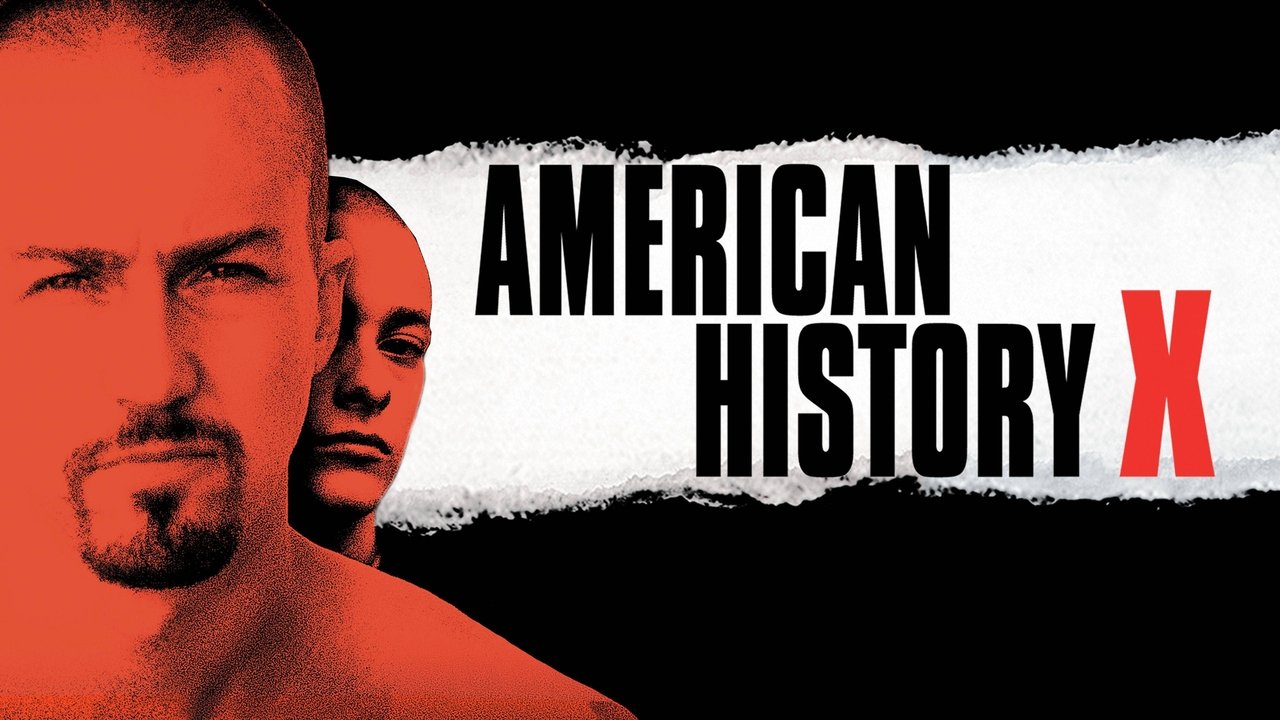
American History X doesn't offer easy answers. It dives headfirst into the roots of hatred – economic anxiety, misplaced anger, the seductive power of belonging, however toxic the group. It forces us to confront the cyclical nature of violence and the heartbreaking difficulty of escaping extremist ideologies once they take hold. Is redemption truly possible after committing monstrous acts? Can the cycle of hate passed down through families and communities ever be definitively broken? The film raises these questions with a visceral urgency that remains relevant. Watching Danny write his paper, "American History X," processing his brother's story, you feel the weight of history and influence pressing down on him, and by extension, on us.
It’s not a comfortable watch. The violence is graphic and disturbing, particularly the infamous curb-stomp scene, which exists less for shock value and more as an indelible scar marking the depths of Derek's former depravity. But its refusal to look away is precisely where its power lies. It demands engagement, reflection, and forces a conversation about subjects many would prefer to ignore.
Rating: 9/10
This score reflects the sheer, undeniable impact of the film, anchored by one of the great transformative performances of the 90s. Edward Norton is simply unforgettable. While the production conflicts might leave cinephiles wondering about Kaye's original intent, the released version stands as a powerful, harrowing, and necessary piece of filmmaking. Its unflinching look at the mechanics and consequences of hate, combined with its stark visual style and emotional core, makes it a landmark film of its era, even if its brutality makes it difficult to revisit often.
It’s a film that stays with you, a stark reminder etched onto the magnetic tape of memory – a history lesson served cold, demanding we learn from it, lest we be doomed to repeat its ugliest chapters.