Okay, settle in, grab your favourite worn-out armchair equivalent, and let’s talk about a film that shimmered rather uniquely amidst the late-90s cinematic landscape. Remember finding those slightly more opulent, perhaps unexpected period pieces tucked away on the rental shelves, nestled between the action blockbusters and teen comedies? Dangerous Beauty (1998) was precisely that kind of discovery for many – a film offering a glimpse into 16th-century Venice, exploring a world where intelligence and sensuality became unlikely tools for a woman’s survival and influence. It poses a question that still resonates: in a world determined to confine you, how far can wit, charm, and defiance truly take you?
Venice: A Gilded Cage
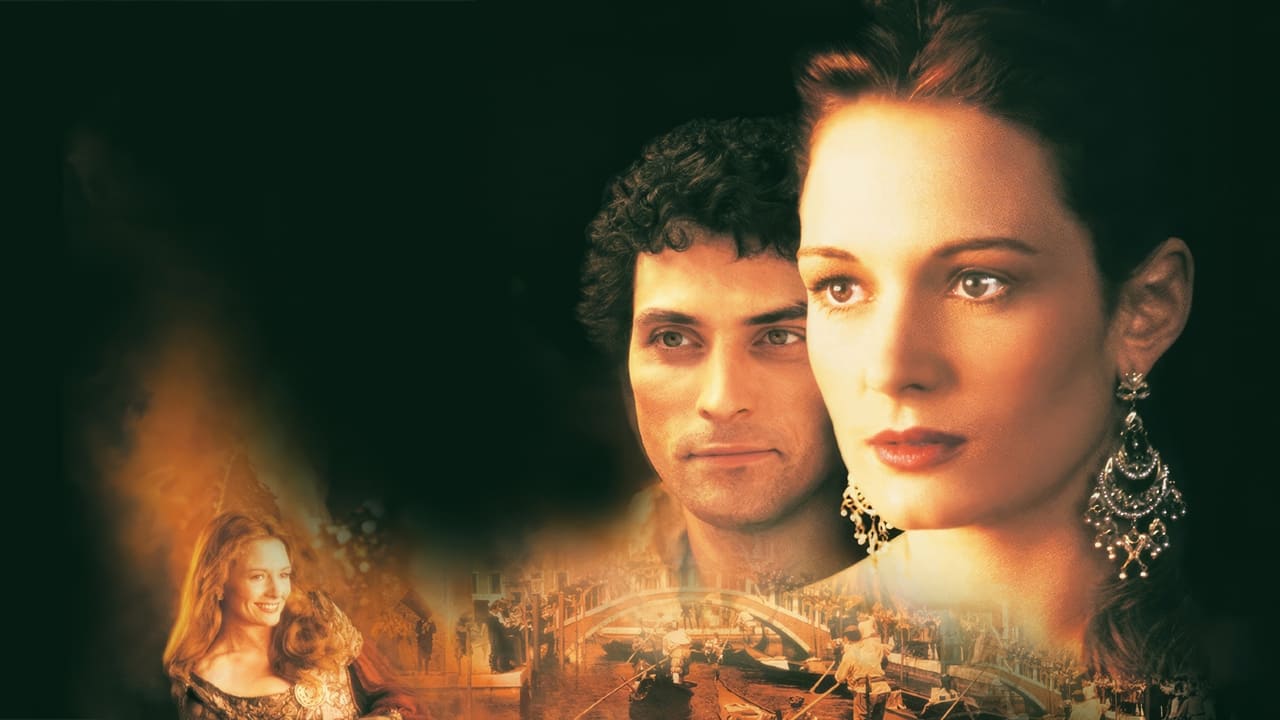
Right from the start, the film plunges us into the breathtaking, almost intoxicating beauty of Renaissance Venice. Director Marshall Herskovitz, perhaps drawing on his experience crafting intimate character studies for television like thirtysomething, doesn't just present Venice as a backdrop; he makes it a living, breathing entity. The canals gleam, the palazzos loom large, and the cinematography captures both the sun-drenched piazzas and the shadowy, intrigue-filled alleyways. You can almost smell the canal water and feel the damp chill mixing with the opulence. There's a tangible sense of place here, greatly enhanced by the decision to film extensively on location in Italy. Gabriella Pescucci’s costume design isn’t just window dressing; it’s narrative. The rich fabrics, the shifting silhouettes – they visually chart the journey of Veronica Franco, our protagonist, from idealistic young woman to celebrated courtesan. It’s a visual feast, one that likely felt both grand and perhaps slightly muted on our old CRT screens, hinting at a richness that demanded a bigger canvas.
The Power of Poetry and Presence
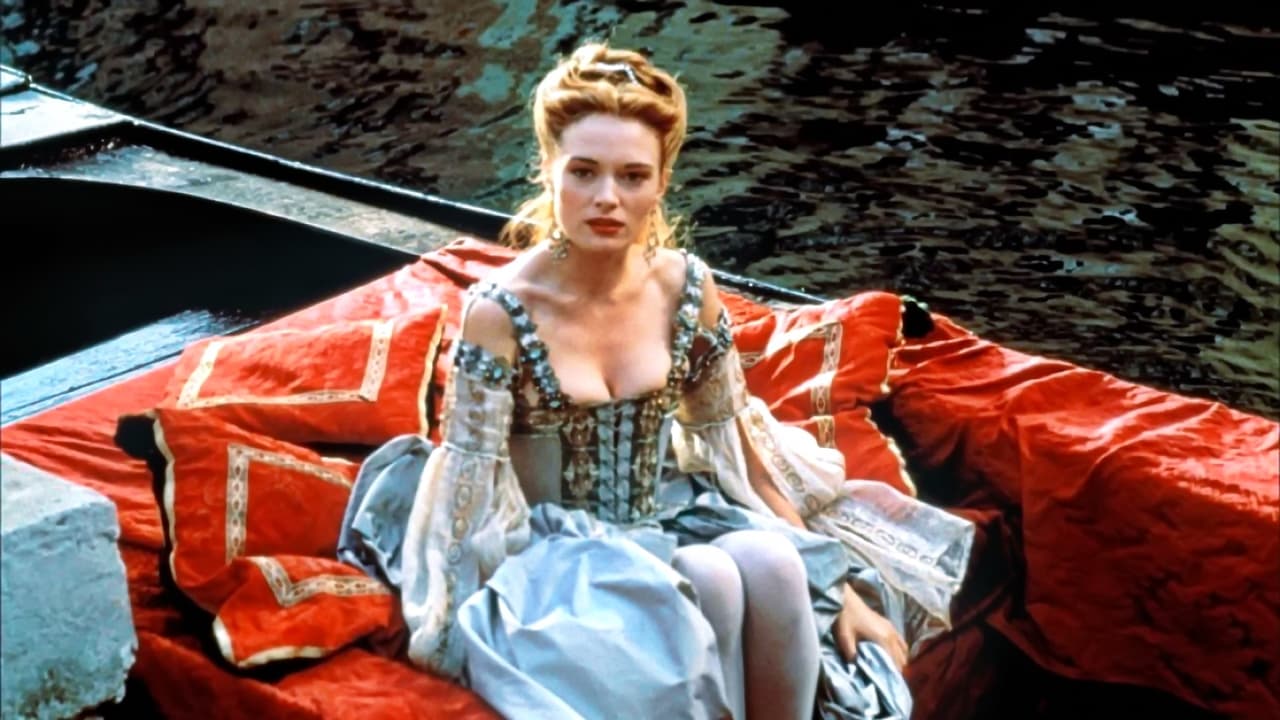
At the heart of Dangerous Beauty is Veronica Franco, brought to life with captivating intelligence and vulnerability by Catherine McCormack. Fresh off her memorable role in Braveheart (1995), McCormack embodies the film's central paradox. Veronica is denied marriage to her aristocratic love, Marco Venier (a suitably brooding Rufus Sewell), due to her lack of dowry and status. Guided by her pragmatic mother (played with sharp wisdom by Jacqueline Bisset), herself a former courtesan, Veronica chooses an alternative path: becoming a courtesan, a woman educated, admired, and desired, wielding influence in circles typically closed to women.
McCormack’s performance is key. She navigates Veronica’s transformation with grace, showing us the initial reluctance, the blossoming confidence as she masters poetry and rhetoric, and the sharp intellect that allows her to hold her own amongst Venice’s powerful men. It’s not just about allure; it's about wit. Remember that scene where she publicly out-rhymes the puffed-up Maffio Venier, played with delightful comedic spite by the ever-reliable Oliver Platt? It’s a moment that crackles with defiance, showcasing how words become her sharpest weapon. McCormack makes us believe in Veronica's journey, the calculated risks she takes, and the emotional toll it exacts. Doesn't her struggle to reconcile her heart's desires with the demands of her profession feel achingly real?
Love, Lies, and Lipstick
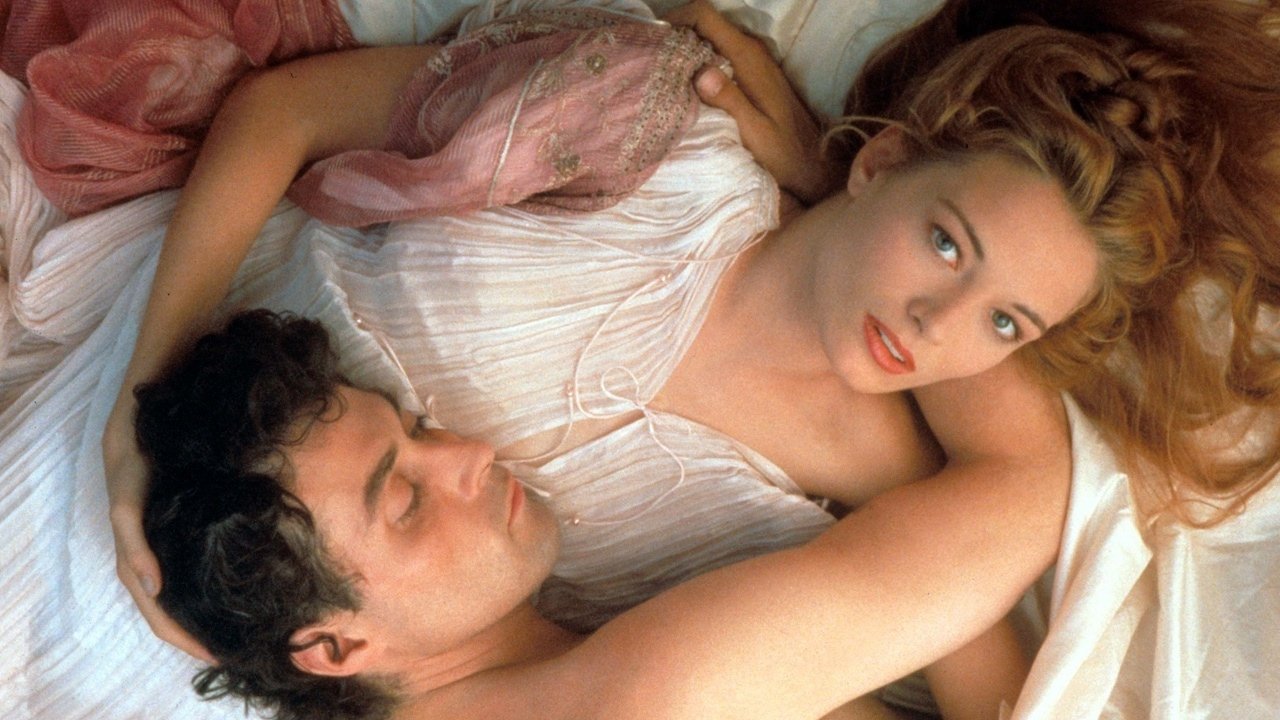
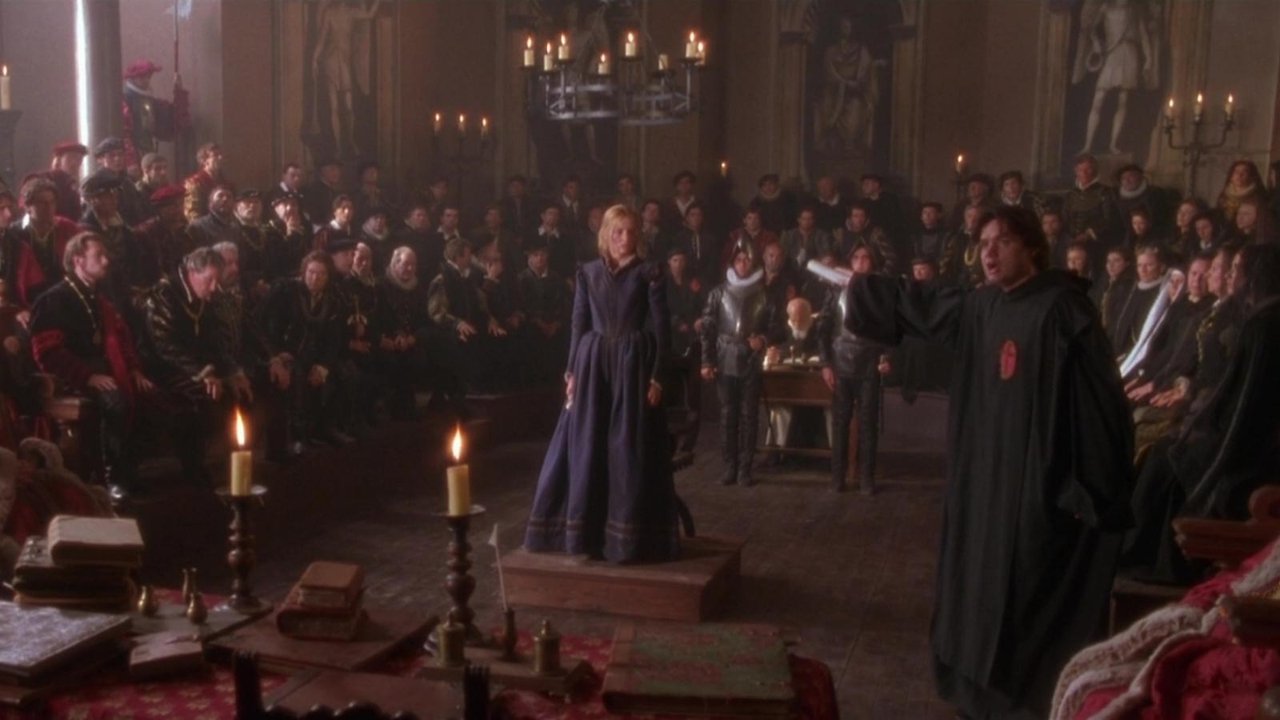
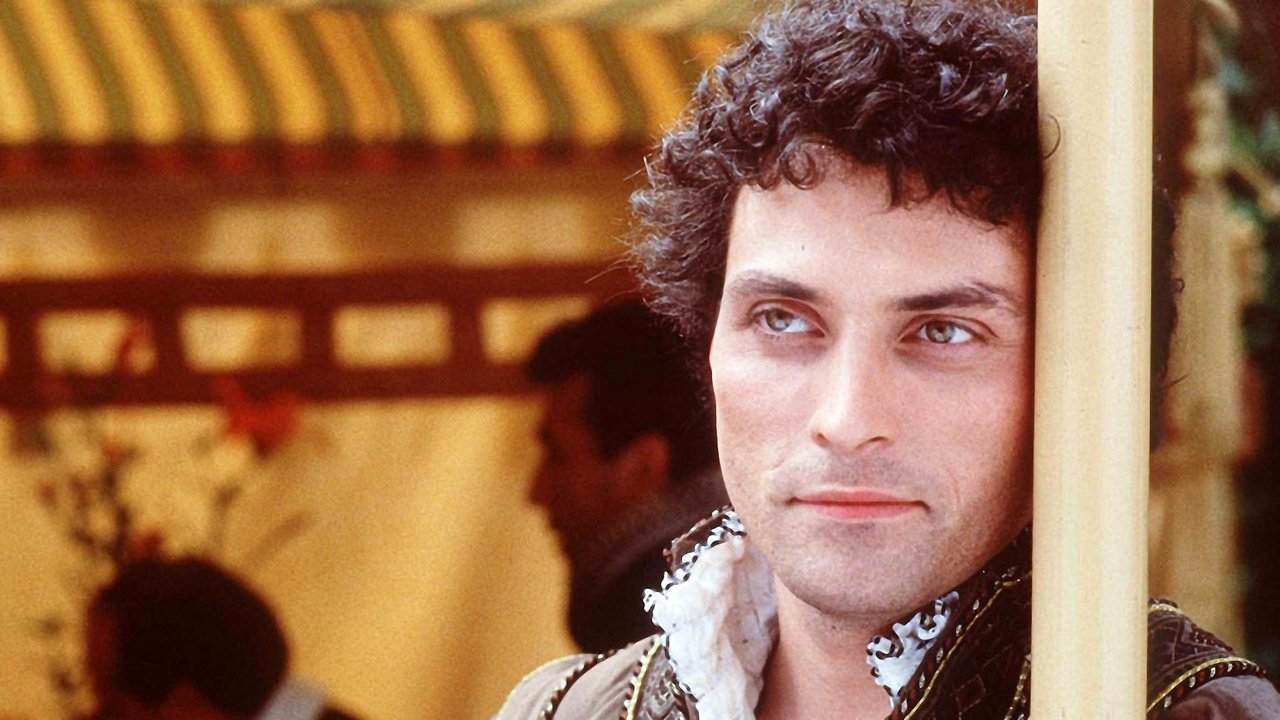
The romance between Veronica and Marco forms the emotional core, a turbulent affair constantly thwarted by social convention and Marco's own conflicted sense of duty and jealousy. Rufus Sewell, who graced another stylish late-90s film, Dark City (1998), portrays Marco's anguish effectively. Their chemistry is palpable, making their stolen moments feel precious and their inevitable conflicts painful. Yet, the film wisely avoids portraying Veronica solely through the lens of this romance. Her relationships with other patrons, her intellectual sparring, her eventual stand against the Inquisition – these are equally crucial facets of her story.
It’s fascinating how the film balances its romantic sweep with a clear-eyed look at the hypocrisy and danger inherent in Veronica's world. The power she wields is conditional, easily threatened by shifting political tides, religious fervor, or the wounded pride of men like Maffio. It’s a tightrope walk, and the film doesn't shy away from the precariousness of her position.
From Honest Courtesan to Dangerous Beauty
Here’s a bit of trivia that feels particularly relevant: the film was initially titled The Honest Courtesan, based directly on Margaret Rosenthal’s historical study of the real Veronica Franco. The change to Dangerous Beauty for its theatrical release speaks volumes about late-90s marketing, doesn't it? It suggests a need to perhaps sex up the title, making it sound more like a thrilling romance than a nuanced historical drama. And indeed, the film does lean into the romance and visual splendour, sometimes smoothing the rougher historical edges.
Despite its beauty and strong cast, Dangerous Beauty wasn't a box office smash, pulling in only around $4.5 million domestically against a modest budget (estimated around $15-20 million). Like so many films of its era, it found its true audience later, on VHS and cable. I distinctly remember renting this one, drawn by the cover art and the promise of something different. It became one of those pleasant surprises, a film richer and more thoughtful than its slightly generic title might have suggested. Perhaps its quieter success on home video allowed it to connect more deeply with viewers who could appreciate its blend of history, romance, and female empowerment at their own pace. Director Marshall Herskovitz brought a sensitivity to the material, ensuring that even amidst the grandeur, the human story remained central.
A Lingering Impression
Does Dangerous Beauty perfectly capture the complexities of 16th-century Venetian society or the life of the real Veronica Franco? Probably not entirely. It takes liberties, simplifies certain aspects, and leans heavily into the romantic narrative. Yet, it does so with style, conviction, and a standout central performance. It presents a compelling portrait of a woman who refused to be merely decorative, using the limited tools available to her to carve out a space for her voice and intellect.
It’s a film that stays with you, not just for its visual beauty, but for the questions it raises about power, agency, and the often-contradictory ways society values women. It captures that specific late-90s flavour of historical drama – earnest, visually rich, and emotionally accessible.
Rating: 7.5/10
This score reflects a film that overcomes its occasional romantic gloss with compelling performances, particularly from Catherine McCormack, stunning visuals, and a genuinely engaging story rooted in a fascinating historical figure. While it might not be a gritty historical documentary, its exploration of female resilience and intelligence within oppressive structures gives it substance. The modest box office but subsequent life on video cement its status as a true 'VHS Heaven' discovery for many – a beautiful, thoughtful film that deserved more attention than it initially received.
It leaves you pondering the nature of power and the courage it takes to define oneself against the grain, even centuries ago. What price beauty, indeed, when wielded with such dangerous intelligence?