"One, two, Freddy's coming for you..." But this time, he wasn't just coming for the characters in the movie. He was coming for the people making the movie. That unsettling nursery rhyme echoes differently in Wes Craven's audacious 1994 return to his most famous creation, Wes Craven's New Nightmare. Forget the increasingly cartoonish sequels; this wasn't just another trip down Elm Street. This felt like the beast itself had finally broken the cage, blurring the sticky, flickering lines between the movie screen and our own reality. It was a film that arrived on video store shelves feeling less like a sequel and more like a chilling meta-confession.

Breaking the Fourth Wall, Unleashing the Demon
The genius, and the inherent creepiness, of New Nightmare lies in its premise. Wes Craven, playing himself, pitches the idea to Heather Langenkamp, also playing herself, the star of the original A Nightmare on Elm Street (1984). He explains that the stories we tell contain ancient evils, and by ending the Elm Street film series, they've inadvertently set the Freddy entity free into the real world. It needs to be contained within a new story – this very film. It's a concept so layered it risks collapsing under its own weight, but Craven navigates it with unnerving precision. Remember watching this on a slightly fuzzy CRT, the static perhaps feeling a little too coincidental? That meta-anxiety was potent, suggesting the membrane between our world and the screen was thinner than we liked to admit. This concept reportedly stemmed partly from Craven's own unsettling experiences with obsessed fans and even stalkers after the original film's success, lending a disturbing autobiographical edge to the terror.
Freddy Reborn, Darker and Meaner
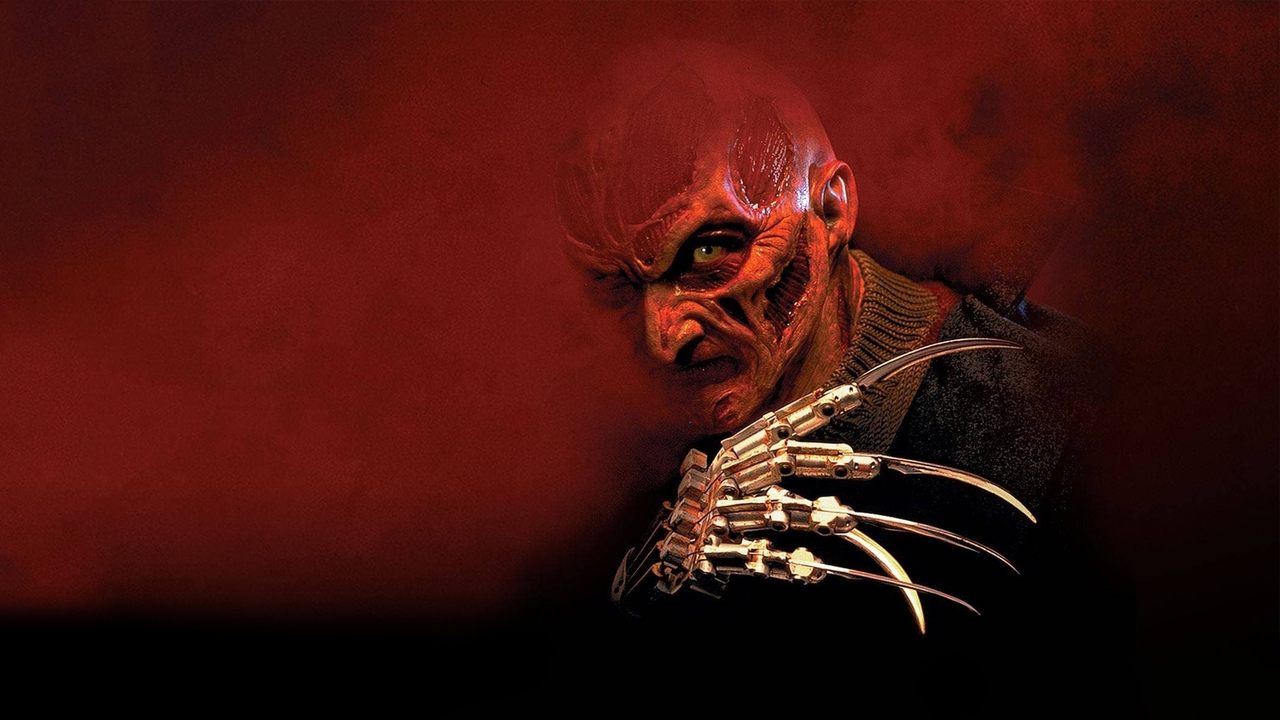
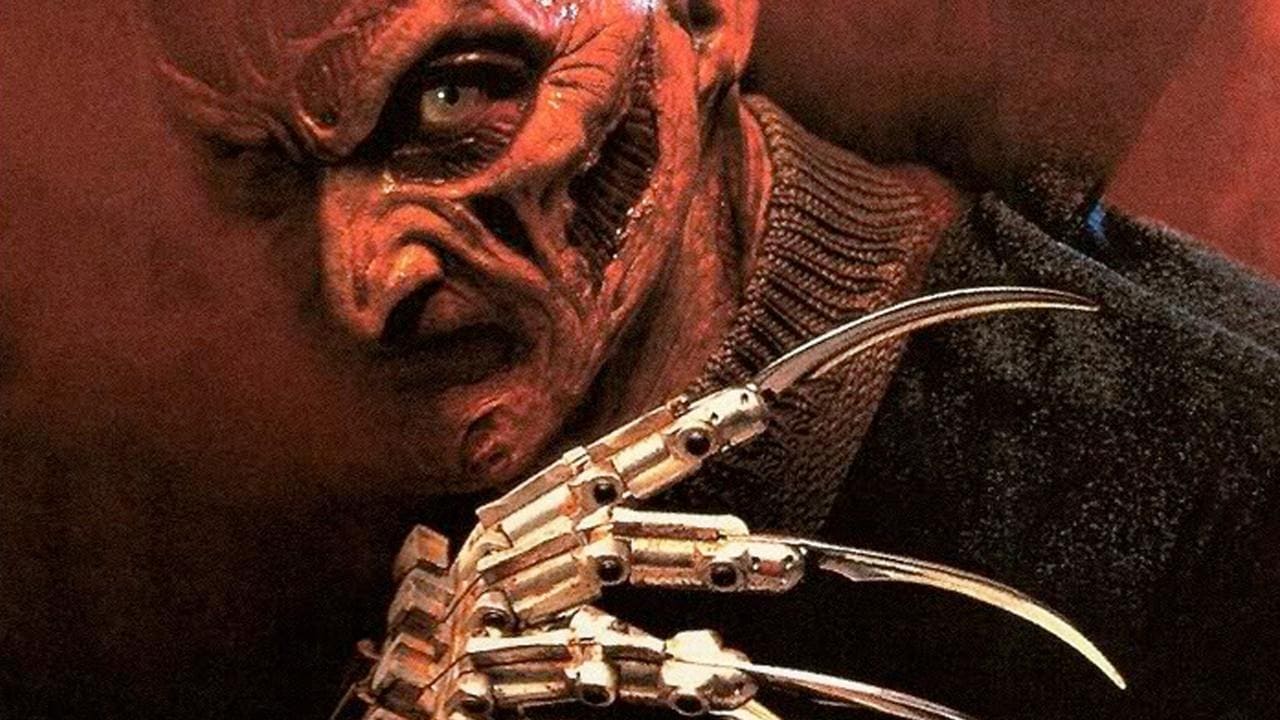
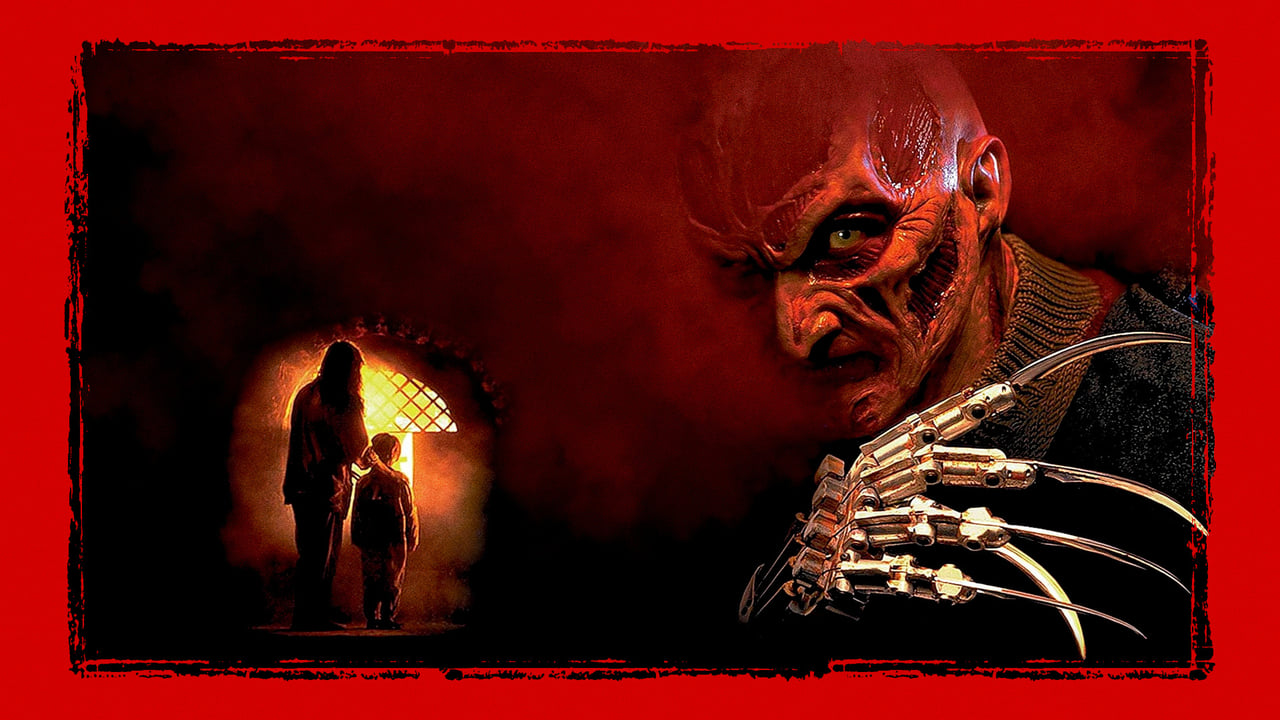
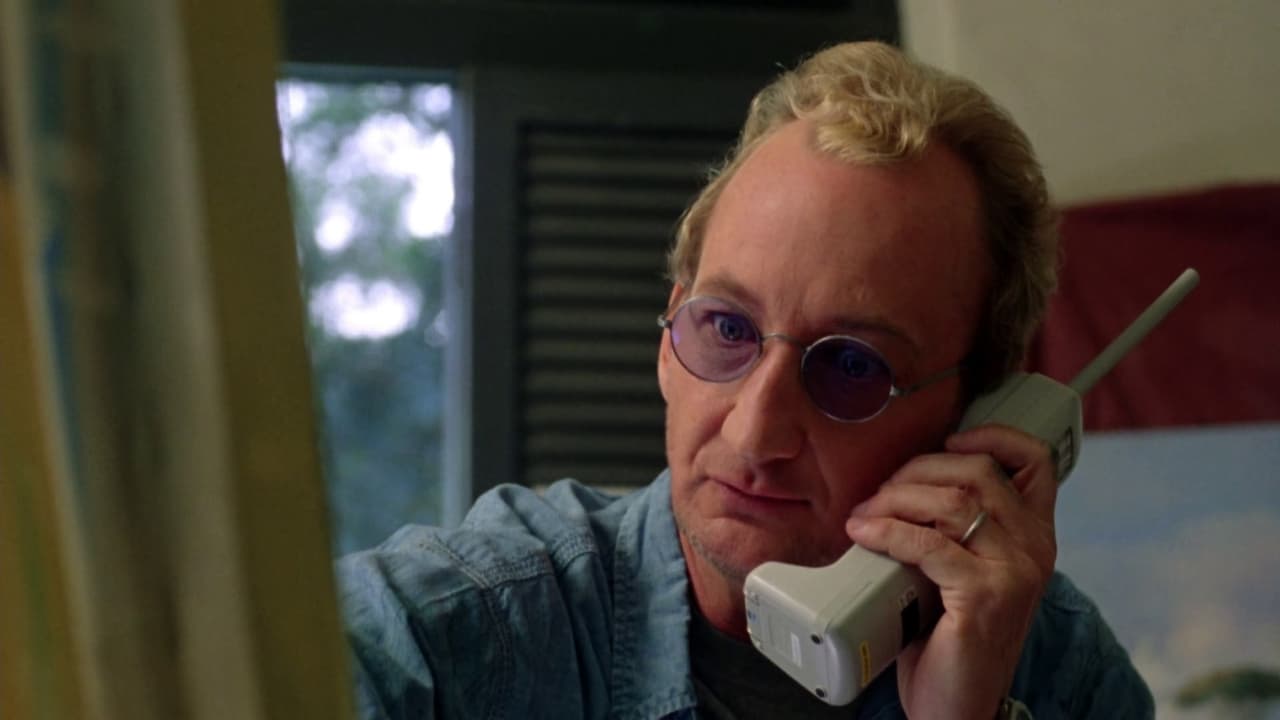
Forget the quipping prankster Freddy had become. The entity stalking Heather and her young son, Dylan (Miko Hughes, delivering a performance far more intense than expected from a child actor), is something more primal. Robert Englund, stepping back into the makeup but also appearing as his charming self, embodies this shift. The new Freddy, designed by Craven himself, is taller, clad in a dark trench coat, with a more organic, five-bladed glove fused to his hand. It’s a genuinely menacing redesign, stripping away the camp to reveal the nightmare underneath. The practical effects, while perhaps showing their age slightly now, felt terrifyingly visceral back then. That demonic tongue sequence? Pure unsettling body horror that stuck with you long after the tape rewound. Englund himself found this darker interpretation fascinating, a chance to portray the "essence" of Freddy rather than the pop-culture icon.
Echoes of Reality
Craven masterfully weaves real-world anxieties into the narrative. The film incorporates the very real 1994 Northridge earthquake into its plot, using the disaster footage and thematic resonance of a shaken reality to amplify the sense of ontological dread. It's a grounding technique that makes the fantastical elements hit harder. Heather's struggle as a mother trying to protect her son from an encroaching darkness feels painfully real, giving the film an emotional core lacking in many of the later sequels. Heather Langenkamp’s performance is key here; playing a version of herself dealing with stalker-like calls and the psychological fallout of starring in horror films adds a layer of vulnerability and authenticity that anchors the wild premise. Apparently, Langenkamp was initially hesitant about blurring the lines between her real life and the film, which ironically only adds to the effectiveness of her portrayal on screen.
A Precursor to a Scream
While New Nightmare wasn't the massive box office hit of some earlier entries (grossing just under $20 million worldwide against its $8 million budget), its intelligence and innovation were undeniable. It felt like Wes Craven clearing his throat, purging the silliness the franchise had descended into and reclaiming the psychological horror roots. In hindsight, it's easy to see New Nightmare as the direct precursor to Craven's Scream (1996). Both films dissect the horror genre from within, playing with audience expectations and the relationship between fiction and reality. But where Scream leaned into witty satire, New Nightmare maintains a pervasive sense of dread. It asks a terrifying question: what if the monsters we create become real?
The Verdict
Wes Craven's New Nightmare remains a standout horror film of the 90s, a bold and intelligent revitalization of a flagging franchise. It dared to be different, embracing a meta-narrative that was risky but ultimately paid off, delivering genuine scares alongside thought-provoking ideas about storytelling and fear. The redesigned Freddy is truly menacing, the atmosphere is thick with dread, and Heather Langenkamp provides the crucial emotional anchor. It might have been slightly ahead of its curve for mainstream audiences back in '94, but its reputation as a clever, chilling entry has rightly grown over the years. It’s a film that reminds you why Freddy Krueger became an icon in the first place – not just for the kills, but for the terrifying power of nightmares made manifest.
Rating: 8.5/10
This score reflects the film's intelligent script, Craven's confident return to form, the genuinely unsettling atmosphere, Langenkamp's strong central performance, and the effective meta-commentary. It successfully rebooted Freddy's menace and paved the way for future genre deconstruction, even if it wasn't a runaway financial success. Watching it again on grainy VHS (or, okay, maybe a modern format) still conjures that specific thrill – the fear that maybe, just maybe, Freddy could climb out of the screen. Doesn't that still feel unnervingly plausible, even now?