The new millennium dawned, and with it came a chilling whisper on the wind, a film that felt like a final, cold gasp of 90s dread before the cinematic landscape shifted entirely. Final Destination (2000) wasn't just another teen horror flick riding the coattails of Scream. It tapped into a primal fear far older and more insidious: the terrifying notion that you can’t cheat fate, especially when fate is personified not by a man in a mask, but by the very fabric of reality rearranging itself to reclaim you. There's no negotiating, no hiding. There's only the waiting, and the watching, as the world conspires against you.
### The Shadow of Flight 180
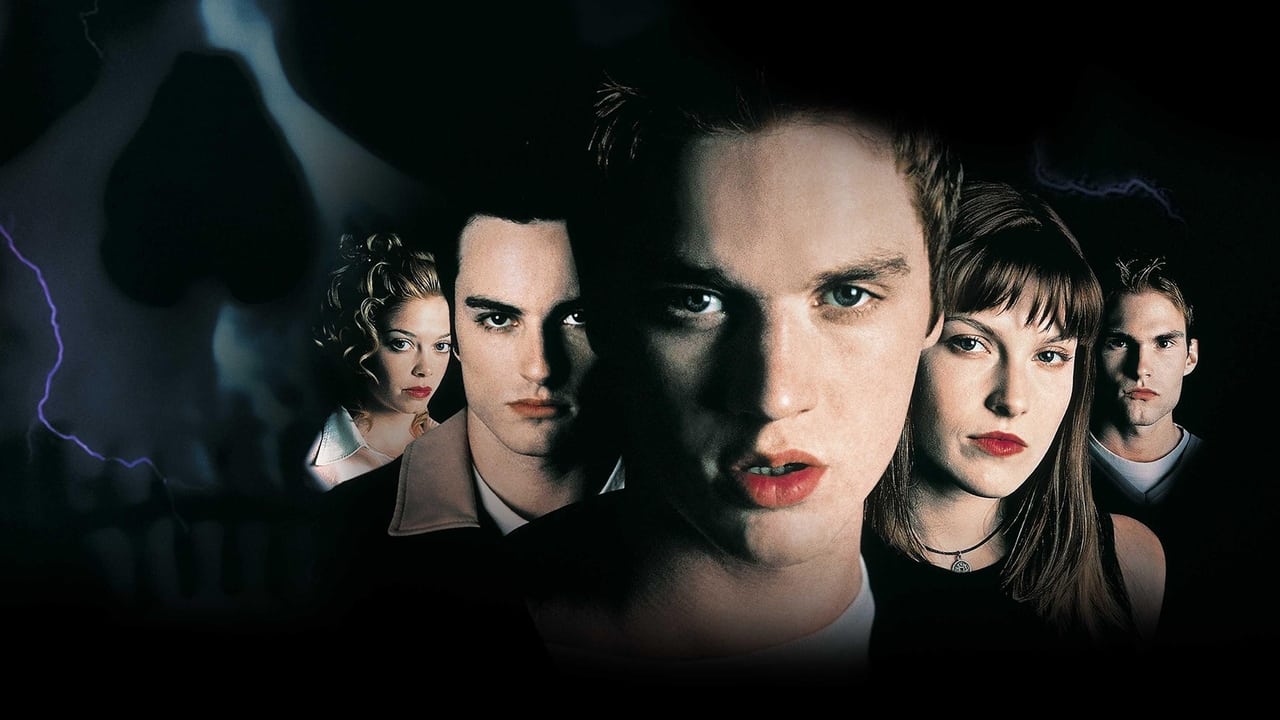
The setup is deceptively simple, yet instantly gripping. Alex Browning (Devon Sawa, capturing teenage anxiety with palpable intensity) has a horrifyingly vivid premonition of his Paris-bound flight exploding moments after takeoff. His panic causes a commotion, getting him and a handful of classmates kicked off the plane. They watch in stunned disbelief from the terminal as Flight 180 erupts in a fireball, just as Alex foresaw. Relief quickly curdles into a creeping terror. They survived, yes, but were they meant to? The brilliance of the concept, dreamt up by Jeffrey Reddick initially as a potential episode for The X-Files (a show whose DNA of paranoia and the unexplained feels woven into this film’s fabric, thanks also to director James Wong and co-writer Glen Morgan, both X-Files alumni), is that Death isn’t a corporeal entity here. It's an invisible, malevolent force, meticulously correcting the anomaly of their survival through a series of elaborate, seemingly accidental, and utterly gruesome Rube Goldberg-esque sequences.
### Death's Design
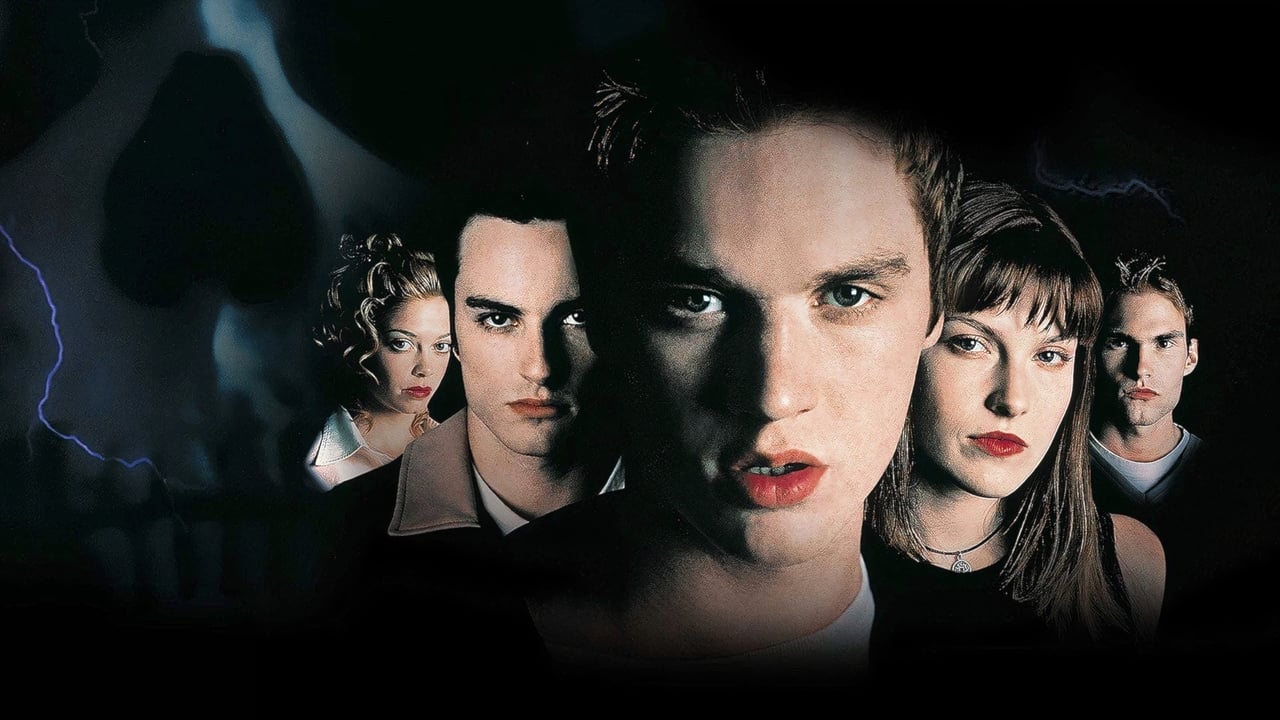
This is where Final Destination truly distinguishes itself. The tension doesn’t come from jump scares (though there are a few), but from the agonizing build-up. The camera lingers on seemingly innocuous details – a dripping faucet, a loose screw, a frayed wire, a precariously balanced object. We, the audience, become hyper-aware, scanning the frame just like the characters, trying to decipher Death’s intricate blueprint before it unfolds. Remember watching Tod’s (Chad Donella) bathroom scene for the first time? The slow leak, the clothesline, the sheer inevitability of it all – it was masterful suspense, turning mundane household items into instruments of doom. It’s a specific kind of dread, less about shock and more about the horrifying certainty of the outcome, even if the method remains a surprise until the final, grisly moment. The film tapped into that feeling we sometimes get – that sense of near-misses, of coincidences aligning just wrong – and amplified it into terrifying certainty.
The production reportedly wrestled with getting these elaborate sequences just right, balancing practical effects with the burgeoning CGI of the era. While some effects might look a touch dated now through modern eyes, back on a CRT screen via a worn VHS tape, they felt visceral and disturbingly plausible. The bus scene, Clear Rivers' (Ali Larter, bringing a tough vulnerability to the role) encounter with the power lines – these moments were playground and video store chatter for weeks. They weren’t just deaths; they were morbidly creative puzzles solved with lethal precision. Did that bus impact genuinely make you jump back then? It certainly felt like it hit with the force of destiny itself.
### More Than Just Teen Screams


While populated by familiar high school archetypes – the jock (Kerr Smith as Carter), the sensitive lead, the goth girl (Amanda Detmer as Terry) – the film manages to elevate itself beyond typical slasher fare thanks to its high-concept premise and James Wong’s slick direction. He keeps the pace tight and the atmosphere consistently ominous, aided by Shirley Walker's unsettling score, which often subtly foreshadows the impending danger. The film’s original ending was reportedly even darker, testing poorly with audiences before being reshot for the slightly more (but still bleak) theatrical version. It’s a fascinating glimpse into how audience expectations could shape even a film built on inevitability.
Interestingly, the film’s premise, particularly the Flight 180 disaster, drew uncomfortable comparisons from some viewers to the real-life TWA Flight 800 tragedy in 1996. While Reddick and the filmmakers have stated the idea predated the tragedy and was inspired by a different story about someone avoiding a flight that crashed, the resonance added an unintentional layer of grimness upon its release. It’s a stark reminder of how fiction can sometimes brush uncomfortably close to reality. Despite a modest $23 million budget, the film's chilling concept struck a chord, pulling in over $112 million worldwide and proving horror didn't always need a knife-wielding maniac to terrify.
### Lasting Dread
Final Destination arrived at the perfect moment, offering a fresh twist on horror just as the post-Scream boom was waning. It wasn't about who was coming for you, but what – an implacable force using the environment itself as its weapon. Its success spawned a durable franchise, each installment trying to recapture (with varying degrees of success) the morbid creativity of the original's death sequences. Yet, the first film retains a certain purity of concept, a raw dread that feels uniquely unsettling.
Rating: 8/10
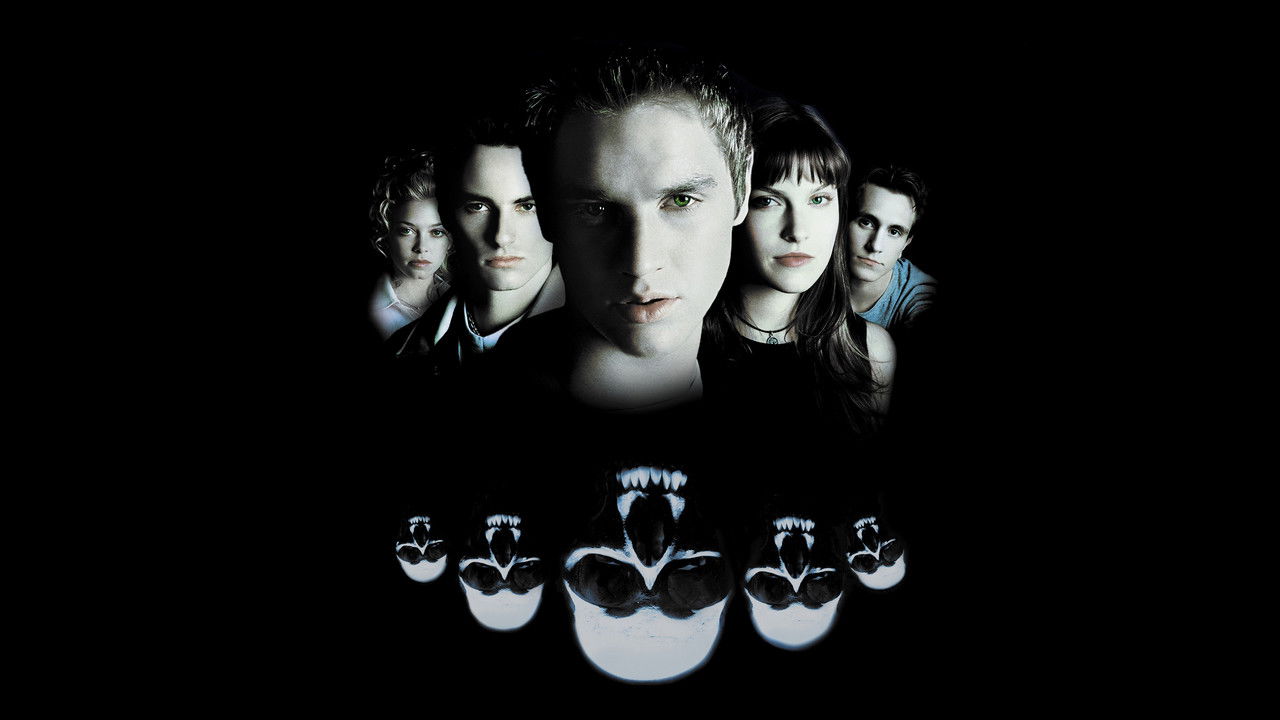
The score reflects the film's brilliant high-concept premise, the masterful execution of tension in its death sequences, and its significant impact on the horror genre at the turn of the millennium. While character depth isn't its strongest suit and some dialogue feels distinctly of its time, the core idea is so chillingly effective, and the execution so memorable, that it overcomes these minor flaws. It delivered a specific type of suspense – the horror of inevitability – that felt genuinely novel.
Final Destination remains a potent piece of early 2000s horror, a film that reminds you to look twice at that loose wire, that precarious stack of boxes, that slightly-too-full cup of coffee near the edge of the table. It’s a film that lingers, whispering that chilling question long after the credits roll: what if your time really is up, and there’s nowhere left to run? It definitely earned its place on the shelf at VHS Heaven.