It arrives like a half-remembered dream, or maybe a faded photograph glimpsed out of the corner of your eye. Steven Soderbergh’s The Limey (1999) isn’t a film you simply watch; it’s one you piece together, much like its protagonist, the flint-eyed Wilson, attempts to assemble the fractured narrative of his daughter's demise. Released at the tail end of a decade defined by ironic detachment and slick postmodernism, The Limey felt different – leaner, meaner, yet strangely poetic. It landed on video store shelves almost stealthily, a hidden gem waiting for those willing to look past the flashier mainstream fare.
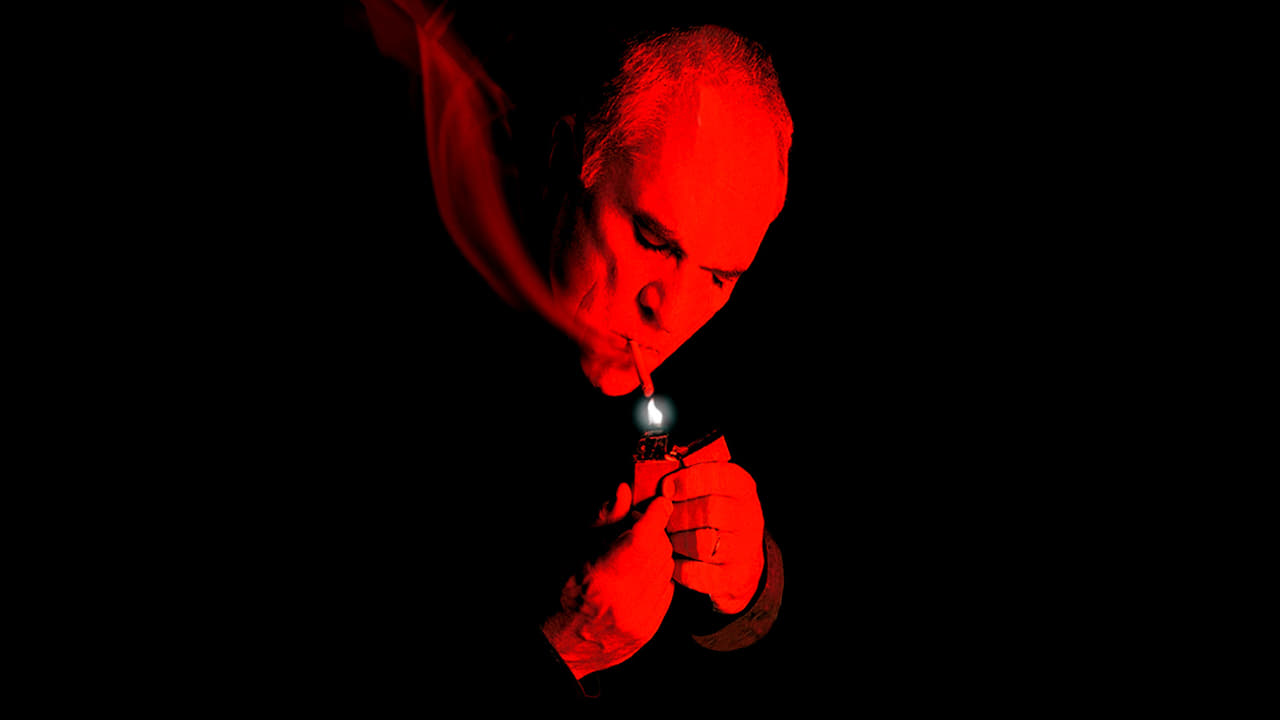
A Ghost in the California Sun
At its core, the plot is pulp simplicity: Wilson, a freshly released British career criminal played with iconic, minimalist intensity by Terence Stamp, flies to Los Angeles. He’s not there for the sunshine; he’s there to find out who was responsible for the death of his estranged daughter, Jenny. His target is Terry Valentine (Peter Fonda), a legendary music producer from the 60s, now living a life of insulated wealth and vague menace, and Jenny’s former lover. It sounds like a standard revenge flick, the kind that filled countless VHS tapes in the action aisle. But Soderbergh, working from a razor-sharp script by Lem Dobbs (who also penned Soderbergh's earlier, stranger Kafka), elevates it into something far more resonant.
The genius lies in the telling. Soderbergh employs a deliberately fragmented, non-linear editing style. Conversations repeat, snippets of dialogue echo across different scenes, and moments jump back and forth in time, mirroring the way memory itself works – associative, disjointed, looping back on moments of pain or significance. It's a technique that could feel gimmicky, but here it perfectly captures Wilson’s disorientation in the alien landscape of LA, his obsessive focus on his single goal, and the haunting echoes of the past that refuse to stay buried. It forces us, the viewers, into Wilson's head, trying to connect the dots alongside him. Remember how sometimes a rental tape would glitch or skip? Soderbergh weaponizes that feeling, turning potential frustration into narrative artistry.
Echoes of the Past, Embodied
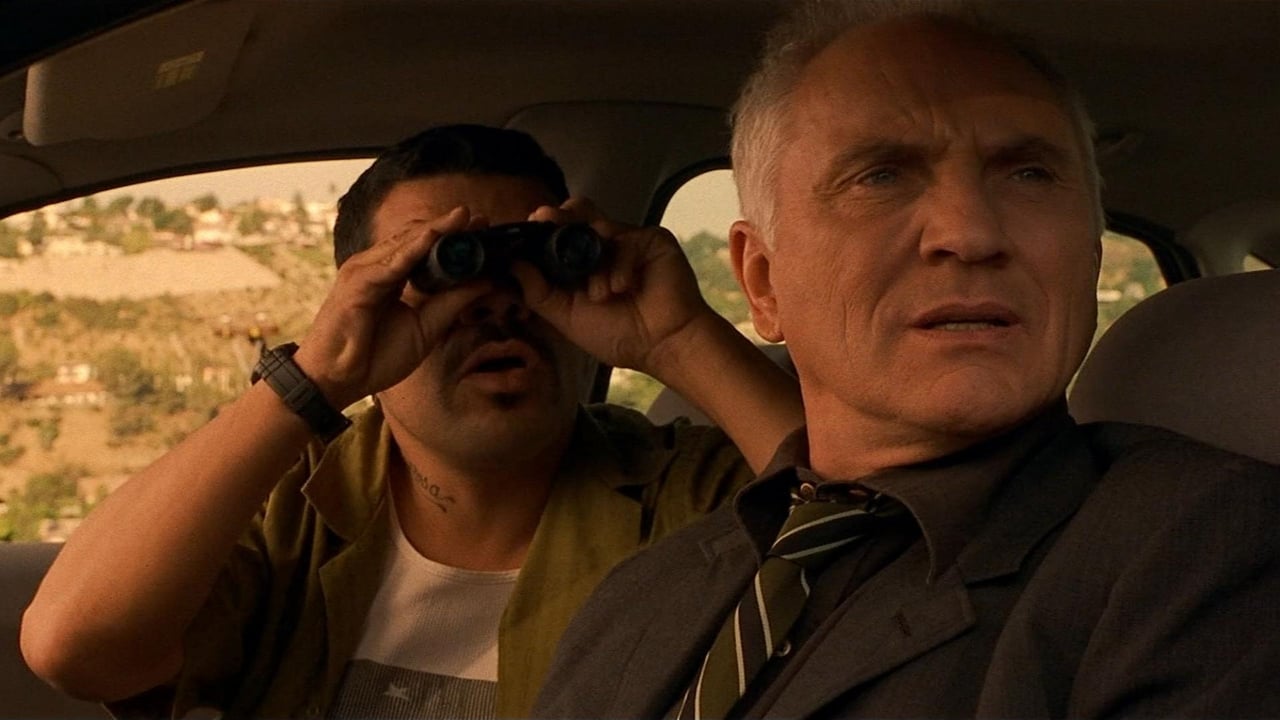
And then there’s Terence Stamp. It’s impossible to overstate how crucial his casting is. Wilson is a man of few words, his emotions simmering beneath a hardened, watchful exterior. Stamp conveys oceans of grief, anger, and regret with just a flicker of his piercing blue eyes or a subtle tightening of his jaw. He is the bulldog Brit abroad, utterly out of place amidst the palm trees and swimming pools, his Cockney slang cutting through the laid-back Californian drawl.
What elevates this performance into the realm of meta-cinematic brilliance is Soderbergh's inspired use of footage from Ken Loach's 1967 film Poor Cow, which starred a young, arrestingly beautiful Stamp. These brief, jarring flashes aren't just flashbacks; they are Wilson's memories, authentic fragments of Stamp's own cinematic past repurposed to represent the lost youth and potential of both Wilson and his daughter. Seeing that youthful face juxtaposed with the weathered, determined visage of the older Wilson adds an incredible layer of pathos. It’s a piece of trivia, yes, but one that profoundly deepens the film's themes of time, loss, and the ghosts we carry. It makes Wilson’s quest feel achingly real.
LA Confidential, Soderbergh Style
While Stamp is the magnetic center, the supporting cast provides essential texture. Lesley Ann Warren shines as Elaine, Jenny’s actress friend, bringing a weary warmth and providing Wilson with crucial exposition, while also hinting at her own complex history. And Luis Guzmán, as Eduardo Roel, Wilson’s unlikely guide and partner in cracking the case, offers moments of grounded humor and loyalty that prevent the film from becoming relentlessly grim. Their scenes together, two outsiders navigating the fringes of LA’s affluent indifference, are highlights. Even Peter Fonda, as the enigmatic Valentine, leans into his own counter-culture icon status, creating a character who feels like a faded echo of the 60s dream turned sour.
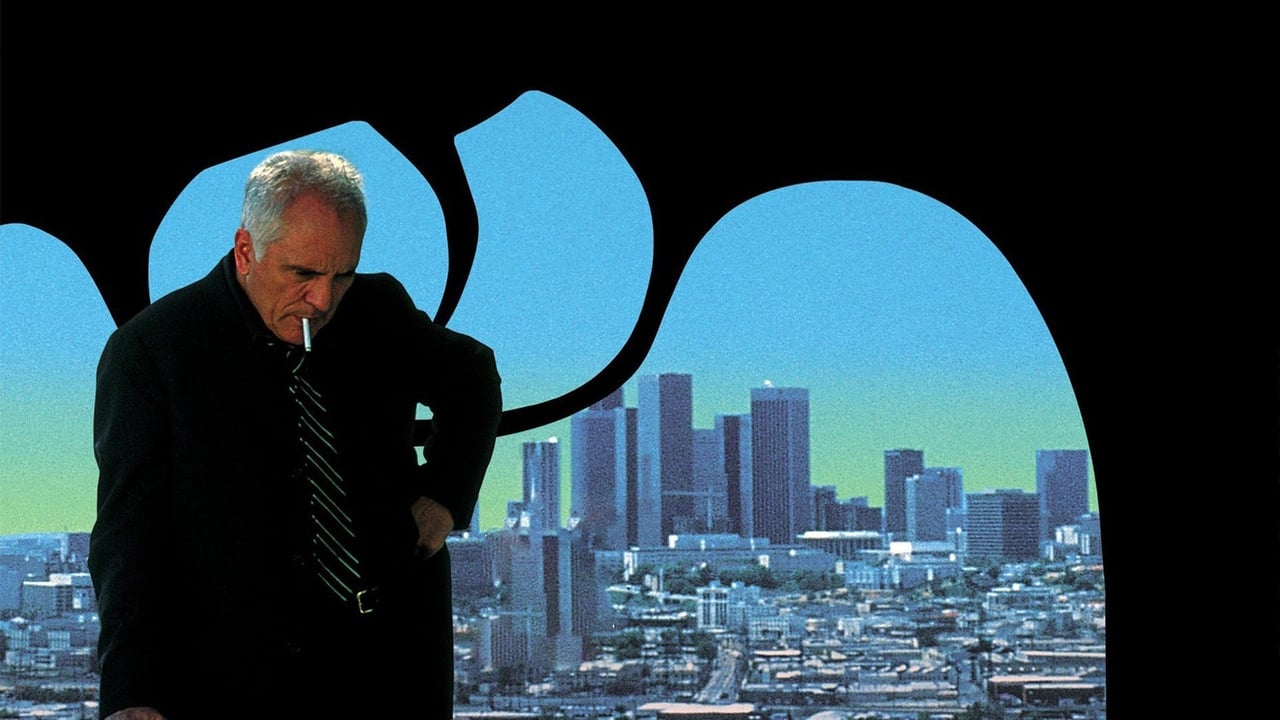
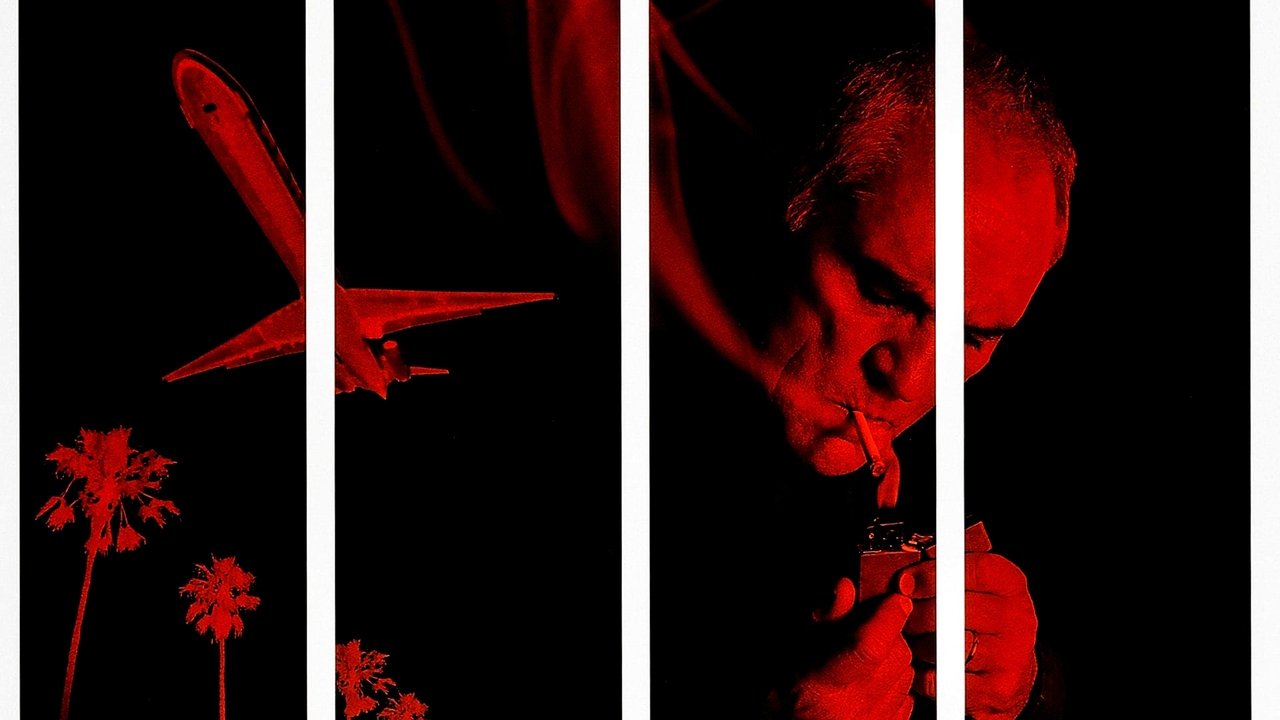
Soderbergh shot The Limey quickly and relatively cheaply (around $10 million, a modest sum even then), yet it boasts a distinct visual style. The sun-drenched LA locations are captured with a cool detachment, contrasting sharply with the heat of Wilson's internal fury. The violence, when it comes, is sudden, brutal, and unglamorous – fitting for a story rooted in the messy consequences of choices made long ago. It’s a far cry from the bombastic action extravaganzas of the era; this is crime as a grim, inevitable trajectory.
More Than Just Revenge
Does Wilson find what he’s looking for? The film offers answers, but perhaps not the catharsis one might expect from a typical revenge narrative. What lingers isn't the satisfaction of vengeance, but the profound sadness of irreversible loss and the chasm that time and distance can create between a father and daughter. What does revenge truly accomplish when the damage is already done? The film leaves you pondering that question long after the credits roll, its fragmented structure echoing the incomplete nature of grief itself.
It might not have been a box office smash ($3.2 million gross suggests it flew under many radars), but The Limey found its audience on home video, becoming a cult favorite among those who appreciated its intelligence, style, and powerful central performance. It stands as a key work in Steven Soderbergh's incredibly varied filmography, showcasing his willingness to experiment with form while still delivering compelling substance.

Rating: 9/10
This score reflects the film's masterful execution of its unique stylistic approach, the powerhouse performance from Terence Stamp, and its thoughtful exploration of grief, memory, and the hollowness of revenge. The non-linear editing isn't just a flourish; it is the film's soul, perfectly married to the narrative and themes. It’s a lean, intelligent, and surprisingly moving piece of neo-noir that rewards patient viewing.
For those of us who haunted the video store aisles searching for something beyond the ordinary, The Limey was, and remains, a truly special find – a reminder that even the simplest stories can resonate deeply when told with artistry and conviction. It’s a film that gets under your skin and stays there, much like a persistent, fragmented memory.