The static crackle of the phone line becomes the soundtrack to a parent's worst nightmare. It’s a sound that burrows deep in Ransom (1996), echoing the cold dread that permeates this slick, often brutal thriller. This wasn't just another kidnapping flick spat out by the Hollywood machine; it felt different, sharper, fueled by a raw desperation that clung to the tape long after the VCR clicked off. What happens when the playbook gets thrown out, when primal instinct overrides negotiation? Ron Howard, stepping away from the warmer territories he often explored (Apollo 13 the year prior), crafts a pressure cooker here, tightening the screws with unnerving precision.

A Deal with the Devil, Rewritten
At its core, Ransom presents a terrifyingly simple premise: Tom Mullen (Mel Gibson), a self-made airline tycoon with perhaps a skeleton or two in his corporate closet, finds his world shattered when his young son Sean is abducted. The initial setup feels familiar – the frantic parents (Rene Russo brings a palpable anguish as Kate Mullen), the skilled FBI negotiator (Delroy Lindo, radiating calm authority), and the disembodied voice on the phone dictating terms. But it's the terrifying pivot, the moment Mullen stares into the abyss and decides to fight fire with fire, that elevates Ransom beyond the standard procedural. His televised declaration, turning the $2 million ransom into a bounty on the kidnappers' heads, dead or alive, is a staggering gamble. "This is not about money anymore," Mullen snarls, "This is about punishment." It's a twist that still feels audacious, snapping the tension wire taut. Remember feeling that shift? That sudden gasp of disbelief?
Gibson Unleashed, Sinise Unsettling
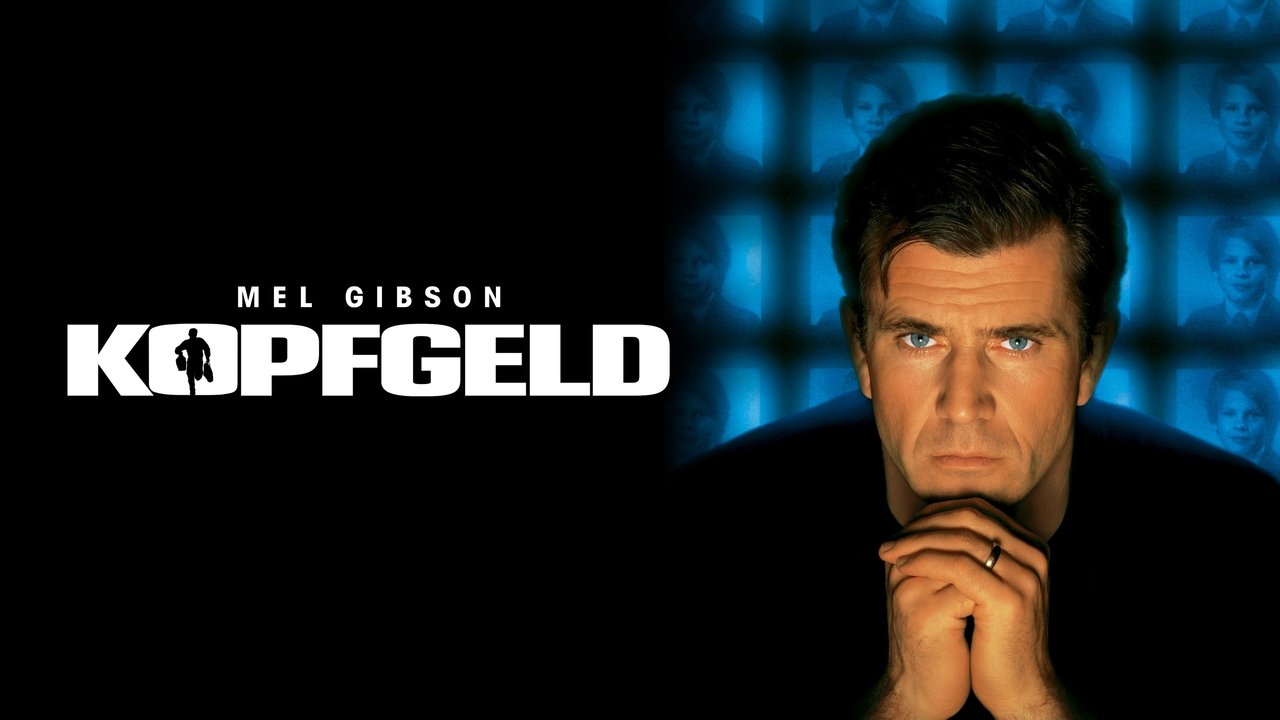
Mel Gibson, riding high on his 90s action-star and directorial peak (Braveheart had just won Best Picture), pours every ounce of frantic energy and righteous fury into Tom Mullen. It’s a performance teetering on the edge of control, oscillating between calculated strategy and pure, animalistic rage. His iconic bellow – "GIVE ME BACK MY SON!" – wasn't just a line reading; it felt ripped from the gut, a raw primal scream that became instantly quotable and defined the film's marketing. Gibson reportedly channeled immense personal feeling into the role, understanding the protective fury of a parent, which bleeds through the screen.
Opposite him, Gary Sinise delivers a masterclass in controlled menace as Detective Jimmy Shaker, the kidnapper mastermind hiding in plain sight. Fresh off his Oscar nomination for Forrest Gump (1994), Sinise crafted a villain utterly devoid of histrionics. Shaker is intelligent, meticulous, and chillingly calm, his blue-collar resentment simmering beneath a veneer of calculated professionalism. It’s the quiet confidence, the absolute certainty in his plan even as it unravels, that makes him so deeply unnerving. The scenes where Mullen and Shaker interact, unaware of the other's true role, crackle with unspoken hostility. Supporting players like Lili Taylor, as a conspirator caught in way over her head, add layers of desperation and fallibility to the criminal enterprise.
Behind the Polished Veneer
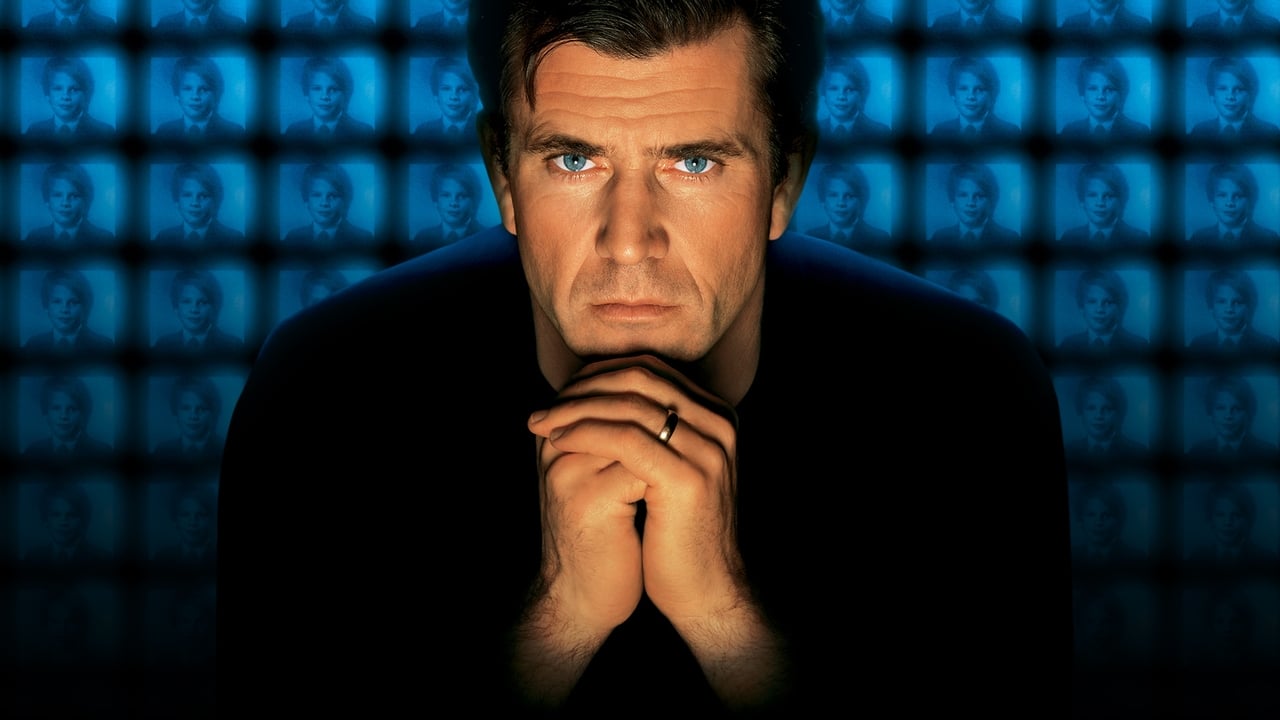
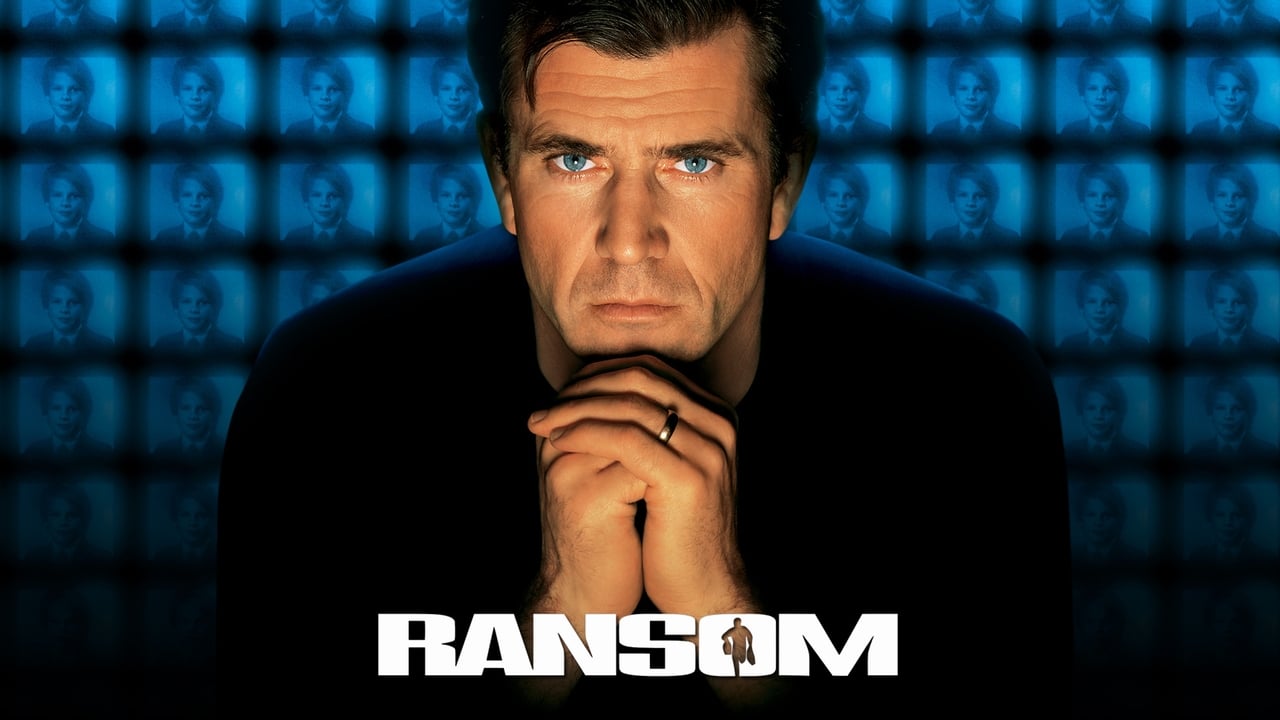
While Ransom feels like a quintessential slick 90s thriller, its DNA goes back further. It's actually a remake of a 1956 film of the same name (Ransom!), starring Glenn Ford. But Howard and writers Richard Price and Alexander Ignon significantly amped up the stakes and the psychological intensity for their version. This wasn't just a quick cash-in; the production reportedly wrestled with the film's dark core. There was considerable buzz around the original, much bleaker scripted ending, where Mullen's gamble had far more tragic consequences. Test audiences, however, reacted strongly, apparently craving a more cathartic, albeit still violent, resolution, leading to the ending we see today – a decision that arguably softened the film's edge but undoubtedly contributed to its significant box office success (grossing nearly $310 million worldwide against a hefty $70-80 million budget). It’s a fascinating glimpse into how audience expectation could reshape a film’s narrative trajectory back then. James Horner’s score, too, deserves mention – pulsing with anxiety one moment, soaring with fragile hope the next, perfectly underscoring the emotional rollercoaster.
The City as a Hunting Ground
Howard uses the backdrop of New York City effectively, not as a glamorous playground, but as a sprawling, indifferent maze where a child can vanish and predators can hide. The sterile luxury of the Mullens' penthouse contrasts sharply with the grimy streets and tense, claustrophobic locations where the kidnappers operate and the drop-offs go wrong. There's a cold, hard realism to the film's look, avoiding excessive stylization in favor of immediacy. The tension doesn't just come from the phone calls, but from the physical confrontations, the botched exchanges, and the feeling that violence could erupt at any moment. The film earned its R rating honestly, never shying away from the potential brutality of the situation.
Lasting Echoes of Desperation
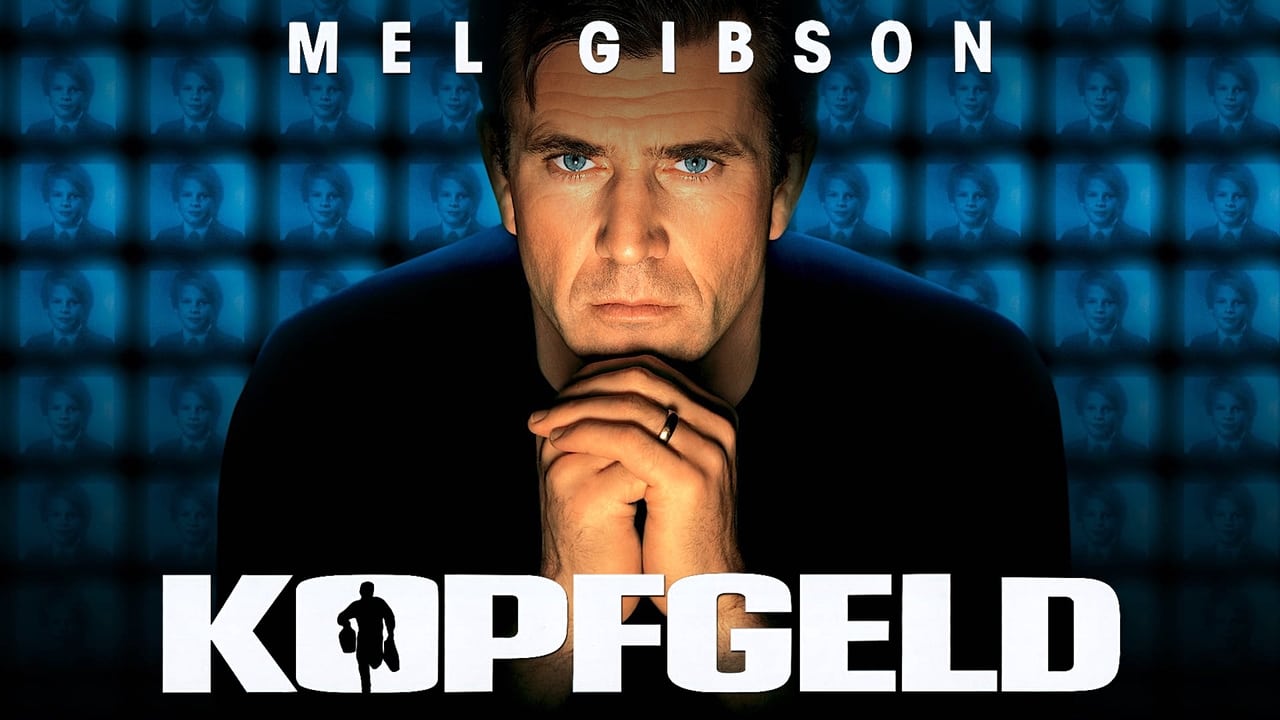
Ransom holds up remarkably well as a high-stakes thriller. Its central premise remains compelling, tapping into universal fears. Gibson's raw nerve performance and Sinise's chilling counterpoint are still potent, and Howard directs with a confident, steady hand that keeps the narrative tight and suspenseful. While perhaps the studio-mandated ending feels a touch too neat compared to the abyss the film forces its protagonist to confront, the journey there is relentlessly gripping. It’s a film that reminds you of that specific brand of polished, star-driven, yet genuinely tense R-rated thriller that the 90s did so well. It doesn't just entertain; it makes you grip the armrests, maybe even check that the doors are locked.
Rating: 8/10
This score reflects the film's powerhouse performances, particularly from Gibson and Sinise, Ron Howard's taut direction, and the sheer nerve of its central premise twist. It delivers exceptional tension and stands as a superior example of the 90s adult thriller, even if the revised ending slightly pulls back from the brink. It’s a high-gloss nightmare that still effectively gets under your skin, a testament to its potent blend of parental terror and high-stakes defiance.