## Primal Scream on Celluloid: Diving into Żuławski's "Szamanka"

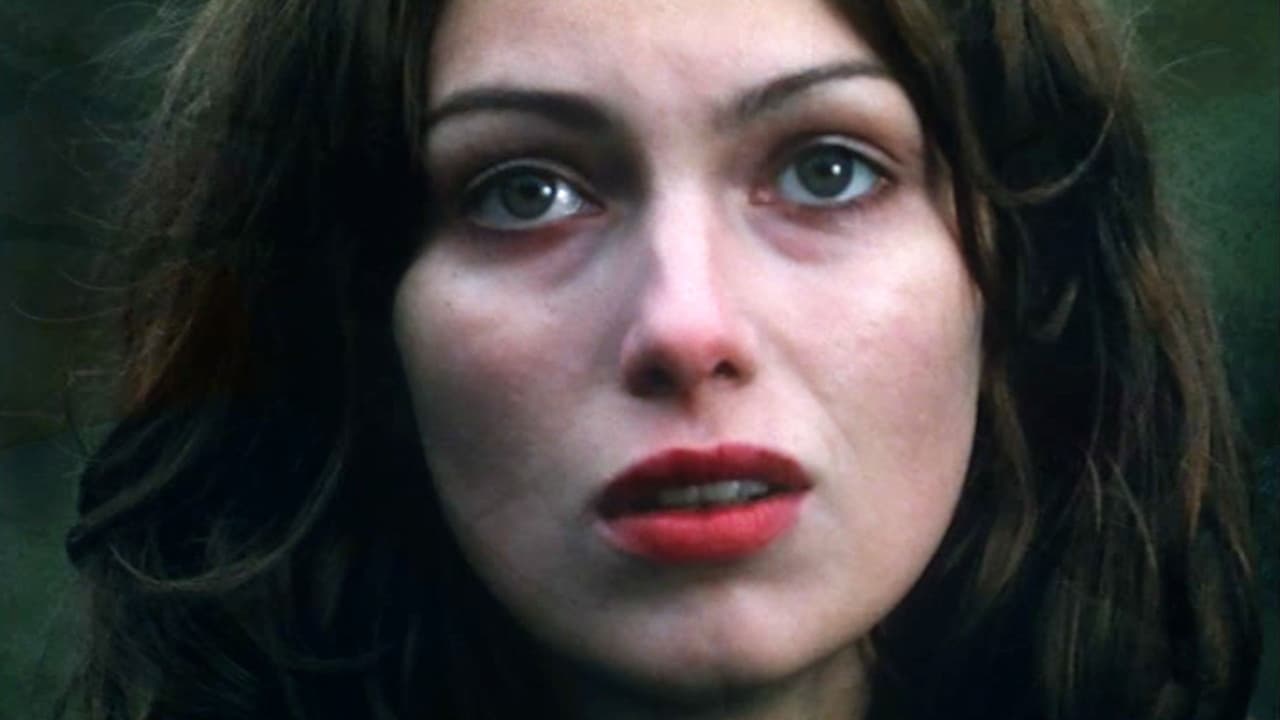
There are screen debuts, and then there is Iwona Petry in Szamanka (1996). Watching her performance as the enigmatic student known only as "Włoszka" (The Italian) feels less like observing acting and more like witnessing a primal force captured, somehow, on film. It’s a portrayal so ferociously uninhibited, so devoid of vanity or restraint, that it becomes the turbulent epicentre around which Andrzej Żuławski’s typically feverish narrative spirals. This wasn't a film you casually rented on a Friday night expecting light entertainment; finding Szamanka tucked away on a video store shelf often felt like uncovering something forbidden, pulsating with a dangerous energy even through the plastic clamshell case.
A Collision of Worlds
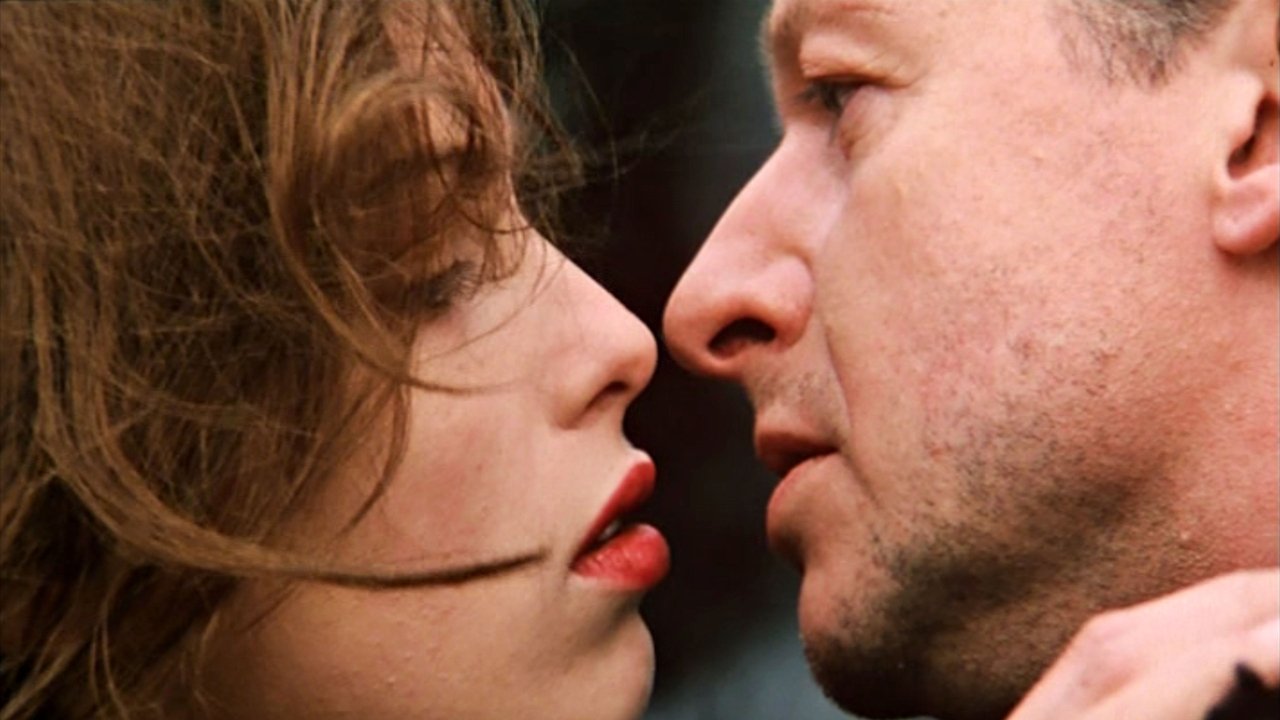
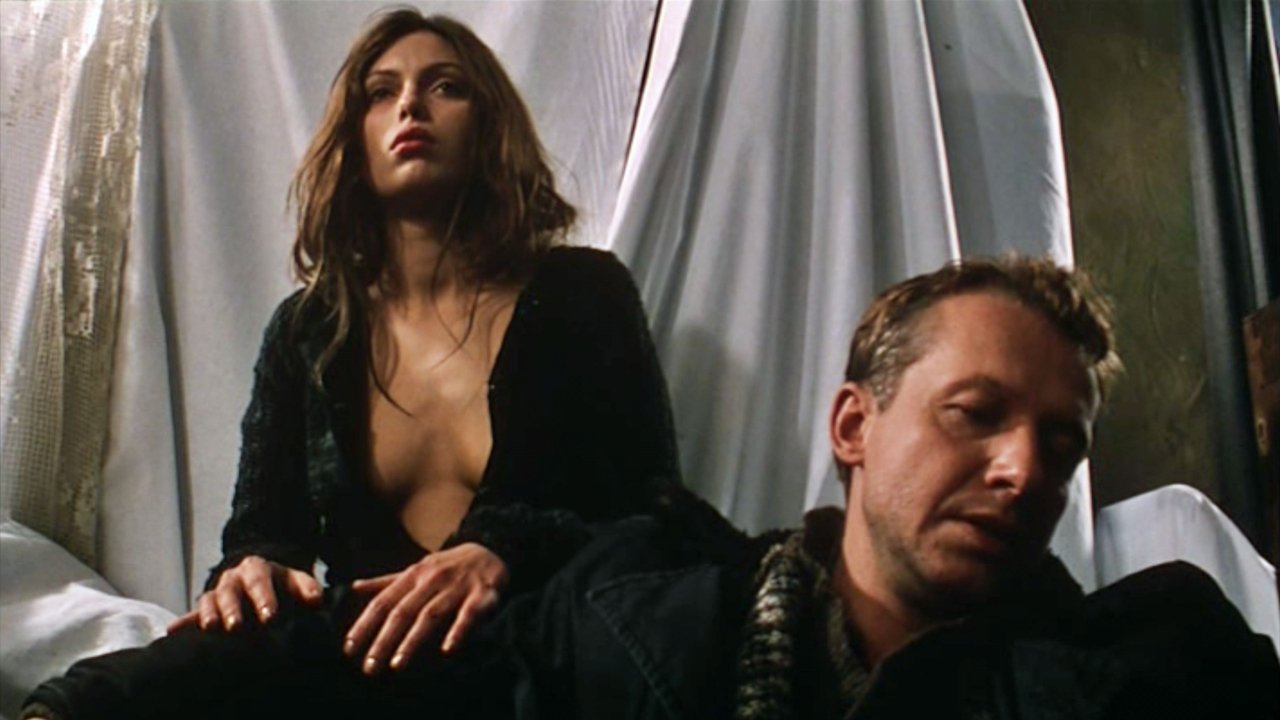
Set against the backdrop of a gritty, transitional Warsaw grappling with its post-communist identity, Szamanka throws two disparate souls together with explosive force. Włoszka, a wild, unpredictable force of nature studying anthropology seemingly on a whim, crashes into the life of Michał (Bogusław Linda), a respected, older professor fixated on his research into ancient shamanic rituals and the preserved body of a 3,000-year-old shaman discovered in a peat bog. What ignites between them isn't a romance in any conventional sense; it's a brutal, obsessive collision of intellect and instinct, spirit and flesh, tearing through societal norms and personal boundaries with terrifying abandon. Their connection feels almost prehistoric, bypassing rational thought entirely in favour of raw, consuming desire and, ultimately, shocking violence.
The Żuławski Frenzy
Anyone familiar with the work of Polish auteur Andrzej Żuławski, perhaps best known internationally for the equally intense Possession (1981), will recognize his signature style immediately. The camera rarely rests, mirroring the characters' frantic inner states. Emotions aren't just expressed; they're violently externalized through screams, frantic movements, and dialogues that feel ripped from the subconscious. Żuławski pushes his actors to extremes, demanding a level of exposure—physical and emotional—that few filmmakers would dare approach. In Szamanka, this approach finds its apotheosis in Petry.
It's a piece of behind-the-scenes lore almost as famous as the film itself that Iwona Petry was not a professional actress when Żuławski cast her. Discovered, as the story goes, in a Warsaw café, her complete lack of screen experience becomes a paradoxical asset. There's an absence of learned technique, replaced by a frighteningly direct connection to the character's chaotic energy. Is it raw talent, sheer nerve, or Żuławski's Svengali-like direction? Perhaps all three. Opposite her, Bogusław Linda, already a major star in Poland (known for films like Psy (1992)), provides a fascinating counterpoint. His Michał is ostensibly the intellectual, the man of reason, yet he’s inexorably drawn into Włoszka’s vortex, his composure shattering as he confronts forces far older and more powerful than his academic understanding can grasp.
More Than Just Shock?
Penned by controversial feminist writer Manuela Gretkowska, the script delves into themes that resonate with Żuławski's career-long obsessions: the battle between primal urges and civilized constraints, the search for meaning in a seemingly godless world, the terrifying power dynamics inherent in intense relationships, and the potential for transcendence through transgression. The shaman discovered by Michał serves as a potent symbol – a figure bridging worlds, whose ancient power seems to find a disturbing echo in Włoszka herself. Is she a modern-day shaman, a destructive force, or simply profoundly damaged? The film offers no easy answers, forcing the viewer into uncomfortable contemplation.
Unsurprisingly, Szamanka courted enormous controversy upon its release in Poland. Its unflinching depictions of sex and violence, coupled with its challenging spiritual and philosophical undertones, provoked outrage and debate. It wasn't merely explicit; it felt dangerous, like it was tapping into something volatile just beneath the surface of the newly liberalized society. Watching it today, removed from that specific cultural context, the shock might be tempered, but the film's raw power remains undiminished. It’s a difficult, often alienating watch, certainly not for everyone, but its artistic audacity is undeniable.
Lasting Vibrations

Szamanka is the kind of film that burns itself into your memory. It doesn't aim to please; it aims to provoke, to disturb, to excavate uncomfortable truths about human nature. It’s a sensory overload, a relentless exploration of extremes that pushes the boundaries of cinematic expression. The frenetic energy, the visceral performances (especially Petry's unforgettable turn), and Żuławski’s uncompromising vision create an experience that, love it or hate it, is impossible to forget. It stands as a testament to a time when cinema, even on the humble VHS tape found deep in the back aisles, could still feel genuinely transgressive and utterly untamed.
Rating: 8/10 - This score reflects the film's undeniable artistic power, directorial mastery, and the sheer force of Iwona Petry's performance. It's a challenging, often brutal experience that won't appeal to all tastes, preventing a higher score, but its uncompromising vision and lasting impact make it a significant, if notorious, piece of 90s European cinema.