Okay, fellow travelers through time and tape, let’s dim the lights and settle in. Sometimes, digging through those dusty stacks at the back of the rental store—or, let's be honest, clicking through obscure streaming categories these days—unearths something that doesn't just entertain, but genuinely disturbs the water. Tonight, we're drifting onto the eerily still surface of Kim Ki-duk’s The Isle (Seom) from 2000, a film that arrived just as the VHS era was fading into the DVD dawn, yet carries that same sense of tactile, unsettling discovery. This isn't a comfortable watch, folks. It’s beautiful, yes, hauntingly so, but it burrows under your skin in ways few films dare.
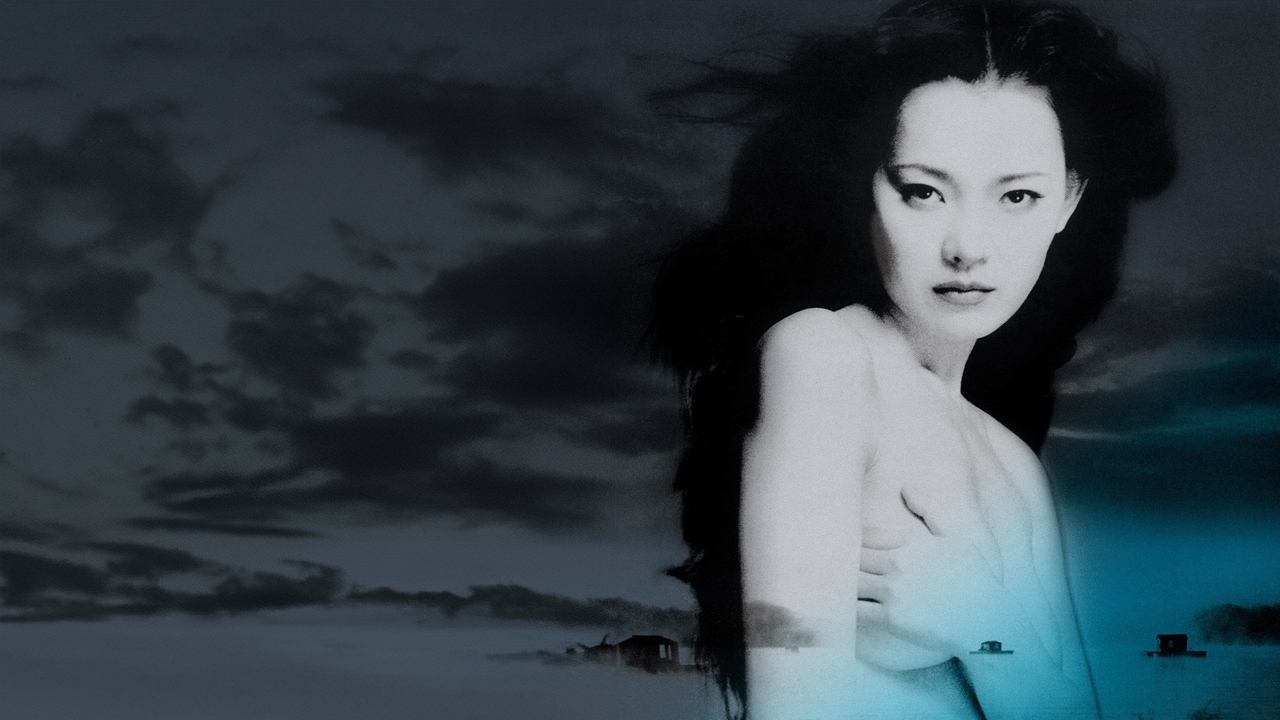
Adrift in a Silent World
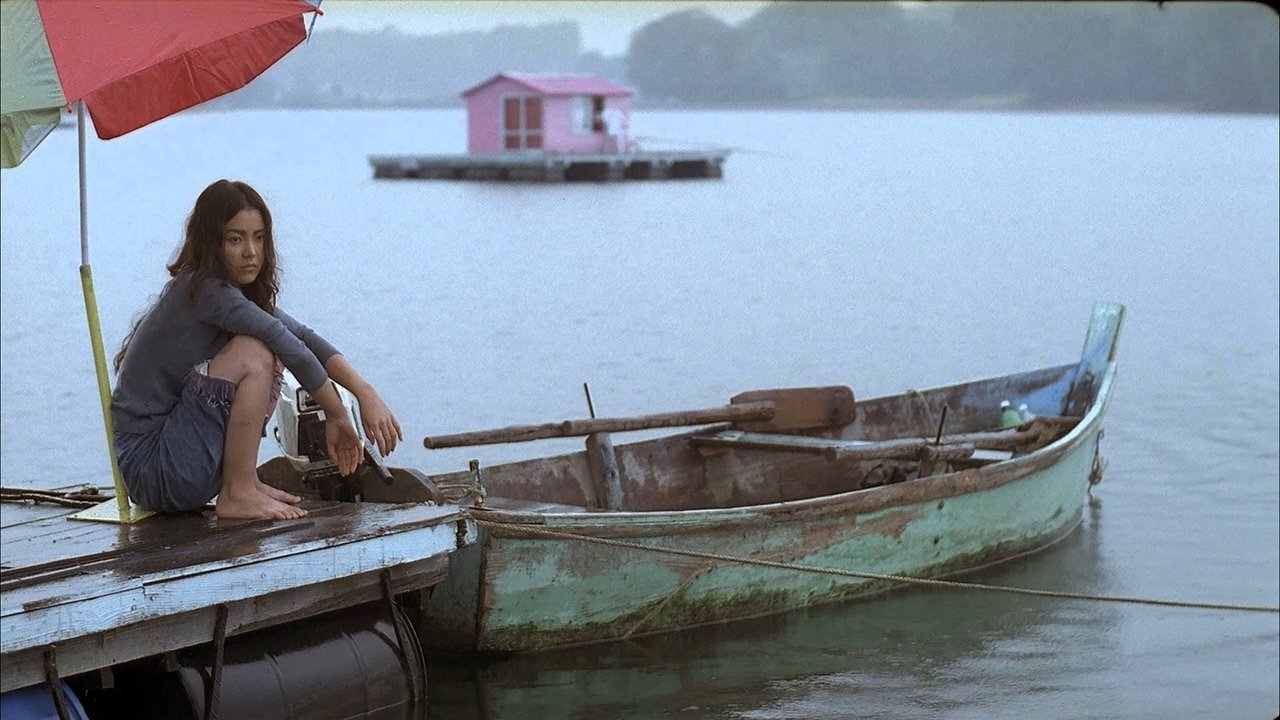
Imagine a vast, misty lake, dotted with small, brightly painted fishing huts floating like forgotten jewels. This is the domain of Hee-jin (Suh Jung), a selective mute who manages these isolated rentals. She ferries clients back and forth, provides supplies, food, and sometimes, silently, her body. Her world is self-contained, governed by rhythms of nature and the quiet desperation of the men who come seeking escape. Into this fragile ecosystem stumbles Hyun-shik (Kim Yu-seok), a man tormented and on the run, possibly from the law, certainly from himself. Their connection, forged in isolation and shared pain, becomes the film's dark, magnetic core.
Kim Ki-duk masterfully uses this setting not just as a backdrop, but as a character. The lake is serene, almost painterly in its beauty, reflecting gorgeous skies and misty mornings. Yet, beneath the surface, unseen currents pull, and the potential for violence, both human and elemental, feels ever-present. It’s a potent metaphor for the characters themselves – placid exteriors hiding turbulent depths. The production design is starkly effective; those little floating rooms become potent symbols of isolation, temporary shelters in a vast, indifferent world.
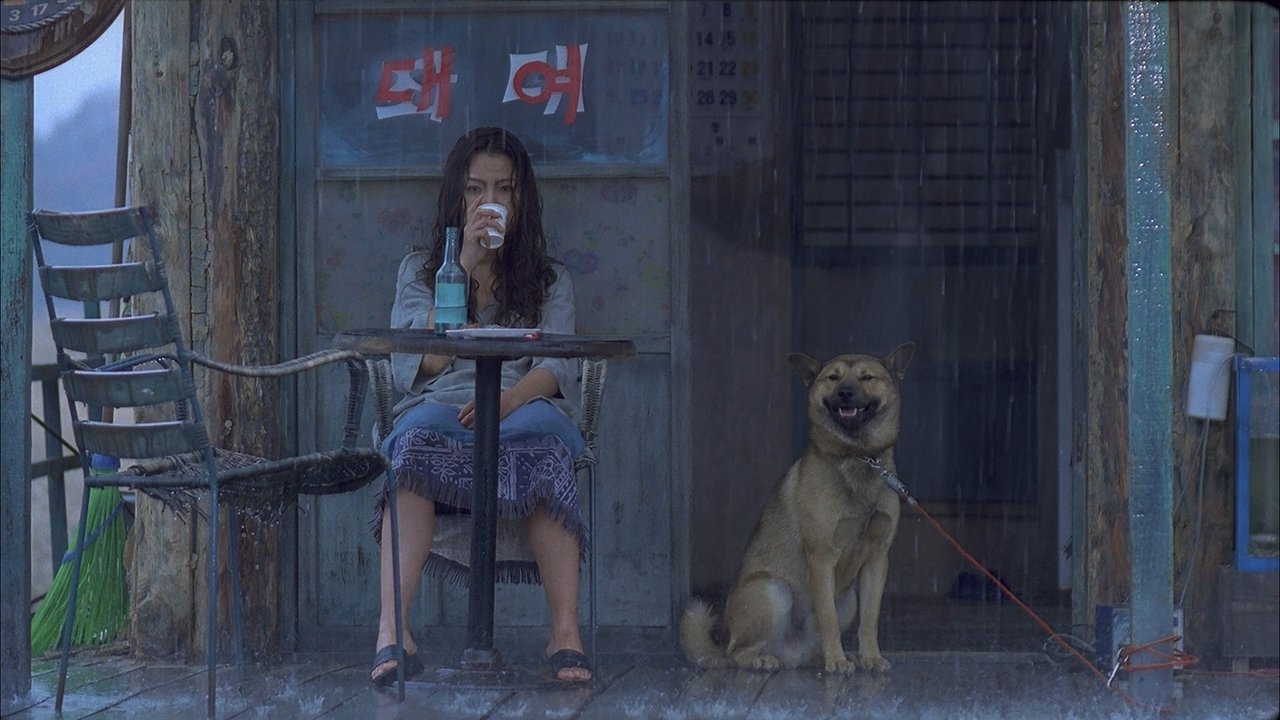
Whispers Without Words
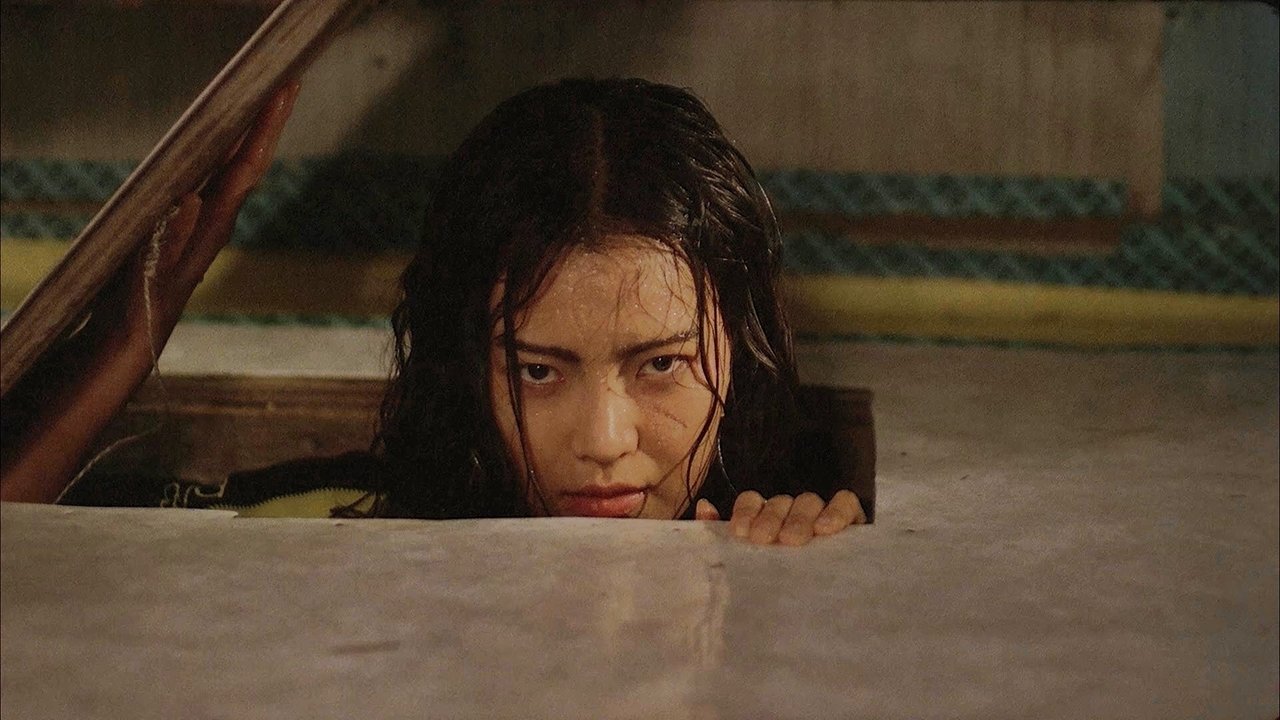
What truly elevates The Isle beyond mere provocation is the power of its largely non-verbal storytelling. Suh Jung delivers a staggering performance as Hee-jin. Without uttering a word, she conveys a universe of longing, resentment, cruelty, and unexpected tenderness. Her face is a landscape where fleeting emotions ripple and vanish. Watch her eyes – the way she observes, judges, and connects speaks volumes traditional dialogue never could. Kim Yu-seok is equally compelling as the tortured Hyun-shik, his desperation palpable, his descent into their shared destructive spiral both terrifying and strangely pitiable. Their relationship unfolds through gestures, shared glances, and acts that range from nurturing to horrifically self-destructive. It forces you, the viewer, to lean in, to interpret the silences, making the experience intensely personal.
Beauty That Bites Back
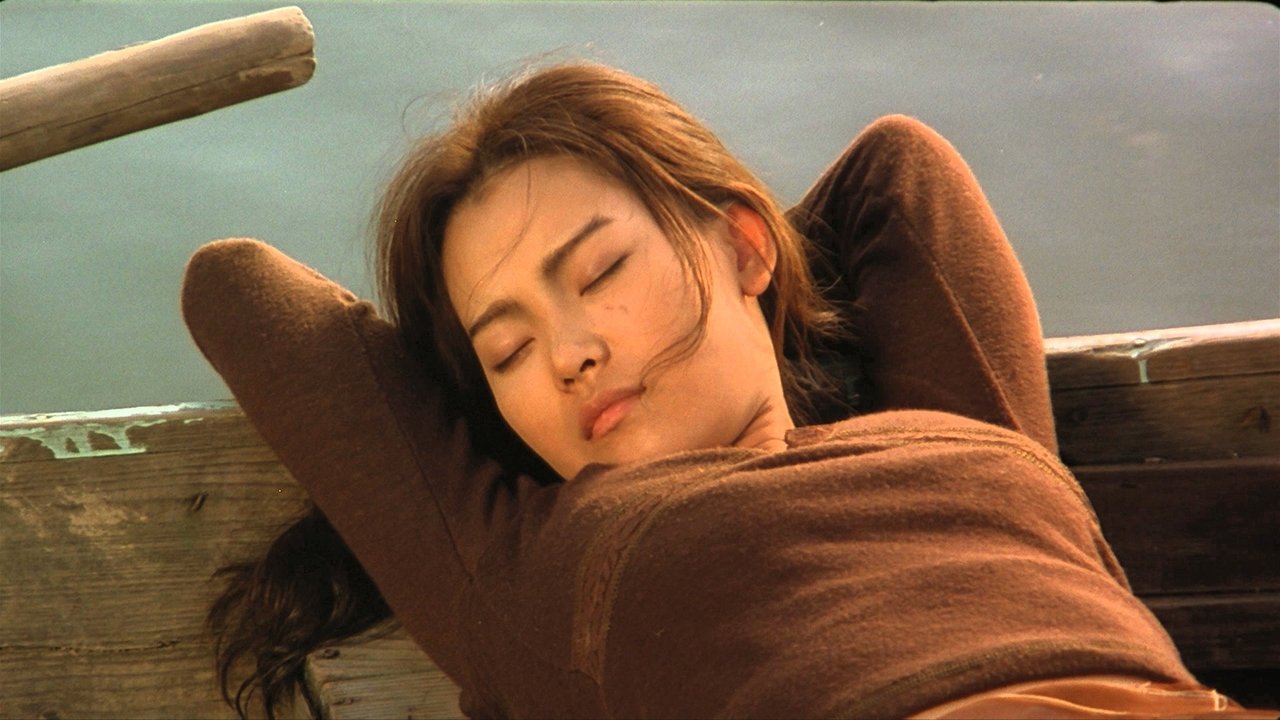
Let’s not mince words: The Isle is infamous for a reason. Kim Ki-duk, who sadly passed away in 2020 but left behind a body of work known for pushing boundaries (Spring, Summer, Fall, Winter... and Spring offers a gentler, though still profound, counterpoint), doesn't shy away from the brutal. There are moments here, particularly involving fish hooks (yes, those scenes), that are incredibly difficult to watch. (Spoiler Alert for thematic intensity) These sequences, which reportedly caused audience members to faint or walk out during its Venice Film Festival premiere in 2000, aren't gratuitous in the typical slasher sense. They are agonizing, visceral expressions of emotional pain manifested physically, exploring themes of possession, self-harm, and the desperate, damaging lengths people go to for connection, however twisted. The controversy surrounding potential animal cruelty also dogged the film, though much was achieved through careful editing and effects – a testament to the power of suggestion in filmmaking. Kim Ki-duk himself seemed almost perversely proud of the film's confrontational nature, embracing the extreme reactions it provoked.
This juxtaposition of lyrical beauty and shocking brutality is the film's defining characteristic. The camera often lingers on moments of quiet grace – sunlight on water, the gentle sway of the huts – only to pivot to acts of startling violence. Is it profound commentary on the duality of nature and humanity, or is it provocation for its own sake? That’s a question the film leaves echoing long after the credits roll, and honestly, the answer might be a bit of both.
Lingering Ripples
The Isle isn't easily forgotten. It’s the kind of film that might have sat on the shelf at Blockbuster under "Foreign" or "Art House," daring you to pick it up. I remember encountering it on DVD shortly after its release, drawn by the intriguing cover and the whispers of its reputation. It wasn’t the feel-good rental of the week, that's for sure. It felt dangerous, different, a glimpse into a cinematic language far removed from Hollywood norms. It doesn't offer easy answers or comfortable resolutions. Instead, it leaves you contemplating the strange, often dark, currents that flow beneath the surface of human connection. What drives people to such extremes in the name of love or escape? How thin is the line between passion and destruction?
Rating: 7/10
This rating reflects the film's undeniable artistic merit, its stunning visual poetry, and the unforgettable power of its central performances, particularly Suh Jung's. It's a masterclass in minimalist storytelling and atmospheric tension. However, the rating is tempered by the extreme nature of its violence, which, while thematically relevant, makes it a genuinely punishing watch that many viewers will understandably find repellent. It earns its points through sheer audacity and craft, but loses some for the toll it takes on the viewer. It's a significant piece of early 21st-century Korean cinema and cemented Kim Ki-duk's international auteur status, but proceed with extreme caution.
Final Thought: Like the murky depths beneath its beautiful surface, The Isle holds both breathtaking artistry and things you might wish you hadn't seen, forever changing the way you look at a fish hook.