Some films push boundaries; others obliterate them with cold, methodical precision. Nekromantik 2 (1991) belongs squarely in the latter category, a film that doesn't just flirt with taboo but builds a strangely poignant, deeply unsettling narrative right atop its shattered fragments. Watching it back in the day, likely on a multi-generational dub sourced from some shadowy corner of the tape-trading underground, felt like handling forbidden material. It wasn't just horror; it was something colder, more deliberate, a quiet scream from the fringes of German cinema.

A Different Kind of Decay
Picking up almost directly after the infamous climax of its 1987 predecessor, the sequel shifts focus to Monika (Monika M., credited under a pseudonym to protect her privacy, a detail underlining the film's transgressive nature). She’s a nurse who discovers the decomposing remains of Rob (the protagonist of the first film) after his gruesome suicide. What follows isn't a retread, but an expansion. Director Jörg Buttgereit, working again with co-writer Franz Rodenkirchen, crafts something unexpectedly... contemplative? Monika digs up Rob's corpse, cleans it, and incorporates it into her lonely life. This initial act, filmed with Buttgereit’s characteristic unflinching gaze, sets the tone: graphic, yes, but also strangely intimate and melancholic.
The true tension arrives with Mark (Mark Reeder, a notable figure in the Berlin music scene linked to Factory Records), a voice actor dubbing nature documentaries and, later, explicit porn films. He represents a chance at a conventional relationship, a path away from the morbid solace Monika finds with Rob's corpse. The film explores this triangle – woman, living man, dead man – with a disturbing sincerity that elevates it beyond mere shock value. Does the mundane possibility of love stand a chance against the ultimate finality Monika has embraced?

The Unflinching Lens
Buttgereit’s style is key here. Shot on grainy 16mm, allegedly for around DM 80,000 (roughly €40,000, or maybe $100,000 today adjusted for inflation – a testament to low-budget ingenuity), the film possesses a bleak, documentary-like realism that makes the fantastical elements even more jarring. The infamous practical effects, particularly involving the corpse and animal dissections (reportedly real seal carcasses obtained legally were used, adding another layer of grim authenticity), retain their power to disturb. There’s no slick Hollywood gloss; it feels disturbingly tangible, like something unearthed rather than created. Remember how certain practical effects from this era just felt… wrong in a way CGI rarely achieves? This film is Exhibit A.
The contrast between the grim reality of Monika's necrophiliac tendencies and the almost mundane depiction of her daily life – working, going to the cinema (where she watches Buttgereit's earlier, equally disturbing Der Todesking), interacting with Mark – creates a profound sense of unease. The score, often sparse and melancholic, underscores the isolation rather than telegraphing cheap scares. The atmosphere is thick with a quiet despair, punctuated by moments of graphic horror that feel earned within the film's morbid logic.


Beyond the Controversy
Of course, you can't discuss Nekromantik 2 without acknowledging its notoriety. Seized by authorities in Germany upon release, it became a symbol of cinematic censorship battles. Its defenders argued for its artistic merit, seeing it as a bleak commentary on love, death, and emotional detachment in modern society, while detractors saw only exploitative filth. This controversy, much like the first film's, only solidified its cult status among devotees of extreme cinema. It wasn't just a movie; it was a statement, a dare.
The performances are remarkably grounded given the subject matter. Monika M. delivers a hauntingly vulnerable portrayal of a woman grappling with profound loneliness and transgression. Mark Reeder provides a necessary counterpoint, embodying a fragile normalcy that Monika seems both drawn to and incapable of fully embracing. His character’s profession, dubbing sounds onto often violent or sexual imagery, adds a meta-layer about constructing reality and emotion, mirroring Monika’s own attempts to animate the dead.
A Love Story Unlike Any Other (Spoiler Warning for Climax)
The film culminates in one of the most genuinely shocking and debated sequences in underground film history. Spoiler Alert! After making love with Mark, Monika murders him mid-coitus and then transfers parts of his freshly dead body onto Rob's corpse before sexually penetrating herself with the conjoined member, achieving a kind of horrifying synthesis of life and death. It’s a sequence designed to provoke, to confront, and it succeeds utterly, leaving an indelible mark long after the tape hiss fades. It's not merely gore; it's the thematic endpoint of Monika's journey, a grotesque apotheosis of her desires. Did that ending leave anyone else feeling simultaneously repulsed and strangely moved by its sheer audacity?
***
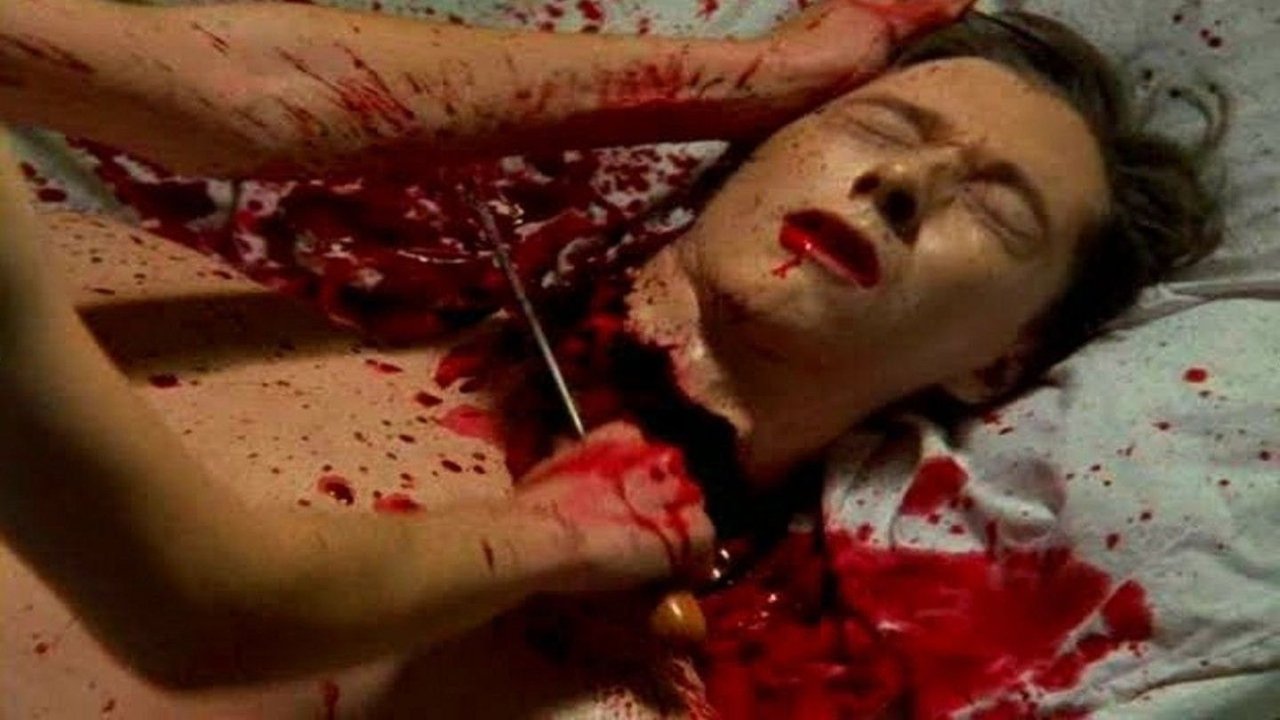
Verdict: Nekromantik 2 is not a film for casual viewing. It’s challenging, frequently repulsive, and undeniably bleak. Yet, within its grim framework, Jörg Buttgereit crafts a strangely compelling and oddly thoughtful exploration of love, loss, and the ultimate taboo. It pushes the definition of horror into uncomfortable art-house territory, using its extreme content not just for shock, but to explore the darkest corners of human loneliness and desire. Its low-budget aesthetic enhances its disturbing realism, and the performances lend it a surprising emotional weight. It’s a film that stays with you, whether you want it to or not – a definitive piece of early 90s extreme cinema that earned its controversial reputation.
Rating: 7/10 – This score reflects its effectiveness as a singular piece of transgressive art cinema and its undeniable impact within its niche, acknowledging that its graphic nature makes it inaccessible and repellent for many. It achieves exactly what it sets out to do with unnerving precision.
Final Thought: Decades later, Nekromantik 2 still feels dangerous, a stark reminder of a time when underground cinema could genuinely transgress and provoke in ways that feel increasingly rare today. It’s a corrupted artifact from the VHS era, potent and unforgettable.