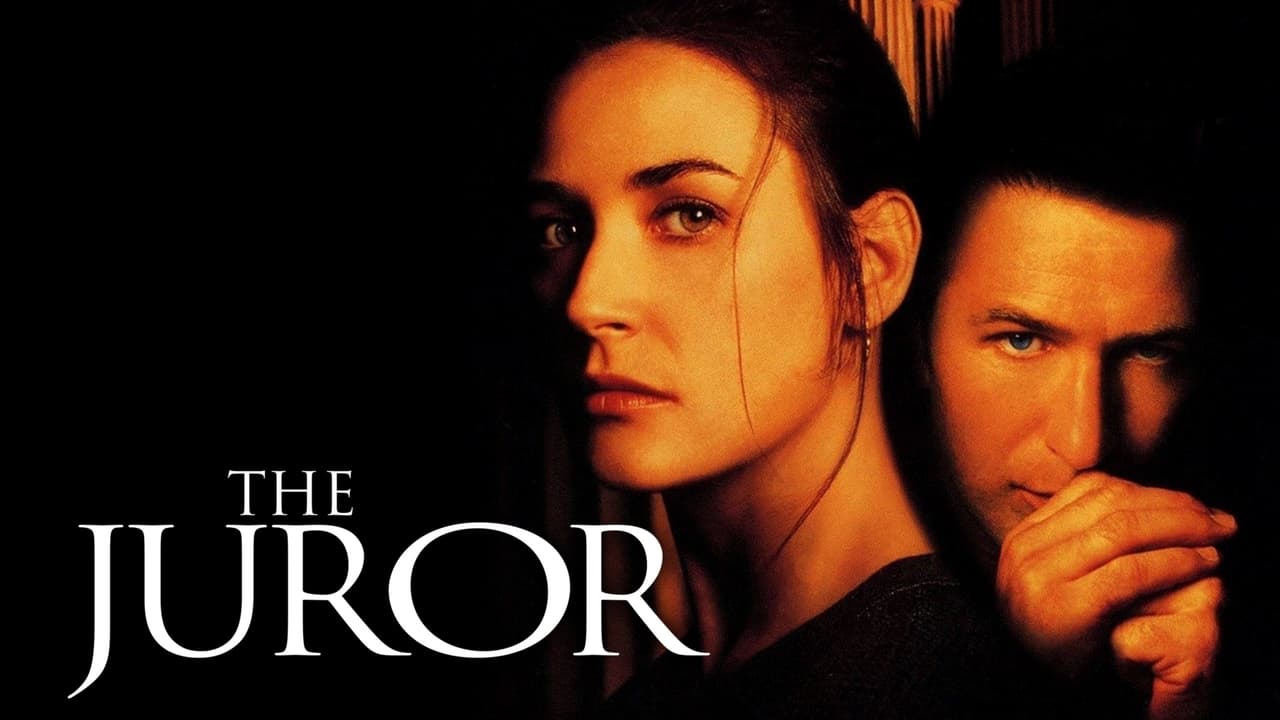
Okay, fellow travelers through time and tape, let’s dim the lights, adjust the tracking, and settle in for a film that landed on rental shelves with the full weight of mid-90s star power: The Juror (1996). It’s the kind of movie whose high-concept premise and A-list leads practically screamed "weekend rental" from the glossy cardboard sleeve. Remember seeing Demi Moore and Alec Baldwin side-by-side on that cover? It promised intensity, intrigue, maybe even a little prestige. But does the film deliver on that promise once the tape starts rolling, or is it a case where the concept outshines the execution?
### An Impossible Choice
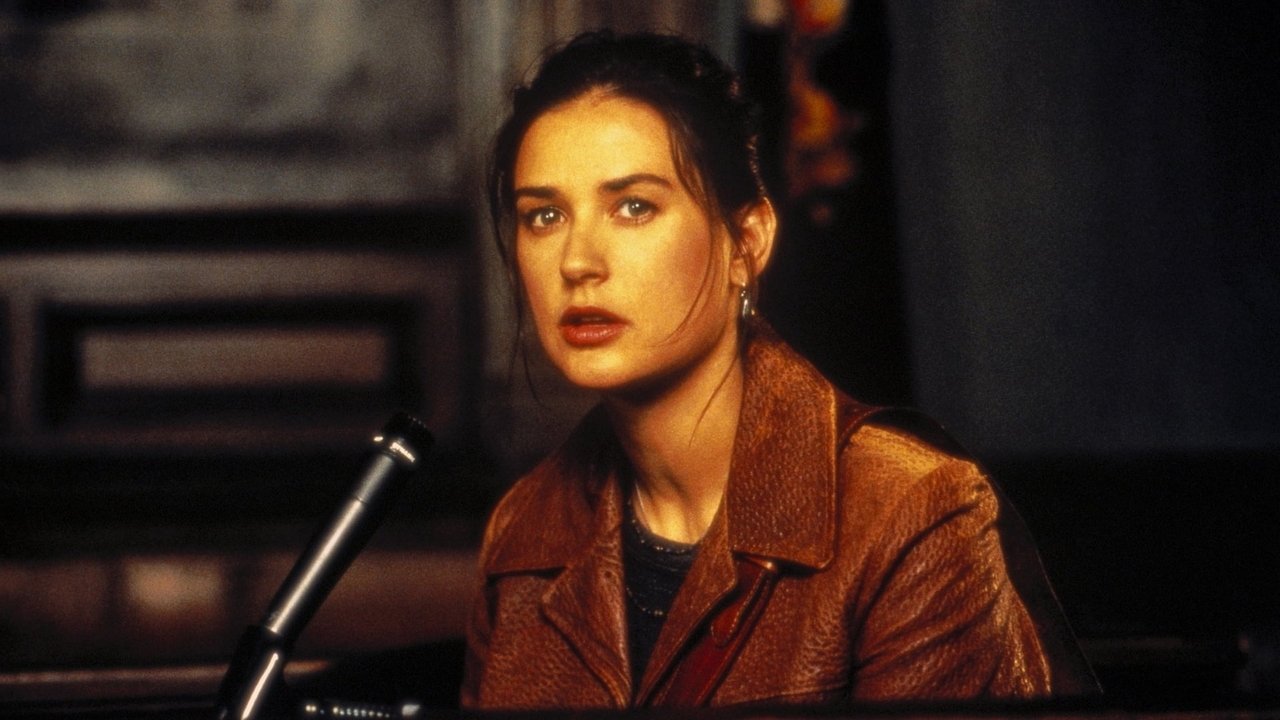
At its core, The Juror taps into a chilling vulnerability: the ordinary citizen thrust into the heart of the justice system, only to find that system twisted into a personal nightmare. Demi Moore, then at the peak of her stardom following hits like Ghost (1990) and A Few Good Men (1992), plays Annie Laird, a single mother and struggling artist selected for jury duty on a high-profile mob trial. It’s a scenario ripe for tension, grounding the extraordinary in the relatable everyday life of juggling work, parenting (a young, already promising Joseph Gordon-Levitt plays her son, Oliver), and civic responsibility.
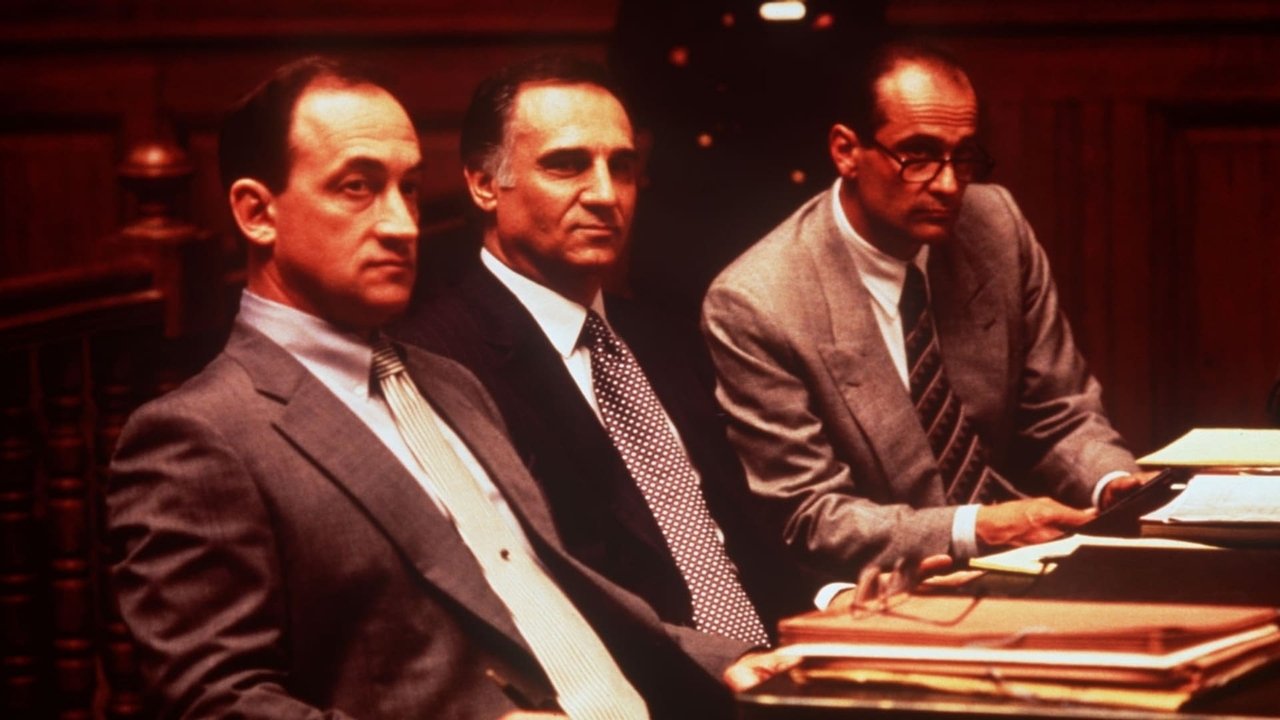
The film truly ignites, however, with the introduction of Alec Baldwin’s character, known only as "The Teacher." He’s not just a mob enforcer; he’s a psychological predator. Working for the defendant, Louie Boffano (played with quiet menace by the great Tony Lo Bianco), The Teacher’s mission is simple: coerce Annie into swaying the jury towards acquittal. His methods, however, are anything but. He infiltrates her life, buys her art, charms her friends, even gets close to her son – all while subtly, terrifyingly tightening the noose. The central conflict isn't just about physical threat; it's about the violation of safety, the erosion of trust, and the horrifying dilemma Annie faces: save her own life and her son's, or uphold justice?

### The Teacher's Shadow
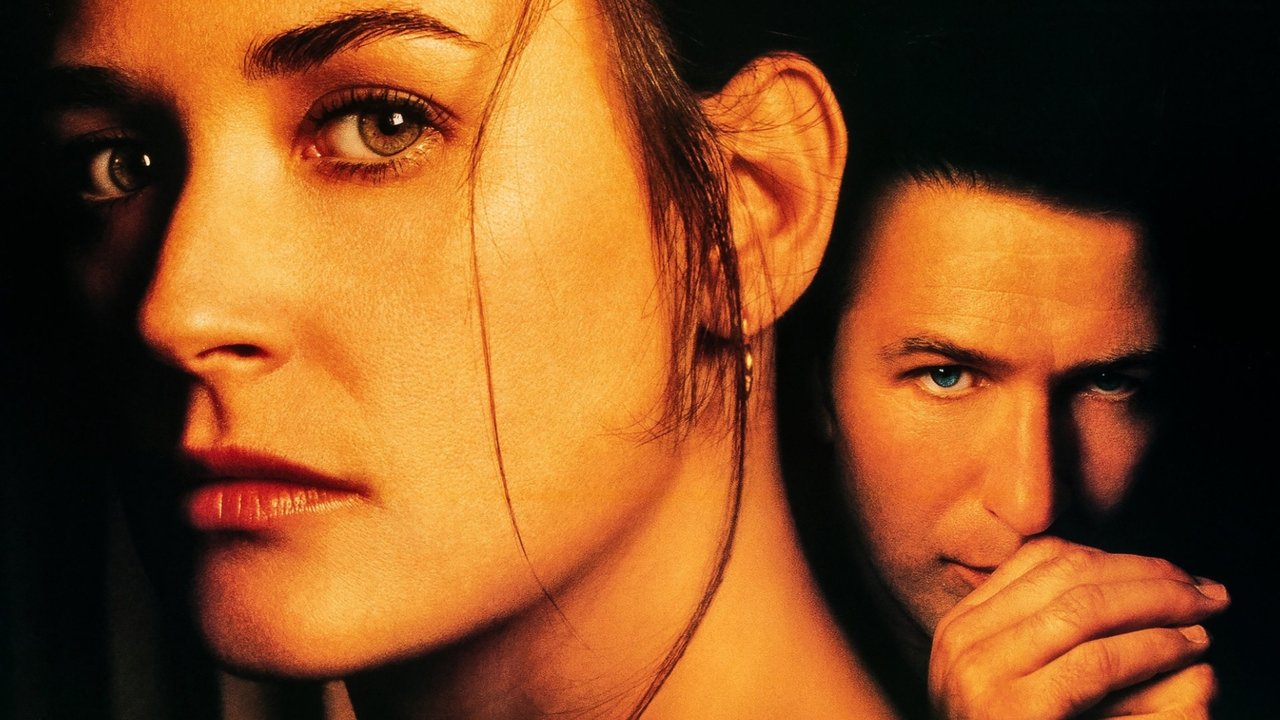
Let's be honest, the magnetic pull of The Juror largely resides in Alec Baldwin's performance. He crafts a villain who is dangerously seductive before revealing the monster beneath. Baldwin leans into the character's calculated charisma, making The Teacher's initial interactions with Annie feel almost plausible, even darkly charming. It’s in the subtle shifts – a flicker in the eyes, a change in vocal tone, a gesture held a fraction too long – that the menace truly lands. He’s intelligent, articulate, and utterly ruthless, a far cry from the blunt instruments often employed in mafia narratives. There's an attempt here, likely stemming from screenwriter Ted Tally (who penned the adaptation of The Silence of the Lambs (1991), setting sky-high expectations), to create a villain with psychological depth, someone who enjoys the manipulation as much as the outcome. Baldwin embodies this chillingly well, often carrying scenes through sheer force of presence.
Opposite him, Demi Moore shoulders the difficult task of portraying Annie's escalating terror and desperation. She effectively conveys the vulnerability of a woman whose sanctuary is breached, whose maternal instincts are weaponized against her. We see the cracks form in her composure, the paranoia setting in. While Moore commits fully, the script sometimes saddles Annie with decisions that strain credulity, moments where you might find yourself murmuring "Oh, come on!" at the flickering CRT screen. It's a demanding role that Moore navigates with intensity, even if the character's actions occasionally feel dictated more by plot necessity than believable human behavior.
### Gloss Over Cracks
Directed by Brian Gibson, who had previously shown a knack for character drama with What's Love Got to Do with It (1993), The Juror certainly looks the part of a major studio thriller. It has that slick, polished aesthetic common in the mid-90s, making good use of its New York City locations. The tension is palpable in key sequences, particularly The Teacher's unnerving intrusions into Annie's life.
However, this gloss can’t entirely conceal the film's underlying weaknesses. Despite Tally's pedigree, the script, based on the novel by George Dawes Green, often relies on contrivances and plot holes that become more apparent as the narrative progresses. The central premise is strong, but the mechanics required to keep the plot moving sometimes feel forced. This might partly explain the film's disappointing reception; budgeted at a hefty $44 million (around $86 million today), it only managed to recoup about $22.7 million domestically, falling short of expectations and garnering largely negative reviews (it still sits at a frosty 19% on Rotten Tomatoes). Perhaps audiences, like critics, felt the intricate setup didn't quite pay off satisfactorily. One interesting tidbit: Moore reportedly commanded a significant salary for the role, indicative of her star power at the time, which makes the film's financial underperformance even more notable.
### The Verdict from the VHS Vault
So, revisiting The Juror decades later, what lingers? Baldwin’s performance remains a potent piece of work, a compelling study in sophisticated evil that elevates the material significantly. The core ethical quandary Annie faces – the impossible choice under duress – still holds a certain power. Doesn't it make you consider the fragility of the systems we rely on, and the pressure points where they can be terrifyingly manipulated?
Yet, the film is undeniably a product of its time: a star-driven, high-concept thriller that prioritizes premise and polish over watertight plotting. It aims for the tension of Fatal Attraction (1987) or the psychological depth Tally achieved with Hannibal Lecter, but doesn't quite reach those heights. It’s a film I remember renting, drawn in by the promise of its leads, and feeling… well, entertained, but not quite gripped in the way the best thrillers manage.
Rating: 5/10
Justification: The rating reflects a film that's competently made and features a standout villain performance from Alec Baldwin. Demi Moore is committed, and the initial premise is genuinely chilling. However, significant plot contrivances, questionable character choices, and a sense of unfulfilled potential prevent it from being truly memorable or ranking among the era's best thrillers. It earns points for Baldwin and the core concept but loses them for execution.
Final Thought: The Juror stands as a fascinating artifact of mid-90s Hollywood – big stars, big concept, slick production, but ultimately a reminder that even the most promising ingredients don't always bake into a satisfying whole. It's a tape you might have rented once, maybe twice, more for the faces on the box than for the enduring power of the story within.