That droning, distorted guitar riff hits you first. Before the grainy Cannon Films logo even fades, Jimmy Page's score for Death Wish II grabs you by the collar and drags you into the muck. It's not the melancholic jazz of Herbie Hancock from the '74 original; this is something grimier, heavier, a soundscape drenched in the smog and sleaze of early 80s Los Angeles. It promises a different kind of darkness, and boy, does this film deliver on that promise.
### A Different Kind of Concrete Jungle
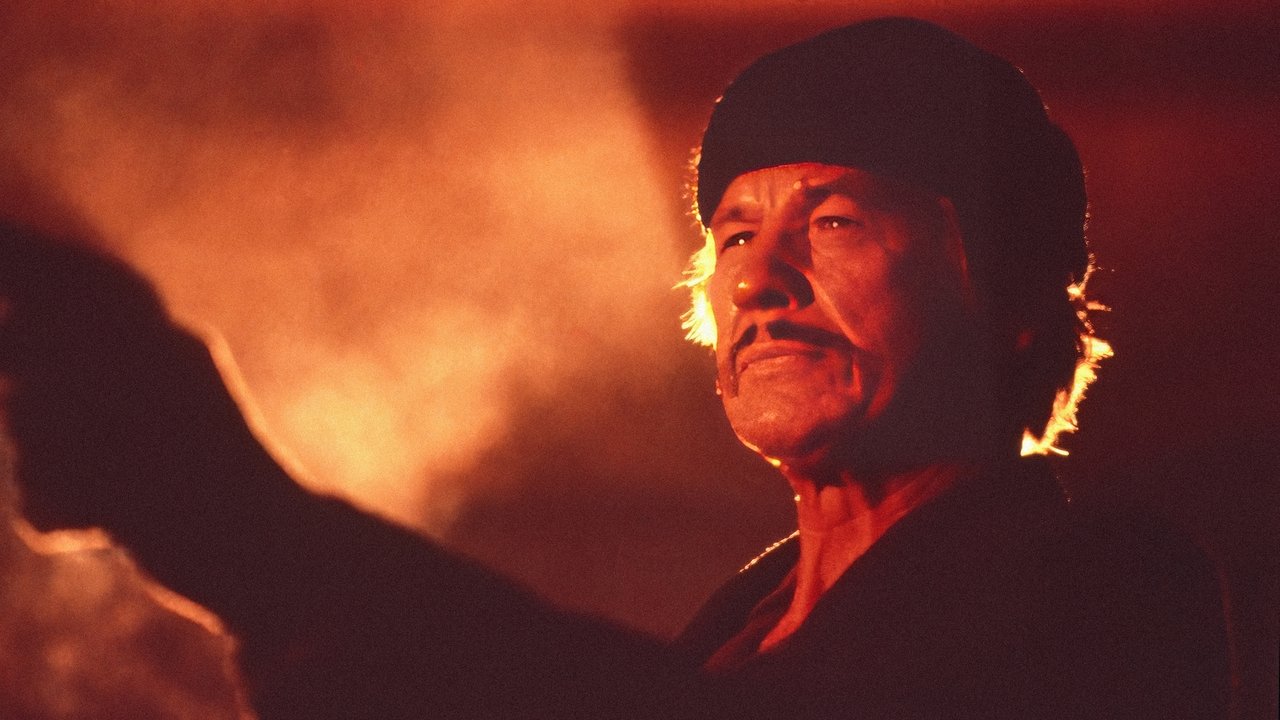
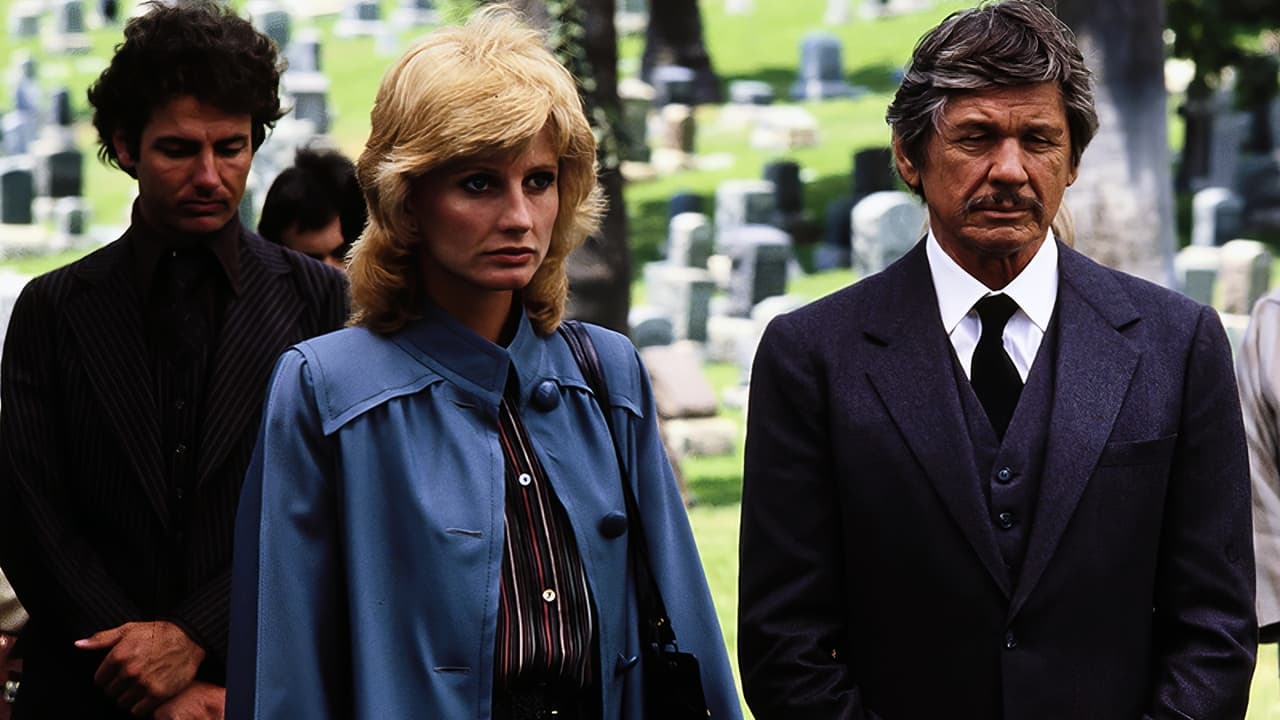
Paul Kersey (Charles Bronson) tried to leave the ghosts of New York behind. In Death Wish II (1982), we find him relocated to sunny L.A., attempting a semblance of normalcy with his new love, radio journalist Geri Nichols (Jill Ireland, Bronson's real-life wife), and trying to connect with his traumatized daughter, Carol. But this isn't a redemption story. Director Michael Winner, returning from the original Death Wish (1974), seems intent on proving that darkness follows Kersey like his own shadow, or perhaps, that he is the darkness. The relative restraint (and I use that term loosely) of the first film is discarded almost immediately. L.A. might look brighter, but its shadows hide a particularly vicious breed of predator.
The inciting incident here is brutal, protracted, and remains deeply uncomfortable viewing. Kersey’s housekeeper is assaulted and murdered, and his daughter Carol is abducted and suffers a horrific fate. It's pure exploitation cinema, designed to provoke maximum outrage and justify the inevitable rampage. There were whispers even back then that Bronson himself was deeply troubled by the explicitness of these scenes, a stark contrast to the more suggestive approach of the original. Winner, however, was known for pushing boundaries, often courting controversy with a smirk. The film faced significant cuts, particularly in the UK, where the notorious "video nasty" panic was brewing. What remained on many rental VHS tapes still felt raw and disturbing.
### Kersey Unleashed, Again
Once tragedy strikes, the film snaps into its familiar, grim rhythm. Bronson, now a decade older, embodies Kersey not just as an architect turned avenger, but as something closer to an inevitable force. His face is a granite mask, his movements economical, his methods direct and final. He stalks the L.A. night, hunting the "creeps" responsible, each encounter escalating the violence. Gone is the tentative, almost accidental nature of his first kills in New York. This Kersey is deliberate, efficient, a seasoned instrument of vengeance. Does anyone else remember the specific feel of Bronson in these 80s roles? That quiet intensity that promised sudden, shocking violence?
Michael Winner's direction is lean and mean, focused entirely on propulsion and impact. He paints L.A. not as a city of dreams, but as a landscape of urban decay, graffiti-scarred alleys, dimly lit parking garages, and soulless apartments – perfect hunting grounds for Kersey. The pacing is relentless, barely pausing for breath between set pieces. It’s less a character study and more a visceral ride through urban hell. Fun fact: the film was shot relatively quickly and efficiently, capitalizing on the success of the first, coming in with a budget around $8 million but pulling in nearly $29 million domestically – proving audiences were still hungry for Kersey's brand of justice, however harsh.
### Echoes in the Dark
The supporting cast serves mainly to react to Kersey or become victims. Jill Ireland brings a warmth that feels almost out of place in such a bleak narrative, making her eventual entanglement in the violence all the more jarring. Vincent Gardenia returns briefly as NYPD Detective Ochoa, a welcome but fleeting connection to the original, mostly serving to underline how far Kersey has strayed.
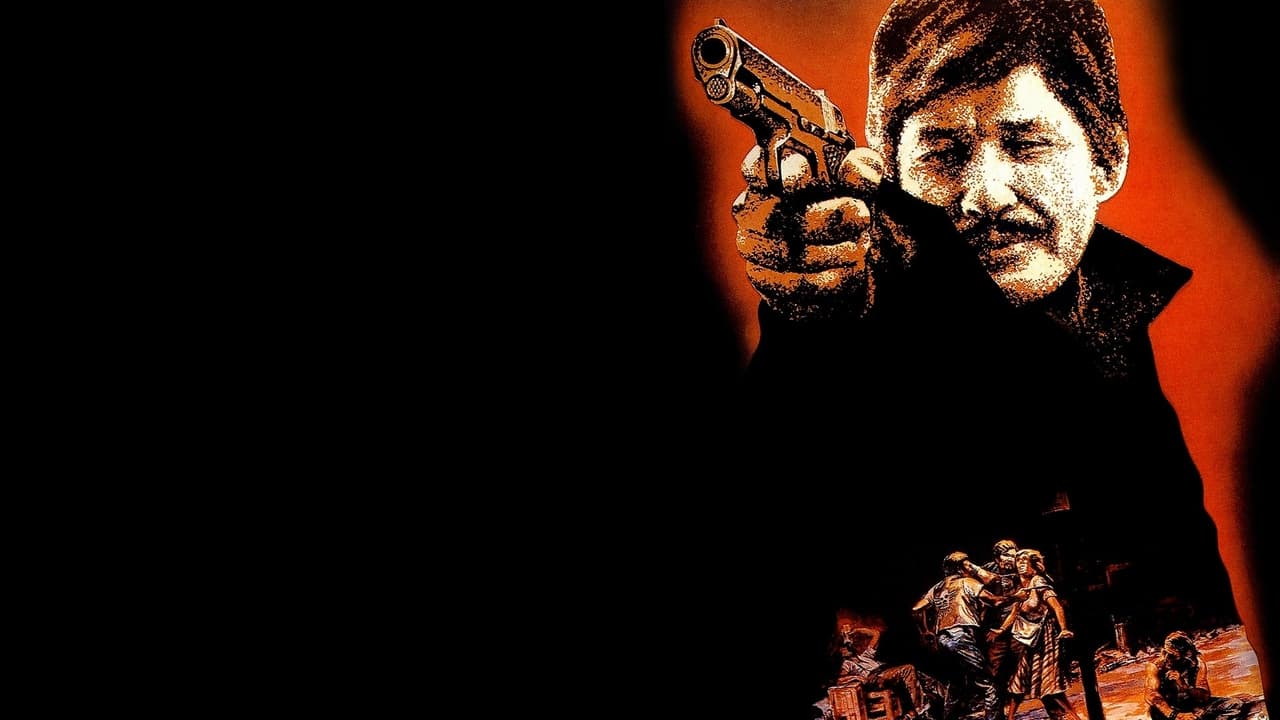
But the film's true co-star is its atmosphere of pervasive dread, amplified by Page's score. It's the kind of film that felt genuinely dangerous renting it from the local video store – the stark white VHS box promising something forbidden and intense. It lacked the moral ambiguity that gave the first film its unsettling power, replacing it with blunt-force trauma. This wasn't about the question of vigilantism anymore; it was purely about the grim spectacle of it. It set the template for the increasingly outlandish sequels (Death Wish 3 is practically a cartoon by comparison), each straying further from the grounded grit of the '74 original.
Verdict & Rating:
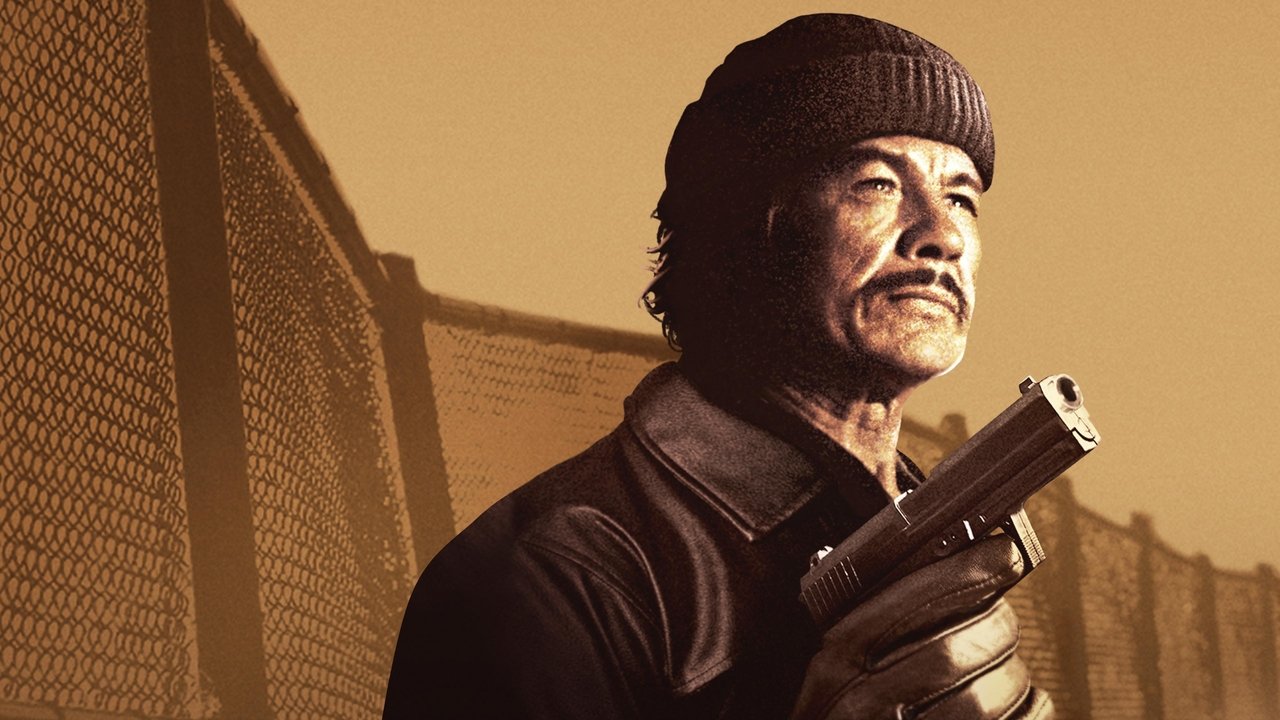
Death Wish II is a nasty piece of work. It's grim, exploitative, and trades the complex questions of its predecessor for pure, unadulterated revenge fantasy fueled by shocking violence. Bronson is iconic as the silent avenger, Winner's direction is brutally effective, and Page's score is unforgettable. However, its treatment of violence, particularly sexual violence, is often stomach-churning and treads heavily into uncomfortable territory, even for the era. It delivers exactly what it promises – a bleak, violent ride – but lacks the depth or lingering moral unease of the original. It’s a quintessential slice of early 80s Cannon Films grit, warts and all.
Rating: 5/10
It remains a potent, if ugly, time capsule – a reminder of an era where mainstream action thrillers weren't afraid to get truly, disturbingly dark, leaving you feeling like you needed a shower after the credits rolled. Did this one push things too far, even for you?