It's a strange and wonderful thing when a film feels like buried treasure finally unearthed. Watching Leon Gast's When We Were Kings wasn't just like watching a documentary; it felt like accessing a time capsule, one meticulously packed in 1974 Zaire but only cracked open for the world in 1996. What lingers most, perhaps, isn't just the electric charge of the fight itself, but the profound sense of a moment – vibrant, complex, politically charged – captured almost by accident and preserved against the odds.
A King Holds Court in Kinshasa
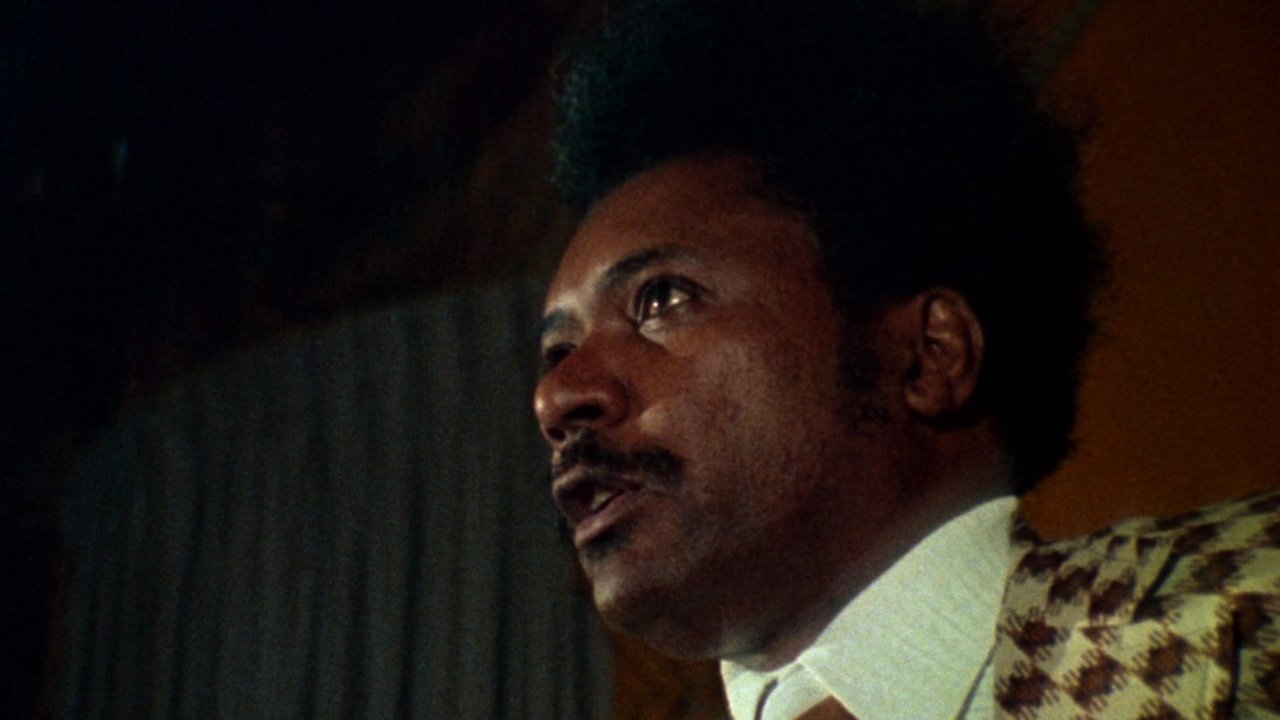
The film ostensibly documents the legendary "Rumble in the Jungle" heavyweight championship bout between the seemingly invincible George Foreman and the charismatic underdog challenger, Muhammad Ali. But When We Were Kings transcends mere sports reporting. Dropped into the heart of Kinshasa, under the watchful eye of promoter Don King and the controversial regime of Mobutu Sese Seko, we witness something far richer: a cultural confluence, a fascinating study in personality, and a snapshot of Black consciousness finding a powerful voice on a global stage.
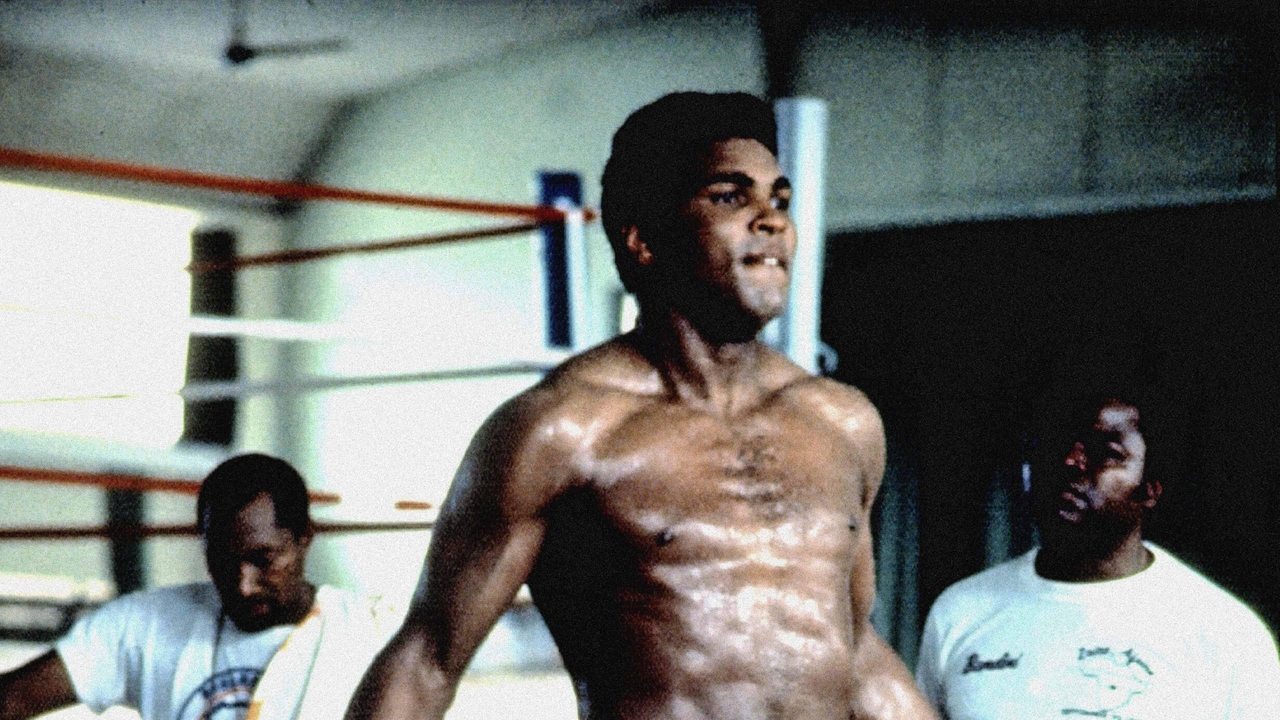
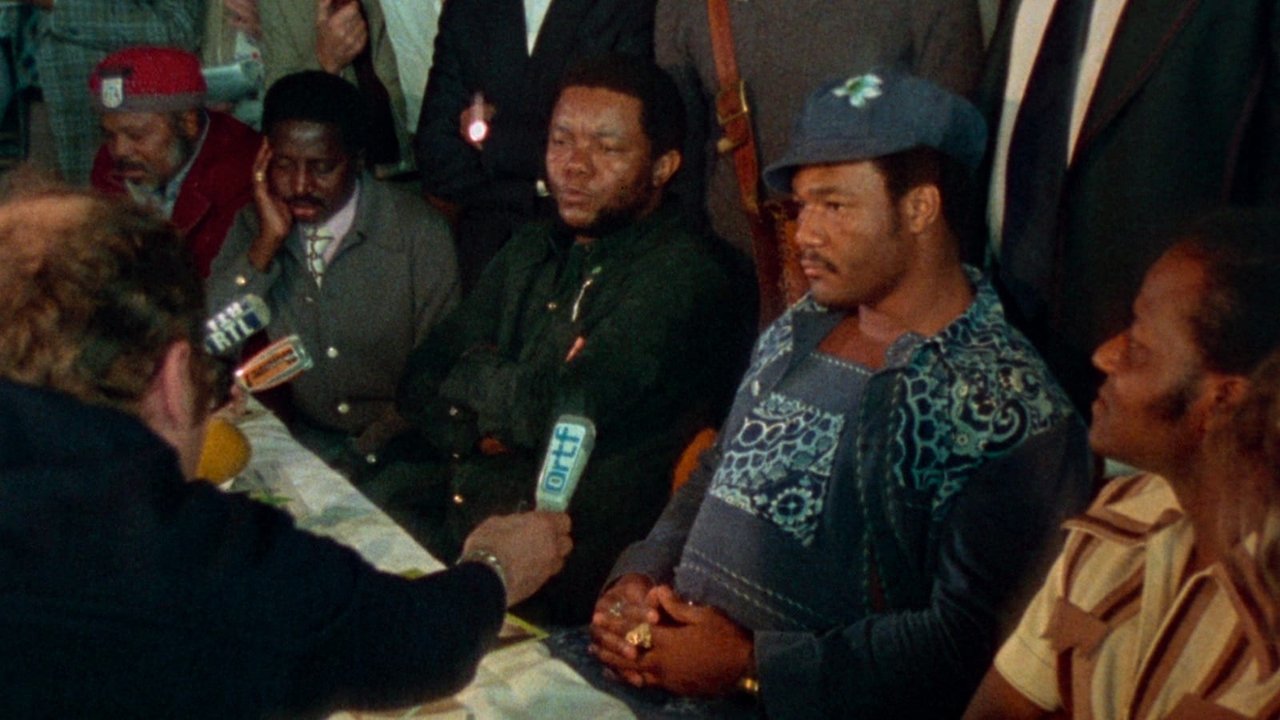
At the centre, of course, is Ali. It’s impossible to overstate his magnetic pull here. He isn't just training; he's performing, philosophizing, charming an entire nation. The scenes of him jogging through Kinshasa streets, greeted by joyous crowds chanting "Ali, bomaye!" ("Ali, kill him!"), are pure electricity. This wasn't just a boxer; it was a cultural icon embracing his roots and harnessing the energy of a continent. Watching him hold court, riffing poetry, dissecting Foreman's psyche with uncanny insight – it's captivating. You see not just the athlete, but the intellect, the strategist, the born showman operating at peak power. His presence is so overwhelming, it feels less like documentary footage and more like a force of nature allowed to run wild before the camera. Contrast this with Foreman's portrayal – quieter, more isolated, seemingly burdened by the champion's mantle in this unfamiliar, Ali-adoring territory. The psychological dimension, expertly illuminated by commentators like Norman Mailer (drawing heavily from his brilliant book, The Fight) and George Plimpton, is as compelling as any physical contest.
More Than Just a Fight
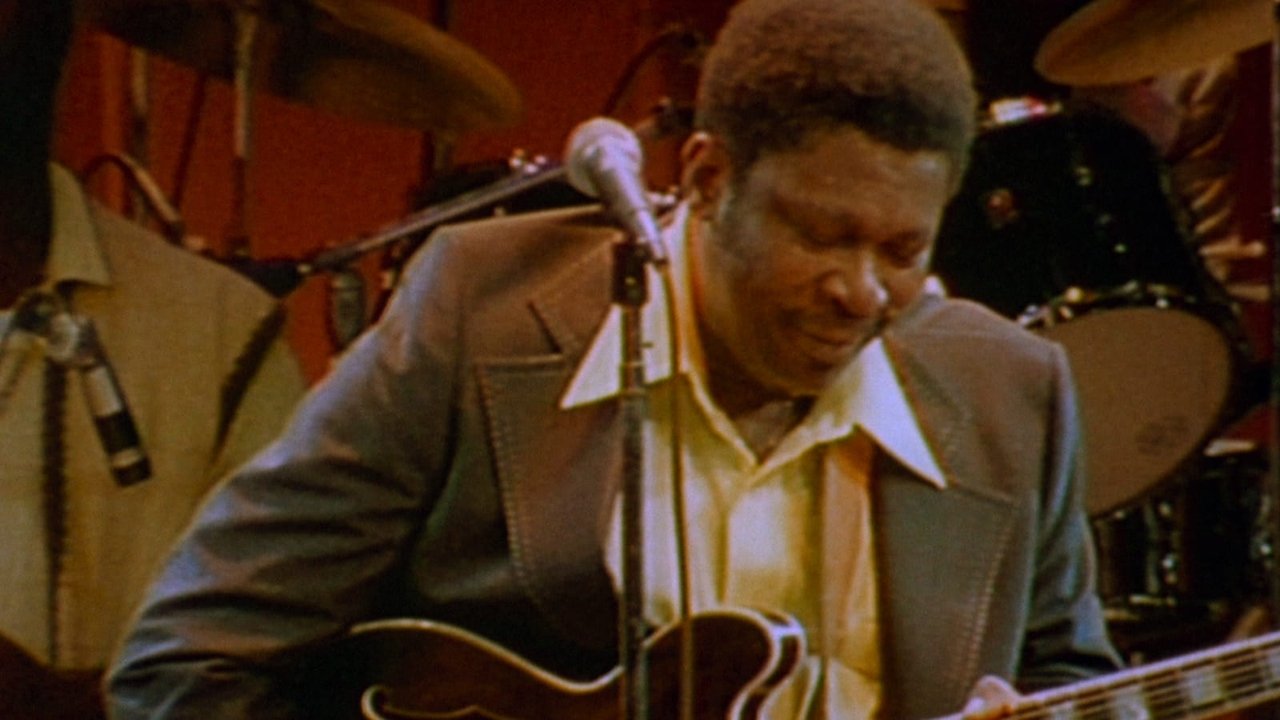
Gast masterfully weaves the boxing narrative with the concurrent Zaire 74 music festival, a staggering event featuring legends like James Brown, B.B. King, and The Spinners. This wasn't just filler; it was part of the larger cultural statement being made. The music underscores the themes of Black pride, artistic expression, and the complex relationship between African-American identity and the African continent. It adds another layer of richness, reminding us that the Rumble wasn't happening in a vacuum but was the centerpiece of a larger, ambitious, and perhaps slightly chaotic cultural spectacle. Seeing James Brown absolutely command the stage, sweat pouring, energy off the charts – it mirrors Ali's own performative brilliance outside the ring.
The 22-Year Wait: A Story Within a Story
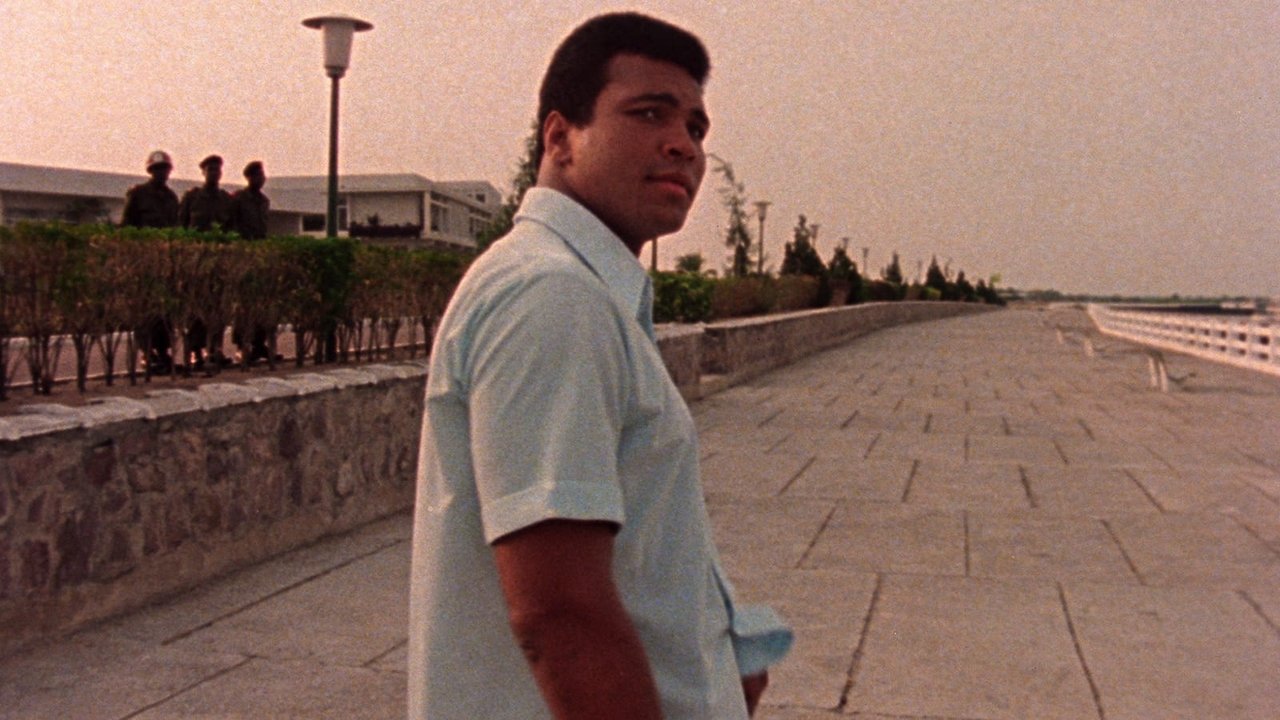
Here's where the "VHS Heaven" magic truly clicks in – the story behind the film is almost as gripping as the event itself. Leon Gast went to Zaire initially to film the music festival, with the fight as the backdrop. When Foreman suffered a cut eye in training, delaying the bout for six weeks, Gast kept filming. He captured invaluable material – Ali engaging with locals, the fighters' extended stay, the simmering tensions. But then came the aftermath: legal battles, financial ruin for the original backers, and mountains of debt tied up the footage. Over 300,000 feet of film languished in vaults for 22 years.
Think about that. For two decades, this incredible record of a pivotal moment sat unseen. Gast never gave up, painstakingly working to untangle the rights and secure funding (around $4.5 million finally brought it to completion). Its eventual release in 1996 felt like a miracle. This backstory adds a profound layer to the viewing experience; we're not just watching history, we're watching history that almost wasn't shared. The fact that it then grossed significantly more than its completion budget and won the Academy Award for Best Documentary Feature feels like vindication, both for Gast's tenacity and for the enduring power of Ali's story. It wasn't just a forgotten fight film; it was a cultural artifact rescued from oblivion, arriving perfectly formed in the mid-90s video store era for a new generation, and those who remembered the fight dimly, to discover.
Echoes in Time
The film uses the 1974 footage as its core, supplemented by later interviews with key figures like Mailer and Plimpton, which provide crucial context and reflection. The editing is superb, building tension towards the fight itself while never losing sight of the human drama and cultural significance. Even knowing the outcome of the fight – Ali’s legendary "rope-a-dope" strategy – watching it unfold through Gast’s lens is thrilling. You feel the humidity, the anticipation, the sheer audacity of Ali’s plan.
What does When We Were Kings leave us with? It’s more than just nostalgia for a great sporting moment, though there's certainly that. It’s a potent reminder of Ali's unique genius – a blend of athletic prowess, psychological mastery, and profound cultural resonance that transcended sport. It makes you ponder the nature of celebrity, the complexities of identity, and the strange alchemy that can turn a boxing match into a defining historical event. How often does sport intersect so powerfully with politics, culture, and personality?
---
Rating: 9.5/10
This score reflects the film's near-perfect execution as both a sports documentary and a cultural time capsule. The sheer magnetism of Ali, the fascinating context of Zaire '74, the incredible story of the film's own survival, and Gast's skillful editing make it a masterpiece. It loses half a point only because, as a documentary relying on historical footage, it inherently lacks the narrative control of a scripted film, but what it captures is lightning in a bottle.
Final Thought: When We Were Kings isn't just about a fight; it's about the moment a man became larger than life, cementing his legend not just with his fists, but with his words, his wit, and his profound connection to the people. It’s a treasure rescued from the vaults, shimmering with the sweat, soul, and spectacle of a truly unique moment in time.