There are images burned into the collective consciousness of the 20th century, none perhaps more potent or terrifyingly iconic than the mushroom cloud. It’s a symbol of ultimate power, ultimate destruction, and an era defined by existential dread. Peter Kuran's 1995 documentary, Trinity and Beyond: The Atomic Bomb Movie, doesn't just show us this image; it immerses us in the stark, hypnotic, and deeply unsettling reality of the atomic age through meticulously restored, once-classified footage. Watching it again, decades after first encountering its stark VHS box art likely tucked away in the documentary section of the local rental shop, feels less like revisiting a movie and more like confronting a ghost.
A Window Onto the Unthinkable
Trinity and Beyond isn't a narrative film in the traditional sense. There are no actors playing roles, no scripted dialogue driving a plot. Instead, Kuran, a visual effects artist whose company Visual Concept Engineering (VCE) worked on films like Star Wars and Star Trek II: The Wrath of Khan (1982), acts as a cinematic archaeologist. He unearthed thousands of feet of forgotten, declassified film capturing U.S. atmospheric and underwater nuclear tests conducted between 1945 and 1963. This wasn't just about finding footage; it was about rescuing it. Kuran and his team undertook a painstaking restoration process, bringing faded, damaged, and often silent film back to life with astonishing clarity and colour. The sheer technical effort involved is staggering – stabilizing shaky shots, correcting decades of colour degradation – transforming grainy historical records into a visceral, almost surreal visual experience.
The Terrible Beauty
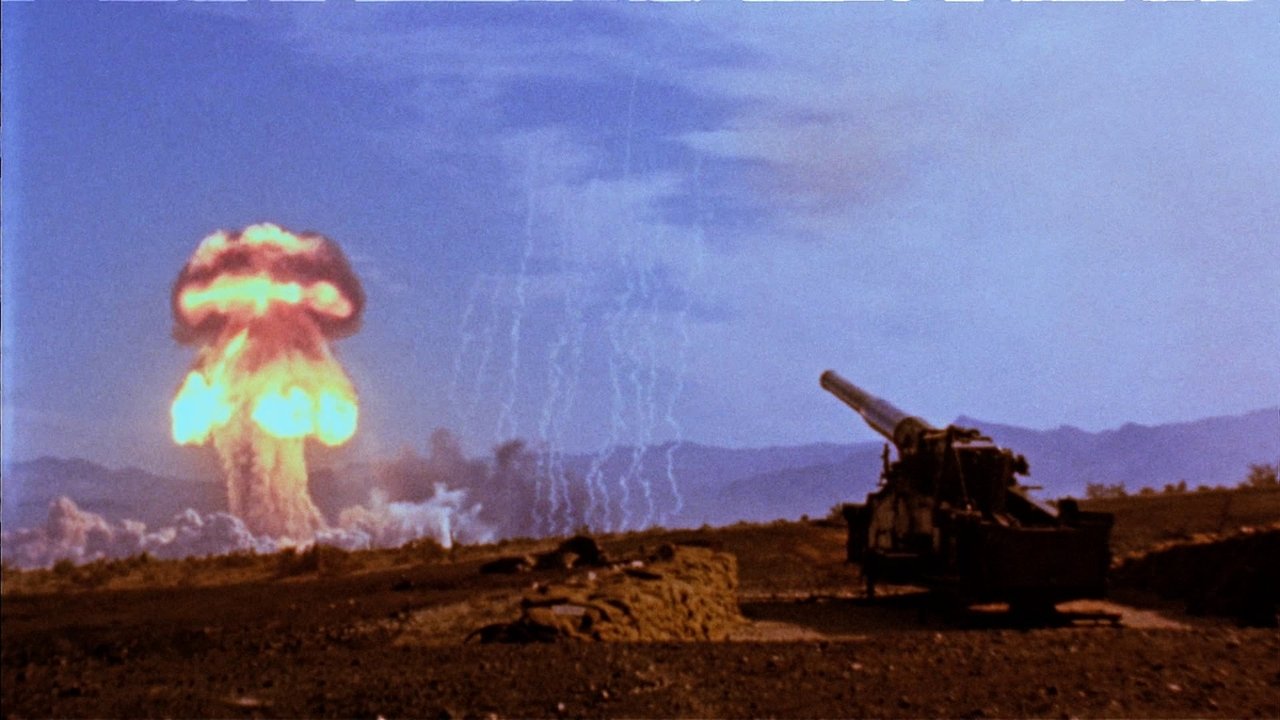
What strikes you immediately is the horrifying beauty Kuran presents. Shot often with high-speed cameras by military personnel, the footage captures the raw physics of nuclear detonation with an intimacy never intended for public consumption. We see the initial flash, the rapidly expanding fireball swallowing test structures (buildings, ships, tanks) like insignificant toys, the signature mushroom cloud ascending with majestic menace, and the unearthly patterns of shockwaves rippling through air and water. There's a hypnotic quality to these visuals – the scale is almost incomprehensible, the colours otherworldly. Kuran sequences these tests chronologically, from the titular Trinity test in the New Mexico desert to later, more powerful hydrogen bomb detonations in the Pacific. We witness the chilling evolution of destructive capability, underscored by the Moscow Symphony Orchestra's powerful, often bombastic score, which lends a sense of operatic grandeur and impending doom. Does this orchestral might sometimes risk aestheticizing the horror? Perhaps. But it undeniably amplifies the awe and terror inherent in the images.
The Voice of Command?
Providing the narrative thread is William Shatner. Yes, that William Shatner. Fresh off his final cinematic voyages as Captain Kirk around that time, his distinctive cadence narrates the technical details, historical context, and implications of each test. It's an interesting choice. Does his familiar voice, forever linked to Starfleet command, lend the necessary gravitas? Or does it create a slight disconnect, a touch of unintended theatricality against the stark reality unfolding on screen? For me, it mostly works. Shatner adopts a serious, measured tone, delivering Kuran's script clearly. While perhaps lacking the gravitas of a dedicated documentary narrator, his voice provides a known anchor point amidst the often abstract and overwhelming visuals. It guides the viewer through the technical jargon and historical markers without becoming overly intrusive. It feels very... well, nineties documentary, in a way that fits the VHS Heaven vibe.


Beyond the Spectacle
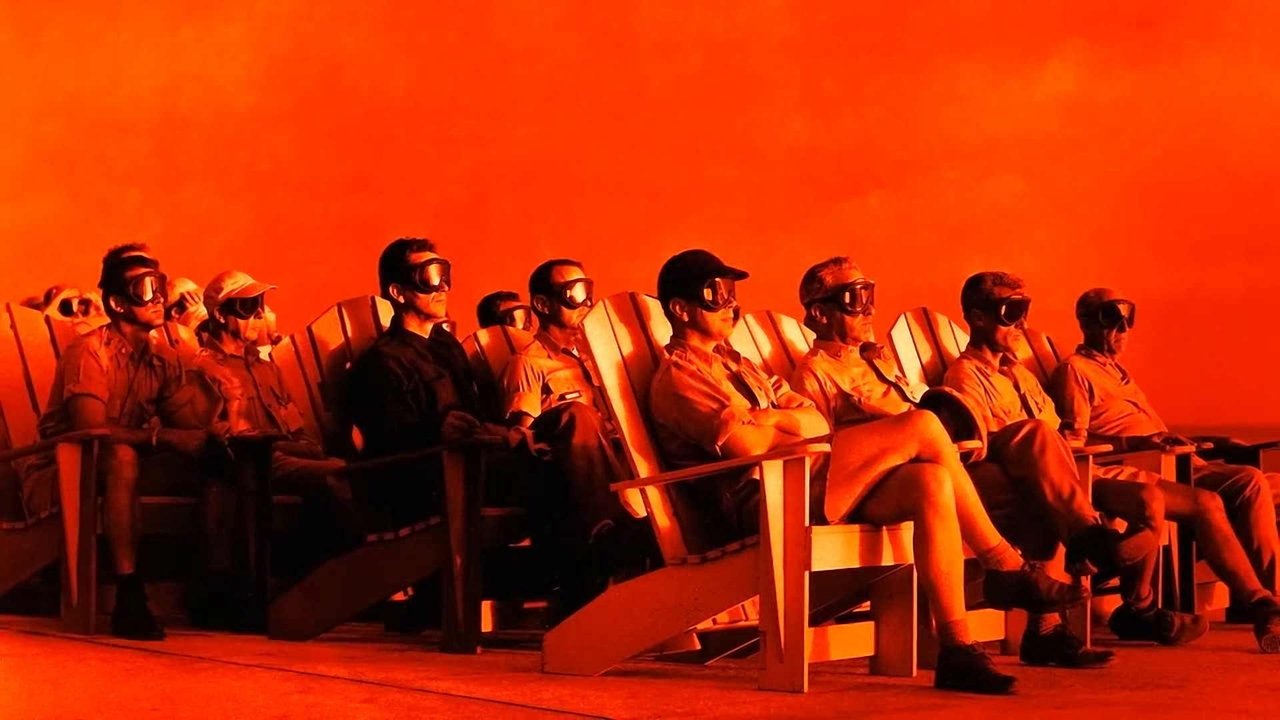
While the film is primarily a visual and auditory experience, its power lies in the questions it forces us to confront. Seeing the casual preparations – scientists adjusting equipment, military observers donning goggles – juxtaposed with the ensuing cataclysm is deeply unnerving. What does it mean to wield such power? The footage captures not just explosions, but the methodical, almost bureaucratic approach to developing weapons capable of ending civilization. We see the infamous "Operation Crossroads" tests at Bikini Atoll, where warships were subjected to atomic blasts, offering chillingly clear evidence of the bombs' effects. Kuran wisely lets the footage speak for itself much of the time, avoiding excessive editorializing. The film serves as a vital historical document, preserving a visual record of an era when humanity stared into the abyss. Finding details about the restoration itself is fascinating - Kuran reportedly spent nearly a decade tracking down and restoring the footage, a true passion project that rescued irreplaceable history from decay in government archives.
Rating and Final Reflection
Trinity and Beyond is a unique and essential piece of documentary filmmaking. Its value lies not in storytelling prowess, but in its meticulous restoration and unflinching presentation of profoundly significant historical footage. It’s a hypnotic, terrifying, and unforgettable viewing experience that transcends typical genre classification.
Rating: 9/10
The score reflects the film's monumental achievement in preservation and restoration, the sheer power of its unique visual content, and its lasting importance as a historical document. The slightly unconventional narration choice prevents a perfect score, but doesn't significantly detract from the film's staggering impact.
Trinity and Beyond leaves you with a sense of profound unease and awe. It’s a stark reminder, pulled directly from the vaults of the past, of the terrible power humanity unlocked, presented with a clarity that feels both vital and deeply chilling, even viewed decades later on a screen far removed from the CRT glow of its VHS origins. What lingers most is the silence after the explosions – the quiet, haunting permanence of what we've witnessed.