The silence of deep space isn't empty. Sometimes, it’s pregnant with echoes, resonant with horrors humanity was never meant to encounter. In 1997, a film plunged us into that terrifying void, dragging us aboard a vessel that hadn't just journeyed to the stars, but perhaps brushed against the gates of Hell itself. I remember finding the distinctive clamshell case for Event Horizon on the rental shelf, its stark cover promising something far darker than your average sci-fi fare. It didn't lie. This wasn't just a haunted house movie in space; it felt like staring into an abyss that stared right back, leaving a residue of unease that lingered long after the VCR whirred to a stop.
Where We're Going, We Don't Need Eyes
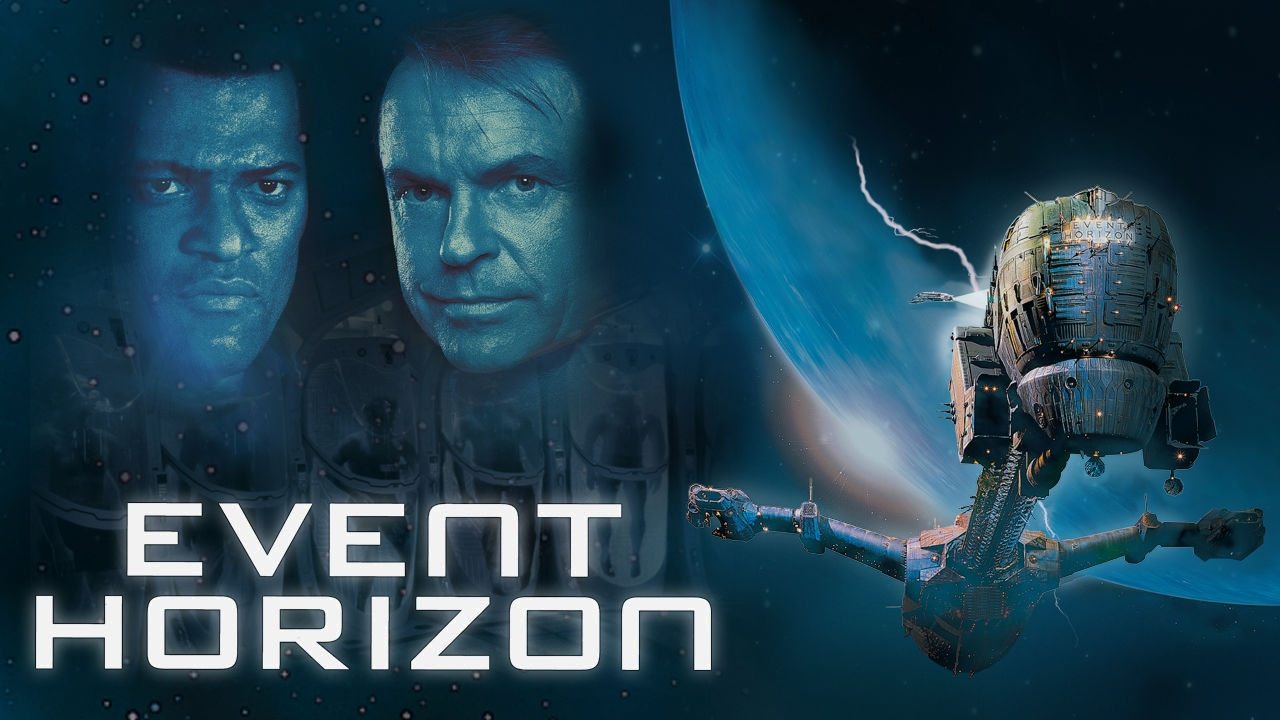
The setup is classic space rescue: the year is 2047, and the experimental starship Event Horizon, missing for seven years after testing its revolutionary gravity drive capable of folding space-time, mysteriously reappears in orbit around Neptune. The rescue vessel Lewis and Clark, commanded by the stoic Captain Miller (Laurence Fishburne, bringing the same gravitas he’d later lend to The Matrix (1999)), is dispatched, carrying the Event Horizon's troubled designer, Dr. William Weir (Sam Neill, perfectly cast). Weir believes his creation is a triumph; Miller and his crew just want to find survivors and get home. What they find instead is a charnel house adrift in the cosmos, a ship seemingly possessed by an intelligence spawned from a dimension of pure chaos and suffering.
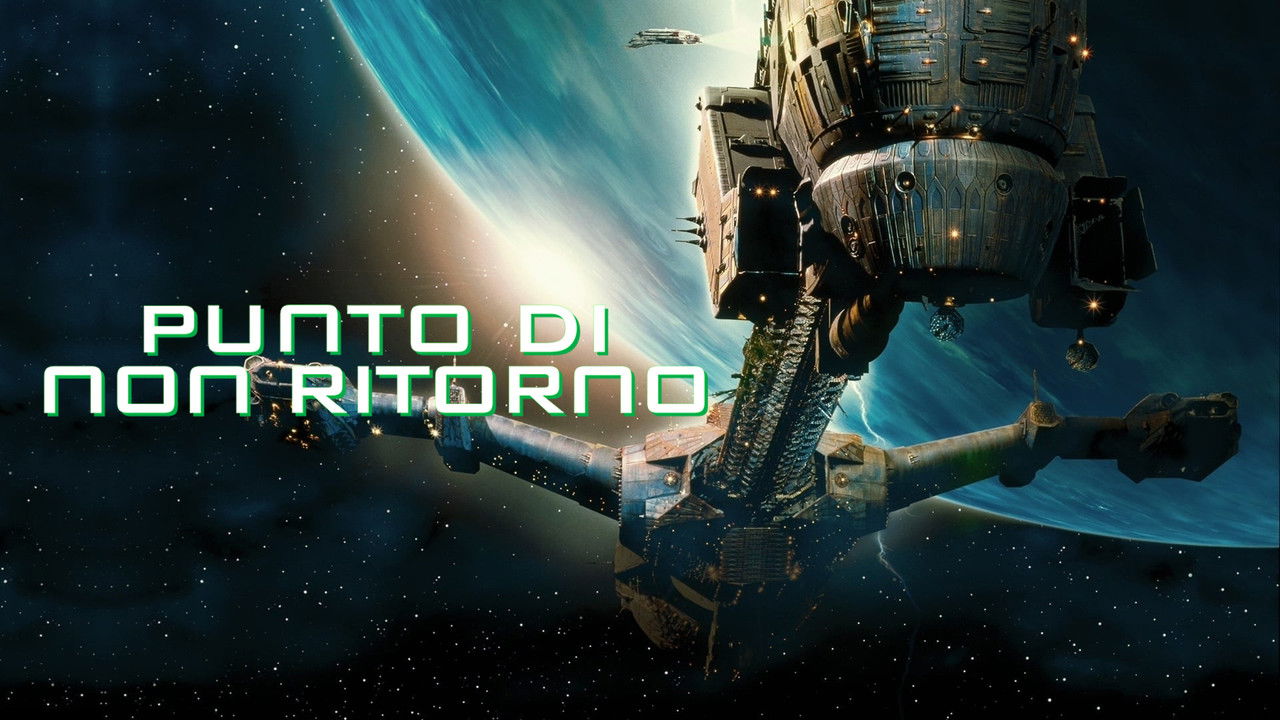
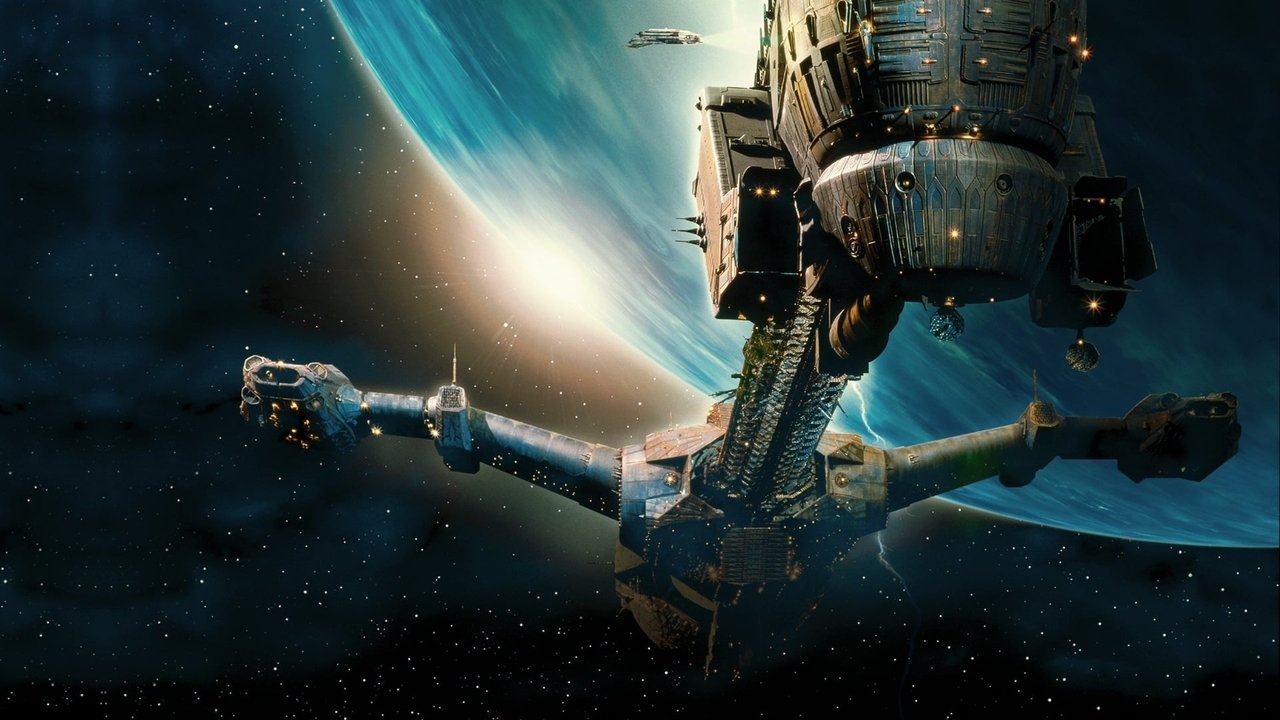
Paul W.S. Anderson (credited then as Paul Anderson, years before his Resident Evil franchise) directs with a palpable, almost suffocating sense of dread. The film looks incredible, even today. The production design is a masterclass in contrast: the functional, lived-in corridors of the Lewis and Clark versus the cavernous, Gothic architecture of the Event Horizon. That central corridor, resembling a spine or a cathedral nave, is instantly iconic and deeply unsettling. It’s less a spaceship, more a monument to hubris waiting to crumble. The atmosphere is thick with menace, amplified by a score blending the orchestral might of Michael Kamen with the unsettling electronic pulses of Orbital.
Visions from the Void
What truly elevates Event Horizon beyond standard sci-fi horror is its descent into psychological torment and visceral body horror. The ship doesn’t just have ghosts; it actively preys on the crew’s deepest fears and regrets, manifesting hallucinatory visions tailored to break them. Peters (Kathleen Quinlan, bringing genuine pathos) sees her disabled son, Miller is haunted by a subordinate he left behind, and Weir... well, Weir’s connection to the ship becomes something far more intimate and terrifying.
The film’s infamous production history adds another layer to its dark allure. Shot largely at Pinewood Studios in the UK on a hefty $60 million budget, it faced a notoriously tight post-production schedule after Anderson’s previous film, Mortal Kombat (1995), shifted release dates. Paramount, reportedly horrified by the extreme gore and disturbing imagery in Anderson’s initial, much longer cut (rumored to be over 130 minutes), demanded significant trims after disastrous test screenings. Much of this excised footage, depicting the original crew’s descent into orgiastic violence and self-mutilation within the chaos dimension, is now the stuff of legend – lost forever, adding to the film's cult mystique. What remains is still incredibly potent, featuring some truly disturbing practical effects and makeup work that pushed the boundaries of mainstream horror in the late 90s. Remember the medical bay scene? Or Weir's final, eyeless pronouncements? That imagery felt disturbingly real on grainy VHS, seared into the mind.
A Descent into Cult Status
While Laurence Fishburne provides a grounded, authoritative anchor, the film belongs to Sam Neill. His transformation from guilt-ridden scientist to gleeful emissary of cosmic agony is genuinely chilling. Watching his composure slowly crack, replaced by that wild-eyed, scarified grin, is one of the great horror performances of the decade. He sells the madness with terrifying conviction. The supporting cast, including Joely Richardson and Sean Pertwee, do admirable work portraying the crew's mounting terror and desperation.
Event Horizon wasn't a box office smash upon release (grossing only around $47 million worldwide against its $60 million budget), and critics were sharply divided, many put off by its bleakness and graphic violence. Yet, like the ship itself, it refused to stay lost. On home video, it found its audience. Fans embraced its potent blend of Alien's claustrophobia, Hellraiser's sadomasochistic dimension-hopping, and Solaris's psychological hauntings. It tapped into that specific late-90s vein of dark sci-fi, exploring themes of unchecked scientific ambition, the fragility of sanity when confronted with the truly unknown, and the chilling possibility that the universe holds terrors far worse than mere emptiness. Doesn't that core idea – that folding space might accidentally punch a hole into Hell – still feel uniquely unsettling?


### The Verdict in the Airlock
Event Horizon is undeniably flawed. The pacing occasionally stumbles, and some character arcs feel truncated, perhaps casualties of those studio-mandated cuts. It wears its influences proudly, sometimes bordering on derivation. Yet, its strengths are undeniable and enduring: a suffocating atmosphere, stunning production design, genuinely shocking bursts of gore and psychological horror, and a career-best villain turn from Sam Neill. It’s a film that commits fully to its dark, nihilistic vision, refusing easy answers or comforting resolutions. It might not be high art, but it’s potent, visceral genre filmmaking that understands how to burrow under your skin. Watching it again now, it still delivers that specific chill, that feeling of cosmic dread mixed with brutal, in-your-face horror that few films manage so effectively.
Rating: 8/10
Justified by its masterful atmosphere, iconic design, Neill's unforgettable performance, and its enduring cult legacy built on genuine scares and disturbing concepts, even despite studio interference impacting its final form. It remains a potent slice of late-90s sci-fi horror that proved space wasn't the final frontier – sometimes, it's just the gateway to something far, far worse. A true VHS rental store nightmare classic.