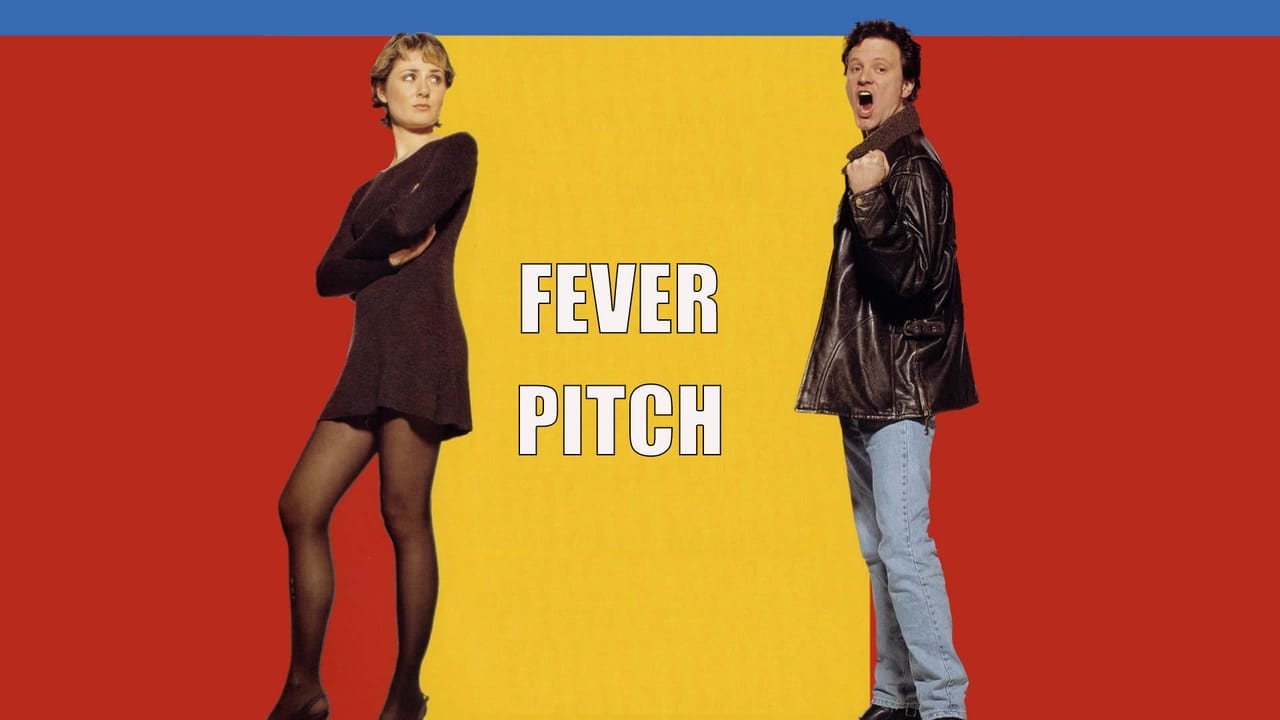
It starts, as obsessions often do, quietly. A flicker of interest, a shared moment, then suddenly, it’s everything. For Paul Ashworth, the perpetually exasperated English teacher at the heart of 1997’s Fever Pitch, that obsession isn't just a hobby; it’s the very scaffolding of his life, and its name is Arsenal Football Club. Watching it again, all these years later, perhaps on a well-loved tape rescued from the attic, the film resonates not just as a charming British rom-com, but as a surprisingly poignant look at how we build identities around the things we love, sometimes to the exclusion of everything else.
### More Than Just a Game
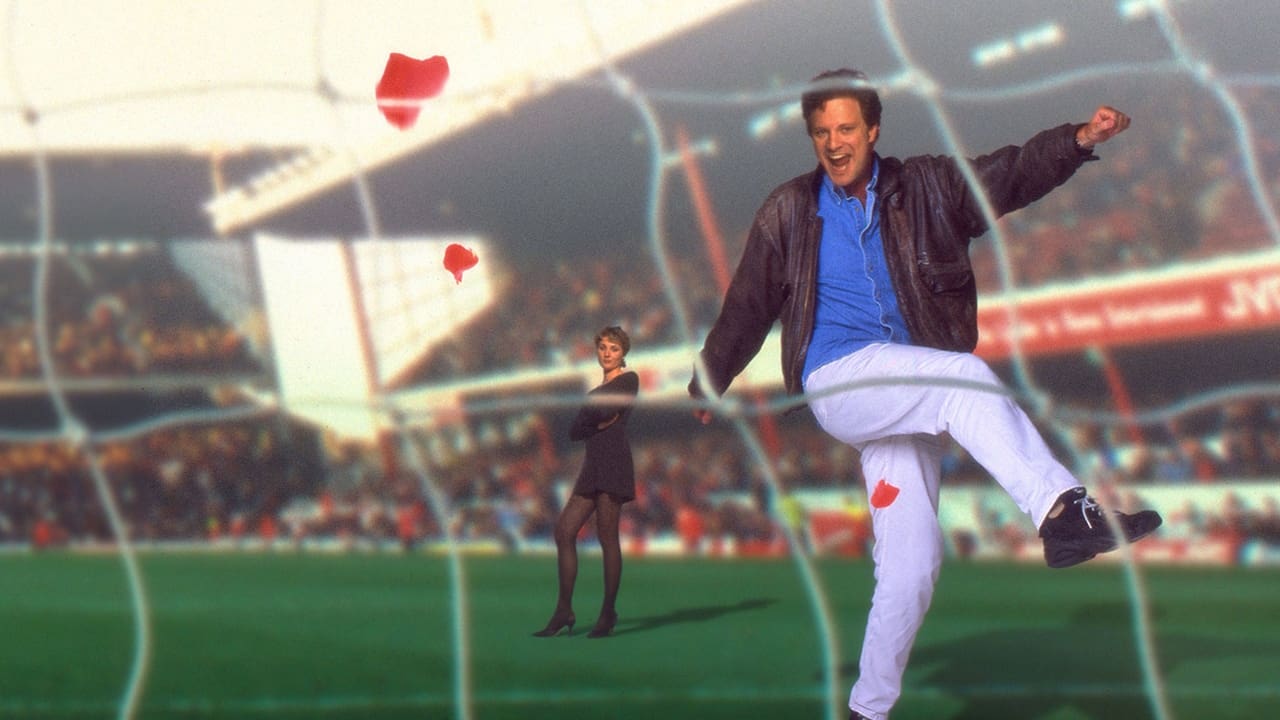
Based on Nick Hornby’s incredibly popular and deeply personal 1992 memoir, the film wisely narrows its focus, largely centering on the tumultuous 1988-89 First Division season – a season etched into the memory of every Arsenal supporter for its nail-biting, last-kick-of-the-last-game championship win against Liverpool at Anfield. This historical backdrop isn't just set dressing; it’s the turbulent sea upon which Paul's life, and his burgeoning relationship with the decidedly non-football-obsessed Sarah Hughes, navigates. David Evans, directing from Hornby’s own screenplay adaptation, captures the very specific feel of late 80s/early 90s Britain – the slightly grey, pre-Cool Britannia vibe, the pubs, the terraces packed with hope and anxiety. It feels lived-in, authentic, a world away from the glossier American remake that would follow years later (starring Drew Barrymore and Jimmy Fallon, focused on the Boston Red Sox).
Colin Firth, then perhaps best known to many as Mr. Darcy from the BBC's Pride and Prejudice (1995), embodies Paul not as a caricature of a fan, but as a man genuinely struggling to reconcile his all-consuming passion with the demands of adult life and love. It’s a performance layered with vulnerability beneath the F-bombs shouted at the telly. His Paul is intelligent, witty, capable of connection, but utterly beholden to the rhythms and (mostly) disappointments of his team. Firth reportedly knew next to nothing about football before taking the role, a fact that perhaps allowed him to focus entirely on the emotional core of fandom – the irrational hope, the crushing lows, the superstitions, the sheer tribal belonging. You believe him when a goal feels like a personal triumph and a loss like a bereavement.

### The Heart of the Matter
Opposite Firth, Ruth Gemmell as Sarah is the film’s anchor in reality. She’s the new teacher at Paul’s school, initially charmed by his unconventional ways, then increasingly bewildered and frustrated by the third participant in their relationship: twenty-two men chasing a ball. Gemmell plays Sarah with a wonderful blend of warmth, intelligence, and exasperation. She isn't portrayed as shrewish or demanding for wanting her partner to, well, be a partner. Her journey is one of trying to understand – and ultimately, accept or reject – this fundamental, seemingly immovable part of Paul's identity. Their arguments feel real, rooted in the classic conflict of individual passions versus shared lives. Does loving someone mean embracing their obsessions, even when they seem utterly baffling? The film doesn't offer easy answers.
Supporting players, including a typically reliable Mark Strong as Paul’s more cynical best mate Steve, round out the cast effectively, grounding the story in believable friendships and shared histories. They represent the community aspect of fandom, the collective experience that Paul finds so vital.

### Capturing the Era and the Emotion
Nick Hornby’s writing, honed from his own lived experience, is the film’s greatest strength. The dialogue crackles with authenticity, capturing the specific language and anxieties of both committed fandom and hesitant romance. There’s a bittersweet quality to it all, an understanding that this level of devotion, while providing structure and moments of ecstatic joy, also comes at a cost. Hornby was famously hands-on during filming, ensuring the football details felt right, a dedication mirrored by the production managing to film scenes at Arsenal's actual Highbury stadium – a detail that lends incredible weight and realism, especially for anyone familiar with that iconic ground before its closure. You can almost smell the Bovril and wet wool.
The film taps into something deeper than just football; it's about memory, nostalgia, and how certain events – a match, a goal, a shared moment on the terraces – become markers in our personal histories. Paul charts his life through Arsenal's seasons, linking personal milestones and failures to the team's performance. It’s a coping mechanism, perhaps, but also a way of making sense of a chaotic world. Doesn't this urge to find patterns and meaning in external events resonate, even if our chosen 'team' isn't a football club?
While firmly rooted in its time and place, the film’s exploration of the compromises inherent in relationships, and the struggle to integrate deeply ingrained personal passions with shared commitments, feels surprisingly timeless. It avoids easy sentimentality, acknowledging the real friction and frustration involved.

Rating: 8/10
Fever Pitch earns its stripes (or should that be hoops?) through its honest portrayal of obsession, stellar lead performances that feel utterly truthful, and Nick Hornby's insightful, witty script. It perfectly captures a specific moment in British culture and football history, grounding its romantic comedy elements in something real and relatable. While its appeal might be strongest for those with a passing interest in football or an appreciation for British cinema of the era, the core emotional journey of Paul and Sarah transcends the specifics of the sport. It might occasionally feel a touch melancholic for a rom-com, but its refusal to offer simple resolutions is precisely what makes it stick with you.
It remains a wonderfully authentic slice of life, a reminder that sometimes the things we love most are the things that challenge us, and our relationships, the hardest. A true gem from the era before football, and perhaps filmmaking, got quite so polished.