It begins, as so many sea voyages do, with a promise of escape. But the salty air aboard the S.S. Destiny, slicing through the Mediterranean towards Istanbul, quickly becomes thick with something far more potent and perilous than mere wanderlust. Roman Polanski's 1992 psychosexual drama Bitter Moon isn't interested in postcards from paradise; it plunges us headfirst into the turbulent waters of obsessive love and its inevitable, devastating wreckage.
### An Unlikely Confession
We experience the journey primarily through the eyes – and increasingly troubled mind – of Nigel, played with a fascinating stiffness by a pre-Four Weddings Hugh Grant. He and his wife Fiona (Kristin Scott Thomas, radiating intelligent unease) are a picture of British reserve, hoping to rekindle their own lukewarm marital spark. Their polite equilibrium is shattered by encounters with another couple: the beautiful, enigmatic Mimi (Emmanuelle Seigner) and her wheelchair-bound American husband, Oscar (Peter Coyote), a failed writer simmering with cynicism and a story he’s desperate to tell. And tell it he does, trapping the initially reluctant, then morbidly fascinated Nigel in a conversational undertow, recounting the consuming, destructive affair that defined his life with Mimi.
### Paris When It Sizzles... and Burns

Polanski, no stranger to exploring the darker corridors of the human psyche (think Repulsion (1965) or Chinatown (1974)), masterfully contrasts the present-day confinement of the cruise ship with sun-drenched, then increasingly shadowed, flashbacks to Oscar and Mimi’s Parisian courtship. What starts as an electrifying, almost impossibly passionate connection – a whirlwind of erotic abandon captured with raw intimacy – gradually curdles. The film, adapted from Pascal Bruckner's novel Lunes de fiel, unflinchingly charts the descent from ecstatic obsession into emotional cruelty, manipulation, and a desperate, toxic codependency. It asks uncomfortable questions: where does intense passion end and pathology begin? Can love survive absolute honesty, or does it require certain illusions?
Peter Coyote is simply magnetic as Oscar. His voice, a low, hypnotic purr dripping with world-weariness and venom, delivers the confessional narrative. Even confined to his chair, he commands the screen, a broken man weaponizing his own painful history. Emmanuelle Seigner, Polanski's wife (a fact that adds another layer of unsettling meta-commentary given the material), undergoes a stunning transformation. She is introduced as a naive, captivating dancer, full of life, but the relationship’s corrosion reshapes her into someone hardened, vengeful, yet still possessing a dangerous allure. It's a brave, challenging performance.
And then there's Hugh Grant. Seeing him here, before he became the charmingly flustered staple of British rom-coms, is a revelation. Nigel is initially appalled by Oscar's explicit tales, yet undeniably drawn in, his own repressed desires stirred by the sheer intensity of what he’s hearing. Grant perfectly captures this uncomfortable voyeurism, the gradual erosion of his character's propriety. It’s a performance that hints at a dramatic range he perhaps wasn't allowed to explore often enough later in his career. Reportedly, Grant initially turned down the role, finding the script somewhat perverse, but Polanski eventually persuaded him – a choice that adds a fascinating footnote to his filmography.

### Crafting Claustrophobia
Polanski uses the ship setting brilliantly. It becomes a floating pressure cooker, forcing these characters into uncomfortable proximity. The corridors feel narrow, the cabins confining, mirroring the inescapable nature of Oscar and Mimi's shared past and the tightening psychological grip on Nigel and Fiona. The lush, evocative score by Vangelis, known for his iconic work on Blade Runner (1982), adds another layer of atmosphere, shifting from romantic swells to unsettling dissonance.
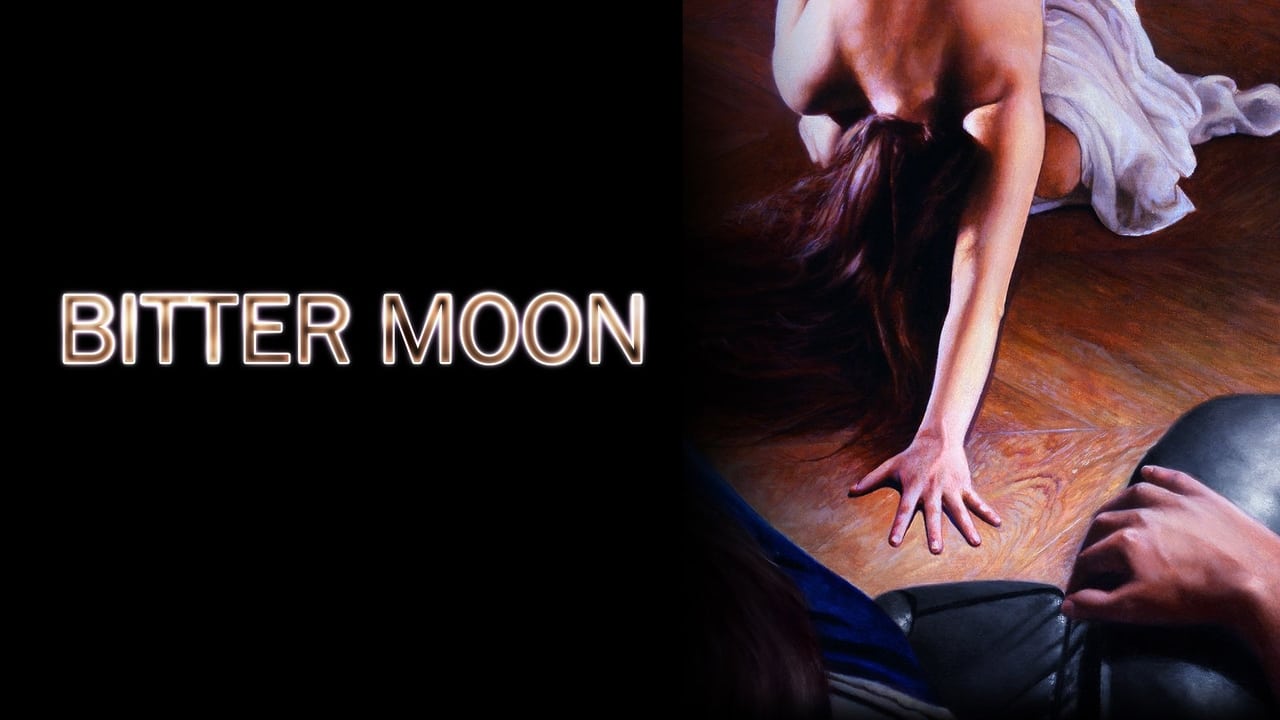
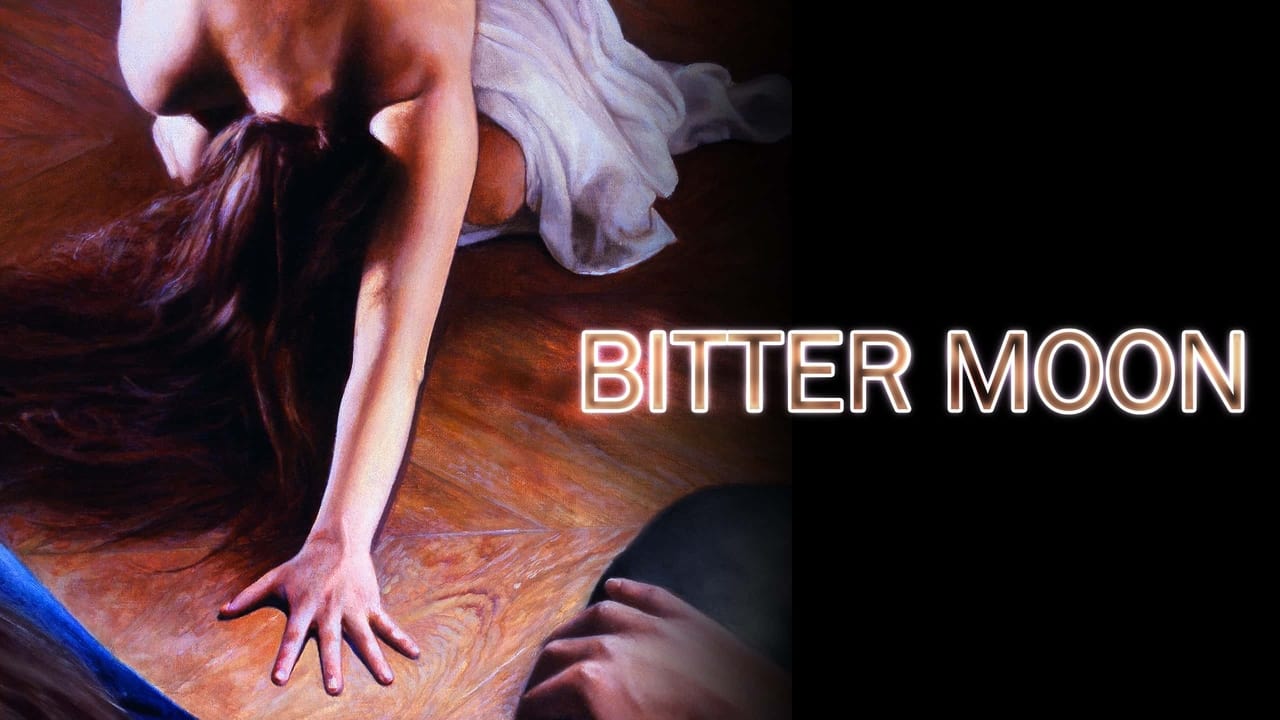
Made on a relatively modest budget (around $5 million), Bitter Moon wasn't a mainstream hit, particularly in the US where its challenging sexual content led to distribution difficulties and an initial unrated release before settling on an NC-17. It found more traction internationally and has since cultivated a dedicated following, precisely because it is so uncompromising. It’s the kind of film that likely shocked unsuspecting renters browsing the "Drama" section at Blockbuster, expecting something far tamer. I distinctly remember the provocative VHS cover art promising something dark and adult, and the film certainly delivered on that promise, lingering long after the tape was rewound.
### The Lingering Taste

Bitter Moon is not an easy watch. It’s deliberately provocative, exploring the destructive potential that lies dormant within intense desire. It pushes boundaries and forces viewers to confront uncomfortable truths about power, submission, and the games people play in the name of love. Some might find it relentlessly bleak or even exploitative, and those are valid responses to its often brutal honesty. Yet, there’s an undeniable artistry in Polanski’s control, in the compelling performances, and in the film's willingness to dive deep into psychological territory few mainstream films dare to tread. It examines how storytelling itself can be a form of seduction and manipulation, as Oscar weaves his narrative spell over Nigel.
Rating: 8/10 - This score reflects the film's powerful direction, compelling performances, and daring exploration of dark themes. It’s a technically masterful, psychologically gripping piece of filmmaking that achieves exactly what it sets out to do, even if its subject matter is inherently challenging and potentially off-putting for some viewers. It’s provocative cinema that earns its intensity.
Bitter Moon remains a potent, unsettling experience – a reminder that the most dangerous journeys aren't always across oceans, but through the uncharted, often treacherous landscapes of the human heart. What truly binds two people together, it asks, passion or shared scars?