Sometimes, amidst the gritty realism and digital wizardry that came to dominate screens later, you stumble back upon a film that reminds you of the pure, unadulterated joy of classic adventure storytelling. A film crafted with such care, confidence, and palpable energy that it feels both timeless and like a warm embrace from a bygone era of filmmaking. For me, watching Philippe de Broca’s 1997 swashbuckler On Guard (or Le Bossu, its original, more evocative French title) again recently felt exactly like that – rediscovering a hidden gem on a dusty video store shelf, promising grand romance, flashing blades, and righteous revenge.
A Flourish of Gallic Flair
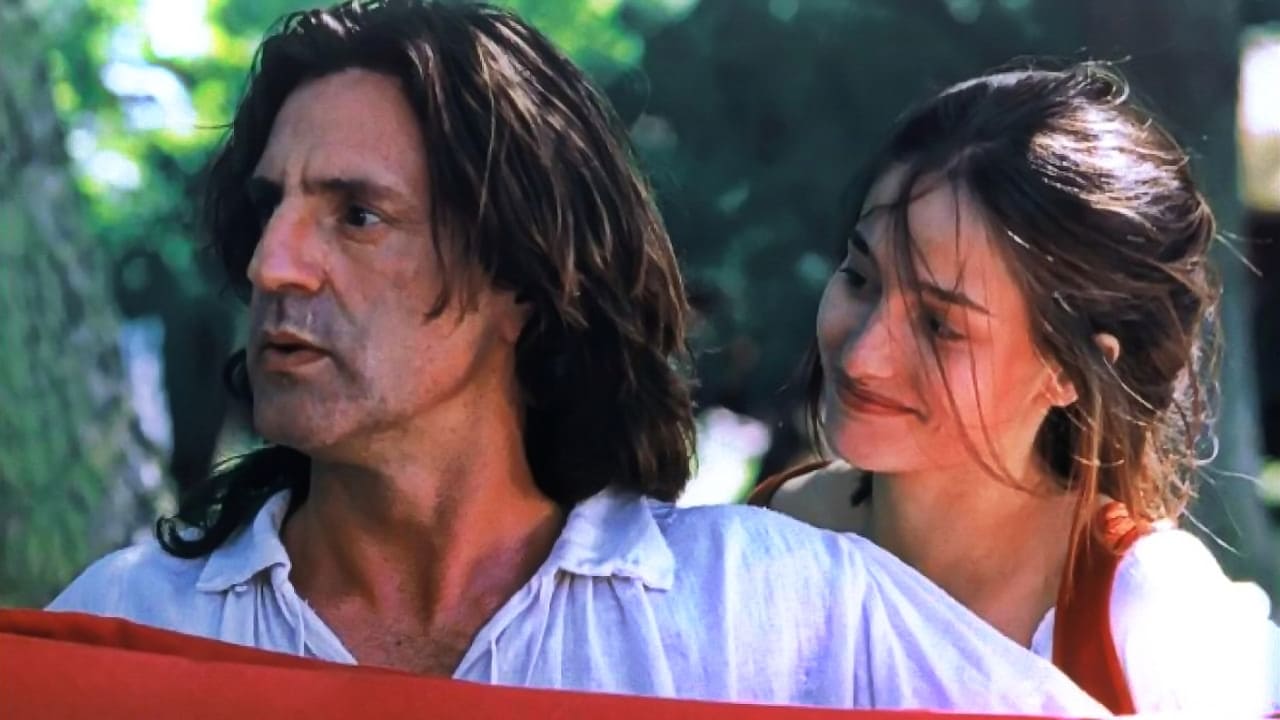
What strikes you immediately about On Guard is its sheer confidence. This isn't a tentative dip into the swashbuckling genre; it's a full-throated embrace. De Broca, a director who already had impeccable adventure credentials with films like the jaunty That Man from Rio (1964) and the earlier swashbuckler Cartouche (1962), clearly knew and loved this territory. Based on Paul Féval’s sprawling 1858 novel, which had seen previous screen incarnations (most notably a beloved 1959 version starring Jean Marais), this late-90s adaptation feels definitive in its own way. It boasts a lavishness – reportedly costing around 160 million French Francs, a hefty sum for its time – evident in every frame, from the impeccable period costumes (which rightfully won a César Award) to the stunning location work across historic French châteaux like Queyras and Valençay. The cinematography by Jean-François Robin captures it all with a rich, textured quality that feels perfectly suited to a grand tale spanning decades.
The Blade and the Broken Man
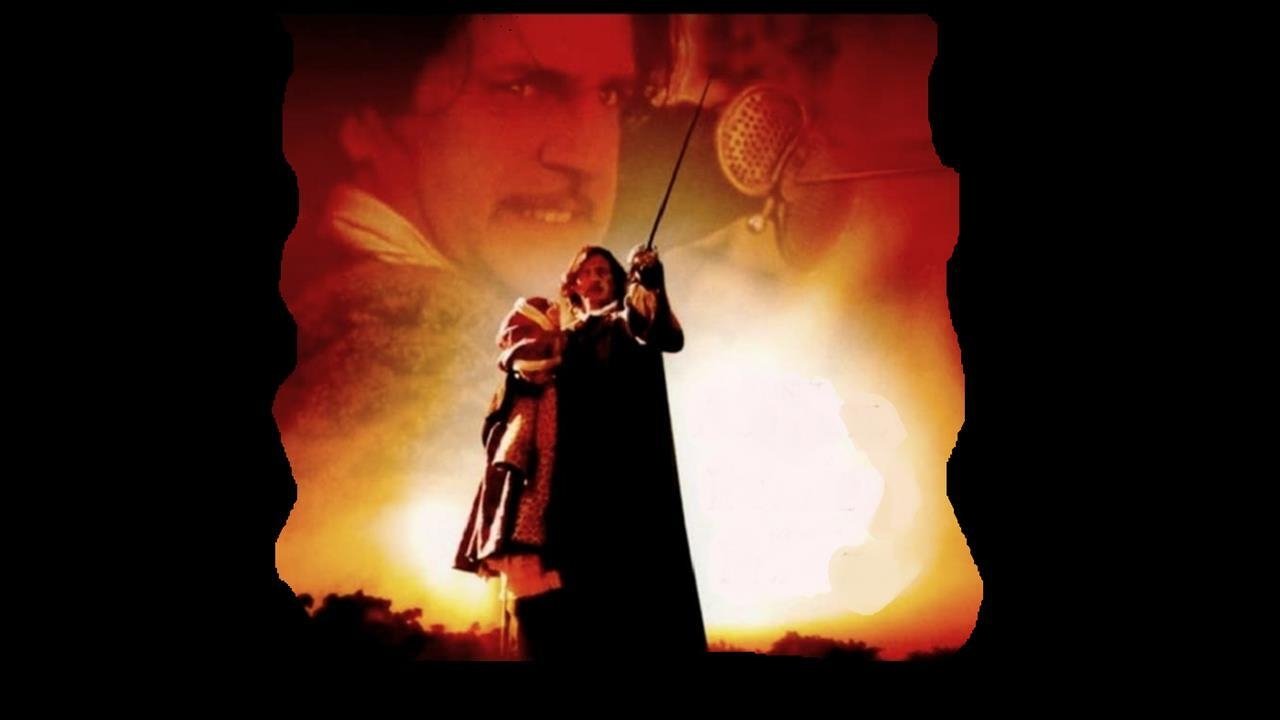
At its heart, On Guard is driven by two exceptional performances. Daniel Auteuil, already a giant of French cinema known for powerful dramatic work in films like Jean de Florette (1986), is simply magnificent as Lagardère. He’s initially presented as a cocky, supremely skilled swordsman, but circumstances force him into a long game of deception and disguise. His transformation into the titular 'Bossu' (Hunchback) isn't just a physical disguise involving clever makeup and posture; Auteuil imbues this broken persona with a cunning intelligence and a simmering, barely contained desire for vengeance. It's a performance of remarkable duality, capturing both the swagger of the original man and the watchful patience of his assumed identity. I recall watching him, years ago on a slightly fuzzy VHS tape, and being utterly convinced by the pain and purpose etched onto his face, even beneath the prosthetics.
Counterbalancing Auteuil's righteous quest is the deliciously slimy Comte de Gonzague, played with repellent perfection by Fabrice Luchini. Luchini avoids pantomime villainy, instead crafting a character whose evil stems from insidious ambition, cowardice, and a chilling lack of empathy. His Gonzague is oily, manipulative, and utterly believable in his poisonous charm. The dynamic between Auteuil and Luchini crackles with tension, providing the film's compelling central conflict. And we can't forget the charismatic, ill-fated Duke de Nevers, played with effortless élan by Vincent Perez (Queen Margot, 1994), whose tragic demise sets the entire plot in motion, or the spirited Marie Gillain as his daughter Aurore, raised in secret by Lagardère.
Steel, Stunts, and Storytelling
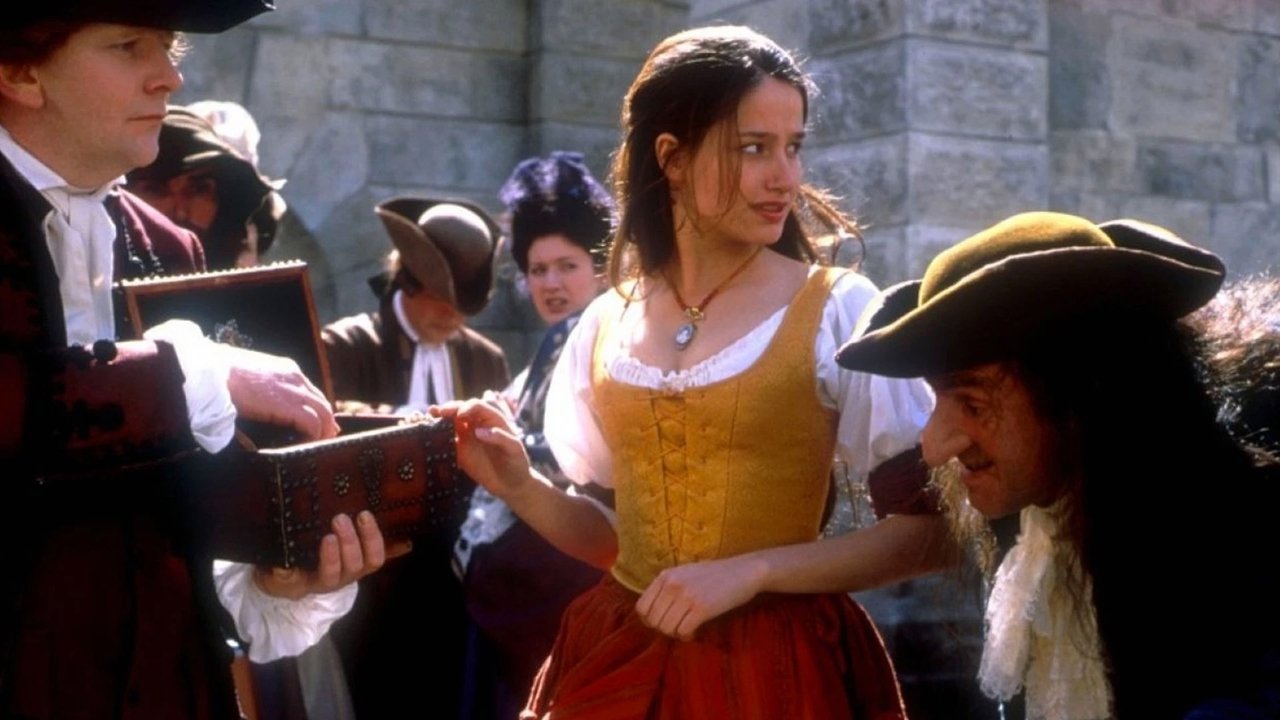
One of the absolute joys of On Guard lies in its action sequences. In an era before CGI dominated fight choreography, the swordplay here feels thrillingly real and expertly staged. You sense the weight of the blades, the speed of the parries, the genuine physical exertion. Auteuil, despite his dramatic background, throws himself into the physicality of the role, making Lagardère a truly formidable presence. There’s a particular fluidity and excitement to these duels that modern action sometimes lacks, a visceral quality that keeps you on the edge of your seat. It’s a reminder of how effective practical stunt work and clever choreography can be. De Broca doesn’t just stage fights; he uses them to reveal character and advance the plot, culminating in the legendary moment where Lagardère delivers his iconic threat: "Si tu ne viens pas à Lagardère, Lagardère ira à toi!" ("If you don't come to Lagardère, Lagardère will come to you!") – a line ingrained in French pop culture, delivered here with chilling conviction.
Beyond the Duel: A Tale of Loyalty and Time
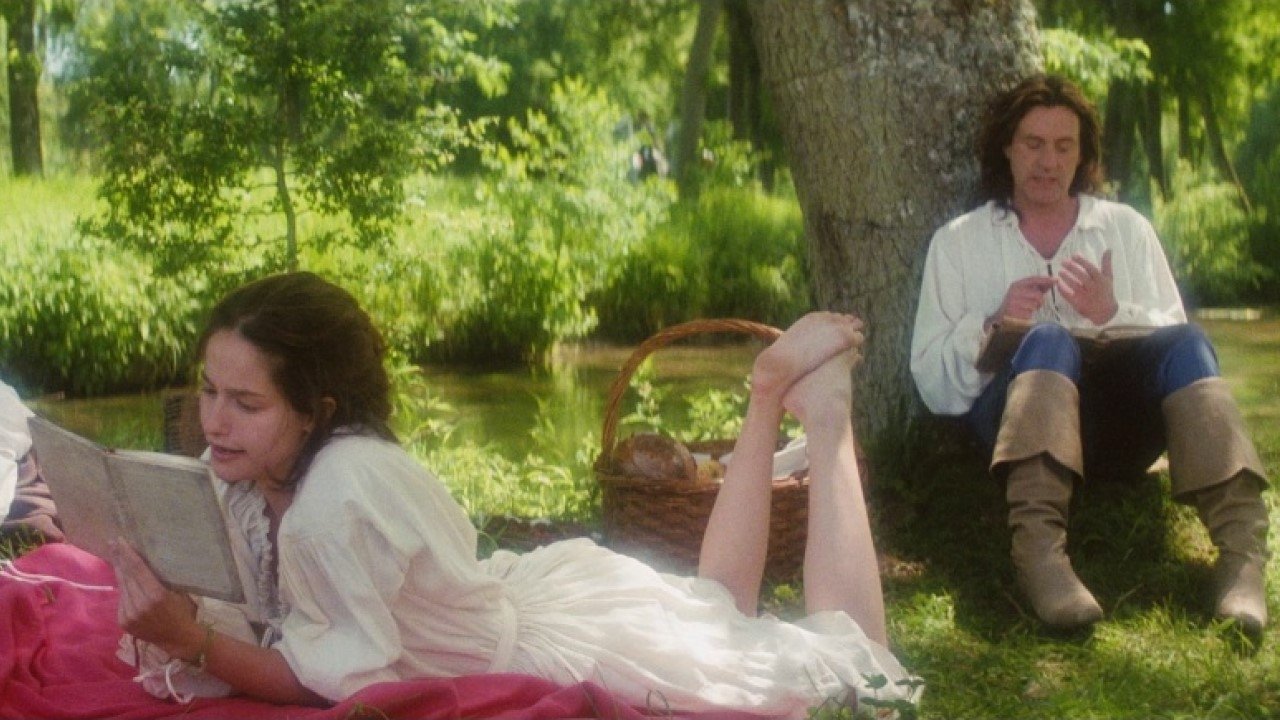
But On Guard offers more than just thrilling sword fights and period costumes. It’s a surprisingly moving story about loyalty, identity, and the enduring power of a promise. The bond that develops between Lagardère and Aurore, the daughter he raises as his own while plotting revenge for her father, forms the emotional core of the film. It adds layers of tenderness and complexity to Lagardère's quest, transforming it from a simple revenge saga into something richer. What does it mean to dedicate your life to fulfilling an oath made to a dying friend? How does assuming another identity for years change who you are? The film touches on these questions gracefully, adding depth to the adventure. It was a critical darling in France, securing multiple César nominations, and a box office smash, proving audiences were still hungry for this kind of epic, heartfelt storytelling.

***
Rating: 9/10
This rating reflects the film's superb craftsmanship, outstanding performances (particularly Auteuil and Luchini), thrilling action, and emotionally resonant story. It's a top-tier example of the swashbuckling genre, executed with style, intelligence, and heart. It falters only slightly perhaps in its considerable length (128 minutes), but rarely feels padded due to the engaging plot and characters. On Guard is a magnificent adventure, a reminder of the grand epics that once filled the screen, and a film that absolutely rewards rediscovery – preferably with a comfy chair and perhaps a nostalgic flicker from an imaginary CRT. It’s a film that truly earns its flourish.