Okay, settle in, grab your preferred beverage (maybe something that pairs well with slightly anachronistic medieval romance?), and let's rewind the tape back to 1995. Remember First Knight? It arrived on the scene like a gleaming, polished suit of armour – maybe not the gritty, mud-caked reality of the Dark Ages, but undeniably eye-catching. Instead of delving deep into the mysticism of Arthurian legend, this was Camelot by way of Hollywood Boulevard, focusing intensely on the human heart of the story: the iconic love triangle.
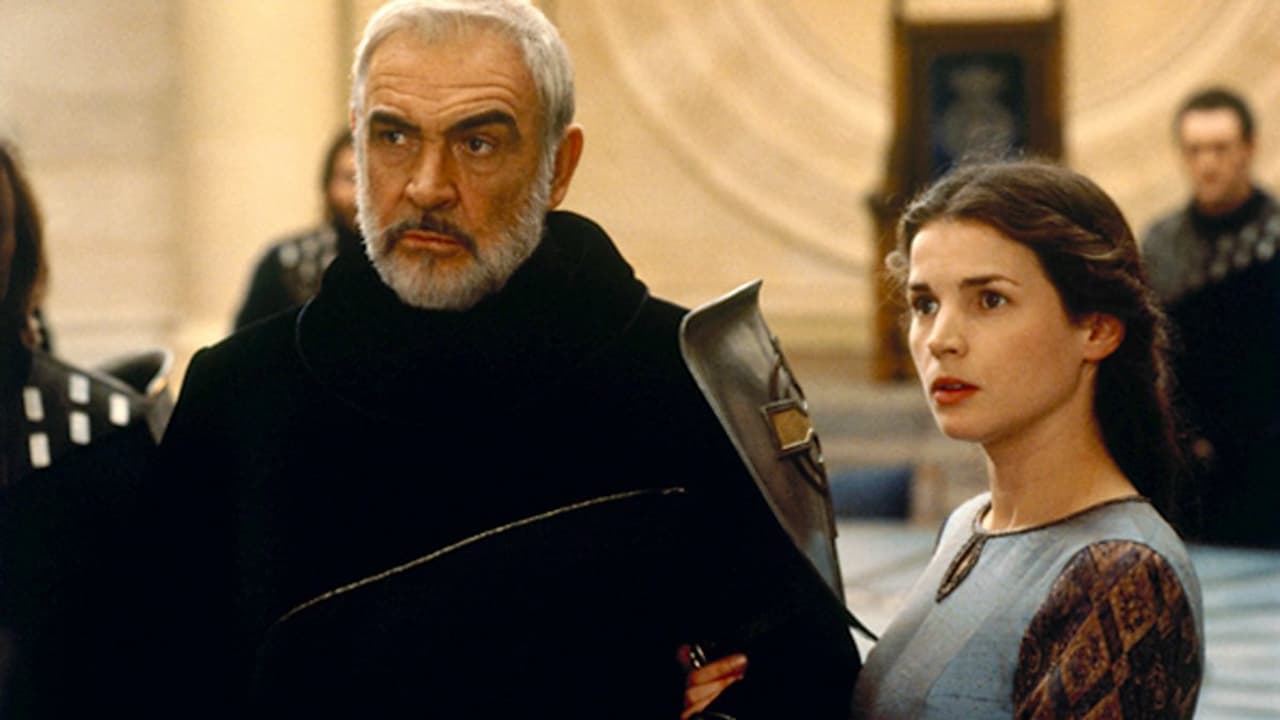
Directed, perhaps surprisingly, by Jerry Zucker – yes, the very same comedic maestro who gave us the sheer absurdity of Airplane! and The Naked Gun – First Knight was a distinct pivot. Having already proven his dramatic chops with the massive success of Ghost (1990), Zucker aimed for epic scale here, trading slapstick for swordplay. It was a bold move, and the result is a film that feels earnest, visually stunning, and powered by sheer star wattage, even if it sometimes feels a little too clean-shaven for its own good.
### A Triangle Forged in Camelot
The setup is classic: the wise, noble King Arthur of Camelot (Sean Connery, radiating pure regal authority) is set to marry the beautiful and intelligent Lady Guinevere of Leonesse (Julia Ormond, in a role that felt like a star-making turn). Their union promises peace and stability. Enter Lancelot (Richard Gere), a wandering swordsman of incredible skill but seemingly devoid of loyalty to any cause beyond himself. After Lancelot rescues Guinevere from an ambush by the film's villain – the ruthless former knight Malagant (Ben Cross) – sparks inevitably fly. Guinevere finds herself torn between duty to her noble king and undeniable attraction to the charismatic rogue. It's the oldest story, told with a certain 90s flair.
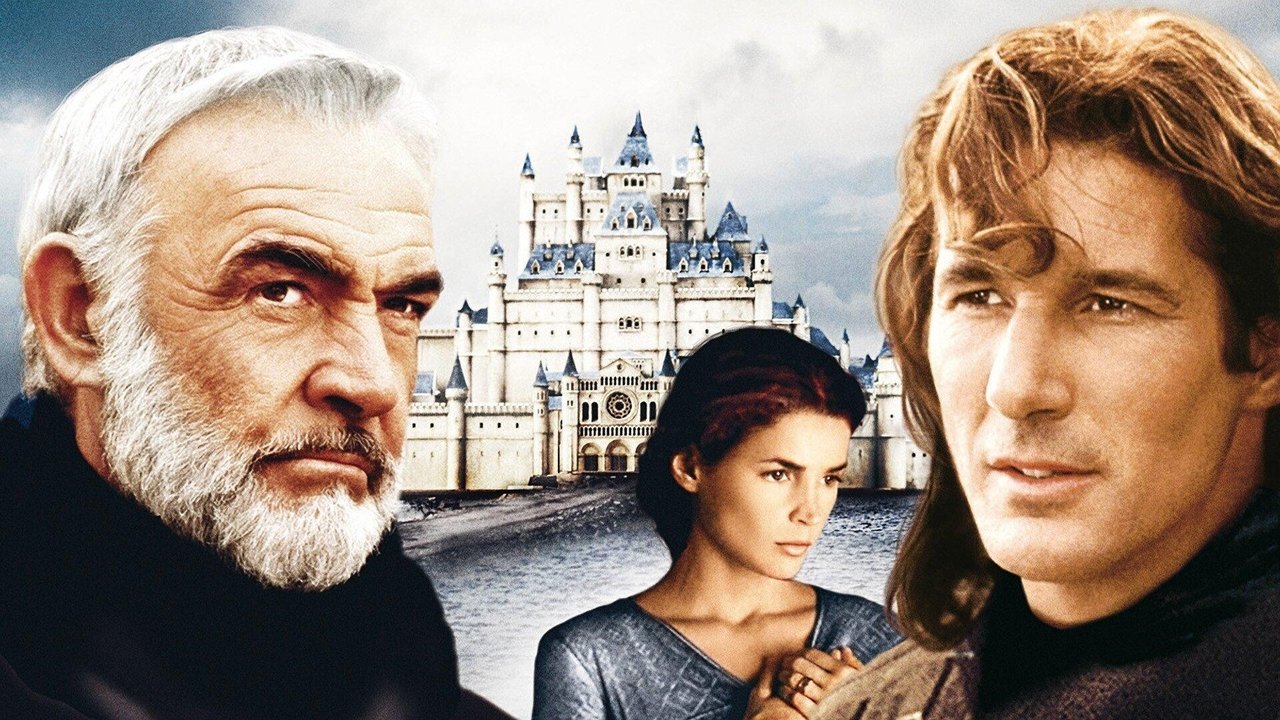
What really anchored this film, pulling folks into rental stores, was that cast. Sean Connery is Arthur. He doesn't just play the king; he embodies a kind of weary nobility, a man burdened by leadership but still capable of warmth and inspiration. You completely buy him as the legendary figure. Richard Gere, fresh off huge hits like Pretty Woman (1990), brings his signature charm to Lancelot, though his portrayal feels distinctly modern – less a knight of medieval lore, more a broodingly handsome drifter with excellent hair and sword skills. It’s a performance that perhaps divided audiences then and now, but his chemistry with Julia Ormond is palpable. Ormond herself holds her own beautifully, conveying Guinevere's strength and vulnerability in a difficult position.
### Sunshine and Steel
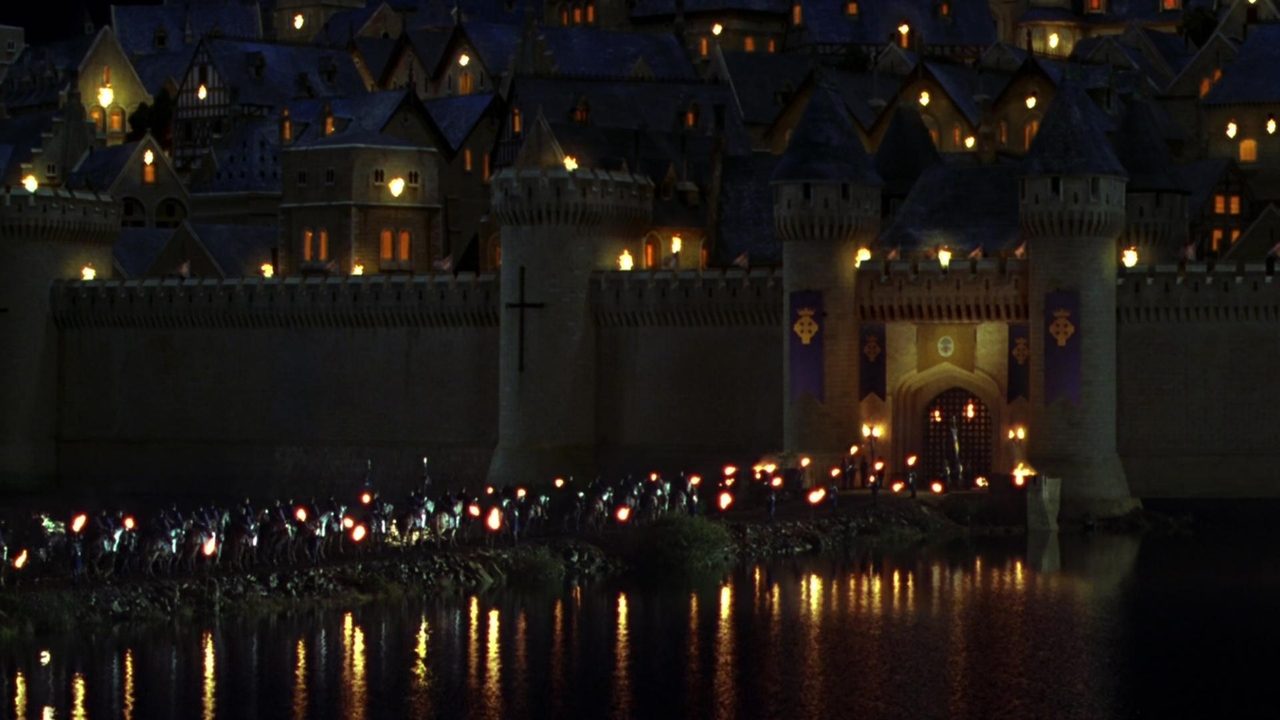
One of the most striking things about First Knight, especially revisiting it now, is its look. This isn't the mist-shrouded, earthy Camelot of Excalibur (1981). Production designer John Box, an absolute titan who won Oscars for his work on Lawrence of Arabia (1962) and Doctor Zhivago (1965), crafted a Camelot that is bright, sprawling, and almost utopian in its design. It’s gorgeous to look at, even if historical purists might raise an eyebrow. Filmed primarily in the UK, utilizing stunning landscapes in Wales and England alongside impressive sets at Pinewood Studios, the movie certainly feels big.
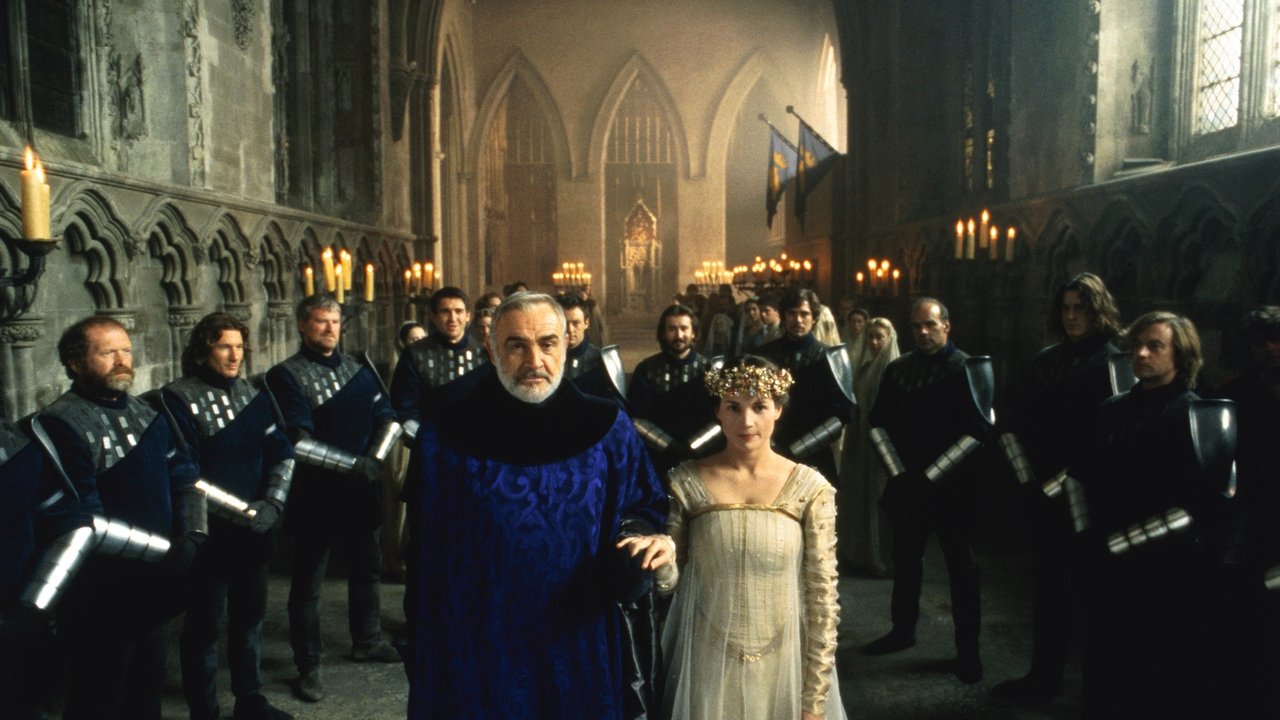
This visual splendour extends to the action. While the film deliberately sidesteps magic – no Merlin, no supernatural elements, a conscious choice by writer William Nicholson (who would later co-write Gladiator) to ground the story – it delivers on the spectacle front. The battle scenes, particularly the final siege of Camelot, are impressively staged with scores of extras and practical stunts. There's a weight to the clashes, even if they lack the brutal intensity found in, say, Braveheart, which coincidentally stormed cinemas the very same year. The rousing, majestic score by the legendary Jerry Goldsmith certainly helps sell the scale and romance.
### Retro Fun Facts & Reception
- Budgetary Bets: Made for around $55 million (a hefty sum in '95, roughly $110 million today!), First Knight pulled in about $127 million worldwide (around $254 million today). Respectable, but perhaps not the blockbuster Columbia Pictures might have hoped for, especially compared to Braveheart's haul and awards success.
- Grounded Legend: The decision to omit magic was controversial for some Arthurian fans, but Zucker and Nicholson felt it strengthened the human drama and the central love triangle.
- Critical Divide: Reviews at the time were decidedly mixed (it currently sits at 44% on Rotten Tomatoes). Critics praised Connery and the visuals but were often less convinced by Gere's Lancelot and the film's overall tone, sometimes finding it emotionally muted despite the romantic premise. Audiences seemed a bit warmer, likely drawn by the stars and the promise of epic adventure.
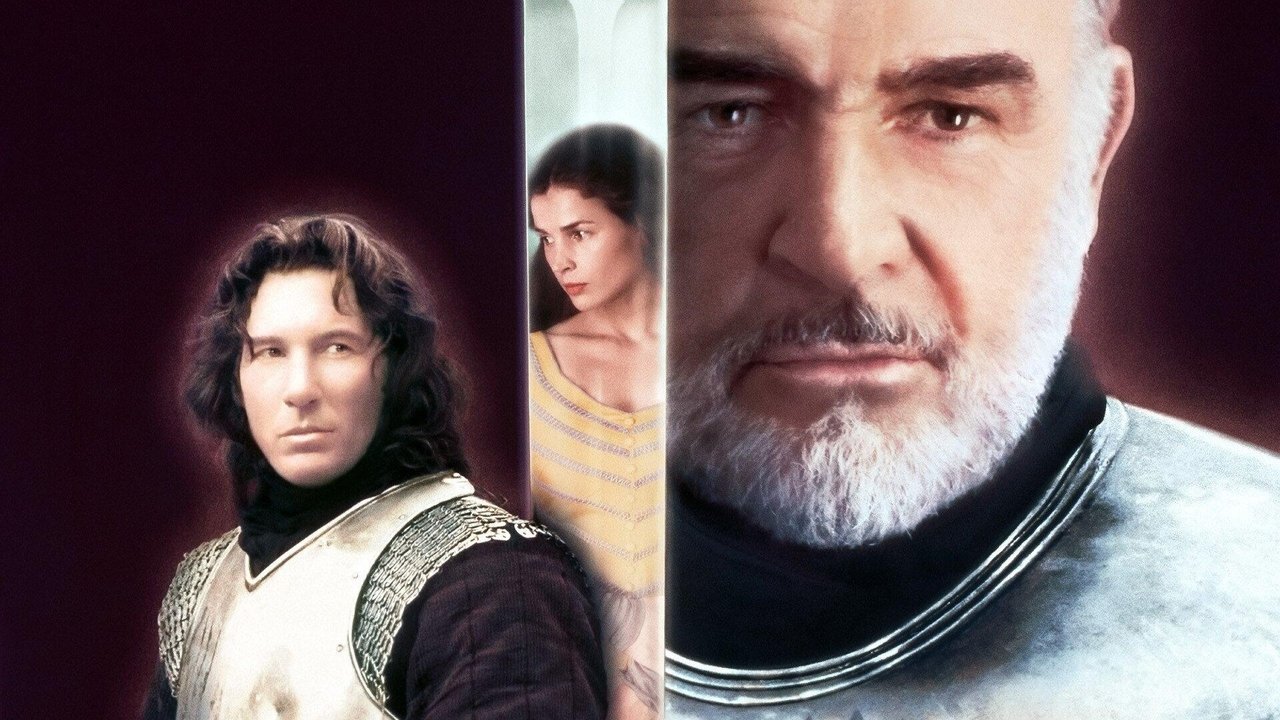
- Armour Aesthetics: Costume designer John Mollo, another Oscar winner (for Star Wars!), created armour that looked fantastic but, let's be honest, gleamed with a kind of Hollywood polish rarely seen in actual medieval times. But hey, it looked cool on the VHS box art!
### Does the Round Table Still Shine?
Watching First Knight today is an interesting experience. It feels very much of its time – a glossy, star-driven historical romance that prioritizes spectacle and accessible emotion over gritty realism or complex mythology. It lacks the depth of better Arthurian adaptations and the visceral punch of the best 90s epics. Some might find Gere's Lancelot a bit too contemporary, or the dialogue occasionally leaning towards the melodramatic.
And yet... there's an undeniable charm to it. Connery is magnificent, the production values are superb, and the core story, however familiar, still resonates. It’s a film made with evident craft and a sincere belief in the power of its central romance and adventure. It doesn't aim for gritty revisionism; it aims for sweeping, old-fashioned Hollywood storytelling, and on those terms, it largely succeeds. For many of us who caught it on VHS back in the day, maybe rented from Blockbuster on a Friday night, it represents a certain kind of comfortable, grand-scale filmmaking that feels increasingly rare.
Rating: 6/10
Justification: First Knight earns a solid 6 for its stunning visuals, Sean Connery's perfect embodiment of Arthur, Jerry Goldsmith's stirring score, and its earnest attempt at large-scale romantic adventure. It loses points for a somewhat modernized Lancelot that doesn't quite mesh, a script that sometimes favours cliché over depth, and ultimately feeling less impactful than other contemporary epics. It's enjoyable and well-crafted, but not quite legendary.
Final Thought: While perhaps destined to live in the shadow of Braveheart from that same year, First Knight remains a handsome, watchable slice of 90s medieval fantasy – a polished, star-powered adventure that still offers a pleasant journey back to Camelot, even if it's a version seen through distinctly rose-tinted visors.