It’s a rare thing when a filmmaker pours their own life onto the screen with such honesty that it feels like you’re not just watching a movie, but looking through a window into a real family’s heart. George Tillman Jr., drawing deeply from his own upbringing in Milwaukee, achieved just that with Soul Food (1997). This wasn't just another family drama churned out by the studio system; it felt personal, lived-in, like flipping through someone’s cherished photo album, complete with smiles, simmering tensions, and the undeniable aroma of home cooking. I remember renting this one, the hefty feel of the tape promising something substantial, and it delivered a story that resonated long after the VCR clicked off.

### The Sunday Dinner Table
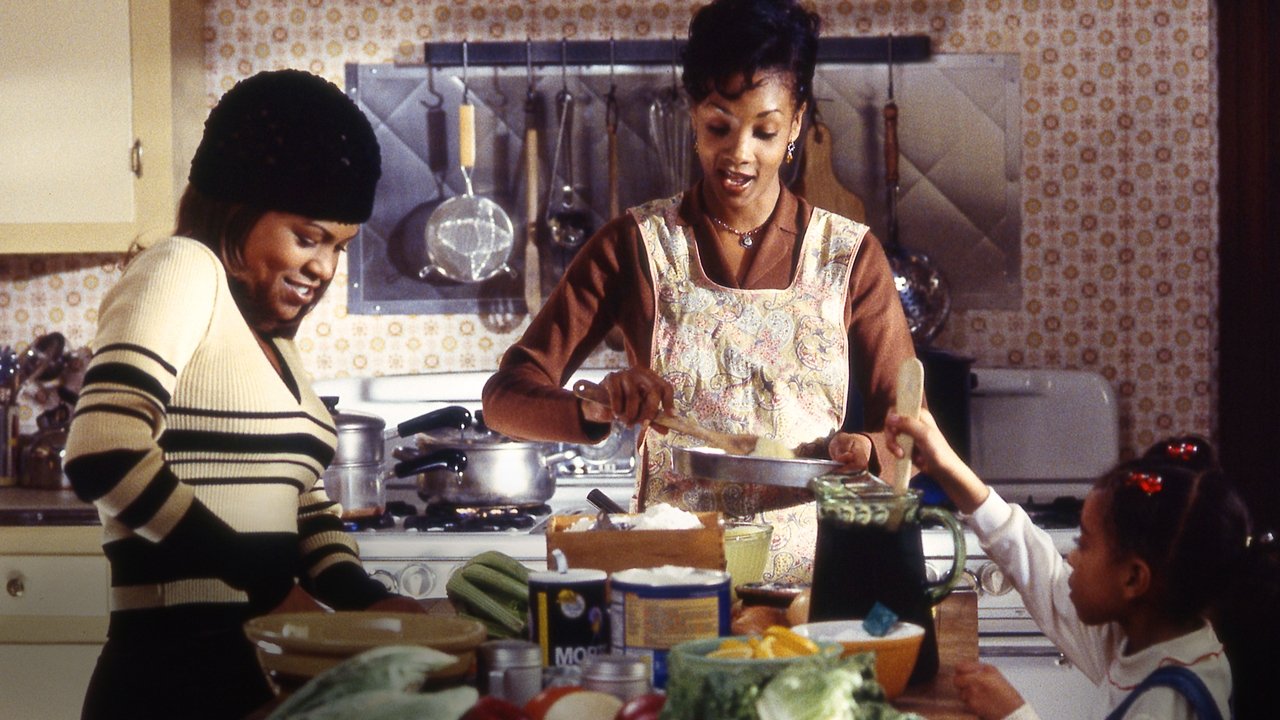
At the center of the Joseph family stands the matriarch, Josephine, better known as Mother Joe, played with unwavering warmth and quiet strength by the magnificent Irma P. Hall. For 40 years, her Sunday dinners have been the unwavering tradition, the gravitational pull keeping her three daughters and their growing families orbiting around each other. It’s more than just food – though the glistening fried chicken, steaming greens, and perfect macaroni and cheese look good enough to make your stomach rumble even now – it's the ritual, the forced proximity where grievances simmer, achievements are celebrated, and the messy, complicated business of being a family unfolds. Tillman Jr. captures this dynamic beautifully, grounding the film in a reality that feels instantly recognizable. Who hasn't experienced those moments of strained silence or bursts of laughter around a shared meal?
### Sisterhood and Strain
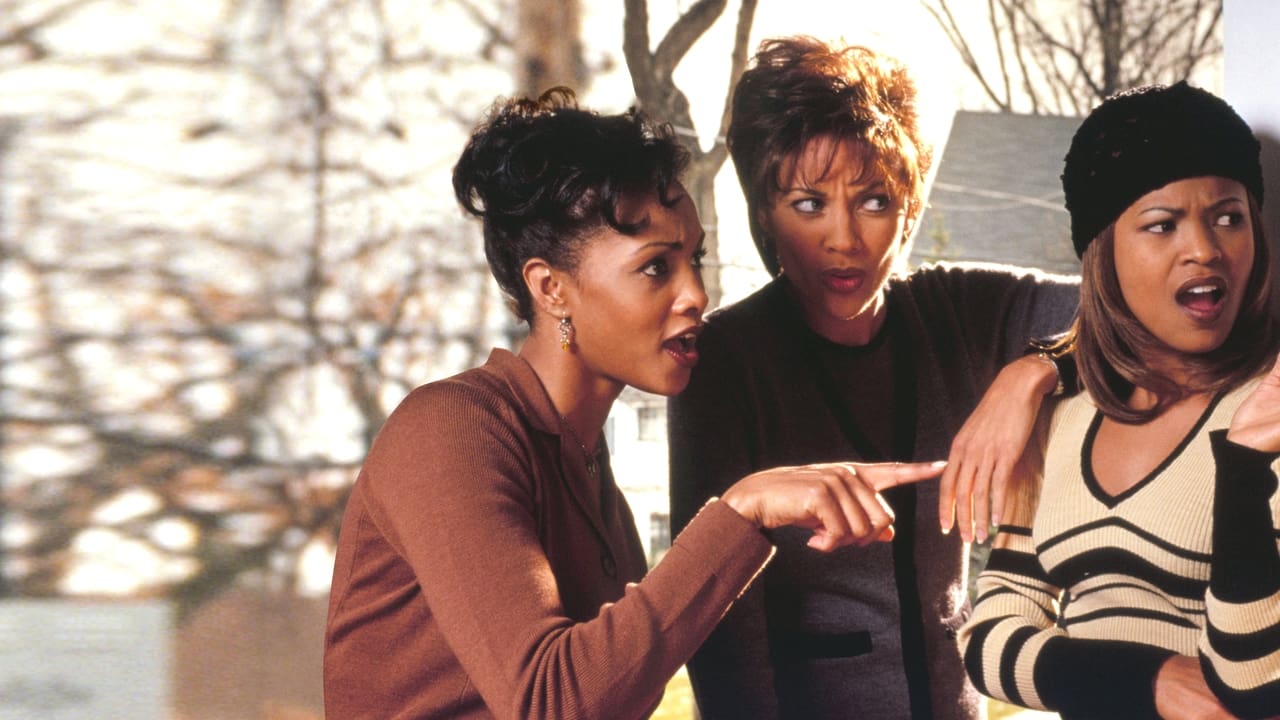
The film truly finds its dramatic engine in the complex relationships between Mother Joe's daughters. There's the oldest, Teri (Vanessa Williams), successful, sharp-tongued, and fiercely protective, yet carrying a visible burden of responsibility and marital strife with her husband, Miles (Michael Beach). Then comes Maxine (Vivica A. Fox), the fiery, loyal middle sister, whose fierce devotion to family tradition often clashes with Teri’s more pragmatic, perhaps cynical, view. And finally, the youngest, Bird (Nia Long), newly married to Lem (Mekhi Phifer in a compelling early role), trying to navigate love and loyalty amidst the swirling currents of her sisters' conflicts.
The performances are uniformly excellent. Williams brings a brittle vulnerability beneath Teri’s tough exterior, making her more than just the "difficult" sister. Fox embodies the passionate heart of the family, her frustrations and love equally palpable. Long provides a relatable anchor as Bird, often caught in the crossfire. Their chemistry feels authentic; you believe these women share decades of history, love, and baggage. Their arguments crackle with realism, touching on old wounds and unspoken rivalries in a way that speaks volumes about sibling dynamics. What makes it stick is how Tillman Jr.’s script avoids easy villains; each sister’s perspective feels earned, rooted in their individual experiences and personalities.
### Authenticity on a Plate (and Screen)


Crafted on a relatively modest budget of around $7.5 million, Soul Food became a significant success, grossing over $43 million domestically (that's roughly $83 million in today's money – a testament to how strongly it connected). Filmed primarily in the Chicago area, Tillman Jr., then still in his late twenties, imbued the production with a sense of place and genuine affection for his characters. It’s said he fought to keep the story true to his vision, resisting pressures to soften the edges or create more conventional Hollywood arcs. That commitment pays off. Even moments that could tip into melodrama, like betrayals and health crises, feel grounded because the emotional foundation is so solid. There's a tangible sense of community, not just within the Joseph family but in the broader environment depicted.
One fascinating detail often overlooked is the sheer power of the film’s soundtrack. Produced by Kenneth "Babyface" Edmonds, it was an absolute powerhouse of mid-90s R&B, spawning massive hits like Boyz II Men's heartfelt "A Song for Mama." Hearing those tracks now instantly transports you back – it wasn't just background music; it was deeply woven into the film's emotional tapestry, enhancing the feelings of love, loss, and reconciliation. Remember how huge that soundtrack was? It felt like everyone had that CD.
### More Than Just a Meal
While the central conflict revolves around the potential breakdown of the Sunday dinner tradition after Mother Joe faces a health crisis, Soul Food explores broader themes: the weight of secrets, the challenge of forgiveness, the resilience of family bonds, and the question of how traditions evolve or dissolve across generations. It doesn't offer easy answers, acknowledging the pain and fractures that can exist even within the most loving families. It asks us, subtly, what holds our families together. What rituals, spoken or unspoken, define our connections?
The film's impact extended beyond the box office, too. Its success arguably paved the way for more mainstream Black family dramas and comedies, proving there was a significant audience hungry for these stories. It even spawned a well-regarded Showtime television series (2000-2004), further exploring the lives of the Joseph family – a rare feat demonstrating the depth and appeal of these characters.
Rating: 8.5/10
Soul Food earns this rating through its heartfelt authenticity, powerful ensemble performances, and resonant themes. While occasionally leaning into familiar dramatic beats, its refusal to shy away from the complexities and messiness of family life elevates it beyond standard fare. The direction is assured, the writing is deeply personal, and the film captures a specific cultural moment and feeling with warmth and honesty. It’s a film that feels like coming home – maybe not always peaceful, but undeniably real and filled with love, much like the dish it’s named after.
What lingers most, perhaps, isn't just the drama, but the enduring image of that family table – a potent symbol of connection that feels more vital than ever. It’s a reminder that sometimes, the simplest traditions are the strongest anchors we have.