Ah, the holidays. That time of year when families gather, ostensibly for warmth and cheer, but often find themselves navigating a minefield of old resentments, unspoken tensions, and the sheer awkward weight of shared history. Few films capture this bittersweet, often chaotic reality with more wry affection and understated insight than Danièle Thompson's 1999 French comedy-drama, Season's Beatings (originally, and perhaps more gently, titled La Bûche – The Yule Log). Landing right at the cusp of a new millennium, this one might have slipped past the mainstream gaze, perhaps relegated to the "Foreign Films" shelf at the back of the video store, but discovering it felt like unearthing a small, perfectly observed gem.

A Family Portrait, Cracked But Standing
The film centers on three adult sisters – Louba (Sabine Azéma), Sonia (Emmanuelle Béart), and Milla (Charlotte Gainsbourg) – brought together by the death of their stepmother just before Christmas. Their recently widowed father, Stanislas (played with touching vulnerability by Claude Rich), is adrift, and their estranged mother, Yvette (Françoise Fabian), a flamboyant violinist, breezes back into their lives. What unfolds isn't a high-stakes drama, but rather a series of intertwined vignettes exploring the complex web of relationships within this fractured family. Thompson, co-writing with her son Christopher Thompson (who also appears in the film), crafts a narrative that feels less plotted and more lived. It's a film built on conversations, confrontations, quiet revelations, and the messy ebb and flow of familial obligation and affection.
Interestingly, Danièle Thompson comes from French cinematic royalty herself – she's the daughter of director Gérard Oury (La Grande Vadrouille, 1966) and actress Jacqueline Roman. Her screenwriting credits before directing included the beloved comedy The Mad Adventures of Rabbi Jacob (1973) and the historical epic Queen Margot (1994), showcasing a versatility that shines through in Season's Beatings. She understands the power of sharp dialogue and the delicate balance between humor and pathos.
Three Sisters, Three Worlds
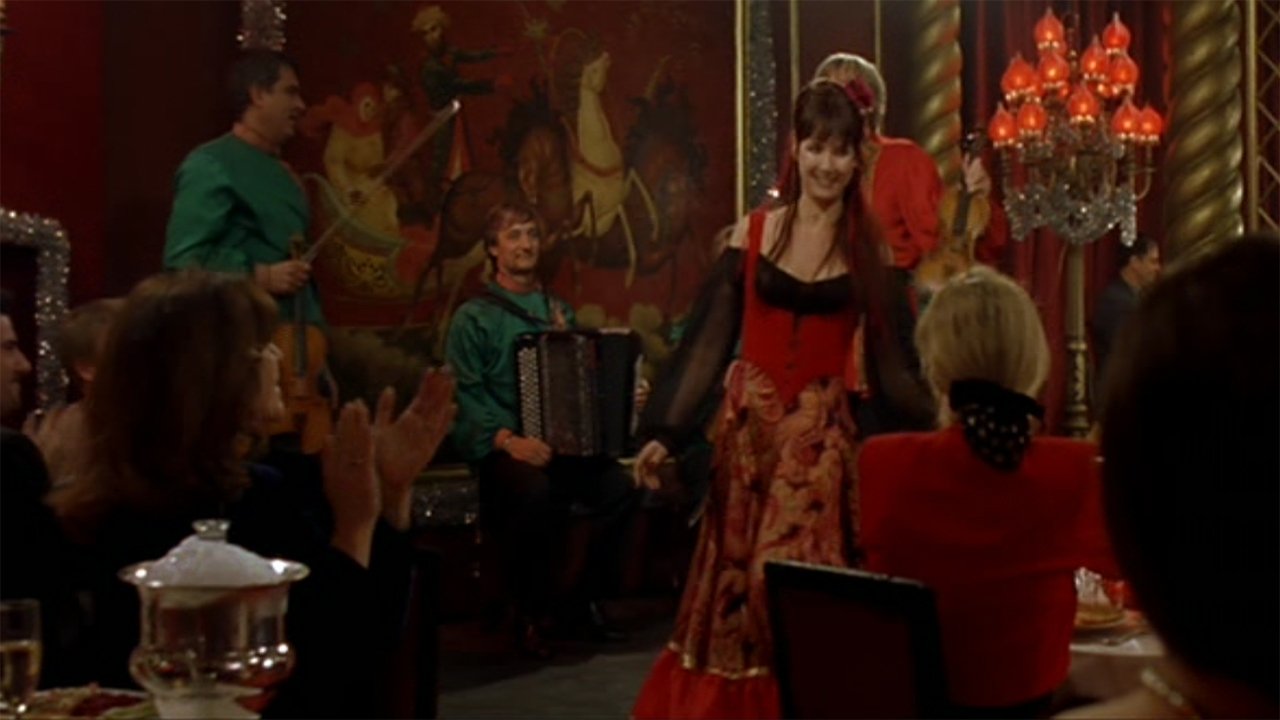
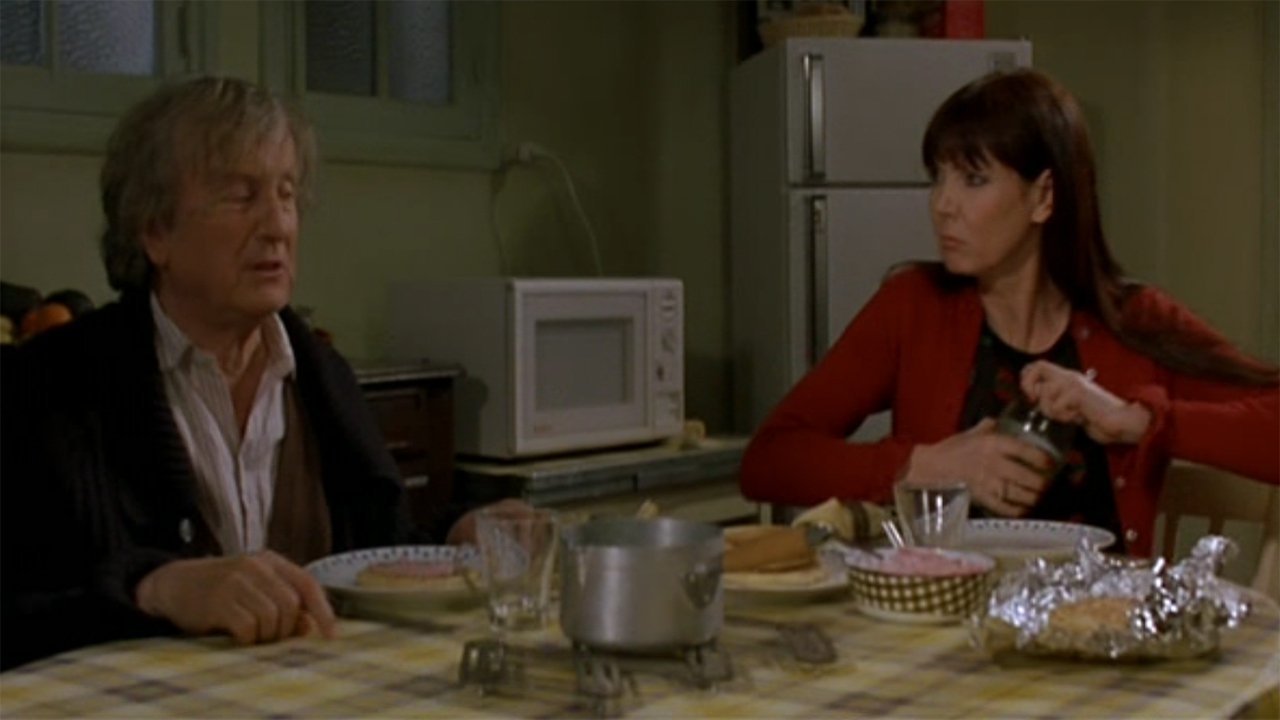
The heart of the film lies in the impeccable performances of the three lead actresses, each embodying a distinct facet of modern womanhood and sisterly dynamics. Sabine Azéma, a frequent collaborator with director Alain Resnais, brings a world-weary warmth to Louba, the eldest, juggling a secret affair and a career singing Russian cabaret. Her performance is full of subtle gestures and unspoken feelings. Emmanuelle Béart, already an international star known for films like Manon des Sources (1986) and Mission: Impossible (1996), portrays Sonia, the outwardly successful bourgeois wife trapped in a sterile marriage, her frustration simmering beneath a polished surface. And Charlotte Gainsbourg, daughter of Serge Gainsbourg and Jane Birkin and a compelling actress in her own right (The Cement Garden, 1993), plays Milla, the youngest and perhaps most adrift, searching for connection and meaning with a raw vulnerability.
Watching them interact is the film's chief pleasure. The way they bicker, support, judge, and ultimately understand each other feels utterly authentic. It captures that unique language siblings share – a mix of shorthand, shared jokes, and precisely aimed barbs born of long intimacy. Their relationships with their parents are equally nuanced, exploring the lingering impact of childhood wounds and the difficult process of seeing parents as flawed individuals.
More Than Just a Christmas Movie
While set during the festive season, Season's Beatings transcends the typical holiday fare. The Christmas setting acts as a pressure cooker, intensifying the emotions and forcing confrontations that might otherwise be avoided. The titular Yule log, traditionally burned for warmth and luck, becomes a symbol – perhaps of the traditions they cling to, the burdens they carry, or the slow burn of unresolved issues. The film doesn't offer easy solutions or saccharine resolutions. Instead, it presents life in its glorious, frustrating complexity. It asks, can we ever truly escape our family patterns? How do we reconcile the past with the present?
Finding this film on VHS back in the day often meant taking a chance, stepping outside the blockbuster aisles. It required a willingness to engage with something quieter, more character-driven. I remember the distinctive feel of those slightly larger international cassette boxes, promising a different kind of cinematic experience. Season's Beatings delivered exactly that – a slice of Parisian life that felt both culturally specific and universally relatable. It wasn’t about explosions or car chases; the drama was internal, simmering in glances and silences. The production itself feels grounded, favouring realistic settings and naturalistic lighting, letting the performances and the sharp script carry the weight. It was nominated for several César Awards (the French equivalent of the Oscars), including Best Supporting Actress wins for Charlotte Gainsbourg, highlighting the strength of the ensemble.
Lasting Resonance
What lingers after watching Season's Beatings is its gentle wisdom and its profound empathy for its characters. It understands that families are complicated, love is imperfect, and forgiveness is a journey, not a destination. It doesn’t shy away from the pain and disappointment inherent in close relationships, but it also celebrates the enduring power of connection, even when frayed. It’s a reminder that sometimes, the most significant moments are the small, quiet ones – a shared glance, a difficult conversation, the tentative steps towards understanding.
Rating: 8/10
This rating reflects the film's exceptional ensemble cast, sharp and insightful writing, and its authentic portrayal of complex family dynamics. It avoids holiday clichés, offering a mature, bittersweet, and ultimately rewarding viewing experience. It might lack the explosive drama some seek, but its quiet power and emotional honesty are deeply resonant, making it a standout piece of late-90s French cinema that deserves to be rediscovered. It’s a film that reminds us that even amidst the "beatings" life and family can deliver, there's humour, resilience, and the enduring possibility of connection. A perfect slice of reflective cinema, best enjoyed with a comforting drink as the credits roll.