It begins, as life so often does, with a sudden, gut-wrenching rupture. One moment, the world feels solid, predictable; the next, it shatters. Pedro Almodóvar’s All About My Mother (1999), or Todo sobre mi madre in its original Spanish, doesn't just depict grief; it immerses you in its immediate, disorienting aftermath, forcing a confrontation with the void left behind. Watching it again, decades after first encountering its vibrant melancholy on a worn VHS tape likely rented from the 'Foreign Films' shelf, the emotional power hasn't dimmed one bit. If anything, time has only deepened the appreciation for its profound humanity.
A World Remade by Loss
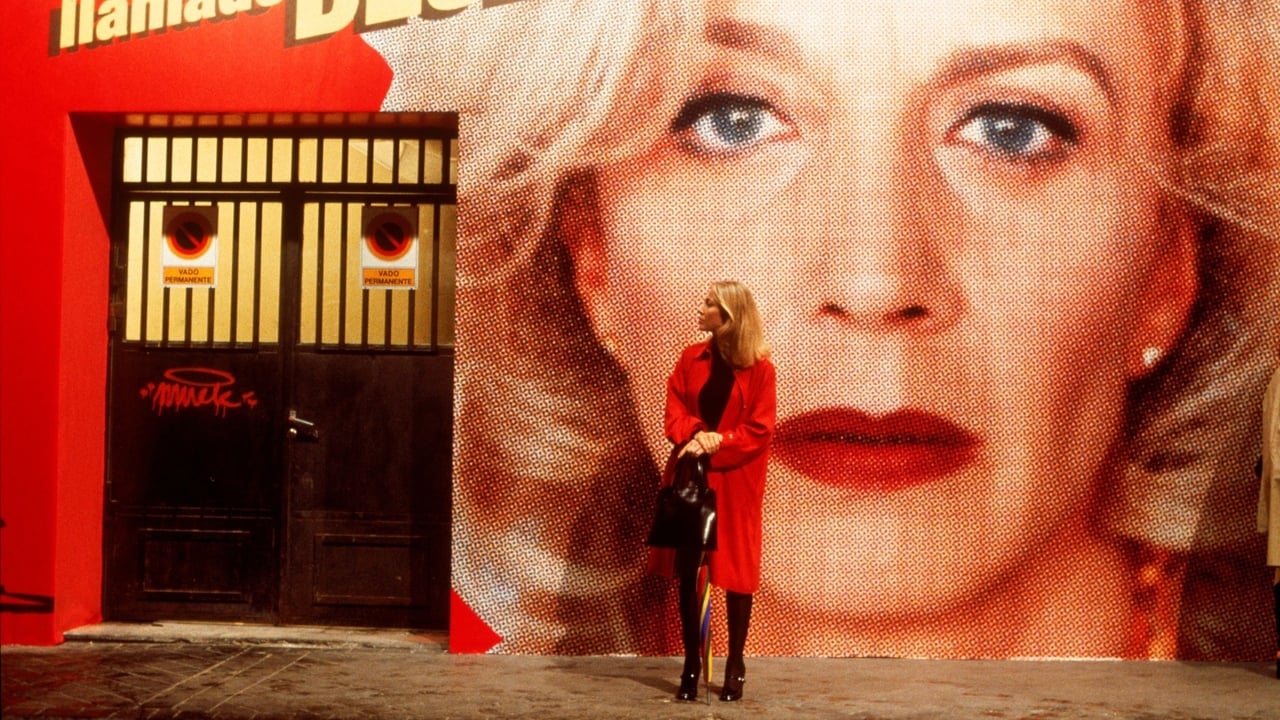
The film centers on Manuela (Cecilia Roth), a nurse and single mother whose world implodes when her teenage son, Esteban, is tragically killed while chasing an autograph from his favorite actress, Huma Rojo (Marisa Paredes). This devastating event propels Manuela from Madrid back to Barcelona, a city holding the ghosts of her past and the father her son never knew. It's a journey born of sorrow, but one that unexpectedly blossoms into a story of connection, resilience, and the unconventional families we forge in the face of adversity. Almodóvar, ever the masterful orchestrator of heightened emotion, doesn't shy away from the pain, yet he finds extraordinary warmth and even humor amidst the tears.
Barcelona in Almodóvar Red

Visually, All About My Mother is pure, uncut Almodóvar. His signature use of bold, saturated color – particularly reds – isn't just stylistic flair; it feels deeply connected to the film's lifeblood, mirroring the passionate, often messy lives of its characters. Barcelona becomes more than just a backdrop; it’s a living, breathing entity, a labyrinth of old secrets and new beginnings. Almodóvar famously weaves cinematic and theatrical references into his work, and here the nods to Joseph L. Mankiewicz's All About Eve (1950) and Tennessee Williams' A Streetcar Named Desire are integral. Manuela's son was writing a story titled "All About My Mother"; Huma Rojo is starring in a stage production of Streetcar. These layers aren't mere intellectual games; they underscore the film’s exploration of performance, identity, and the masks we wear, both on stage and off. It's a clever framing device that deepens the emotional resonance rather than detracting from it.
The Sisterhood of Survivors
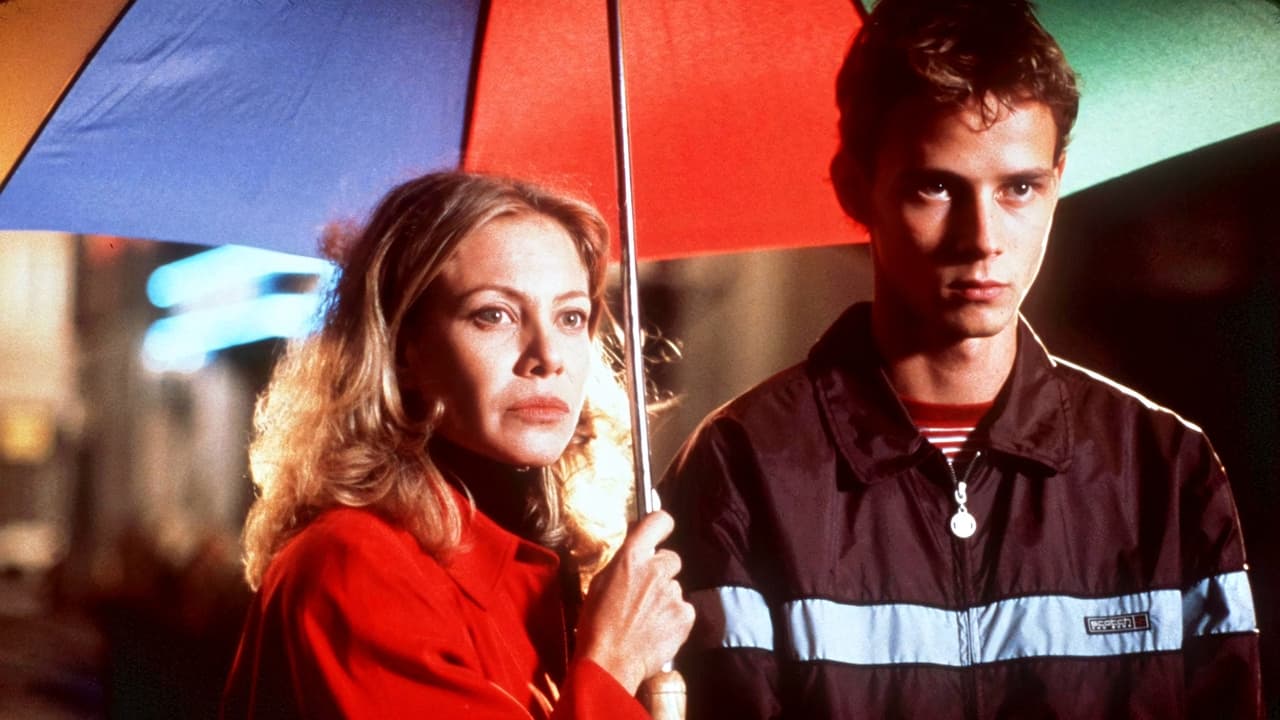
Where the film truly sings is in its portrayal of women supporting women. Manuela's journey leads her back into the orbit of Agrado (Antonia San Juan in a truly iconic performance), a sharp-witted, fiercely loyal trans sex worker whose monologue about authenticity and the cost of her "improvements" is an absolute showstopper. It’s delivered with such heart and humor, it’s impossible not to be captivated. Then there's Sister Rosa (Penélope Cruz, already showcasing the charisma that would make her a global star), a young, idealistic nun facing her own unexpected crisis. And of course, the formidable Huma Rojo, the actress inadvertently linked to Manuela's tragedy, who reveals layers of vulnerability beneath her star persona. Cecilia Roth, returning to work with Almodóvar after nearly a decade, anchors the film with a performance of breathtaking restraint and raw feeling. Her face registers every flicker of pain, memory, and burgeoning hope. It’s a masterclass in conveying internal turmoil. These women, flawed and complex, form an unlikely but powerful support system, demonstrating a chosen family bound by empathy rather than blood.

Retro Fun Facts & Lasting Echoes
Almodóvar dedicated the film to "all actresses who have played actresses, to all women who act, to men who act and become women, to all the people who want to be mothers. To my mother." This dedication beautifully encapsulates the film’s thematic core. Its win for Best Foreign Language Film at the 72nd Academy Awards felt like a significant moment, bringing Almodóvar's unique vision to an even wider international audience. Interestingly, the film’s sensitive and matter-of-fact portrayal of Agrado was quite progressive for 1999 mainstream cinema and remains a standout aspect. While perhaps not a typical VHS-era blockbuster, finding gems like All About My Mother at the video store was a formative experience for many cinephiles, opening doors to different kinds of storytelling beyond Hollywood. It grossed over $67 million worldwide against a budget of around $5 million – a testament to its global resonance.
Final Thoughts: A Tapestry of Life

All About My Mother is a film that stays with you long after the credits roll. It tackles profound themes – grief, identity, motherhood, solidarity, the very nature of authenticity – with a touch that is simultaneously flamboyant and deeply sincere. It’s melodrama elevated to art, finding extraordinary grace in the messiness of human existence. It asks us, perhaps, how we reconstruct ourselves after loss, and suggests that the answer often lies in the unexpected connections we make along the way. What begins in tragedy ultimately becomes a vibrant, moving celebration of life in all its complicated glory.
Rating: 9.5/10
This rating reflects the film's masterful direction, outstanding ensemble performances (particularly Roth and San Juan), rich emotional depth, and enduring artistic impact. It's a near-perfect blend of Almodóvar's signature style and universal human themes, losing only a sliver perhaps for the occasional narrative convenience inherent in melodrama, though even that feels purposeful here. A truly essential piece of late 90s cinema that reminds us of the power of compassion and chosen family.