Sometimes, the films that resonate most profoundly aren't the ones heralded by massive marketing campaigns or splashed across multiplex screens. They arrive quietly, perhaps discovered on a dusty shelf in the 'World Cinema' section of that beloved old video store, or recommended by a friend with a knowing look. Zhang Yang's 1999 film Shower (洗澡, Xǐzǎo) is precisely that kind of discovery – a gentle, humanist gem that washes over you, leaving a warmth that lingers long after the credits roll. It might not have the explosive action or dazzling effects often associated with late-90s fare, but its power lies in something far more enduring: its quiet observation of humanity, tradition, and the inevitable currents of change.
### A Haven of Steam and Stories
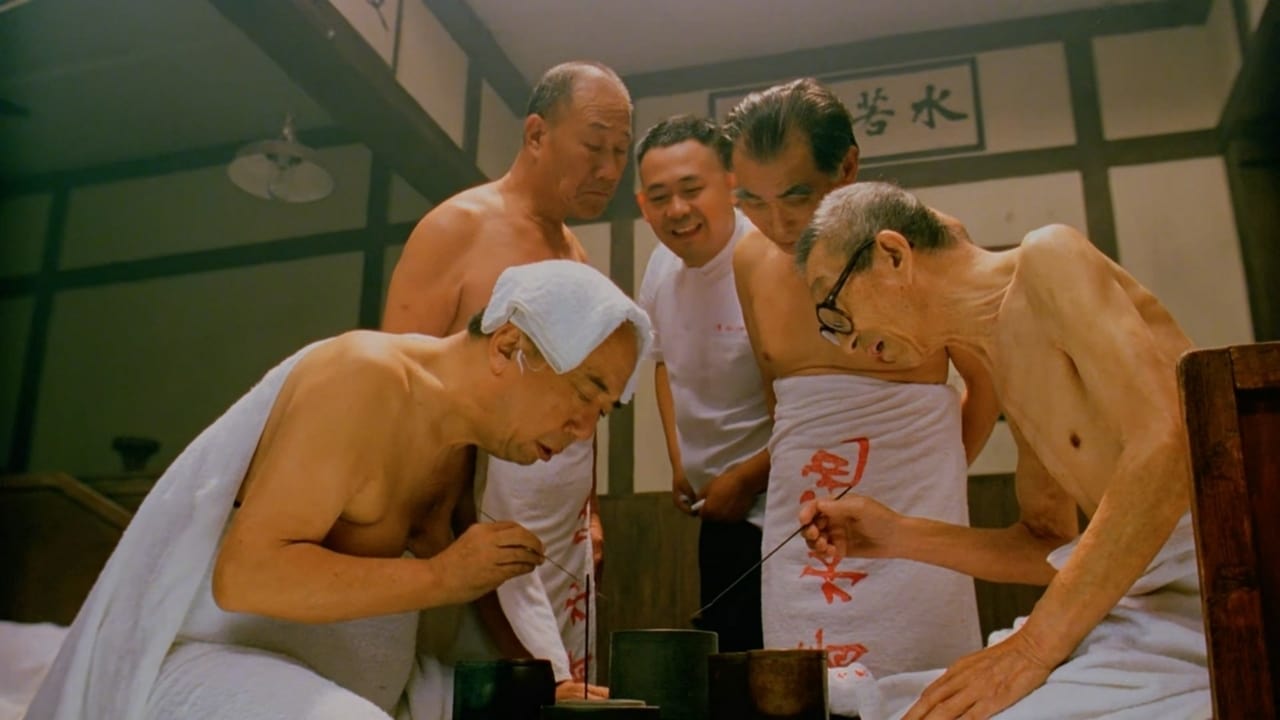
The film transports us to the heart of old Beijing, specifically to a traditional public bathhouse run by the aging Master Liu (Zhu Xu). This isn't just a place to get clean; it's a vital community hub, a sanctuary where elderly patrons gather daily not just for a scrub and soak, but for conversation, companionship, games of chess, cricket fights, and even mediation of disputes. It’s a world away from the rapidly modernizing city outside its doors, a pocket of time where rituals persist and human connection is paramount. Director Zhang Yang, who also co-wrote the screenplay (alongside a team including Liu Fendou and Diao Yi'nan, the latter now a celebrated director himself), establishes this atmosphere with loving detail, letting the camera linger on the textures, sounds, and small interactions that define this unique ecosystem. You can almost feel the steam on your face and hear the echo of banter off the tiled walls.
### Family Ties, Tested by Time
Into this haven returns Da Ming (Pu Cunxin), Master Liu’s eldest son, a successful businessman from the southern boomtown of Shenzhen. He arrives believing his father has died, summoned by a cryptic postcard sent by his younger brother, Er Ming (Jiang Wu), who is mentally challenged and works devotedly alongside their father in the bathhouse. Da Ming embodies the modern China – detached, career-focused, somewhat embarrassed by his family's traditional, seemingly humble life. His initial impatience and desire to return to his sophisticated world clash poignantly with the deep, albeit sometimes strained, bonds within his family and the bathhouse community. The film explores this generational and cultural divide not with judgment, but with empathy. We see Da Ming’s gradual softening, his rediscovery of familial duty and the simple, profound value of his father’s world. The relationship between Master Liu and Er Ming is the film’s emotional core – tender, frustrating, and deeply moving, portrayed with remarkable authenticity by Zhu Xu and Jiang Wu.
### The Power of Performance
Shower truly shines through its performances, particularly that of veteran actor Zhu Xu as Master Liu. His portrayal is a masterclass in subtlety. Every gesture, every weary sigh, every twinkle in his eye speaks volumes about a life dedicated to service, community, and the quiet burdens of fatherhood. He embodies the dignity and resilience of a generation facing the erosion of their way of life. It’s a performance steeped in lived experience, utterly convincing and deeply affecting. Pu Cunxin navigates Da Ming’s transformation convincingly, moving from aloofness to reluctant connection, while Jiang Wu brings a captivating blend of innocence, frustration, and unwavering loyalty to Er Ming, avoiding caricature and finding the character’s heart. The ensemble cast of bathhouse patrons adds layers of texture and gentle humor, making the bathhouse feel like a truly lived-in space.
### Capturing a Disappearing World
While not packed with flashy trivia, the context of Shower is itself a fascinating element. Filmed at a time when China was undergoing immense social and economic transformation, the bathhouse serves as a potent symbol of the traditions and communal spaces being swept away by modernization. Though filmed on a meticulously crafted set designed to look like an old Beijing bathhouse, the feeling captured is one of absolute authenticity, reflecting countless real establishments facing demolition. Director Zhang Yang, often associated with China's "Sixth Generation" filmmakers known for their independent spirit and focus on contemporary urban life, takes a slightly different, more nostalgic path here. His direction is patient and observational, allowing the characters and atmosphere to breathe. There's a melancholic beauty to how the film captures the fading light of this specific cultural institution, raising universal questions: What do we lose when we prioritize progress over connection? How do we bridge the gap between generations holding different values?
The film garnered significant international acclaim upon its release, winning audience awards at festivals like Toronto and San Sebastián, introducing many Western viewers – perhaps via a well-worn VHS or an early DVD – to this quieter, more reflective side of Chinese cinema. It resonated precisely because its themes of family, duty, community, and the bittersweet passage of time are universal.
Rating: 9/10
This score reflects the film's exceptional heart, its masterful central performance by Zhu Xu, and its poignant, beautifully observed portrayal of a disappearing way of life. It’s a near-perfect execution of a simple concept, elevated by deep emotional resonance and cultural significance. While its deliberate pacing might test viewers accustomed to faster narratives, its rewards are immense.
Shower is more than just a movie; it’s an experience. It’s a reminder of the importance of simple human connection in an increasingly complex world, a gentle meditation on what truly matters. It's the kind of film that makes you want to call your family, appreciate your community, and perhaps seek out those quiet spaces where life unfolds at a more human pace. It’s a true treasure from the late VHS era, proving that sometimes the most profound stories are whispered, not shouted.