Okay, fellow tape travelers, let's dim the lights, maybe pour something thoughtful, and slide a cassette into the VCR that might have initially raised an eyebrow back in the day. Not a high-octane Hollywood blockbuster, but something different, something… colder. I'm talking about Alain Corneau's 1997 French crime thriller, Le Cousin (The Cousin). Finding this on the rental shelf, perhaps nestled between more familiar action flicks, felt like discovering a hidden frequency – a gritty, morally murky dispatch from the Parisian underworld that sticks with you long after the tracking adjusts itself.
### A Descent into the Grey Zones
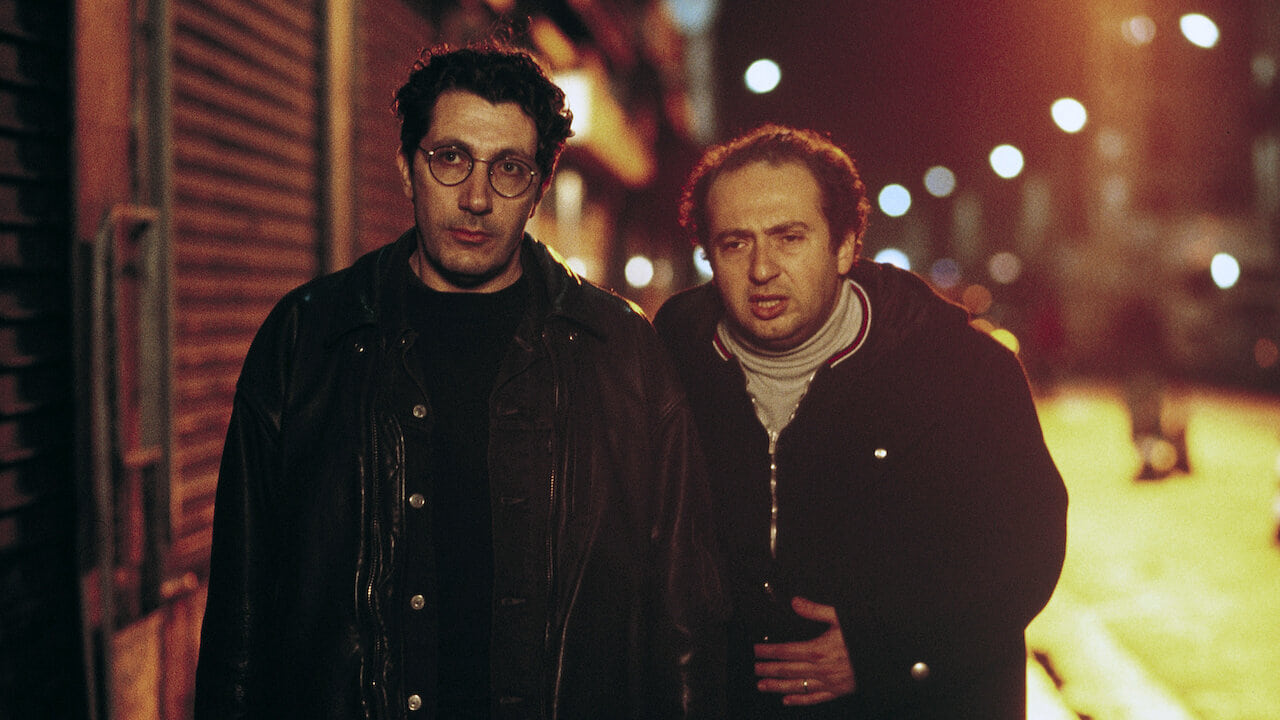
What immediately grabs you about Le Cousin isn't explosions or car chases, but the palpable sense of unease. It plunges us headfirst into the symbiotic, often corrosive relationship between Gérard Delvaux (Alain Chabat), a cynical narcotics cop navigating the treacherous internal politics of his unit, and his primary informant, Nounours (Patrick Timsit), a small-time dealer clinging precariously to survival. "Cousin," we learn, is the street slang for these informants, figures caught in a perpetual squeeze between the criminals they betray and the police who exploit them. There's no glamour here, just the grimy realities of surveillance vans, desperate phone calls, and deals struck in dimly lit cafes where loyalty is a currency easily devalued.
Corneau, a director who understood the shadows (Série Noire (1979) remains a benchmark of French noir), crafts an atmosphere thick with paranoia and compromise. The Paris on display isn't the city of postcards; it’s a landscape of anonymous suburbs, bleak housing projects, and rain-slicked streets reflecting neon signs like bruises. The film doesn’t shy away from the grim mechanics of police work – the pressure for results, the rivalries, the quiet corruption that seeps in like damp. It forces us to ask: in this world, where does the law end and the crime begin?
### Casting Against the Grain
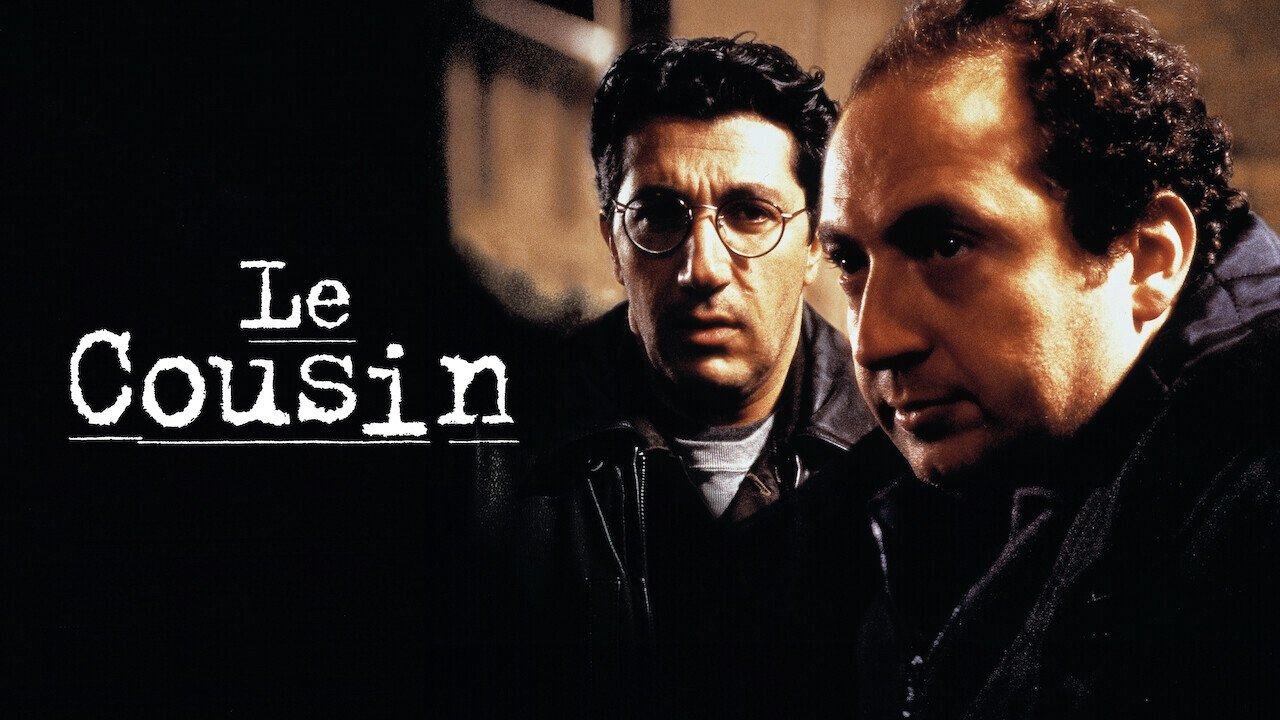
One of the most striking aspects of Le Cousin, especially for French audiences at the time (and perhaps for international viewers discovering it later), was the casting. Alain Chabat, then and now a titan of French comedy (La Cité de la peur (1994), Didier (1997)), takes on the role of Delvaux. Seeing him shed his familiar comedic persona for this weary, morally compromised cop is genuinely arresting. He doesn't overplay the toughness; instead, he embodies a profound fatigue, a man worn down by the compromises his job demands. His performance is a masterclass in restraint, conveying volumes through a cynical glance or a tired sigh. It’s a testament to his range, proving he could navigate darkness as adeptly as laughter.
Equally compelling is Patrick Timsit as Nounours. Also primarily known for his comedic work, Timsit delivers a raw, nervous energy that feels utterly authentic. Nounours isn't a criminal mastermind; he's fundamentally weak, desperate, and tragically aware of the impossible tightrope he walks. The chemistry between Chabat and Timsit is the film's dark heart – a complex dance of manipulation, dependence, and a warped kind of intimacy. Their scenes together crackle with unspoken tension. Timsit deservedly won the César Award (the French equivalent of the Oscar) for Best Supporting Actor for this role, a recognition of the harrowing truth he brought to the screen.
Adding another layer of gravitas is the late, great Marie Trintignant as Judge Lambert, an investigating magistrate trying to navigate the murky dealings of Delvaux's unit. Trintignant, who also won a César for Best Supporting Actress here, brings a steely intelligence and quiet authority to the role, representing a moral compass in a world desperately lacking one. Her interactions with Chabat are particularly potent, highlighting the ethical chasms that separate their approaches to justice.
### Echoes of Reality
Corneau and co-writer Michel Alexandre reportedly drew inspiration from real-life police procedures and the complex dynamics between officers and informants. This grounding gives the film a chilling authenticity. There are no easy answers or clean resolutions. The narrative unfolds with a deliberate pace, focusing on character and atmosphere over plot pyrotechnics. It’s a film that trusts its audience to sit with the discomfort, to observe the subtle shifts in power and the gradual erosion of principles.
I remember renting this, probably on a whim, attracted by the unfamiliar cover and the promise of a serious European thriller. It wasn't the kind of film you watched casually. It demanded attention, pulling you into its bleak orbit. It’s the sort of movie that sparks conversation afterward, not about the cool explosions, but about the impossible choices characters face and the unsettling questions raised about the systems we rely on for protection. Doesn't the pressure Nounours faces resonate with the vulnerability of anyone caught between powerful, opposing forces?
Rating: 8/10
Le Cousin earns its high marks for its unflinching realism, superb performances that defy expectation, and Alain Corneau's masterful control of tone and atmosphere. It’s a potent example of the French 'polar' at its best – intelligent, morally complex, and deeply unsettling. The pacing might feel slow to those expecting conventional action, and its bleakness is undeniable, preventing a higher score for pure rewatch enjoyment. However, its power lies in that very discomfort.
Final Thought: This isn't just a crime story; it's a sobering look at the human cost of navigating the grey areas, leaving you to ponder the invisible compromises made every day in the name of order. A truly rewarding find from the deeper shelves of the VHS era.