## When Laughter Met Layoffs: Reflecting on The Full Monty (1997)
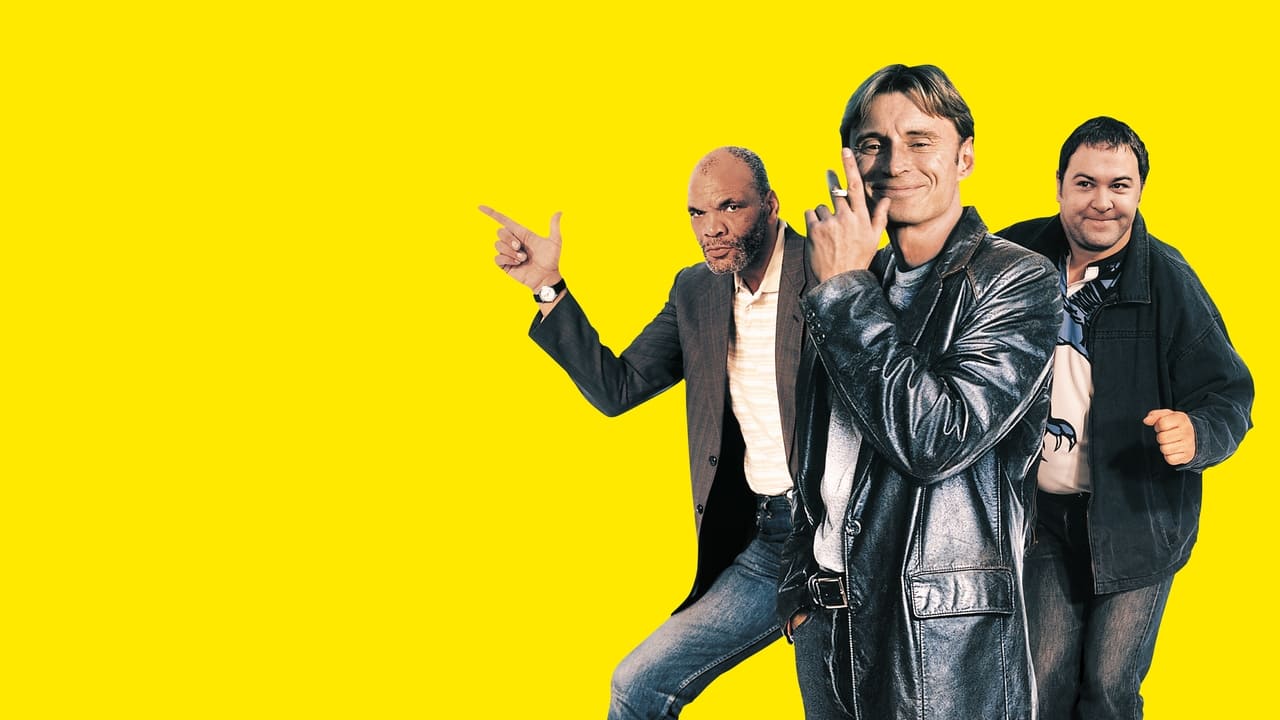
There’s a specific kind of grey drizzle that seems unique to certain corners of Britain, a visual shorthand for spirits dampened by more than just the weather. It hangs heavy over Sheffield in Peter Cattaneo’s The Full Monty, a film that arrived on VHS shelves in 1997 not just as a comedy, but as a surprisingly poignant snapshot of post-industrial blues, wrapped in the most audacious of premises. I remember the buzz around this one distinctly – the slightly bewildered amusement, the word-of-mouth spreading like wildfire from the video shop counter. Could a film about unemployed steelworkers turning to male stripping really be… good? More than good, it turned out. It was vital.
From Steel Mills to Striptease
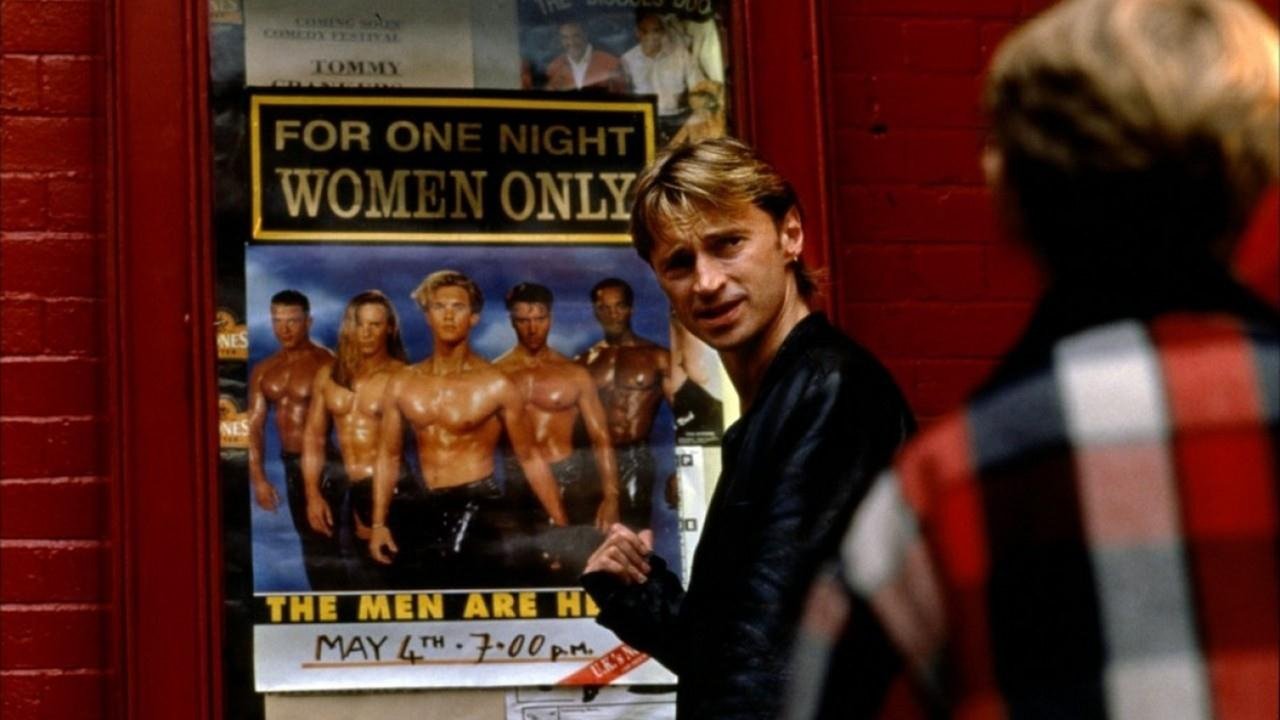
The setup, penned with remarkable wit and empathy by Simon Beaufoy, is deceptively simple. The once-proud steel mills of Sheffield stand silent, monuments to a lost era. Gaz (Robert Carlyle, already known for his fierce intensity in films like Trainspotting (1996)) is desperate. Facing the potential loss of access to his son Nathan unless he can cough up maintenance payments, he witnesses the local women flocking to a touring Chippendales show. Inspiration, fueled by desperation, strikes: why not form their own male stripping troupe? The catch? They’ll go one better. They’ll go… the full monty.
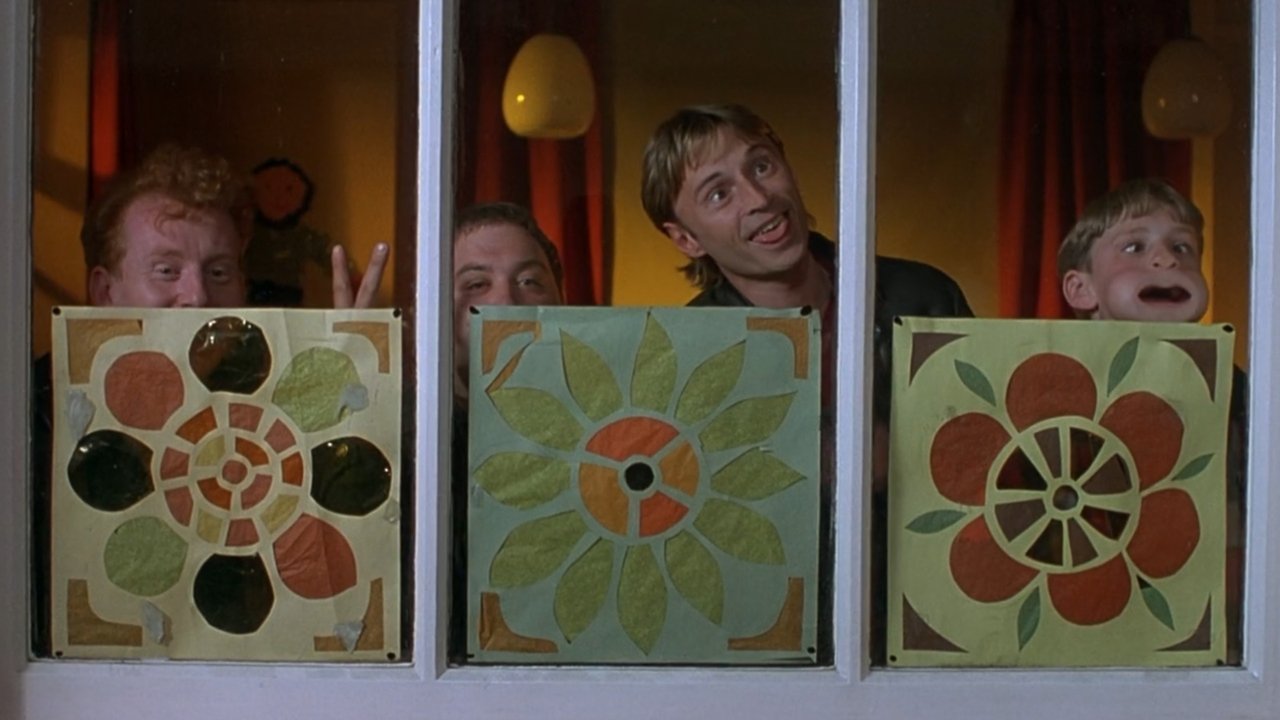
What follows is the hilarious, often heart-wrenching process of assembling this unlikely crew. There's Gaz’s best mate Dave (Mark Addy), grappling with unemployment-induced impotence and body image issues. Lomper (Steve Huison), rescued from a suicide attempt, finds unexpected camaraderie. Gerald (Tom Wilkinson, in a performance that revealed his sublime comedic timing alongside deep vulnerability), their former foreman, is hiding his own joblessness from his spendthrift wife, initially roped in for his ballroom dancing skills. Horse (Paul Barber), an older man with surprisingly nimble moves (and a memorable audition), and Guy (Hugo Speer), who... well, let's just say he certainly fits the physical bill, round out the troupe.
More Than Just Laughs
It would have been easy for The Full Monty to be a one-joke film, reliant solely on the fish-out-of-water antics of ordinary blokes attempting something extraordinary (and extraordinarily revealing). But Cattaneo and Beaufoy dig deeper. The humor often arises directly from the grim reality of their situation – the iconic scene where they spontaneously start choreographing moves to Donna Summer's "Hot Stuff" while queuing at the Job Centre (or 'the dole', as we knew it) isn't just funny; it's an act of defiant joy amidst crushing boredom and bureaucracy. It’s a moment that perfectly encapsulates the film’s spirit.
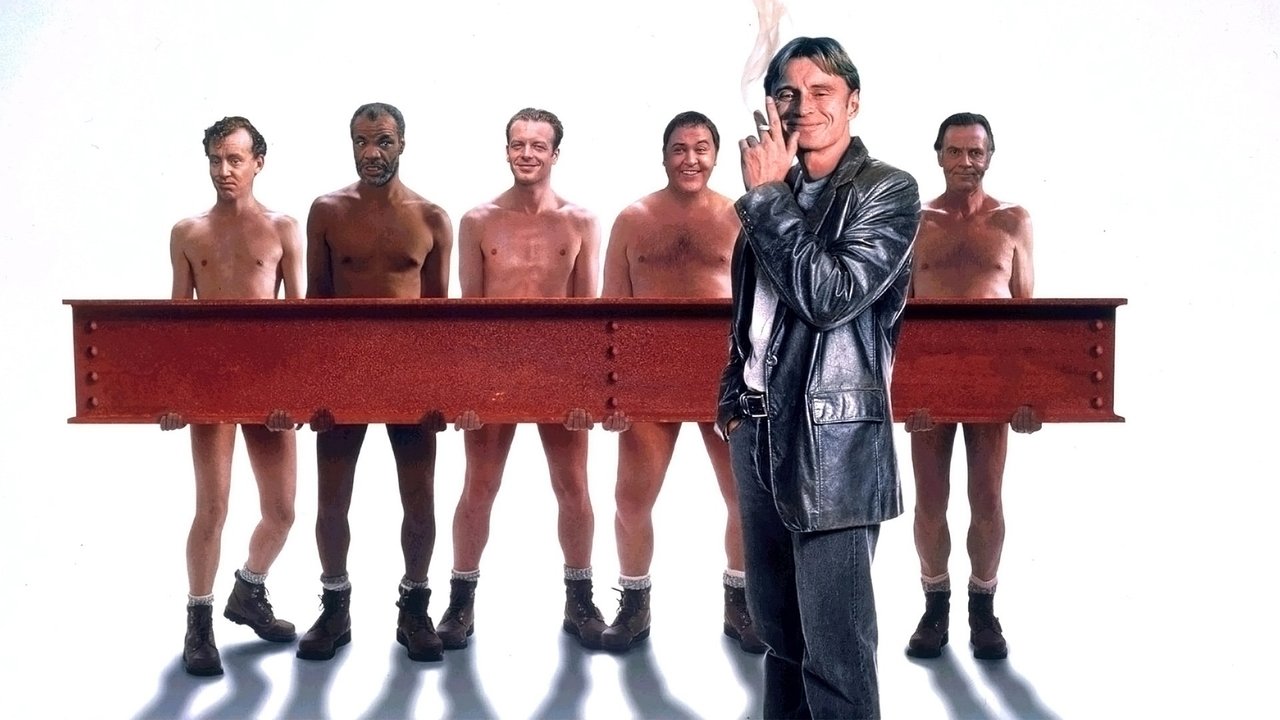

The performances are key to its enduring power. Robert Carlyle gives Gaz a roguish charm undercut with genuine panic. You root for him even when he’s being utterly irresponsible. Mark Addy is the film’s heart, his struggles with self-worth resonating profoundly. And Tom Wilkinson as Gerald is a masterclass in repressed anxiety and gradual thawing; his journey from stiff-upper-lip denial to embracing his new, bizarre venture is both hilarious and deeply moving. These aren’t caricatures; they feel like real men pushed to extraordinary lengths by circumstance. Their camaraderie feels earned, their vulnerabilities authentic.
Against All Odds: A Sleeper Hit Story
Thinking back, the sheer unlikelihood of The Full Monty becoming a global phenomenon is part of its charm. Made for a mere $3.5 million (around £2.8 million then), it became a box office juggernaut, raking in over $250 million worldwide. That’s the kind of success story you just don’t see often, especially for a film tackling themes of unemployment, poverty, male depression, impotence, and body image. It snagged four Academy Award nominations, including Best Picture, and deservedly won for Best Original Musical or Comedy Score – that soundtrack, featuring Tom Jones, Hot Chocolate, and Wilson Pickett, is inseparable from the film's energy. Apparently, securing the rights on their tight budget was a feat in itself, relying on the artists’ belief in the project.
Filming on location in Sheffield added an essential layer of authenticity. You feel the cold, the damp, the faded grandeur and the stark reality of a community trying to redefine itself after its primary industry collapsed. It’s a very specific snapshot of Thatcher’s Britain legacy, yet its themes of resilience, friendship, and finding dignity in unexpected places resonated universally. Remember the sheer number of copycat stripping groups – firefighters, postmen, you name it – that popped up in news stories afterwards? The film tapped into something real.
The Enduring Appeal
What lingers most after watching The Full Monty, even now, decades after pulling that tape from its plastic case? It’s the defiant humanity. It’s the way laughter and tears sit so comfortably side-by-side. It dares to suggest that even in the bleakest times, there's potential for connection, for finding self-worth, for putting on a show – even if it means bearing everything. It tackled subjects often swept under the rug, particularly concerning men's mental health and body image, with warmth and honesty rather than preachiness. It reminds us that sometimes, the most desperate measures can lead to the most liberating moments.
Rating: 9/10
The Full Monty earns its high score through its perfect alchemy of sharp social commentary, genuinely hilarious moments, and deeply affecting performances. It balances grit and heart beautifully, anchored by an outstanding ensemble cast bringing Simon Beaufoy’s brilliant script to life. Minor pacing quibbles in the middle section barely detract from its overall impact. It’s a film that easily could have been crass or exploitative, but instead delivered warmth, wit, and a surprising amount of soul.
It remains a testament to the power of underdog stories, a reminder that sometimes, the most important kind of exposure isn't physical, but emotional. And yes, hearing "You Sexy Thing" still makes me instinctively want to do that little shoulder shimmy.