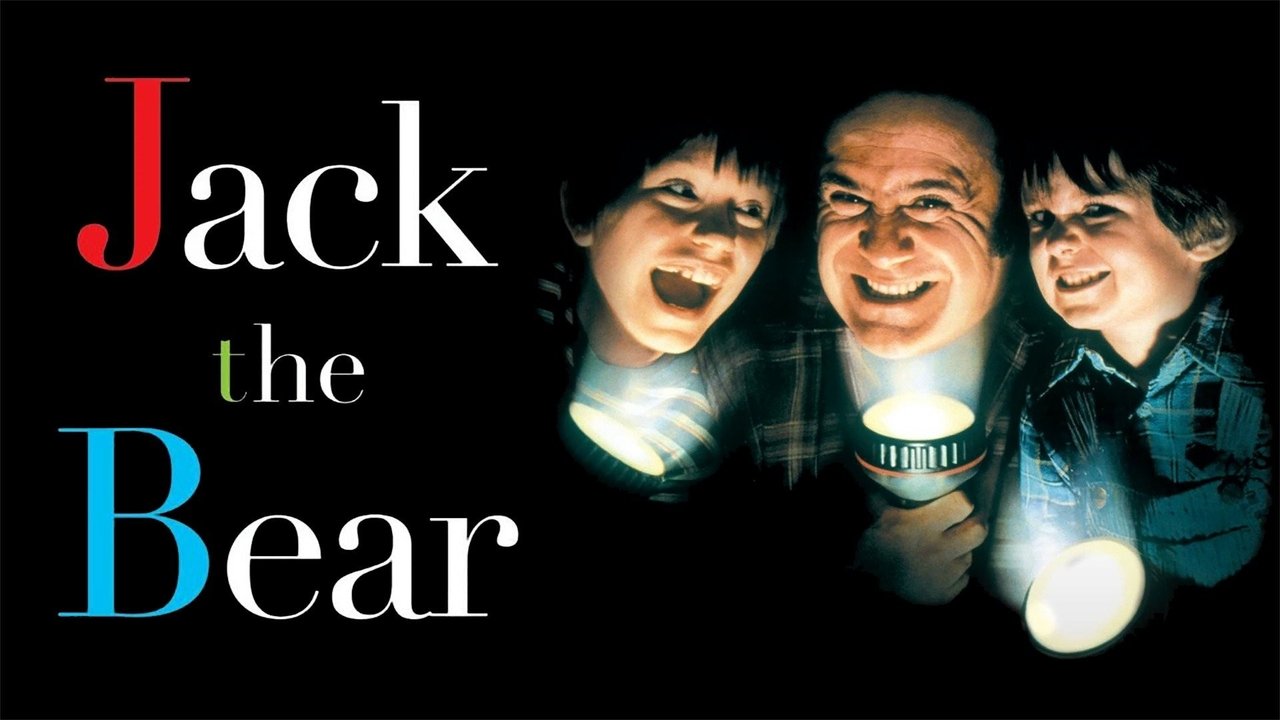
Okay, pull up a beanbag chair, maybe crack open a soda that isn't quite available anymore, and let's talk about a film that probably sat on the "New Releases" shelf at Blockbuster with cover art that didn't quite tell the whole story: 1993's Jack the Bear. It’s one of those films that seems to promise a quirky family tale, maybe leaning into comedy thanks to the inimitable Danny DeVito, but unfolds into something far more complex, shadowed, and frankly, quite haunting.
Beneath the Greasepaint
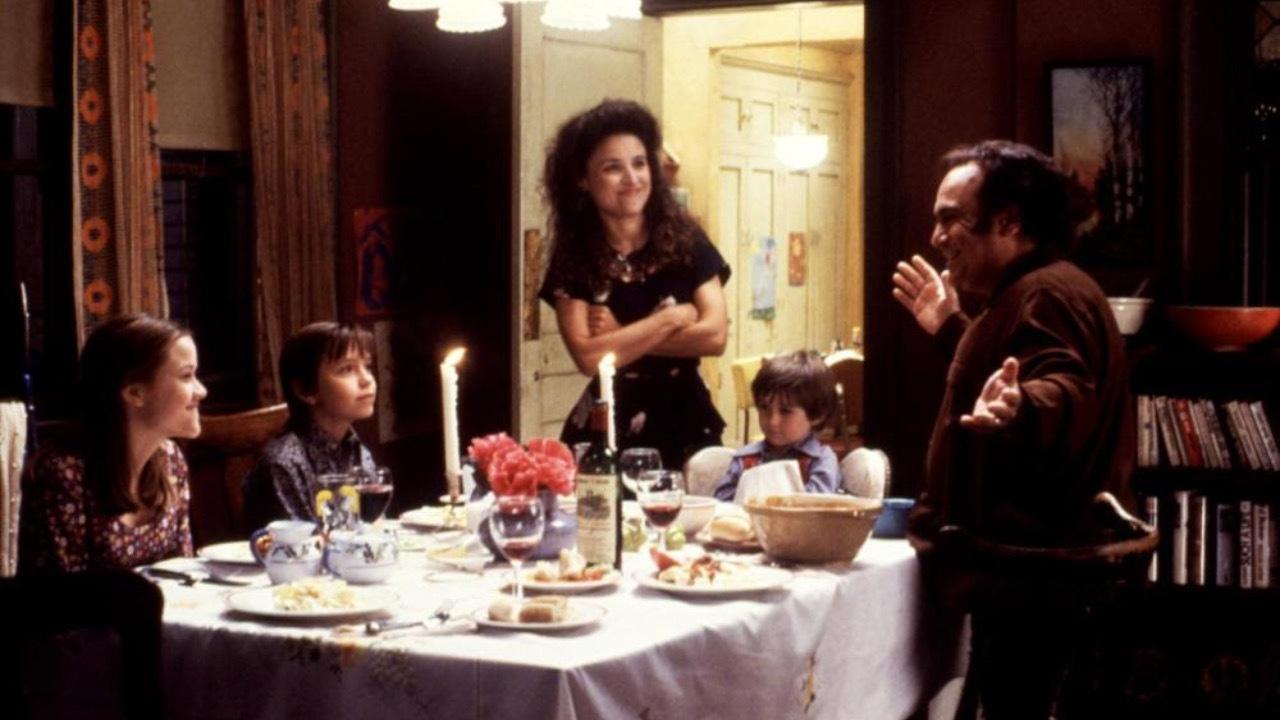
What immediately strikes you revisiting Jack the Bear isn't just the spot-on early 70s Oakland setting, but the raw vulnerability beneath John Leary's (DeVito) clownish exterior. Leary hosts a low-budget late-night horror show as "Al Gory," a persona brimming with ghoulish puns and graveyard humor. It's a coping mechanism, a performance spilling over into his life as a single father trying – and often failing – to raise his two sons, Jack (the excellent Robert J. Steinmiller Jr.) and Dylan (Miko Hughes, already a familiar face from Pet Sematary (1989)), after the tragic death of their mother. DeVito, often cast for his explosive energy or comedic timing (think Twins (1988) or Ruthless People (1986)), delivers something truly poignant here. His John Leary is a man drowning in grief and alcohol, masking his pain with manic energy and inappropriate jokes, leaving his eldest son, Jack, to navigate not only adolescence but the emotional wreckage of their household. It’s a performance that lingers precisely because it feels so messy and real.
Navigating Troubled Waters
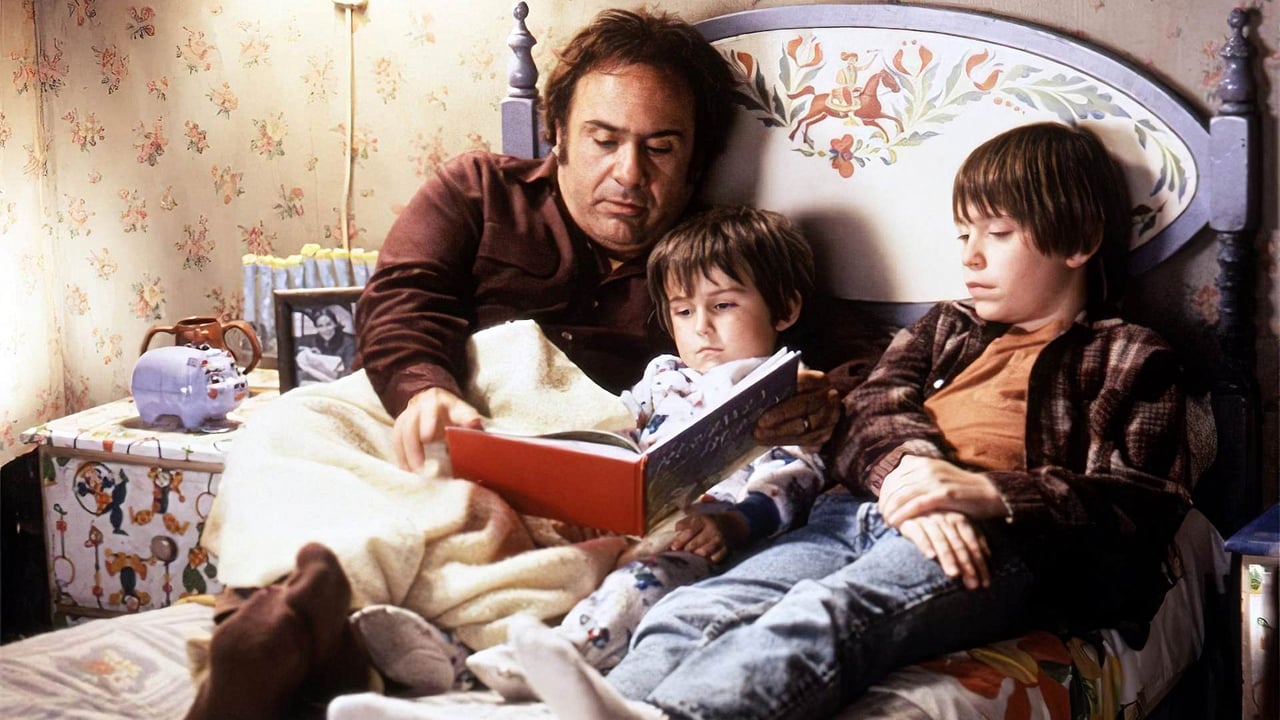
The film, directed by Marshall Herskovitz (co-creator of sensitive TV dramas like thirtysomething and My So-Called Life), excels in capturing the confusing, often contradictory world of childhood perception. Young Jack sees his father as both embarrassing and magnetic, a source of frustration and deep love. Steinmiller Jr. truly carries the emotional core of the film, portraying Jack's burgeoning awareness of his father's flaws and the creeping darkness entering their lives with remarkable sensitivity. We experience the instability through his eyes – the missed meals, the drunken outbursts, the desperate need for normalcy clashing with the eccentric reality of life with John. It’s a coming-of-age story steeped not just in first crushes and schoolyard dynamics, but in the heavy burden of premature responsibility.
A Shadow Falls Over Oakland
Where Jack the Bear truly diverges from standard family fare is with the introduction of Norman Strick, played with chilling restraint by Gary Sinise. Strick is the seemingly friendly neighbor whose underlying menace gradually poisons the narrative. His presence shifts the film's tone significantly, introducing a genuine sense of dread that feels jarringly real against the backdrop of suburban life and Leary’s B-movie antics. It’s this tonal tightrope walk – between poignant family drama, nostalgic period piece, and unsettling thriller – that reportedly caused some issues during production and upon release. Penned by Steven Zaillian, who nabbed an Oscar for Schindler's List the very same year, the script (adapted from Dan McCall's novel) doesn't shy away from the uglier aspects of life. There were whispers back then, and looking back it seems likely, that studio tinkering might have tried to smooth some of the film’s sharper edges, perhaps contributing to a feeling some viewers had of unevenness, particularly in the third act. Did they worry the darkness would alienate the audience drawn in by DeVito? It’s a classic Hollywood quandary.
Retro Reflections and Production Nuances
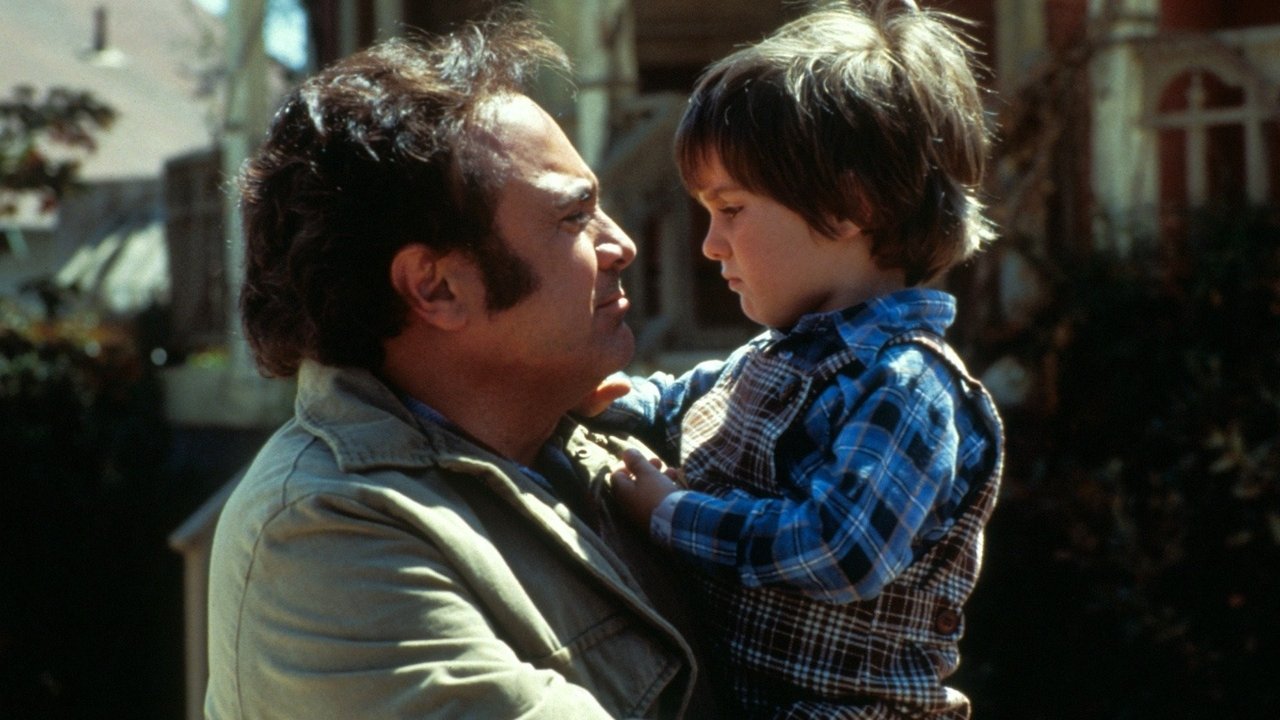
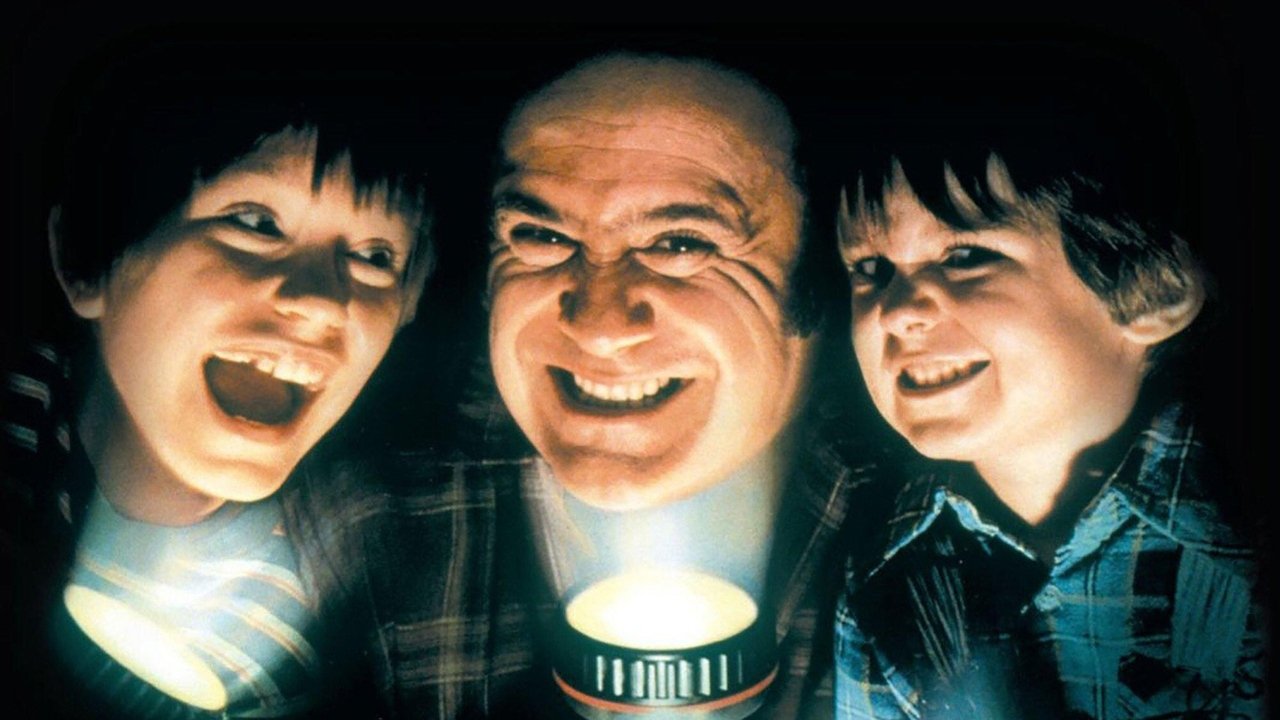
Watching this on VHS back in the day often felt like discovering something slightly forbidden. It wasn't quite the movie the box suggested. The $5.1 million it pulled in at the box office definitely hints that audiences weren't quite sure what to make of it either. Yet, that ambiguity is part of its lasting interest. The "Al Gory" segments themselves are a loving nod to the era of local TV horror hosts like Ghoulardi or Zacherley – a specific piece of broadcasting history many of us remember fondly from late nights glued to the tube. DeVito apparently relished playing Al Gory, bringing his own comedic sensibilities to the creature-feature host persona. And the period details, from the music cues to the cars and clothes, feel authentically grounded in that specific post-60s, pre-disco haze of 1972. It wasn't just set dressing; it felt lived-in.
The Enduring Echo
Jack the Bear isn't a perfect film. The shifts between lighthearted family moments, poignant grief, and sudden, stark menace can feel abrupt. Does the thriller element entirely mesh with the sensitive portrayal of a family coping with loss? Perhaps not seamlessly. Yet, its imperfections don't entirely diminish its power. It’s a film that dares to suggest that the monsters aren't just on late-night TV; sometimes they live next door, and sometimes they reside within the people we love most, wrestling with their own demons. It asks uncomfortable questions about parenting, protection, and the moment childhood innocence irrevocably breaks.
Rating: 7/10
This score reflects the film's ambitious reach, the strength of the central performances (especially DeVito and Steinmiller Jr.), and its willingness to explore dark themes within a seemingly conventional framework. It loses points for the somewhat uneven tone and a resolution that, possibly due to those rumored studio adjustments, feels a touch less impactful than the build-up suggests. Still, it's a deeply felt film that resonates more profoundly than many slicker, more easily categorized dramas from the era.
Jack the Bear remains a compelling, if sometimes unsettling, watch – a potent reminder from the VHS shelves that even movies starring familiar comedians could hold surprising, somber depths, leaving you with more to think about than you might have bargained for when you pressed play. What lingers most, perhaps, is the quiet understanding in young Jack’s eyes – the look of a boy forced to grow up far too soon.