It’s the summer of 1962 in small-town Nevada, and for three friends on the cusp of adulthood, the world feels simultaneously vast and suffocatingly small. Roy, Ned, and Scott have one shared, almost sacred obsession: Marilyn Monroe. Their plan? A quintessential rite-of-passage road trip to Hollywood with the singular, gloriously improbable goal of meeting their idol before Roy ships out to the army. This is the simple, sun-drenched premise of Calendar Girl, a 1993 coming-of-age tale that arrived bathed in the glow of its lead star’s contemporary fame, offering a dose of nostalgic charm thick enough to spread on toast.
An Innocent Quest in a Bygone Era
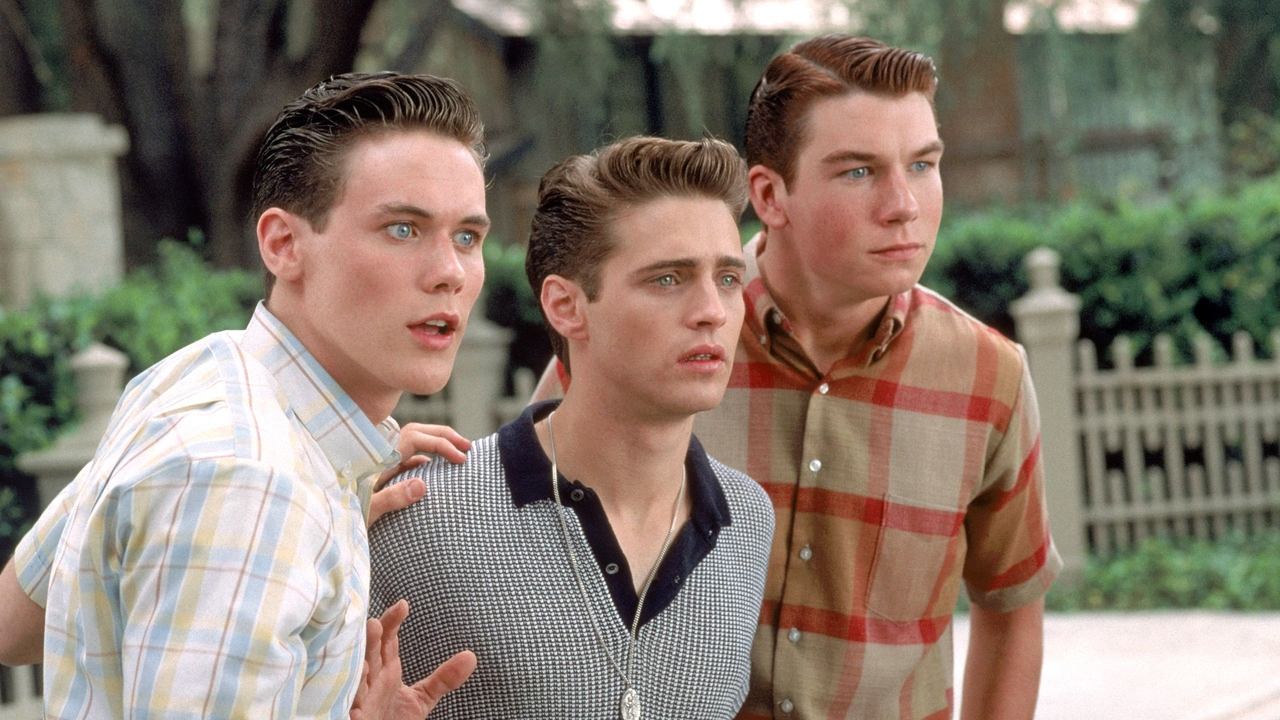
Directed by John Whitesell, who would later helm broader comedies like Big Momma's House 2 (2006), Calendar Girl feels like a gentle postcard from two different pasts: the early 60s setting it depicts and the early 90s era in which it was made. Written by Paul W. Shapiro, the script follows our trio – the confident, aspiring photographer Roy (Jason Priestley), the sensitive, rule-following Ned (Gabriel Olds), and the boisterous, girl-crazy Scott (Jerry O'Connell) – as they pile into a vintage DeSoto and head west. Their journey is less about the destination (though meeting Marilyn is the dream) and more about that classic movie trope: the last hurrah before life pulls them in different directions.
Watching it now, especially if you caught it on VHS back in the day, there’s an undeniable sweetness to its simplicity. The stakes feel endearingly low compared to modern teen fare. It’s about friendship, burgeoning hormones, and the kind of wide-eyed ambition that fuels impossible dreams. The film aims to capture the perceived innocence of 1962, layering it with a soundtrack of period-appropriate tunes and visuals filled with classic cars and diners. It doesn't always feel entirely authentic to '62 – there's a distinctly early 90s sheen to the production – but the feeling it evokes is one of warm, uncomplicated nostalgia.

Riding the Wave of 90s Stardom
Let’s be honest, a huge part of Calendar Girl's initial draw, and perhaps its enduring minor cult status, was Jason Priestley. Plucked straight from the peak of his Beverly Hills, 90210 heartthrob era, Priestley brings effortless charisma to Roy, the de facto leader of the pack. He’s the cool older brother type, camera always in hand, driving the mission forward. Alongside him, Gabriel Olds offers a nice counterpoint as the more introspective Ned, grappling with anxieties about the future. And Jerry O'Connell, already showcasing the comedic timing that would serve him well in films like Joe's Apartment (1996) and the series Sliders, provides the energetic, slightly goofy comic relief. Remember him as Vern in Stand by Me (1986)? He brings that same youthful exuberance here, just a bit older and louder. The chemistry between the three leads is palpable and carries much of the film. They feel like genuine friends, making their simple adventure relatable and engaging.
Retro Fun Facts & Box Office Blues
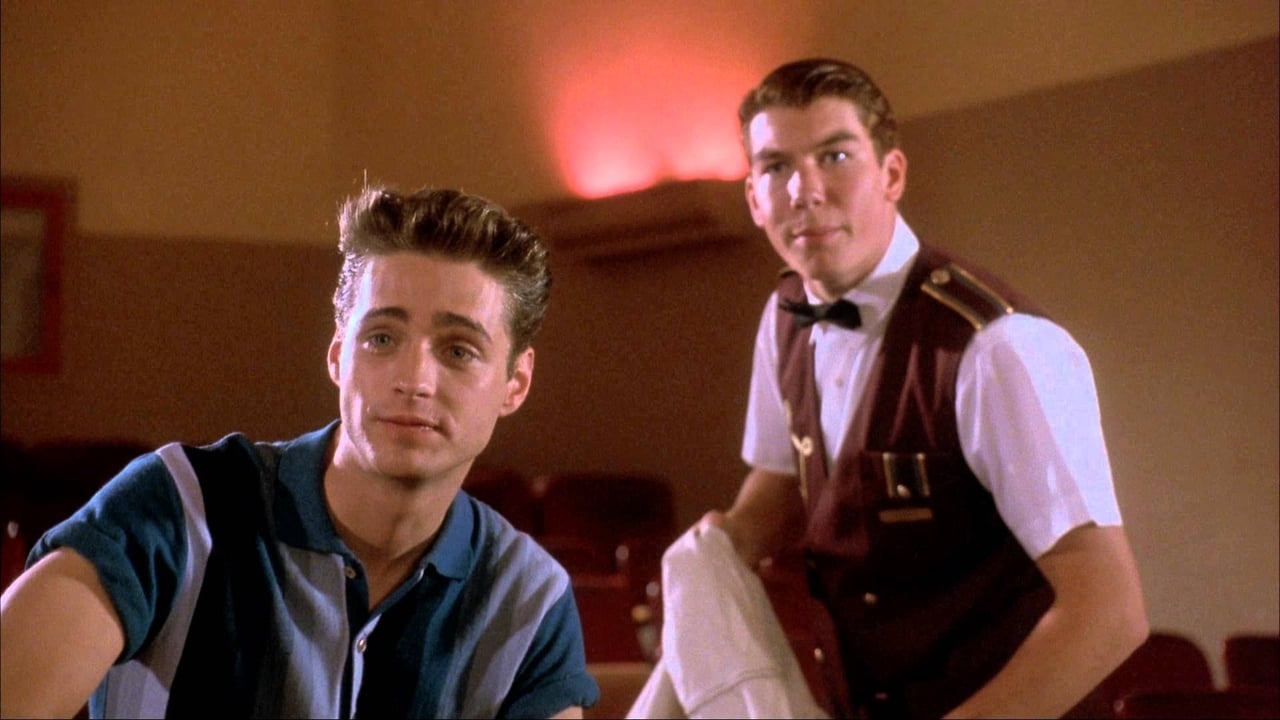

Despite the star power, Calendar Girl wasn't exactly a blockbuster. Made on an estimated budget of around $7 million, it pulled in a mere $2.6 million domestically. It was a quiet release, finding more life, as many films of its ilk did, on home video shelves where viewers could stumble upon its unassuming charm. It’s fascinating to think about the studio hoping Priestley’s TV fame would translate into a major movie hit, a common gamble in the 90s that didn’t always pay off.
The recreation of 1962 provides some visual fun, even if it feels more like a loving homage than a gritty historical piece. The quest to find Marilyn, played by lookalike Stephanie Anderson in brief appearances, gives the film its MacGuffin, but the real substance lies in the interactions between the boys and the episodic encounters they have along the way. There's a certain naivete to their plan that feels both touching and slightly absurd, perfectly capturing that teenage belief that anything is possible with enough gas money and sheer willpower.
A Sweet Slice of Nostalgia Pie
Calendar Girl isn't trying to reinvent the wheel. It’s a familiar story told with earnestness and a good heart. It doesn't delve too deep into the complexities of the era or the darker side of fame (Marilyn’s own tragic story looms just outside the frame, mostly unacknowledged). Instead, it offers a light, often funny, and ultimately feel-good journey about friendship tested and solidified on the open road. It perfectly captures that specific genre of early 90s film that looked back at the 50s/60s through rose-tinted glasses, finding comfort and simplicity in a past era. Think Shag (1989) or even elements of Cry-Baby (1990), but with less edge and more earnest sentimentality.
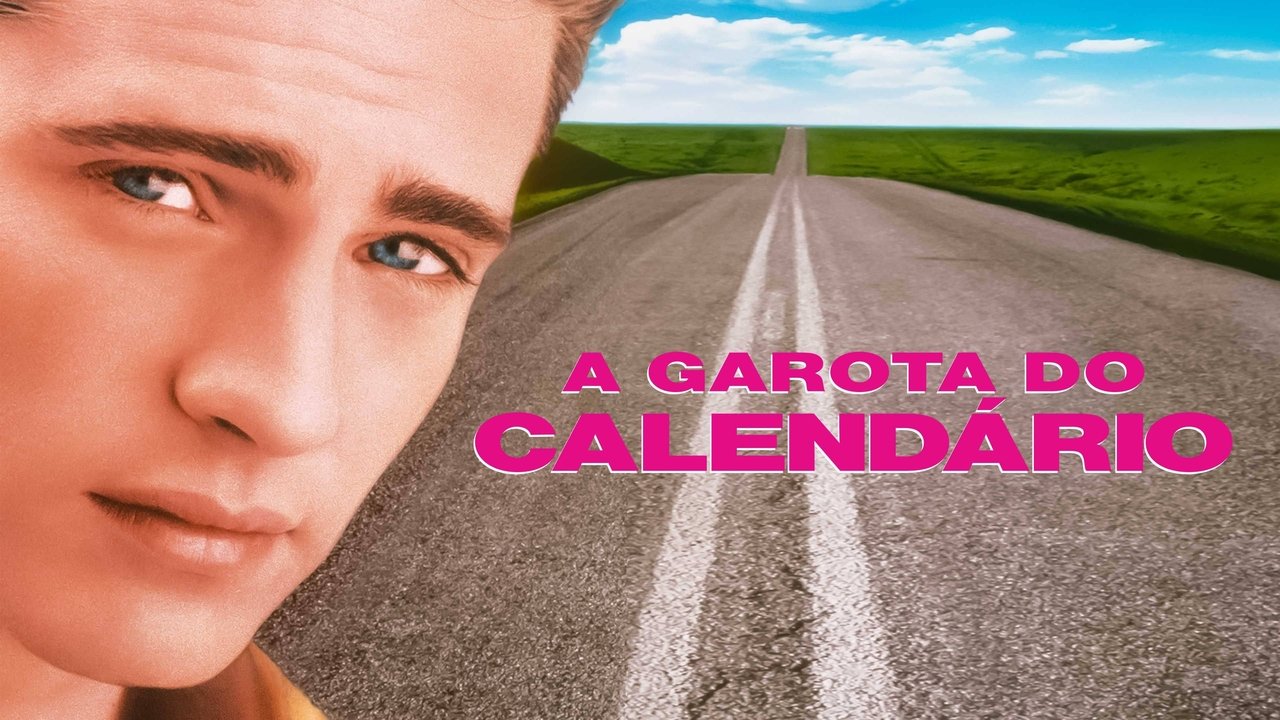
Does it hold up as a masterpiece? No. The plot is thin, the resolution perhaps a little too neat. But if you're looking for a pleasant trip down memory lane, fueled by likable performances and a sunny disposition, Calendar Girl delivers. It's the kind of movie you might have rented on a whim from Blockbuster, perhaps drawn in by Priestley's face on the cover, and found yourself surprisingly charmed by its gentle spirit.
VHS Heaven Rating: 6/10
The rating reflects a film that succeeds more on charm and nostalgia than on narrative depth or originality. The performances, particularly the chemistry of the lead trio, are engaging, and the central quest has an undeniable appeal. However, its light touch sometimes borders on superficiality, and it didn't leave a significant cultural footprint. It earns points for being a genuinely sweet and watchable coming-of-age story that captures a specific early-90s take on 60s nostalgia, making it a pleasant, if unremarkable, discovery or revisit on a lazy afternoon.