Okay, fellow tapeheads, let's rewind to a time when Day-Glo was king, grunge was hitting the airwaves, and a new kind of velocity was taking over sidewalks and movie screens: inline skating. Forget hoverboards for a second; 1993 gave us Airborne, a film that strapped rocket fuel (okay, polyurethane wheels) to the classic fish-out-of-water story and sent it careening downhill with maximum 90s attitude. For many of us, this flick wasn't just a rental; it was practically a lifestyle manifesto delivered in a cardboard clamshell case.
### Surf's Up, Snow's Down
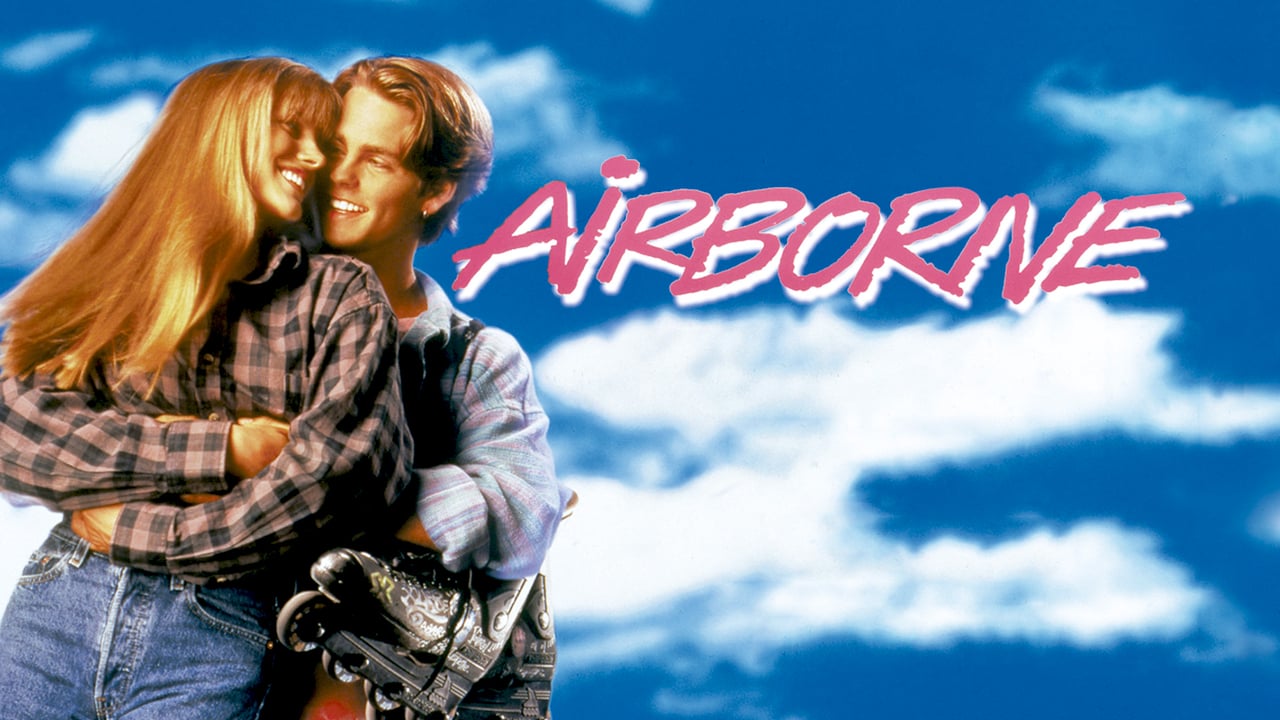
The premise hits like a blast of ocean spray suddenly turning into a flurry of snowflakes. We meet Mitchell Goosen (Shane McDermott), a quintessential Californian surfer dude – laid back, sun-bleached hair, lives for the waves. When his zoologist parents head off to Australia for six months, Mitchell gets shipped off to the seemingly grey, landlocked world of Cincinnati, Ohio, to live with his quirky Aunt Irene, Uncle Louie, and sardonic cousin, Wiley (Seth Green). It’s culture shock dialed up to eleven. The breezy beaches are replaced by frosty mornings, bitchin' waves swapped for icy sidewalks, and his chill vibe clashes immediately with the preppy, aggressive hockey jocks who rule the local high school.
Shane McDermott absolutely looks the part of Mitchell, embodying that easygoing, slightly clueless charm that makes his displacement so entertaining. He’s not just out of his element; he’s practically on another planet. His earnestness is key to the film’s appeal – you root for him not because he’s a superhero, but because he’s just trying to survive Midwestern high school politics armed only with a surfboard mentality and, crucially, a pair of aggressive inline skates.
### Blading Through the Queen City
Let's be honest: the plot isn't exactly Shakespeare. It’s a familiar tale of rivalry, romance (with the lovely Nikki, played by Brittney Powell, who happens to be the sister of the lead antagonist), and finding your place. But Airborne isn’t really about the plot; it's about the vibe. And central to that vibe? The rollerblading. Director Rob Bowman, who would later hone his skills directing numerous classic episodes of The X-Files and features like Reign of Fire (2002), injects a surprising amount of energy into the skating sequences. This wasn't just kids rolling around; it was presented as a dynamic, almost rebellious act.
The film hit right as inline skating was exploding in popularity, moving from niche sport to mainstream phenomenon. Seeing Mitchell weave through traffic, grind down rails (or try to), and generally use his skates as an extension of his Californian freedom felt genuinely cool back then. You just knew countless kids begged for their own pair of Rollerblades® after watching this. I distinctively remember the satisfying click-snap of those plastic buckles echoing around my neighborhood not long after Airborne made its rounds at the local video store.
### Wiley Knows Best (and Steals the Show)
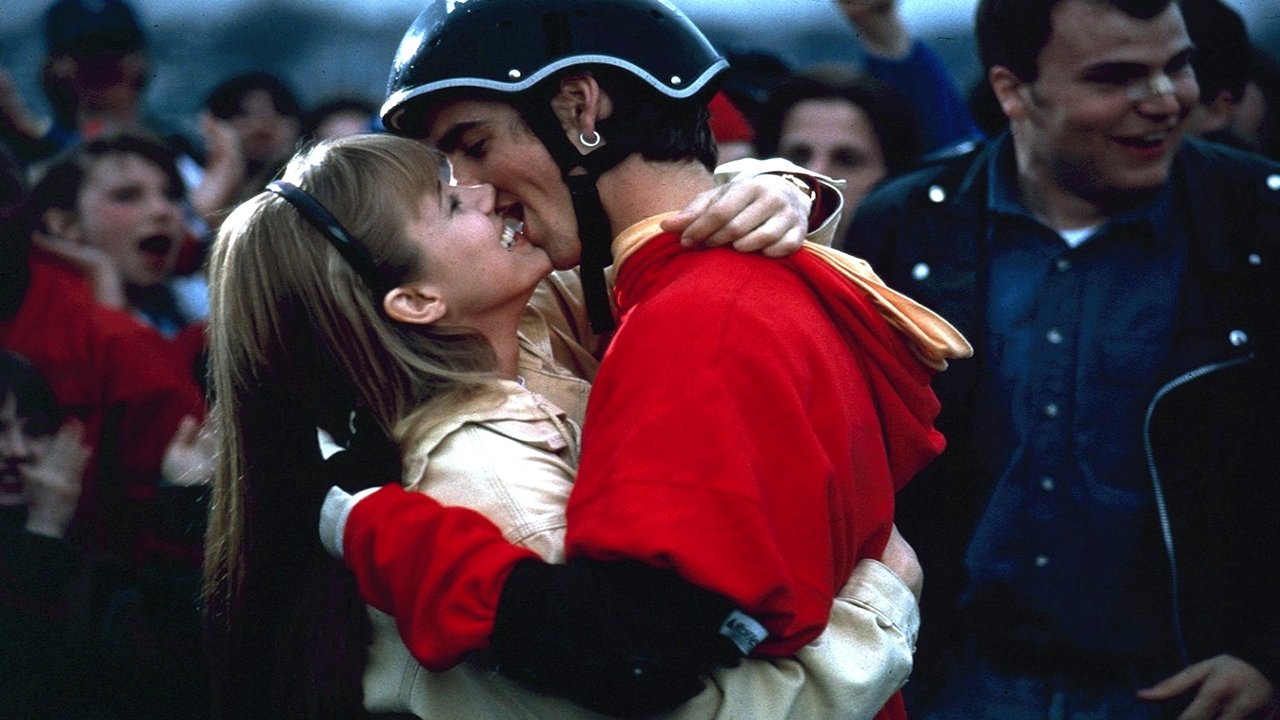
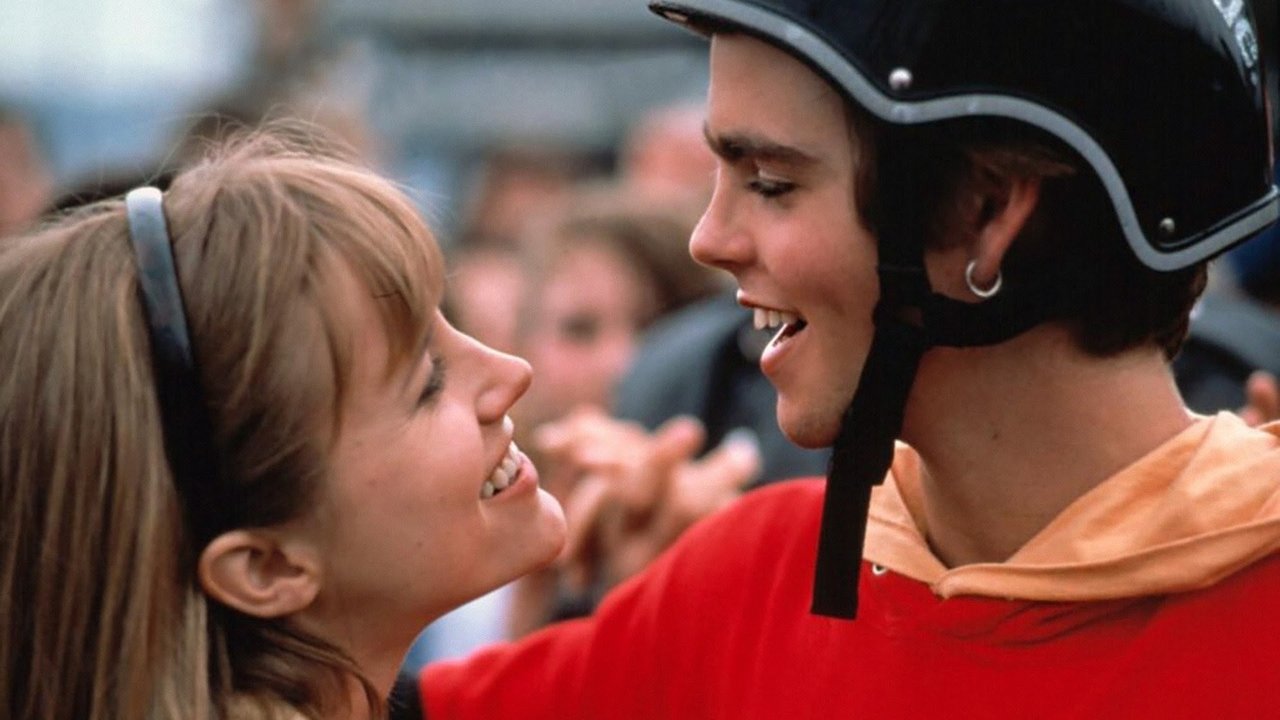
While Mitchell is our hero, it’s Seth Green as Wiley who often walks away with the movie. Even at this early stage in his career (long before Austin Powers or Robot Chicken), Green’s signature blend of nerdy energy, sarcastic wit, and surprising heart is already on full display. Wiley is Mitchell's guide to the bizarre social landscape of Cincinnati, delivering rapid-fire observations and navigating the treacherous waters of high school cliques with a unique brand of resigned amusement. His dialogue is frequently the sharpest, and his slightly off-kilter presence provides the perfect counterpoint to Mitchell's mellow surfer schtick. Their dynamic forms the comedic and emotional core of the film.
Retro Fun Facts:
- Cincinnati Pride: The film proudly showcases its Cincinnati and Northern Kentucky locations. Spotting landmarks like the Roebling Suspension Bridge or the downtown skyline adds a layer of authenticity often missing in generic teen flicks.
- Stunt Power: While Shane McDermott reportedly did a good chunk of his own skating, the film employed top inline skaters of the era, like Chris Edwards (often cited as the "father of aggressive inline skating"), for the more complex stunts. This dedication to showcasing real skill elevates the action sequences.
- Bowman's Early Style: You can see hints of Rob Bowman's future visual style here – dynamic camera movements tracking the action, a knack for building tension, even in a relatively lighthearted context. It’s interesting to see his development from this teen flick to the moody atmosphere of The X-Files.
- Box Office Blade: Airborne wasn't a massive theatrical hit, grossing just under $3 million domestically. But its afterlife on VHS and cable cemented its status as a beloved cult favorite for a generation. It found its audience precisely where "VHS Heaven" resides – in the comfort of our living rooms.
### The Devil's Backbone Dash
No discussion of Airborne is complete without mentioning the gloriously absurd, utterly unforgettable climax: the race down Devil's Backbone. This treacherous, winding road becomes the battleground for Mitchell and the preppy hockey team, led by the sneering Jack (Chris Conrad). It’s pure 90s wish-fulfillment, a chaotic symphony of speed, rivalry, and near-misses. Skaters vs. hockey players (on skates!), makeshift obstacles, outrageous wipeouts – it’s ridiculous, over-the-top, and undeniably thrilling in that specific way only 90s teen movies could manage. Does it make logical sense? Not entirely. Is it awesome? Absolutely. It’s the kind of finale that had you gripping the sofa cushions, completely swept up in the low-stakes, high-energy drama.
### Why We Still Glide With It
Airborne isn't high art. The dialogue can be cheesy, the plot predictable, and the fashion choices scream "early 90s" louder than a defective fire alarm. But its charm is infectious. It captures a moment in time with earnest enthusiasm, celebrating the simple joys of speed, friendship, and finding your way, even when you feel like a fish (or surfer) out of water. It has that specific brand of optimistic energy common in teen films of the era, a feeling that, despite the bullies and the pressures, everything will probably turn out okay, especially if you can skate really fast.
It’s a comfort food movie, a warm blanket of nostalgia woven with Day-Glo threads and the hum of polyurethane wheels on asphalt. Watching it today feels like revisiting an old friend – maybe a slightly goofy friend, but one who always knew how to have a good time.

Rating: 7/10
Justification: Airborne earns a solid 7 for its sheer nostalgic power, genuinely thrilling inline skating sequences (thanks to Rob Bowman's direction and talented skaters), and scene-stealing performance from Seth Green. It perfectly captures a specific early 90s zeitgeist. It loses points for a thin plot, some dated elements, and occasionally wooden acting from the lead, but its energy and charm significantly outweigh its flaws for fans of the era.
Final Thought: Airborne might be lightweight, but strap in anyway – it’s a breezy, fun glide down memory lane that proves sometimes, all you need to conquer the world (or just Cincinnati) is a good pair of blades and the right attitude. Wax up your memories, this one's a keeper.