Okay, pull up a chair, maybe grab a cup of tea. Let's talk about a film that wasn't just a movie, it was a cultural event that dominated the late 90s like few others. I'm talking about James Cameron's epic, the one that launched a million debates, crushes, and required two chunky VHS tapes back in the day: Titanic (1997). It feels almost impossible now to convey the sheer magnitude of this film upon its release. It wasn't just anticipated; it arrived under a cloud of skepticism, rumors of a disastrous production, and a budget ballooning to a then-unheard-of $200 million. Could any film possibly justify that kind of gamble?
More Than Just a Shipwreck
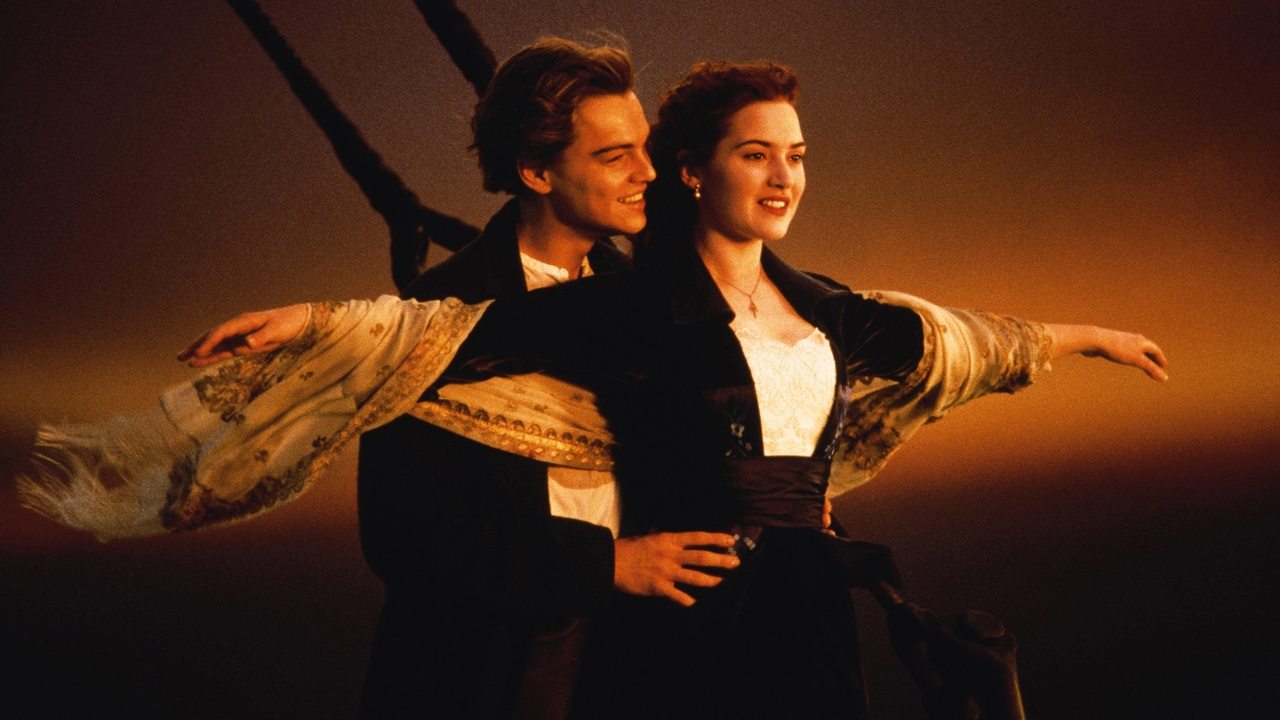
What strikes me most, revisiting Titanic after all these years, isn't just the spectacle – though we'll get to that – but the audacity of its core idea. Cameron, already known for high-octane sci-fi like Aliens (1986) and Terminator 2: Judgment Day (1991), chose to frame this historical disaster through the lens of an intense, albeit fictional, romance. It was a move that could have easily tipped into schmaltz, yet somehow, largely thanks to its leads, it found a sincerity that resonated deeply. The framing device, with Gloria Stuart as the elder Rose recounting her story to treasure hunters, adds a layer of poignant memory and reflection, immediately grounding the epic scale in human loss and endurance. It’s a search not just for a necklace, but for a past swallowed by the unforgiving depths.
Casting Lightning in a Bottle
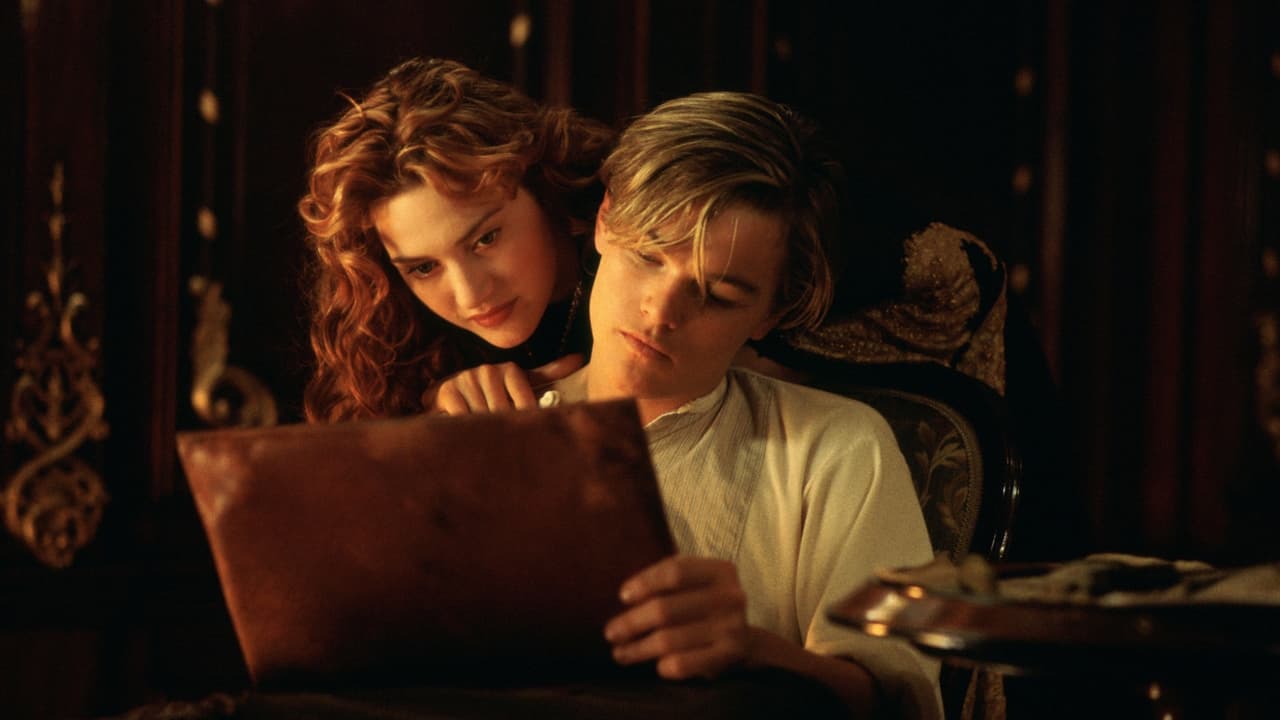
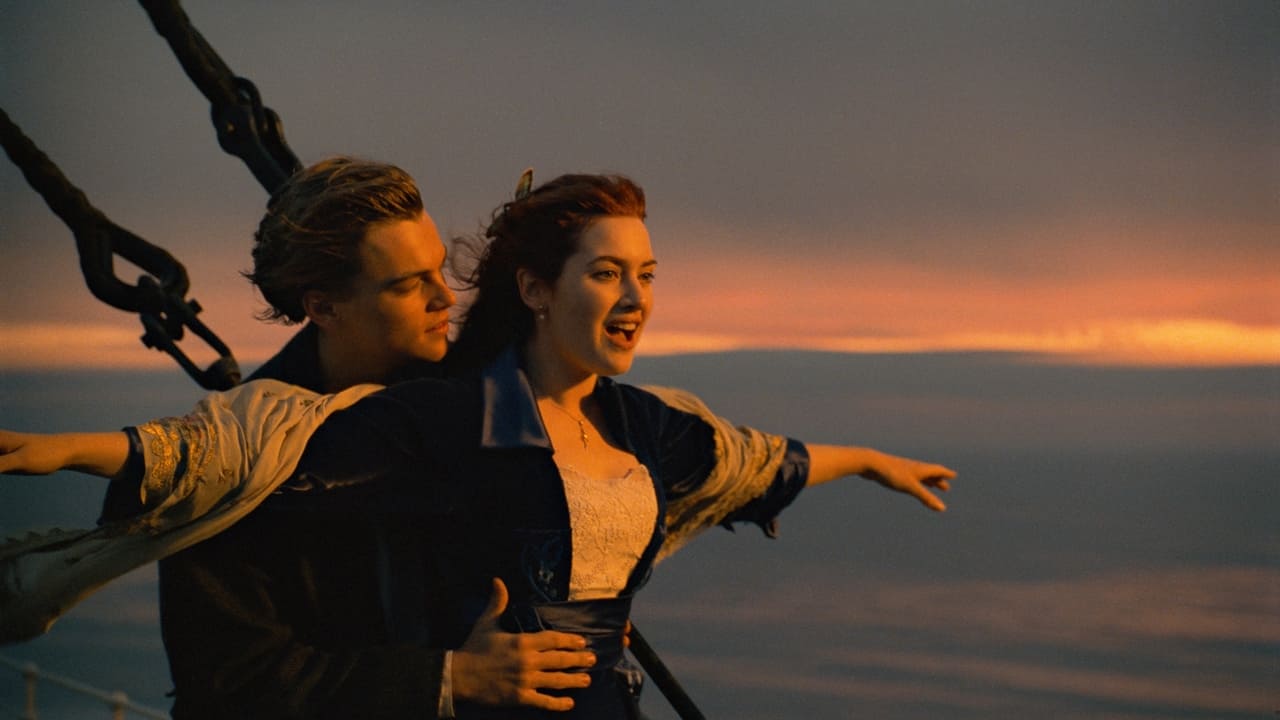
The heart of the film undeniably beats with Leonardo DiCaprio as the charming, steerage-class artist Jack Dawson and Kate Winslet as the stifled, upper-class Rose DeWitt Bukater. Their chemistry wasn't just palpable; it felt like spontaneous combustion on screen. It’s fascinating to think this iconic pairing almost didn’t happen. Reports suggest Matthew McConaughey was a studio favorite for Jack, while Winslet famously campaigned hard for the role of Rose, reportedly sending Cameron frequent notes. Whatever the behind-the-scenes maneuvering, the result was cinematic gold. DiCaprio, radiating youthful charisma, embodied the freedom Rose craved, while Winslet delivered a performance of remarkable depth and vulnerability, perfectly capturing her character's quiet desperation and eventual blossoming. Their connection feels authentic, a whirlwind romance believable amidst the rigid social structures of the era, vividly brought to life aboard the ship. They are surrounded by a strong supporting cast, including Billy Zane chewing scenery deliciously as the cartoonishly villainous Cal Hockley, and the ever-reliable Kathy Bates as the wonderfully "new money" Molly Brown.
Cameron's Unsinkable Ambition
You cannot discuss Titanic without acknowledging the monumental effort behind its creation. James Cameron isn't known for doing things by halves. The production famously involved constructing a near full-scale replica of the RMS Titanic's exterior in a massive tank in Rosarito, Mexico. The attention to detail, from the china patterns to the period costumes, was obsessive, aiming to immerse the audience completely in 1912. Cameron, a deep-sea exploration enthusiast himself, even undertook multiple dives to the actual wreck site, incorporating haunting real footage that lends the film an eerie authenticity.
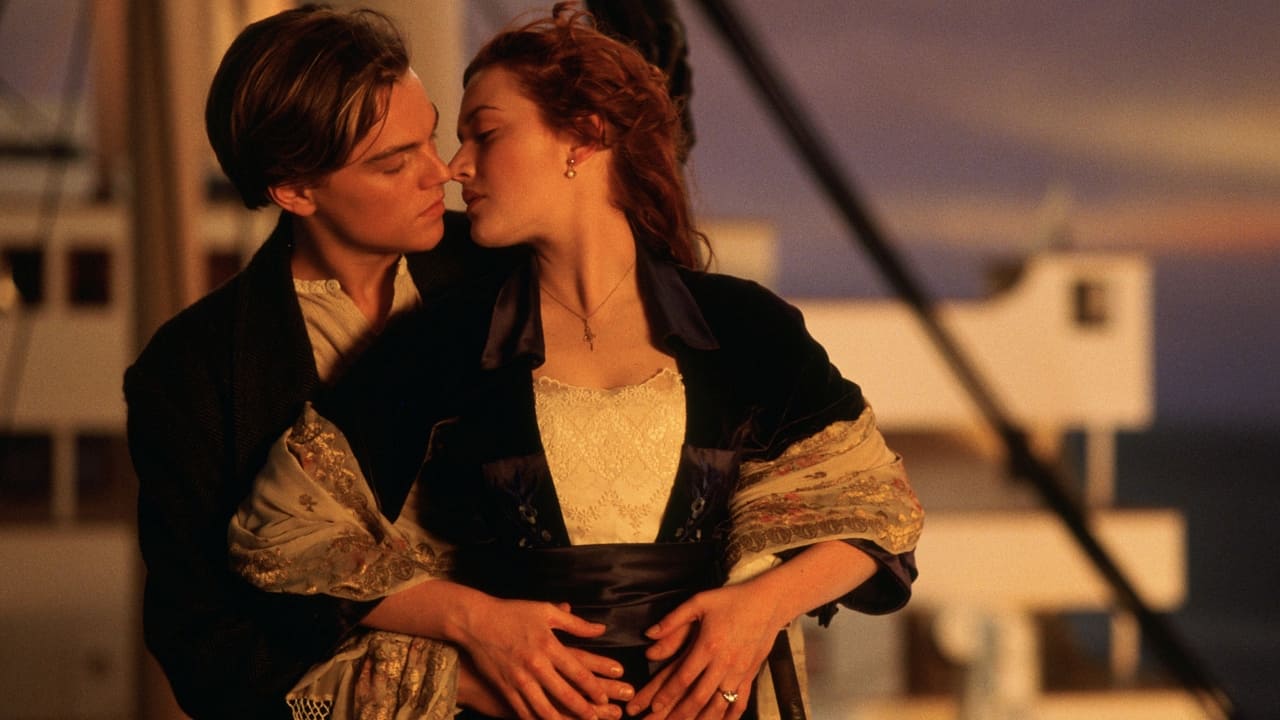
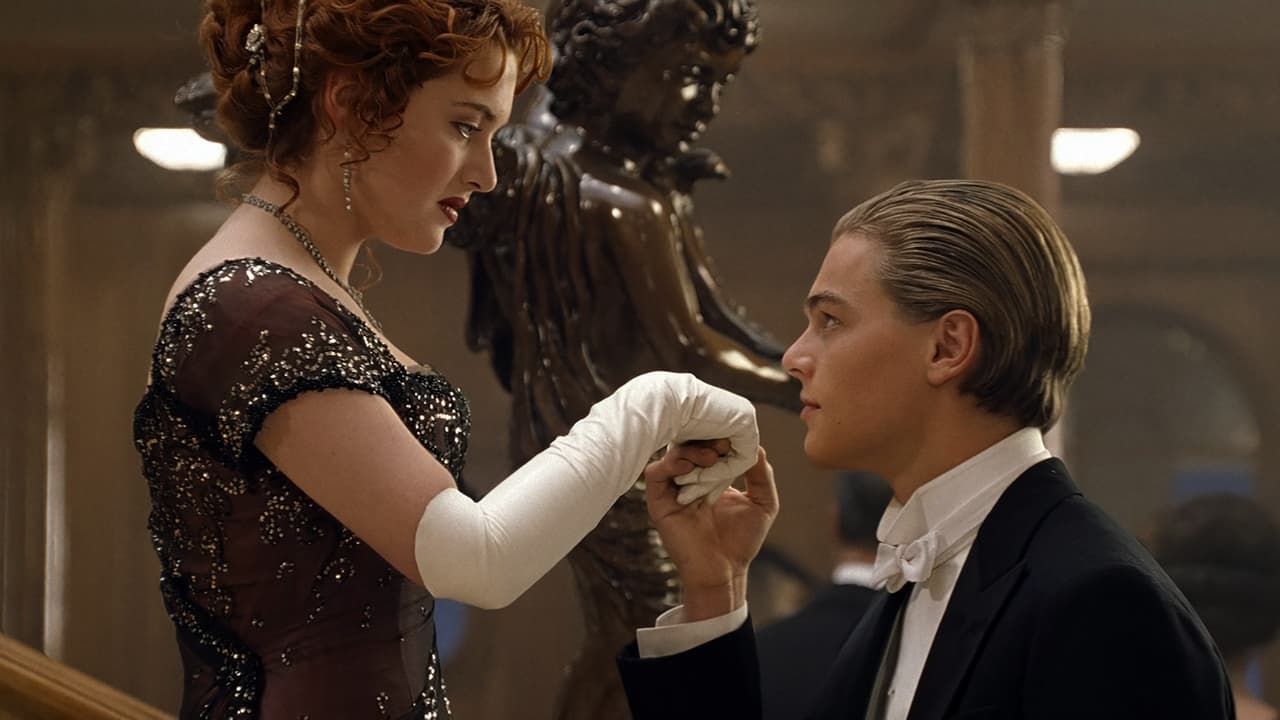
Of course, this ambition came at a cost – literally and figuratively. Stories of a demanding shoot, particularly during the grueling sinking sequences filmed in cold water tanks (Winslet famously suffered from hypothermia and quipped she wouldn't work with Cameron again unless she earned "a lot of money"), became Hollywood legend. The budget spiraled, forcing Cameron to famously forgo his salary and percentage points when the studio balked. It seemed like a production doomed to be as catastrophic as its subject matter. This context makes the film's eventual triumph even more staggering. It wasn't just a hit; it became the highest-grossing film of all time (a title it held for over a decade) and swept the Academy Awards with 11 wins, tying the record.
Spectacle with Soul?
The final hour of Titanic remains a technical marvel. The meticulous depiction of the ship's demise is both terrifying and awe-inspiring. Cameron masterfully blends practical effects, intricate miniature work, and then-groundbreaking CGI to create sequences of chaos and destruction that still hold up remarkably well. Remember seeing the ship break apart on the big screen? Or even on your CRT TV via that hefty double VHS set? It felt visceral, terrifying. The sheer scale of the human tragedy is conveyed with heartbreaking clarity.
Yet, does the spectacle overshadow the human story? For some, perhaps. The dialogue occasionally dips into cliché ("I'm the king of the world!"), and the central romance adheres to fairly traditional archetypes. But I'd argue the film earns its emotional weight. The disaster's impact is amplified precisely because we've invested in Jack and Rose's fate. Their struggle for survival amidst the unfolding horror provides the narrative anchor. What lingers isn't just the image of the sinking ship, but the desperate fight for love and life against insurmountable odds. Doesn't that core struggle resonate beyond the historical setting?
The Tide of Time
Watching Titanic today evokes a specific kind of nostalgia – not just for the film itself, but for the era it dominated. It was a time before streaming ubiquity, when a single film could capture the global conversation for months on end. It launched its leads into superstardom, flooded the airwaves with Celine Dion's inescapable theme song "My Heart Will Go On" (itself a record-breaking phenomenon), and proved that audiences still craved grand, emotional storytelling on an epic scale. Even with the passage of time, the film’s core elements – the compelling romance, the meticulous historical recreation, the sheer technical bravura – remain impressive. It’s a film that wears its heart on its sleeve, unashamedly epic and emotional.
Rating: 9/10
The rating reflects the film's undeniable impact, technical achievement, and powerful emotional core, particularly through the central performances. While some dialogue or characterizations might feel broad by today's standards, the sheer craftsmanship, ambition, and the lightning-in-a-bottle chemistry between DiCaprio and Winslet solidify its place as a modern classic. It accomplished exactly what it set out to do: create an unforgettable cinematic experience that blended historical tragedy with timeless romance on a scale rarely seen before or since.
Titanic wasn't just a movie; it was a phenomenon birthed in skepticism and ultimately crowned with unprecedented success. And somewhere, packed away in storage, many of us probably still have those two VHS tapes, silent monuments to a time when one film could truly rule the world.