It crashes onto the screen not with a gentle prologue, but with the urgent flicker of a news broadcast, a talking head framed by chaos. And then, those words – "Two households, both alike in dignity" – spoken not from a dusty stage, but amidst the gasoline-soaked heat and stylized violence of Verona Beach. Baz Luhrmann’s 1996 vision, William Shakespeare's Romeo + Juliet, wasn't just an adaptation; it felt like an audacious hijacking, a punk rock power chord played on Elizabethan strings. Seeing it back then, probably on a slightly fuzzy tape rented from Blockbuster, felt like witnessing something revolutionary, perhaps even a little dangerous. Could the Bard possibly survive this MTV-fueled collision?
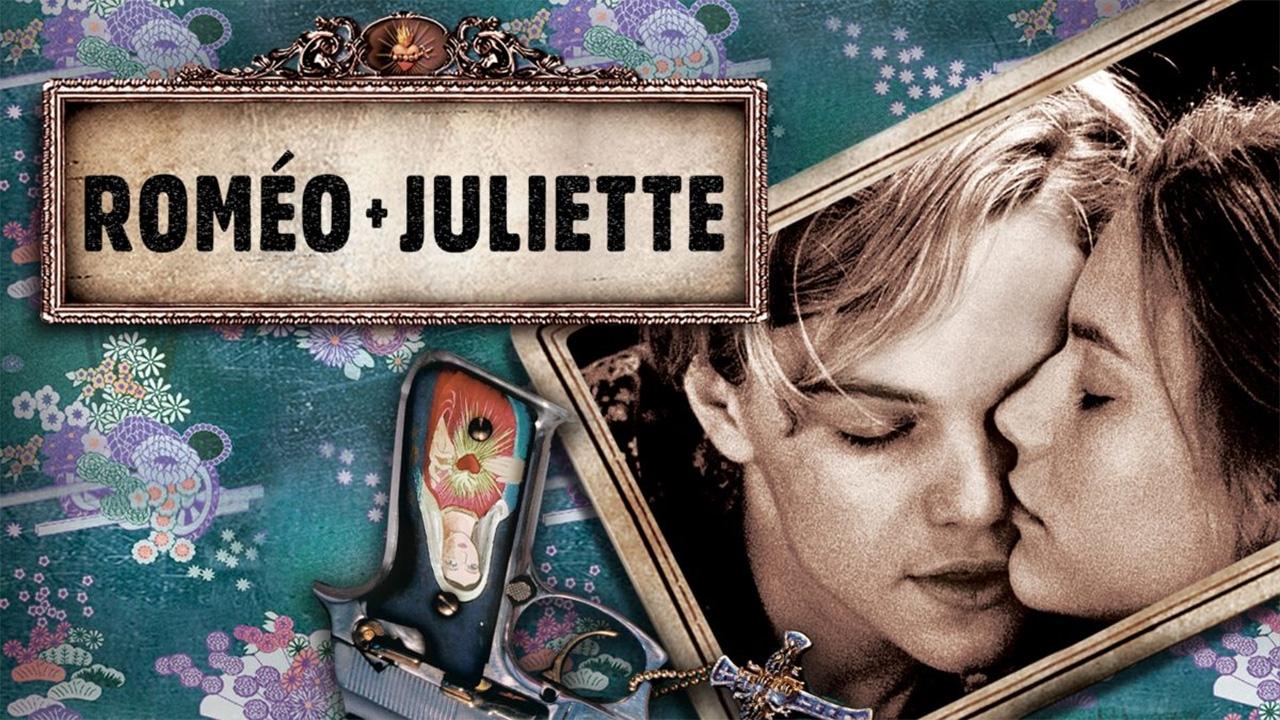
Wherefore Art Thou, MTV Aesthetic?
Luhrmann, fresh off the vibrant energy of Strictly Ballroom (1992), didn't just update the setting; he plunged Shakespeare headfirst into a hyper-stylized, almost operatic vision of late 20th-century decay and youthful passion. Filmed primarily in the visually striking environs of Mexico City and Veracruz, this "Verona Beach" pulses with a feverish energy. It's a world of dilapidated grandeur, Catholic iconography clashing with gang colours, and Hawaiian shirts serving as battle standards. The decision to retain Shakespeare's original dialogue, jarring at first, becomes the film's masterstroke. Hearing iambic pentameter delivered during a gas station shootout or whispered across a swimming pool creates a dissonance that forces you to listen anew, to feel the raw emotion beneath the unfamiliar cadence. It's a gamble that pays off, transforming ancient poetry into urgent, contemporary pleas.
The production itself faced its own dramatic challenges. A hurricane famously tore through the sets during filming, causing significant damage – a touch of real-world chaos mirroring the on-screen turmoil. Yet, this chaotic energy feels woven into the film's very fabric.

A Pair of Star-Cross'd Lovers Find Their Moment
At the heart of this whirlwind are Leonardo DiCaprio and Claire Danes. DiCaprio, radiating a kind of restless, almost feral charisma just before Titanic launched him into the stratosphere, embodies Romeo's impulsive romanticism. Luhrmann reportedly flew all the way to Australia, where DiCaprio was filming, armed with storyboards and a passionate pitch (and apparently funding Leo's video recordings of some scenes himself) to convince the initially hesitant young actor. You see Romeo's soulfulness in his eyes, often framed in close-up, making the poetry feel less like recitation and more like raw thought. Danes, fresh from the beloved angst of TV's My So-Called Life, brings a grounded intelligence and startling emotional depth to Juliet. There were other considerations – Natalie Portman was screen-tested but ultimately felt too young opposite DiCaprio, making Danes' casting feel almost fated. Their chemistry is undeniable, particularly in moments like the iconic fish tank scene – a moment of pure cinematic invention where their eyes meet through the shimmering blue, capturing that instant, world-altering spark of first love amidst the noise. Their scenes together possess a breathtaking intimacy that cuts through the surrounding mayhem.
Sound and Fury, Signifying Everything
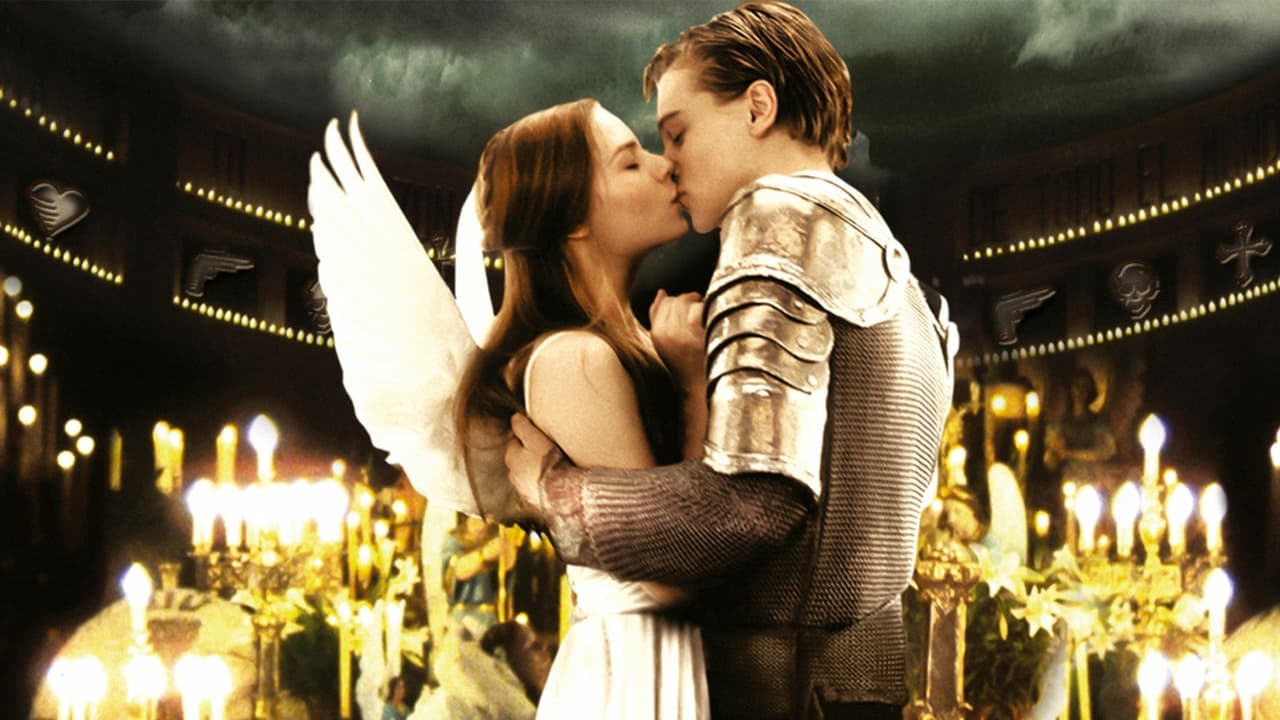
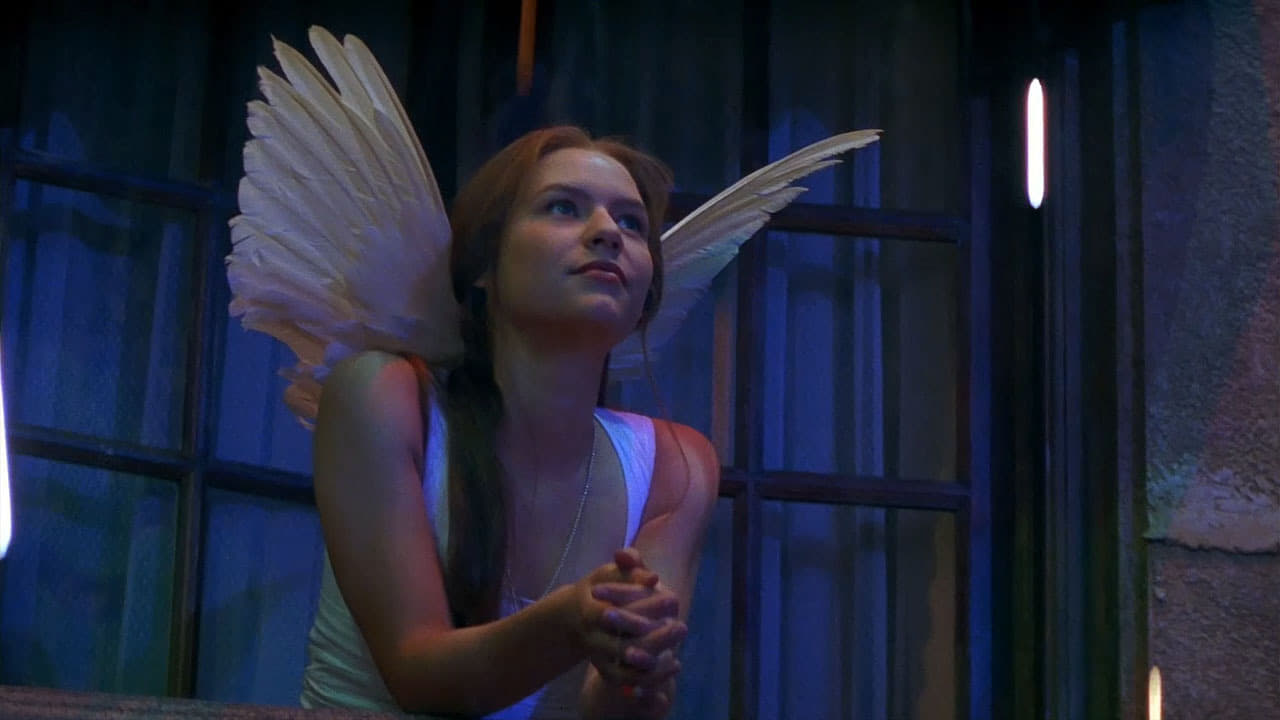
The supporting cast crackles with intensity. John Leguizamo delivers a scorching, unforgettable performance as Tybalt, the "Prince of Cats," prowling through scenes with simmering menace. Leguizamo embraced the role with fierce commitment, contributing significantly to the character's distinctive Latino gangster flair and choreography. And who could forget Harold Perrineau's brilliant, flamboyant Mercutio? His drag performance at the Capulet ball and his searing "A plague o' both your houses!" speech are highlights, delivering tragicomedy with heartbreaking flair. The soundtrack, too, became a character in its own right – a perfectly curated mixtape of 90s alternative rock (Radiohead, Garbage, The Cardigans) that somehow felt utterly right, amplifying the angst, romance, and tragedy. It wasn't just background music; it was the emotional pulse of this reimagined Verona, and the CD became almost as ubiquitous as the VHS tape itself.
Branding Irony: Swords and Daggers
Luhrmann's team leaned into the language/setting juxtaposition with witty production design. The Montague boys' firearms are branded "Sword 9mm," while the Capulets favour "Dagger" models. It’s a clever, darkly humorous touch that acknowledges the translation from historical context to modern gang warfare. This visual language permeates the film, from the bold costumes designed by Kym Barrett to the almost overwhelming religious symbolism scattered throughout. It's a world saturated with meaning, sometimes subtle, often gloriously overt. While some critics at the time found the sheer sensory overload vulgar or distracting (initial reception was definitely mixed), the film's sheer audacity resonated powerfully with audiences. Made for a modest $14.5 million, it exploded at the box office, grossing over $147 million worldwide – proof that Shakespeare, in the right hands, could still pack cinemas. Adjusted for inflation today, that's like turning a $28 million budget into nearly $285 million!
Does It Hold Up Beyond the Hairspray and Gunfire?
Rewatching Romeo + Juliet now, the frantic editing and Luhrmann's signature flamboyance are still striking, perhaps even more so in an era of often more homogenised blockbusters. Yes, some elements feel intensely of the 90s, but the core emotional power remains remarkably intact. The tragedy hits hard because the performances, especially from DiCaprio and Danes, feel so raw and true. They capture the blinding intensity of young love and the devastating consequences of hatred and miscommunication in a way that transcends the stylised setting. Does the modern setting make the tragedy feel even more pointless, the ancient feud rendered in neon and gunfire? Perhaps that's the point. The film leaves you breathless, maybe a little bruised, contemplating the enduring power of both love and violence. It reminds us that some stories, however old, continue to echo in the modern noise. I remember the worn-out spine of my own VHS copy, a testament to countless rewatches, trying to absorb every frame of its beautiful chaos.
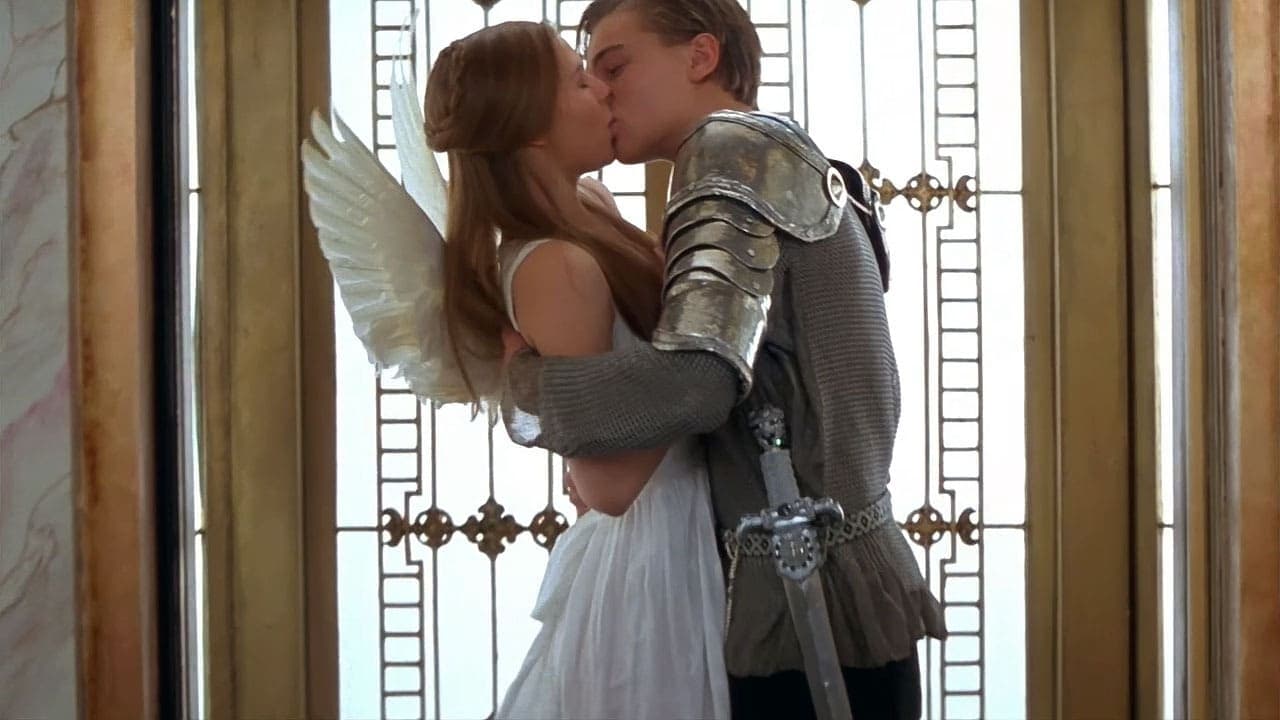
Rating: 9/10
This score reflects the film's sheer, unapologetic boldness, its stunning central performances, and its lasting cultural impact. While the hyper-stylization might not be for everyone, its creative vision is undeniable, successfully breathing vibrant, volatile life into Shakespeare for a new generation. It proved that classic stories could be radically reimagined while retaining their emotional core, a lesson that still resonates.
What lingers most isn't just the iconic imagery, but the heartbreaking sense that even amidst such visual invention and modern noise, the oldest human failings – hatred, impulsiveness, failures to communicate – remain tragically unchanged.