Okay, settle in, maybe pour yourself something comforting. We need to talk about Total Eclipse. Remember pulling this one off the shelf back in '95? Perhaps lodged between bigger, louder releases, its cover art hinting at something historical, maybe a little… intense? Intense doesn’t quite cover it. This film isn't a gentle stroll through 19th-century French literature; it's a plunge into the volatile, often brutal, affair between the prodigious Arthur Rimbaud and the established Paul Verlaine, and it leaves a mark.
A Collision of Worlds
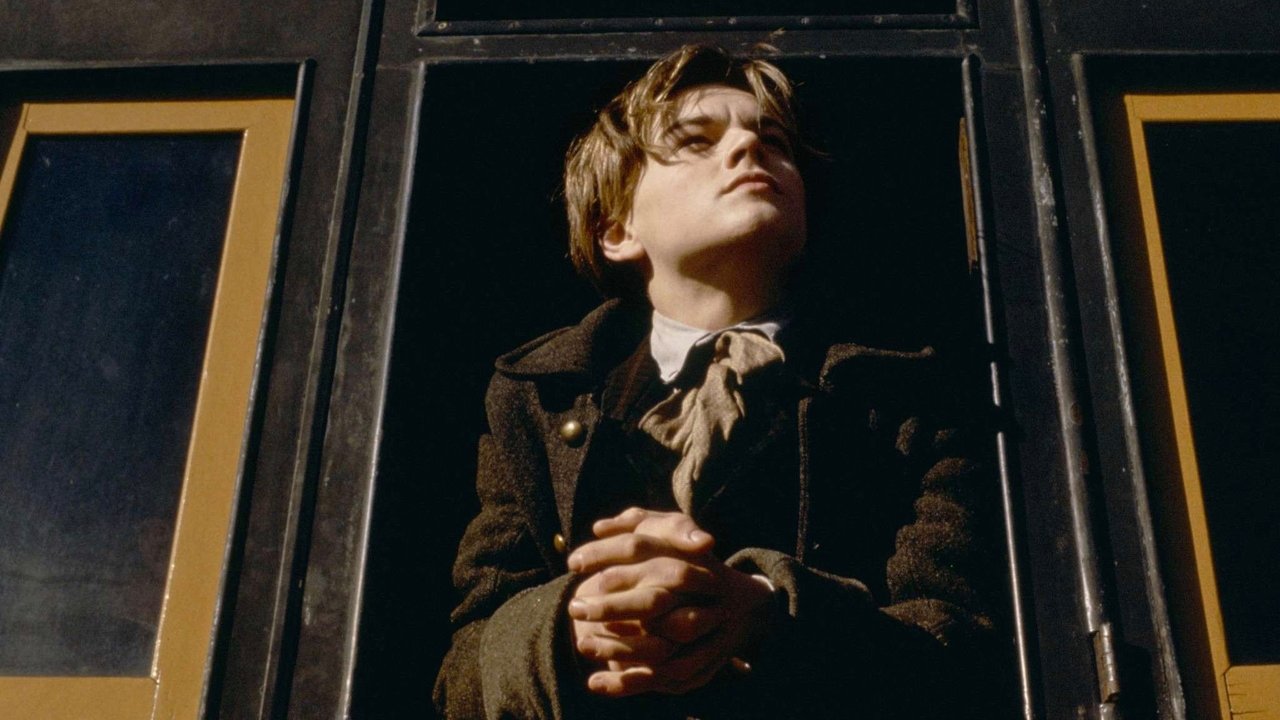
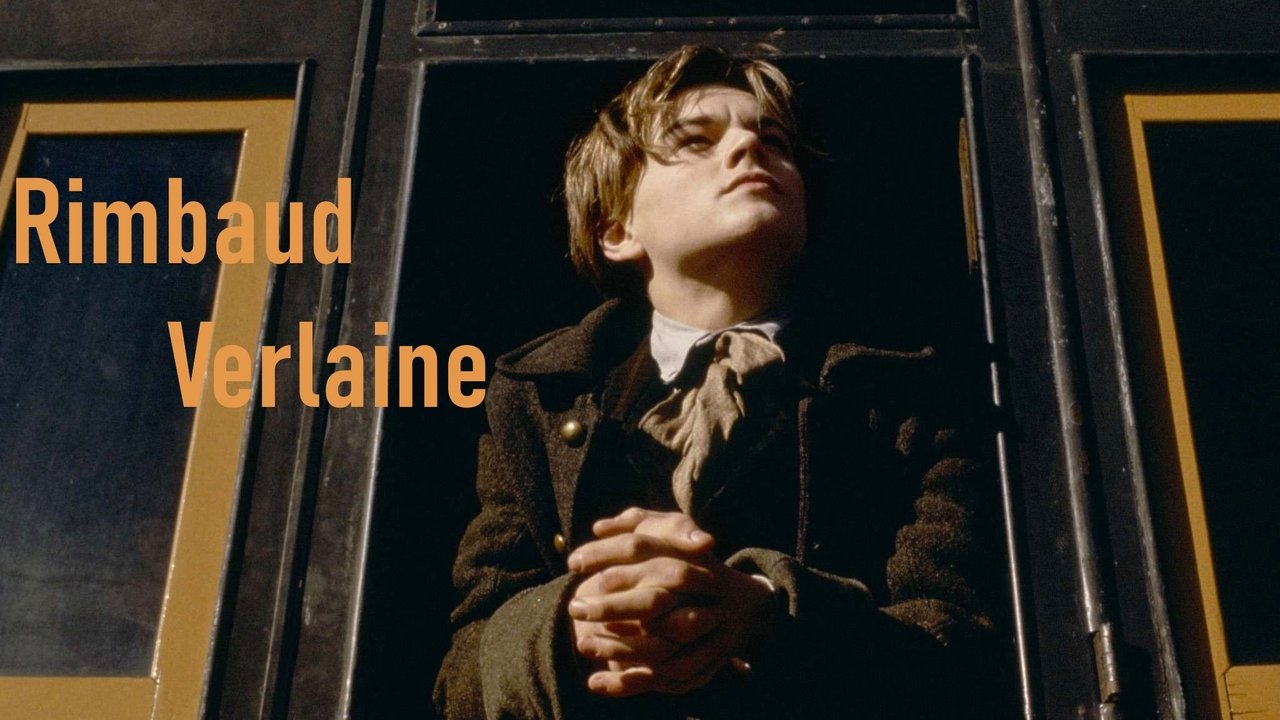
What strikes you immediately, watching it again after all these years, is the sheer force of Leonardo DiCaprio's portrayal of Rimbaud. This wasn't the heartthrob of Romeo + Juliet (1996) or the global phenomenon of Titanic (1997) yet. This was DiCaprio raw, almost feral, embodying the teenage poet as a creature of pure, unapologetic impulse – arrogant, cruel, brilliant, and utterly captivating. He arrives in Paris like a bomb thrown into the stuffy literary salons, specifically targeting the already unstable Verlaine, played with aching vulnerability by David Thewlis. Thewlis, fresh off his staggering turn in Mike Leigh's Naked (1993), is the perfect counterpoint: a man trapped by convention, desire, and his own considerable flaws, mesmerized and ultimately consumed by Rimbaud's chaotic genius.
Burning Bright, Burning Out
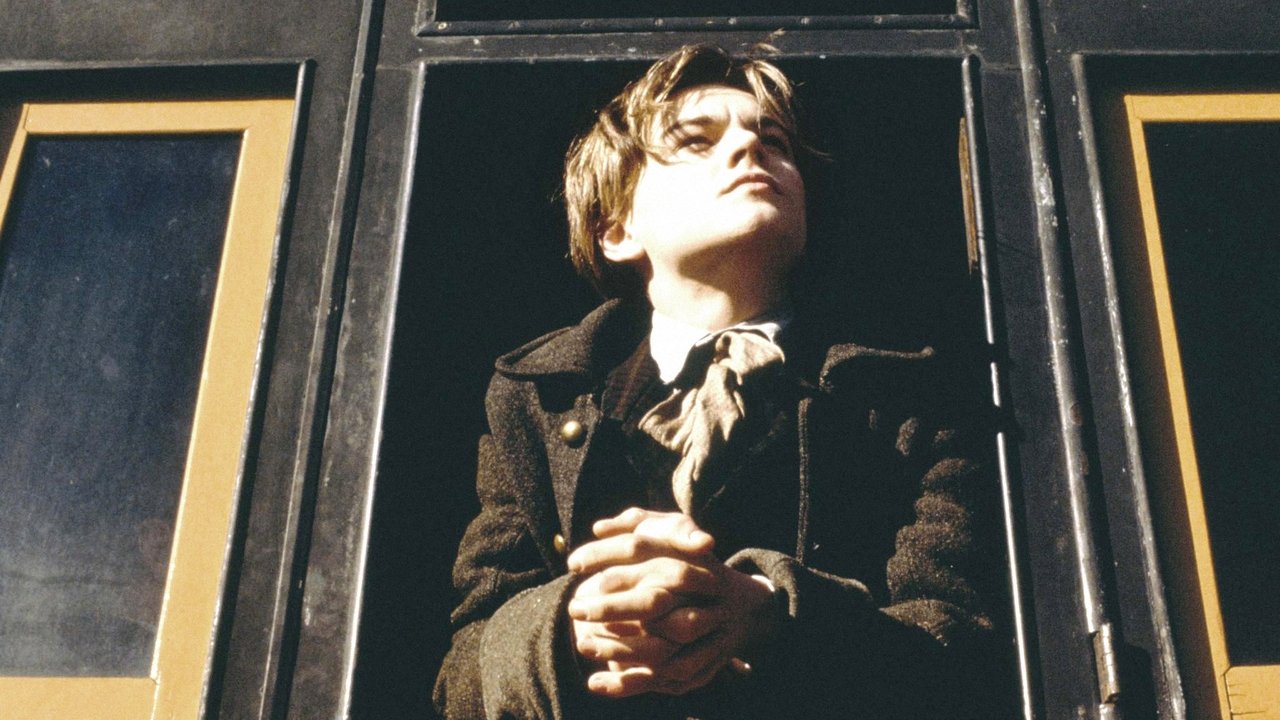
Director Agnieszka Holland, who had already navigated complex emotional terrain in films like Europa Europa (1990), doesn't shy away from the ugliness of their relationship. This isn't a sanitized Hollywood romance. It's about obsession, addiction (absinthe flows freely), intellectual sparring that curdles into psychological warfare, and moments of shocking violence punctuating bursts of shared creative ecstasy. Holland crafts a vision of bohemian Paris and provincial France that feels lived-in, often grimy, a far cry from picturesque period pieces. The film is visceral, sometimes uncomfortably so. It forces us to confront the destructive potential that can accompany unbridled passion and artistic fire. Does genius excuse monstrosity? The film doesn't offer easy answers, laying bare the wreckage left in the wake of these two intertwined lives.
From Stage to Screen, A Troubled Path
It's fascinating to remember that this story had a long journey. Playwright Christopher Hampton adapted his own 1967 stage play, which he'd reportedly been trying to get filmed for years. For a long time, the brilliant River Phoenix was attached to play Rimbaud, a prospect shadowed by tragedy when Phoenix passed away in 1993. DiCaprio stepping into the role feels significant in hindsight; it was one of those challenging, art-house choices that signaled the depth he was capable of long before becoming a household name. You can see the seeds of his later intense character work right here. The film itself, despite the pedigree of its director, writer, and burgeoning star, struggled to find an audience. Made on a modest budget (around $9 million), it barely made a ripple at the US box office (grossing under $350,000 domestically), likely proving too abrasive or niche for mainstream tastes in the mid-90s. Finding this on VHS often meant seeking it out in the 'Drama' or perhaps even the 'Foreign/Art House' section of the local video store, a far cry from the front-shelf blockbusters.
The Brutality of Truth?
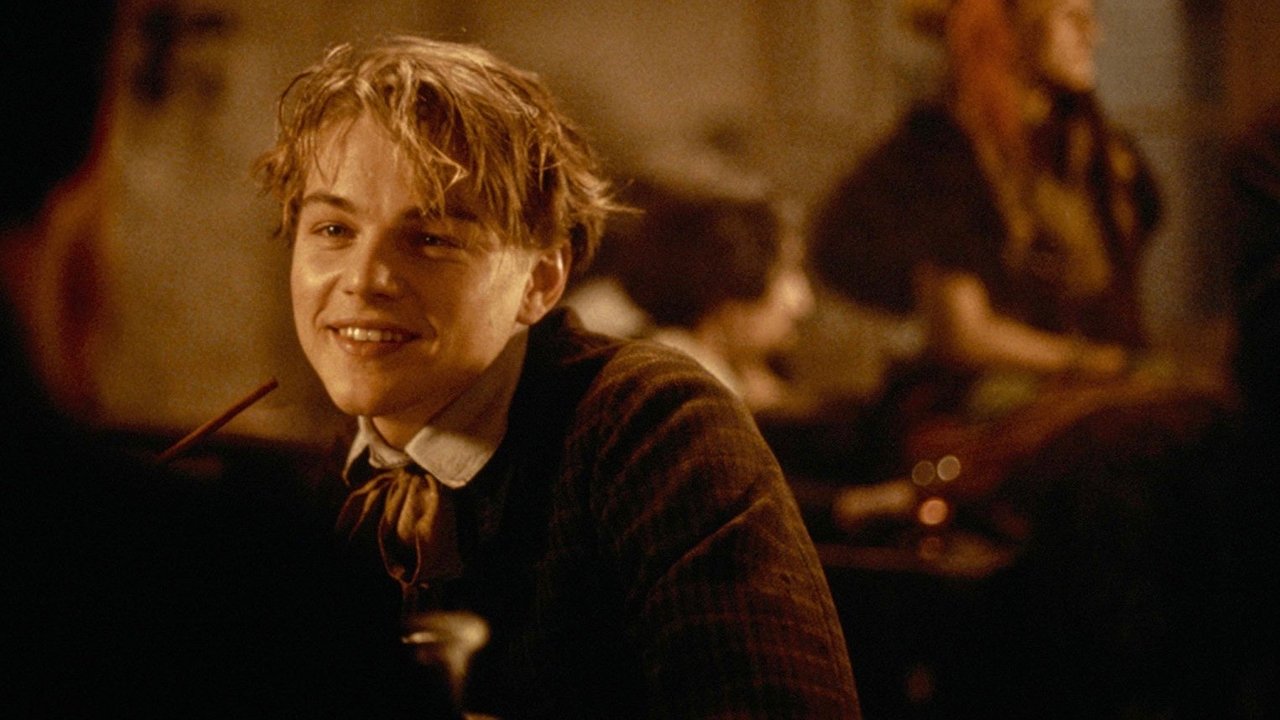
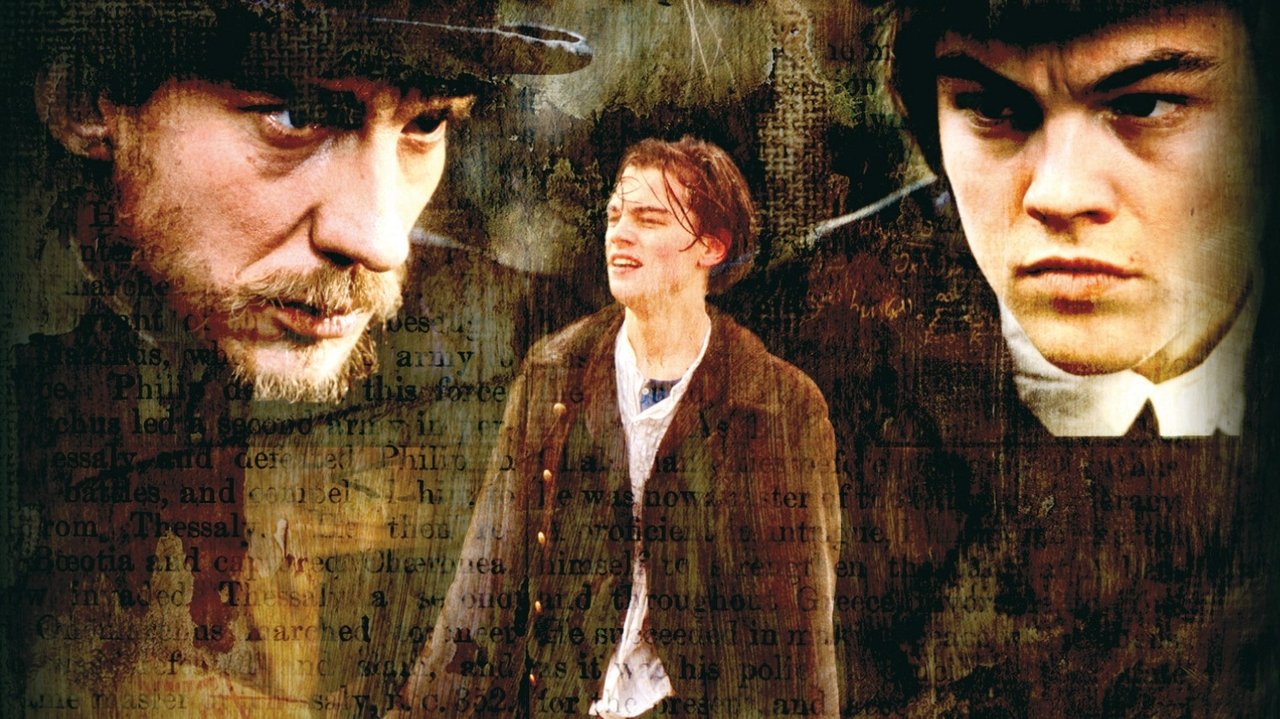
The performances are the undeniable core. DiCaprio embodies Rimbaud's belief in the "systematic derangement of all the senses" to achieve poetic insight, throwing himself into the role with a terrifying lack of vanity. Thewlis masterfully portrays Verlaine's descent, his initial fascination souring into resentment, self-pity, and violence. Their chemistry is electric, but often repellent – it’s meant to be. It’s a brave choice by Holland and Hampton to present these literary icons without sanding off their sharp, often deeply unpleasant, edges. Does it capture the truth of their lives and art? Perhaps not definitively – historical accuracy in biopics is always a tricky dance – but it certainly captures the spirit of reckless abandon and artistic fervor that fuels their legends.
Does the film sometimes feel relentlessly bleak? Yes. Is it occasionally overwrought? Perhaps. But its refusal to compromise, its commitment to exploring the darkest corners of inspiration and obsession, stays with you. It’s not an easy watch, nor was it likely intended to be. It demands something from the viewer, forcing reflection on the often-painful relationship between creativity and self-destruction. What price is too high for art? What happens when love becomes a cage, or worse, a weapon?
Rating: 7/10
Justification: While undeniably challenging and perhaps alienating for some viewers due to its bleakness and the often unlikeable nature of its central characters, Total Eclipse is anchored by two truly ferocious, committed performances from DiCaprio and Thewlis. Agnieszka Holland's direction is unflinching, creating a palpable sense of time, place, and emotional turmoil. The film's refusal to romanticize its subjects is both its strength and its potential barrier for entry. It earns a '7' for its artistic ambition, the sheer power of its lead actors (especially seeing DiCaprio in such a raw, early state), and its haunting exploration of destructive genius, even if the overall experience is more harrowing than enjoyable in a conventional sense.
It remains a potent, if difficult, piece of 90s cinema – a reminder from the VHS vaults that sometimes the most unforgettable films are the ones that leave you feeling profoundly unsettled long after the tape clicks off.