There's a certain kind of weariness that settles deep in the bones, isn't there? Not just physical exhaustion, but the soul-deep fatigue that comes from grinding away day after day, feeling like the gears are chewing you up faster than you can make ends meet. Watching Paul Schrader's directorial debut, Blue Collar (1978), feels like plunging your hands directly into that gritty, oil-stained reality. This isn't a film you casually throw on; it’s one that demands attention, burrowing under your skin with its raw portrayal of desperation and betrayal on the assembly lines of Detroit.

Forged in Fire and Frustration
The air in Blue Collar practically hangs thick with the fumes and frustrations of its setting. We meet Zeke Brown (Richard Pryor), Jerry Bartowski (Harvey Keitel), and Smokey James (Yaphet Kotto), three auto workers bound by their shared grind at the plant and their perpetually empty pockets. They drink together, complain together, and dream of escaping the cycle of debt and deadening routine. The camaraderie feels authentic, lived-in – you believe these men share beers and bullshit sessions after clocking out. But beneath the surface, the pressure is immense. Zeke owes the IRS, Jerry’s struggling to provide for his family (including getting his daughter braces), and Smokey… well, Smokey just wants out.
Schrader, who co-wrote the screenplay with his brother Leonard (having previously penned the searing script for Martin Scorsese's Taxi Driver), plunges us headfirst into their world. The factory floor isn't just a backdrop; it's a character in itself – loud, dangerous, dehumanizing. The decision to shoot significant portions within the actual Checker Motors plant in Kalamazoo, Michigan, lends the film an undeniable, almost documentary-like veracity. You can almost smell the coolant and feel the relentless rhythm of the line.
Performances Under Pressure
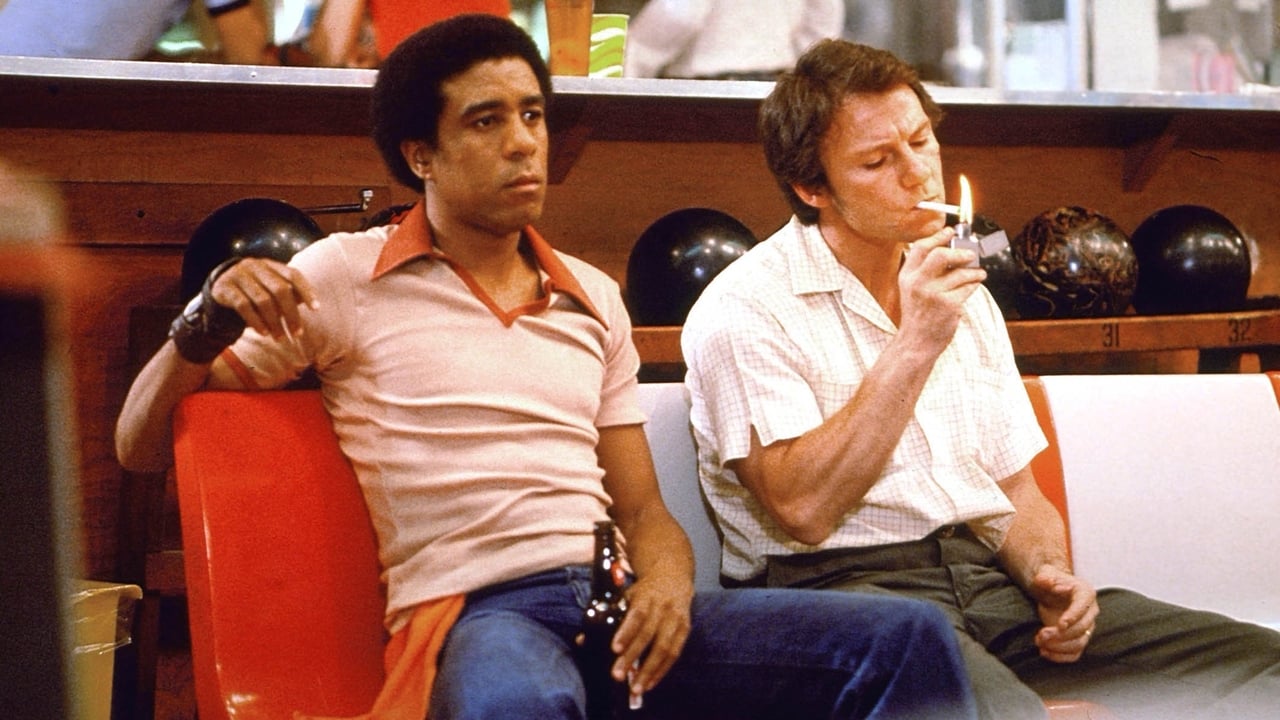
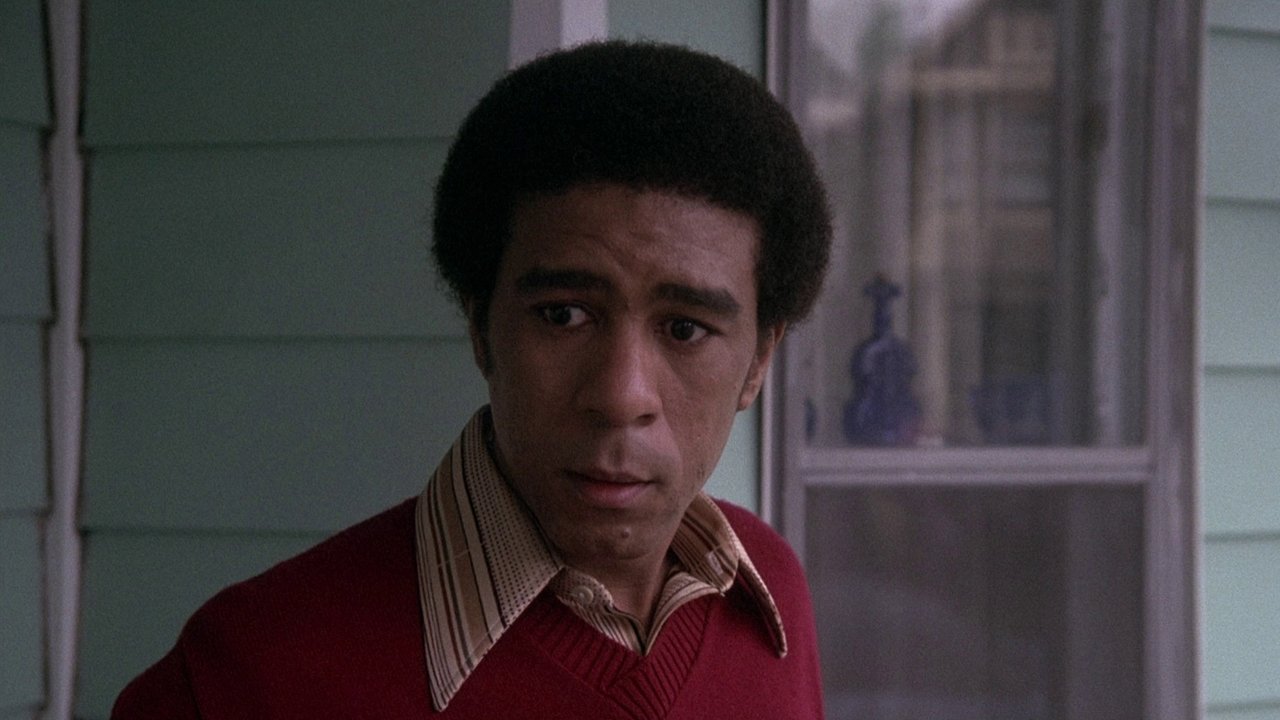
What truly elevates Blue Collar beyond a standard social issues drama are the absolutely electrifying performances from its central trio. For many of us who grew up renting Pryor's stand-up specials or seeing him in comedies like Stir Crazy (1980), his turn as Zeke is a revelation. He strips away the comic persona to reveal a man simmering with rage, intelligence, and a gnawing vulnerability. It’s a performance crackling with nervous energy, showcasing a dramatic depth many hadn't suspected. There are moments where Zeke's desperation feels terrifyingly real.
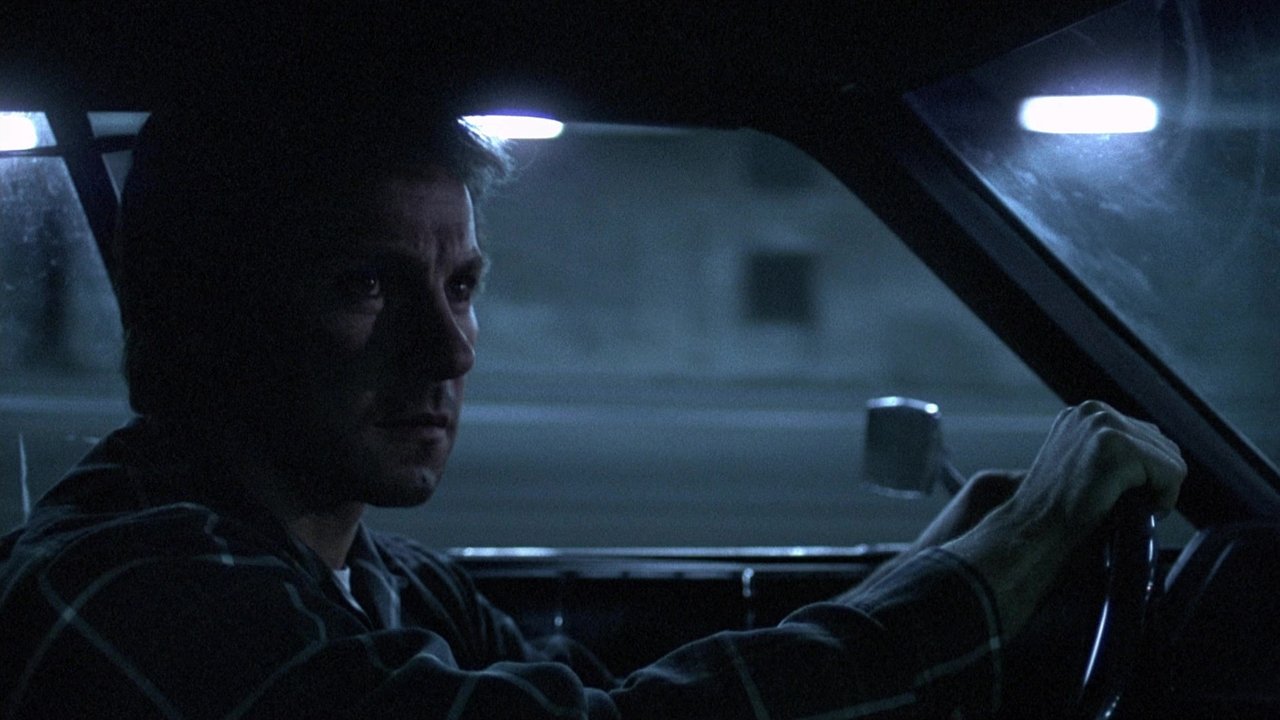
Harvey Keitel, already a formidable presence thanks to films like Mean Streets (1973), embodies the everyman worn down by circumstance. Jerry isn't inherently corrupt, but the weight of his responsibilities pushes him towards compromises he might otherwise avoid. Keitel makes his internal conflict palpable. And Yaphet Kotto, towering and thoughtful as Smokey, provides the film's moral compass, albeit a pragmatic one forged in the fires of experience. His quiet intensity anchors the trio, even as their ill-conceived plan begins to unravel.
A Heist Gone Wrong, A System Revealed
Frustrated by their stagnant wages and suspecting their own union leadership (personified by a perfectly slimy Lane Smith) is skimming from the members, the three hatch a plan: rob the union safe. It feels less like a daring caper and more like an act of sheer desperation, a last resort fuelled by beer and bravado. What they find isn't stacks of cash, but incriminating evidence of the union's illegal loan operations and ties to organized crime. This discovery shifts the film's gears dramatically, transforming it from a story about working-class struggle into a tense, paranoid thriller.
The initial camaraderie quickly fractures under the weight of this dangerous knowledge. Loyalty gives way to self-preservation, and the system they sought to cheat proves far more insidious and ruthless than they ever imagined. Schrader masterfully orchestrates this descent, highlighting how easily the powerful can turn the powerless against each other, exploiting divisions of race and class to maintain control. Does this dynamic feel disturbingly familiar, even decades later?
Behind the Grime: A Troubled Production
The intensity we see on screen was reportedly mirrored by tensions behind the camera. Stories abound of friction between Schrader and his lead actors, particularly Pryor and Keitel. Accounts differ, but some suggest genuine animosity flared, fuelled by creative differences, Method acting clashes, and perhaps the sheer pressure of the subject matter. Pryor, grappling with personal demons at the time, allegedly brought an unpredictable energy that sometimes boiled over. Keitel, deeply immersed in his role, apparently stayed in character, adding another layer of intensity. Schrader, a first-time director dealing with strong personalities and a challenging shoot (including filming within a functioning, noisy factory on a tight $1.9 million budget), had his hands full. Yet, somehow, this volatile mix didn't derail the film; arguably, it infused the performances and the overall atmosphere with an extra jolt of raw, unvarnished truth. You feel the strain, the frayed nerves – both the characters' and, perhaps, the actors'.
The Lingering Stain
Blue Collar isn't an easy watch. It doesn't offer simple solutions or comforting resolutions. Its portrayal of union corruption was controversial at the time, and its ending is famously bleak, suggesting that the individual is ultimately crushed by forces far larger and more entrenched than themselves. It asks uncomfortable questions about solidarity, betrayal, and the true cost of trying to beat a rigged system. Can friendship survive when survival itself is on the line? The film offers a sobering, cynical answer.
It remains a potent piece of American cinema, a vital snapshot of late-70s disillusionment that feels startlingly relevant today. It showcases Paul Schrader's early mastery of tone and theme, and features career-defining dramatic work from Richard Pryor, alongside powerhouse performances from Harvey Keitel and Yaphet Kotto. It's the kind of film that might have gathered dust on the lower shelves of the video store, easily overlooked, but finding it felt like uncovering something real, something important.
Rating: 9/10
Justification: Blue Collar earns this high score for its unflinching realism, powerhouse performances (especially Pryor's astonishing dramatic turn), Schrader's confident direction, and its biting social commentary that remains relevant. The palpable tension, authentic setting, and bleak-but-honest exploration of systemic corruption make it a standout. While its grimness might deter some, its artistic integrity and raw power are undeniable.
Final Thought: This film stays with you long after the credits roll, leaving a residue of righteous anger and a haunting question: how much has really changed for the folks on the line?