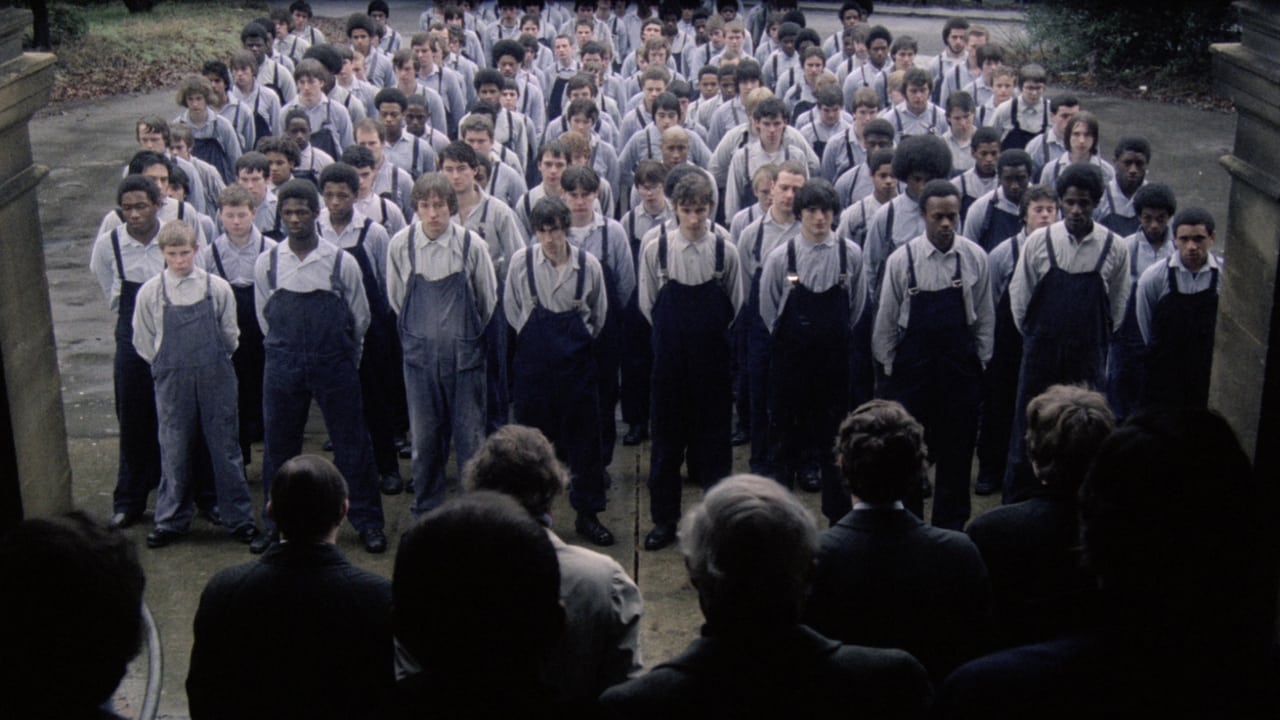
It lands like a blunt instrument. There’s no preamble, no easing you in – just the stark, grey reality of arrival at a British borstal, a 'correctional facility' for young offenders. Alan Clarke’s Scum doesn’t flinch, and it forces you not to either. Watching it again, decades after first encountering its brutal honesty likely on a worn VHS tape, the film’s power remains undiluted, its indictment of systemic failure chillingly relevant. This wasn’t escapism; this felt like smuggled truth.
### A Play Too Real for TV
The story behind Scum is almost as compelling as the film itself. Originally commissioned as a BBC "Play for Today" in 1977, writer Roy Minton and director Alan Clarke delivered a piece so visceral, so unflinching in its depiction of violence, rape, suicide, and racism within the borstal system, that it was banned before broadcast. The official reasoning cited concerns over its graphic nature, but the underlying fear was undoubtedly its potent critique of authority and the dehumanising effects of incarceration. Undeterred, Clarke and Minton took their vision to the big screen two years later, resulting in this cinematic version – arguably even bleaker and more forceful than its televised predecessor. Knowing this backstory adds a layer of defiance to the viewing; this is a story someone tried to silence.
### Where Predators Are Made
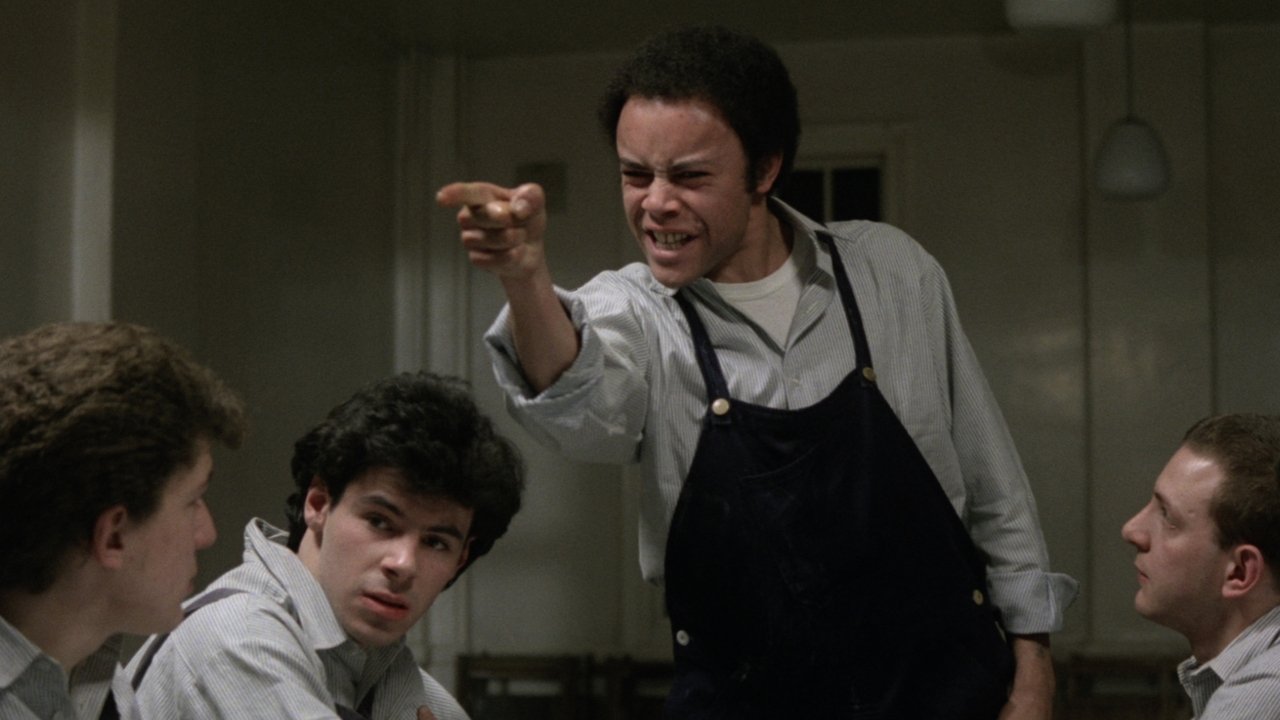
The film wastes no time establishing the brutal hierarchy of the institution. We follow several new arrivals, most notably Carlin (Ray Winstone), Archer (Mick Ford), and Davis (Julian Firth), as they navigate a world governed by fear, enforced by sadistic officers and ruthless inmate 'Daddies'. The atmosphere is thick with menace, amplified by Clarke's signature style: long takes, often utilising the Steadicam (relatively new then) to follow characters relentlessly down oppressive corridors, minimal dialogue, and a near-total absence of non-diegetic music. The soundtrack is the echoing clang of steel doors, the barked orders, the scuffle of feet, the stifled sobs. It’s immersive in the most uncomfortable way possible. The choice to film within the walls of a real former institution, the Carlton Approved School in Bedfordshire, lends an inescapable authenticity to the grim surroundings.
### The Daddy, The Thinker, The Victim
The performances are uniformly staggering, feeling less like acting and more like raw documentary. A very young Ray Winstone, reprising his role from the banned play, is a magnetic force as Carlin. He arrives relatively unassuming but quickly learns the brutal rules: become the predator or remain the prey. Winstone radiates coiled tension, his transformation into the institution's new 'Daddy' both terrifying and tragically logical within this warped ecosystem. His iconic line, "I'm the Daddy now!" isn't just a boast; it's a declaration of survival in the only language the system understands.
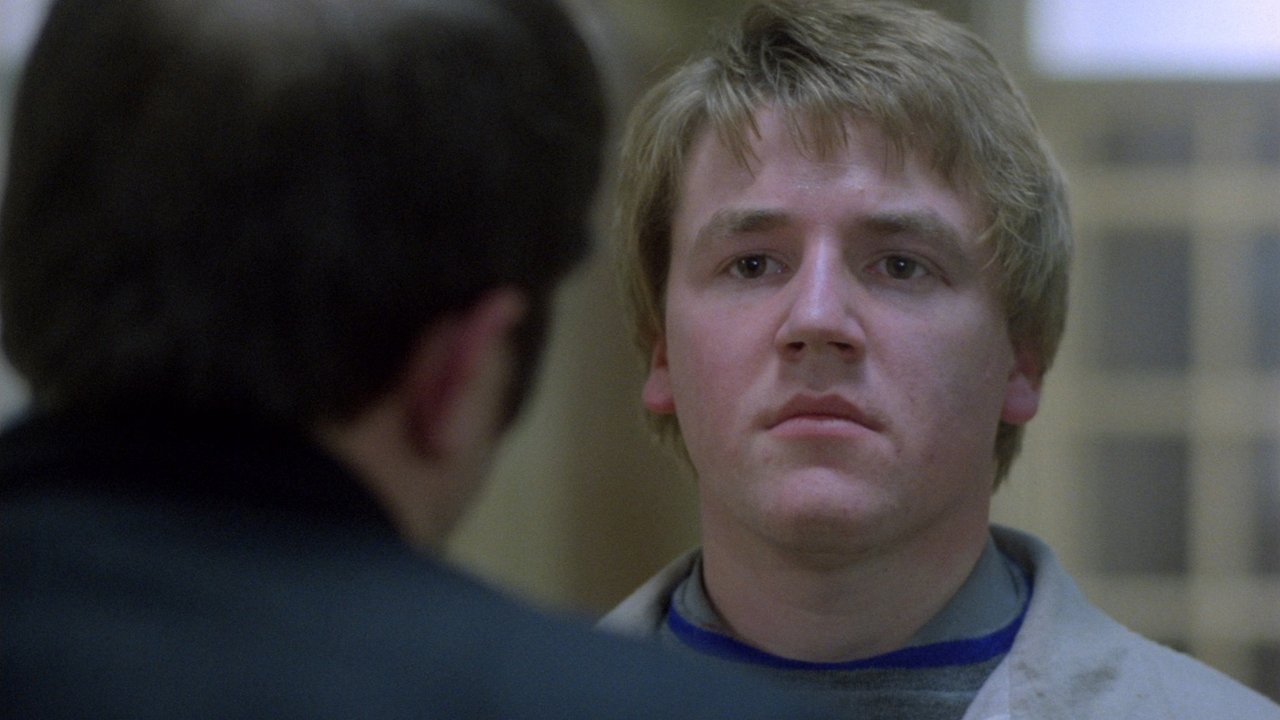
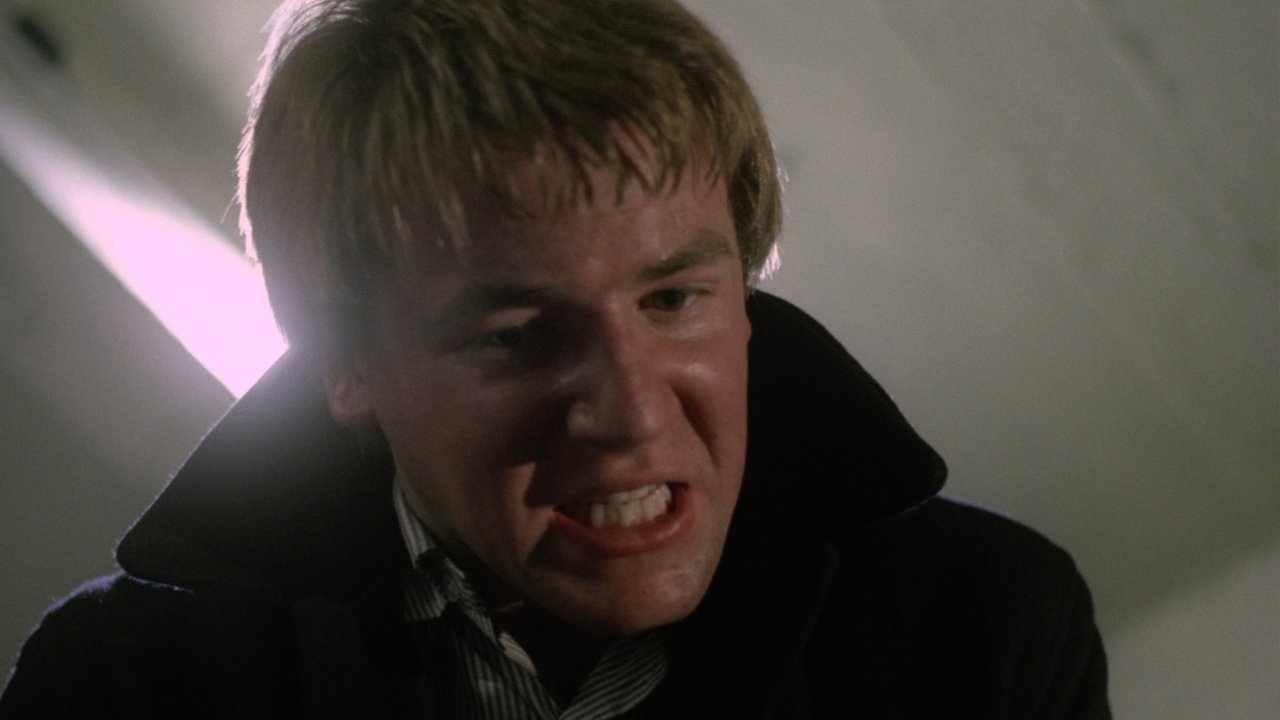
Contrasting Carlin's physical dominance is Mick Ford's Archer, the intellectual resistor. Archer challenges the system with wit, questions, and passive resistance, infuriating the staff who prefer brute force to inconvenient thought. His atheism and vegetarianism become small but significant acts of defiance in a place designed to crush individuality. Ford portrays Archer's quiet determination and vulnerability beautifully – is his way any more likely to succeed, or just a different path to being broken?
And then there's Davis, played with heartbreaking fragility by Julian Firth. Gentle and clearly unequipped for the horrors of the borstal, his fate serves as the film's most devastating indictment of the system's cruelty and neglect. His storyline is painful to watch, a stark reminder of the real human cost of such environments.
### More Than Just Shock Value
Yes, Scum is violent. The infamous greenhouse rape scene and the later suicide remain deeply disturbing, precisely because Clarke refuses to aestheticise them. The violence isn't thrilling; it's ugly, clumsy, and desperate. It serves a purpose: to expose the cyclical nature of abuse and the way institutions can breed, rather than correct, brutality. What lingers isn't just the shock, but the profound sense of waste – the squandered potential, the crushed humanity.
Interestingly, despite its grim subject matter, the film reportedly only cost around £200,000 to make (perhaps £1 million in today's money), a testament to Clarke's efficient, no-frills filmmaking. It found its audience, becoming a controversial cult classic, particularly prominent during the VHS boom where its forbidden nature likely added to its allure. Finding it on the rental shelves felt like an act of minor rebellion in itself. Remember those stark video covers? They promised something raw, and Scum delivered.
### Lasting Stain
Scum offers no easy answers, no catharsis, no hope beyond the flicker of defiance in Archer's eyes or the grim determination in Carlin's. It simply presents a brutal reality and forces us to confront it. It questions the very nature of 'correction' and asks who the real 'scum' are – the inmates, or the system that shapes them? Alan Clarke, who would later give us other uncompromising works like Made in Britain and The Firm, cemented his reputation here as a vital, challenging voice in British cinema.

Rating: 9/10
This rating reflects the film's undeniable power, its technical mastery in achieving a raw, documentary feel, the unforgettable performances, and its importance as a piece of social commentary. It loses a point perhaps only because its unrelenting bleakness makes it an incredibly difficult, though essential, watch.
Scum stays with you long after the credits roll, a cold knot in the stomach. It's a reminder that some films aren't meant to entertain, but to confront, provoke, and leave an indelible mark – a feat it achieves with devastating clarity. What does it say about us, that such institutions existed, and that the questions the film raises about power and dehumanisation still echo today?