The screen flickers, not with digital perfection, but with the grainy texture of monochrome despair. A gun. Cold, hard, metallic. It’s an image that burns itself onto your retinas long after the credits roll on Shinya Tsukamoto’s 1998 underground howl, Bullet Ballet. This isn't a film you casually watch; it's an assault, a plunge into an urban abyss where alienation festers and erupts into jagged bursts of violence. Forget slick Hollywood thrillers; this is the raw, bleeding edge of late 90s Japanese cinema, delivered with the force of a hammer blow.
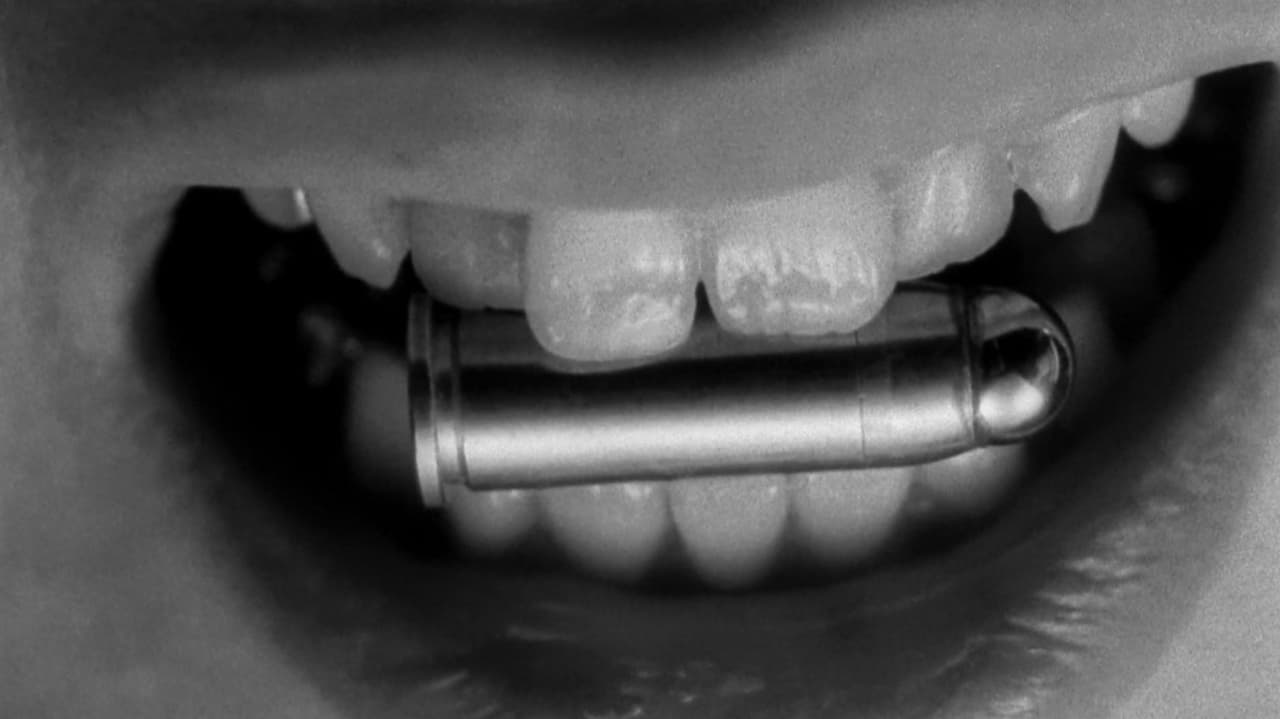
Monochrome Concrete Jungle
From the opening frames, Bullet Ballet establishes its suffocating atmosphere. Tsukamoto, pulling quadruple duty as writer, director, cinematographer, and star, crafts a Tokyo drained of colour but pulsing with menace. Shot in stark, high-contrast black and white, the city becomes a labyrinth of decaying concrete, oppressive shadows, and gleaming, dangerous metal. It recalls the industrial nightmare landscapes of his earlier, more infamous Tetsuo: The Iron Man (1989), but trades overt body horror for a chillingly internalised dread. The camera work is often frantic, handheld, mirroring the protagonist's unravelling psyche. This isn't the neon-drenched playground often depicted; it's a cold, indifferent machine grinding its inhabitants down.
Obsession's Grip
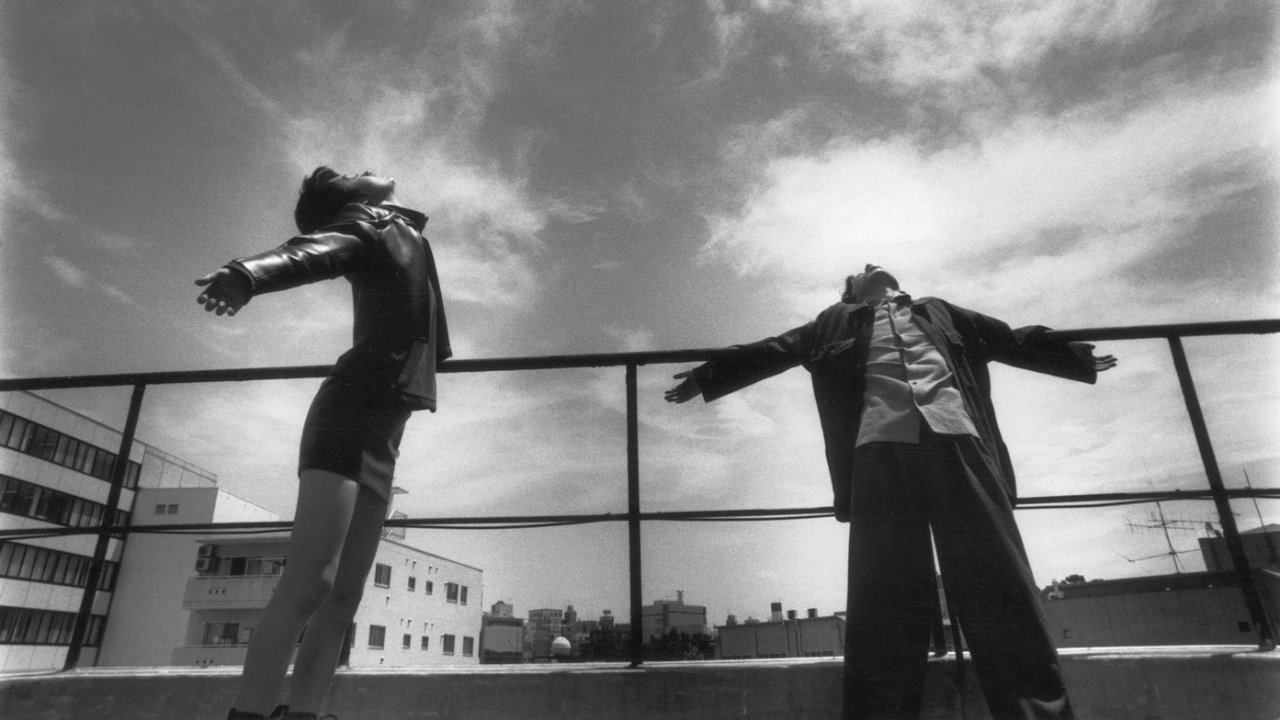
We follow Goda (Shinya Tsukamoto), an advertising executive whose life implodes when his girlfriend of ten years inexplicably commits suicide with a handgun. This single, brutal act sends him spiralling into a consuming obsession: he must possess a gun, the same kind that ended her life. Tsukamoto’s performance is a masterclass in controlled implosion. His face, often filmed in claustrophobic close-up, becomes a canvas of grief, confusion, and burgeoning, terrifying resolve. There's little dialogue; the story unfolds through images, through Goda's increasingly desperate actions as he navigates the dangerous underbelly of the city in search of illicit firearms. It’s a journey into a personal hell, fueled by a need to understand an irrational act through an equally irrational quest.
Independent Spirit, Raw Power
The raw, unpolished feel of Bullet Ballet isn't just an aesthetic choice; it's born from necessity. Tsukamoto famously operates outside the traditional studio system, often funding his films himself and maintaining complete creative control. This fierce independence allows for uncompromising visions like Bullet Ballet, shot guerrilla-style on the streets of Tokyo. Reportedly, Tsukamoto even built some of the camera rigs himself to achieve the specific, jarring movements he desired. This hands-on, low-budget approach permeates the film, giving it an immediacy and authenticity that glossier productions lack. It feels less like a movie about urban decay and more like a transmission from it. Finding a copy of this on VHS back in the day often felt like uncovering contraband, something visceral and slightly forbidden compared to the mainstream rentals lining the shelves.

Collision with Nihilism
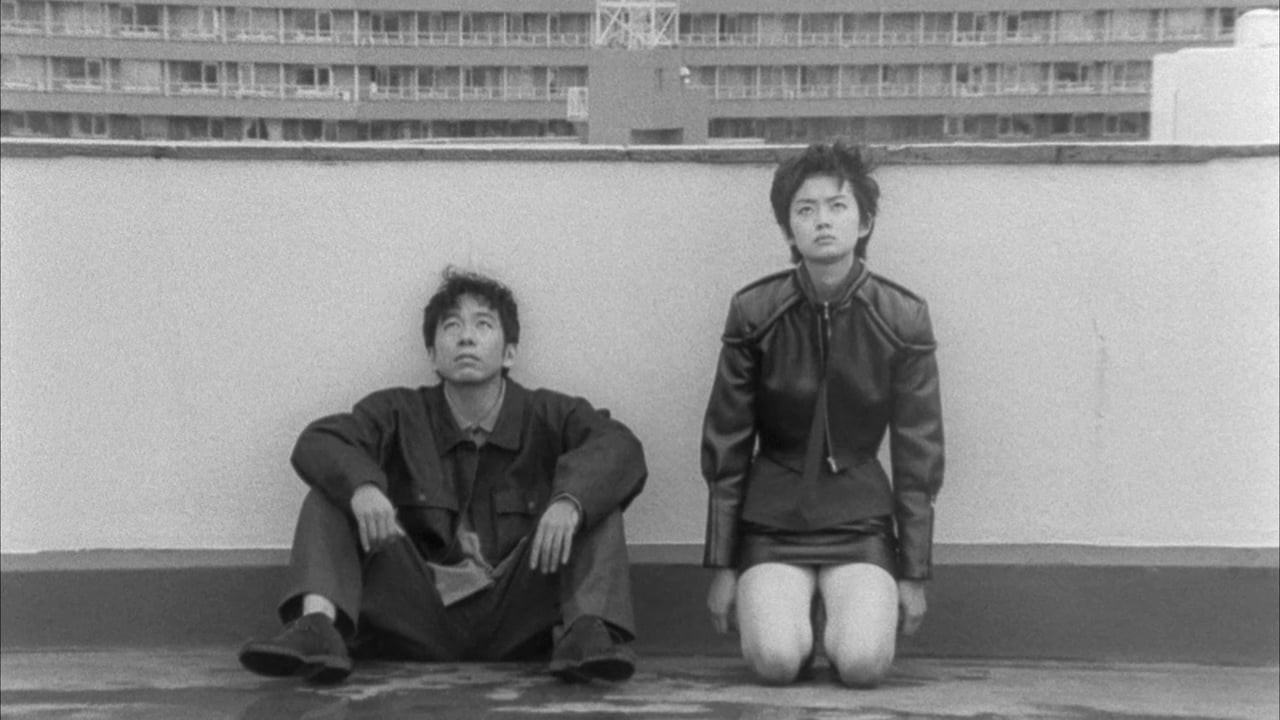
Goda's obsessive quest inevitably brings him into collision with a vicious youth gang, led by the charismatic and terrifying Idei (played by real-life rock drummer Tatsuya Nakamura of Blankey Jet City fame). Caught in the crossfire is Chisato (Hisako Shirata), a disillusioned young woman seemingly drawn to the gang's destructive energy. The violence, when it erupts, is shocking not for its stylization, but for its abruptness and ugliness. It mirrors the film's industrial, metallic score – a cacophony of clanging sounds and unsettling noise that replaces traditional melody with pure atmospheric dread. There's no glamour here, only the desperate scrabble for power and release in a world that seems devoid of meaning. Did that sudden shift into violence genuinely make you jump back then, anticipating the inevitable clash?
A Relentless Vision
Bullet Ballet isn't concerned with conventional narrative arcs or character redemption. It's an exploration of obsession, the seductive nature of violence, and the profound alienation of modern urban life. The black and white photography isn't just stylistic; it emphasizes textures – the coldness of metal, the roughness of concrete, the vulnerability of flesh. The practical, visceral nature of the film extends to its portrayal of conflict; it feels frighteningly real, unmediated by flashy effects. It's a film that burrows under your skin, its stark imagery and bleak outlook lingering long after the tape hiss fades. Some anecdotes suggest that the intensity of the shoot, particularly the violent gang sequences, left even the seasoned crew feeling unsettled, a testament to the realism Tsukamoto was striving for.
Lasting Impact
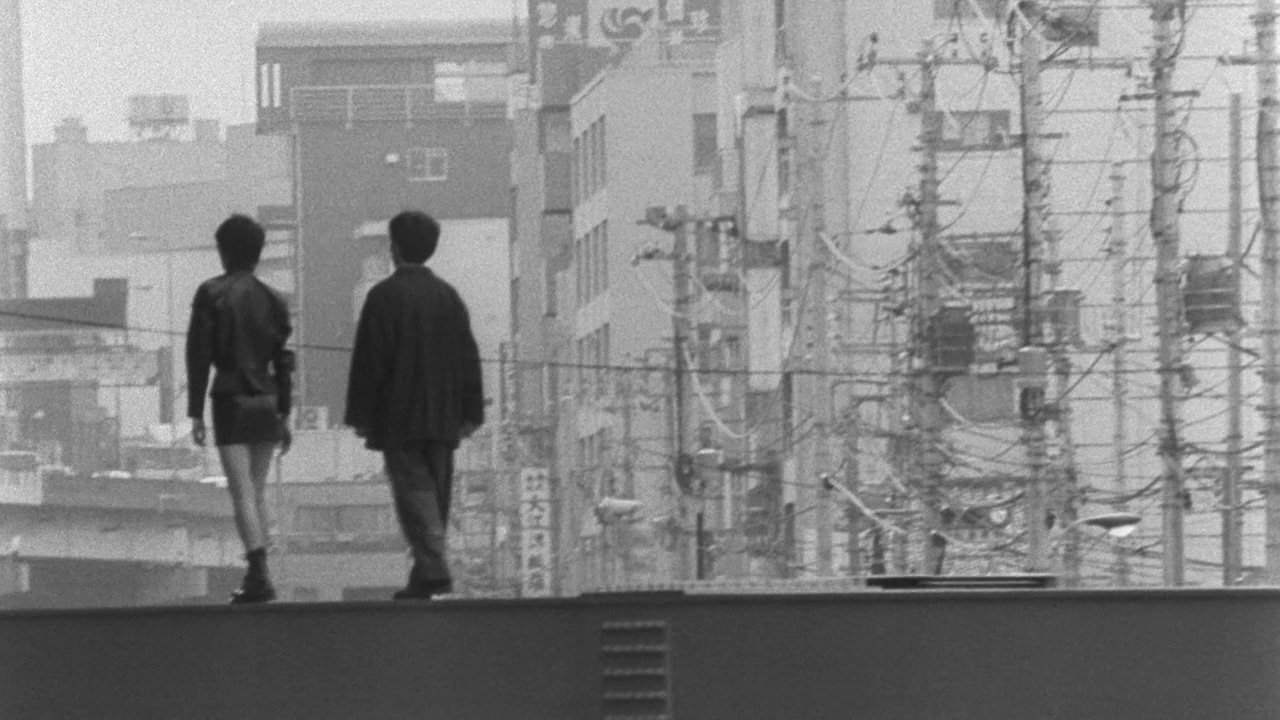
Bullet Ballet remains a potent and challenging piece of filmmaking. It’s a demanding watch, abrasive and unrelenting, but undeniably powerful. It stands as a key work in Shinya Tsukamoto's singular filmography, showcasing his unique talent for conveying psychological turmoil through visceral visuals and sound design. While perhaps overshadowed by Tetsuo, it offers a more grounded, though no less disturbing, exploration of humanity pushed to the brink.
Rating: 8/10
This score reflects the film's artistic integrity, its powerful atmosphere, and Tsukamoto's uncompromising vision. It's a masterclass in low-budget, high-impact filmmaking that achieves a profound sense of unease. The deduction comes from its challenging nature; it's not an accessible film and its relentless bleakness can be off-putting. However, for fans of extreme Japanese cinema, industrial aesthetics, and explorations of urban dread, Bullet Ballet is essential, unforgettable viewing. It’s a stark reminder of the potent, unsettling gems that could be found tucked away in the darker corners of the video store, promising an experience far removed from the multiplex norms. Doesn't its raw energy still feel potent today?