Alright, fellow tapeheads, let’s rewind to 1998. Picture this: browsing the aisles of your local video store, maybe Blockbuster, maybe some independent haunt with creaky floors. You stumble across a box with a young Joaquin Phoenix looking panicked and Vince Vaughn giving a knowing smirk. The title? Clay Pigeons. Maybe you vaguely remembered hearing about it, maybe not. But something about that cover art, that hint of small-town weirdness, made you grab it. And settling in later that night, probably with questionable snacks and the TV’s aspect ratio slightly off, you discovered one of the quirkier, darker little gems the late 90s indie scene coughed up.
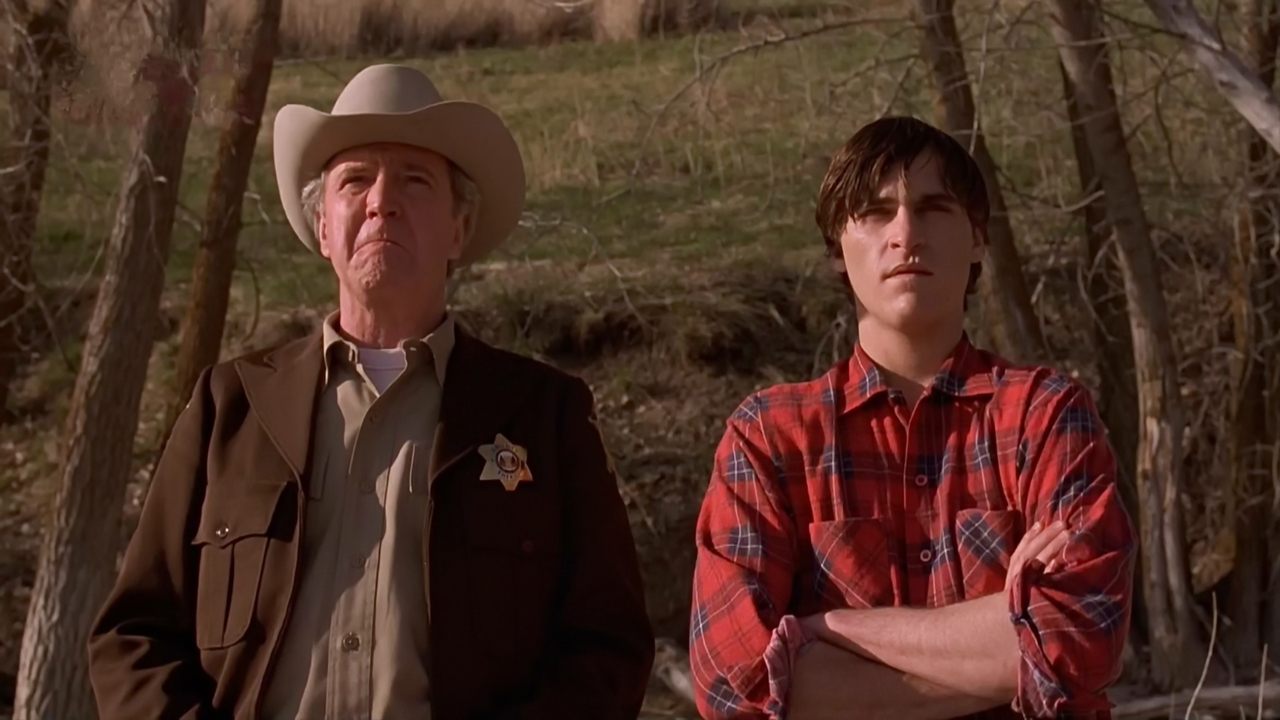
Clay Pigeons isn't your standard thriller, nor is it a straightforward comedy. It lives in that fascinating, sometimes uncomfortable space where horrific events are tinged with absurdity, and laughter catches in your throat. It’s a distinctly late-90s concoction, feeling like a cousin to the Coen Brothers' work but with its own peculiar flavor.
### Welcome to Mercer, Montana. Population: Decreasing.
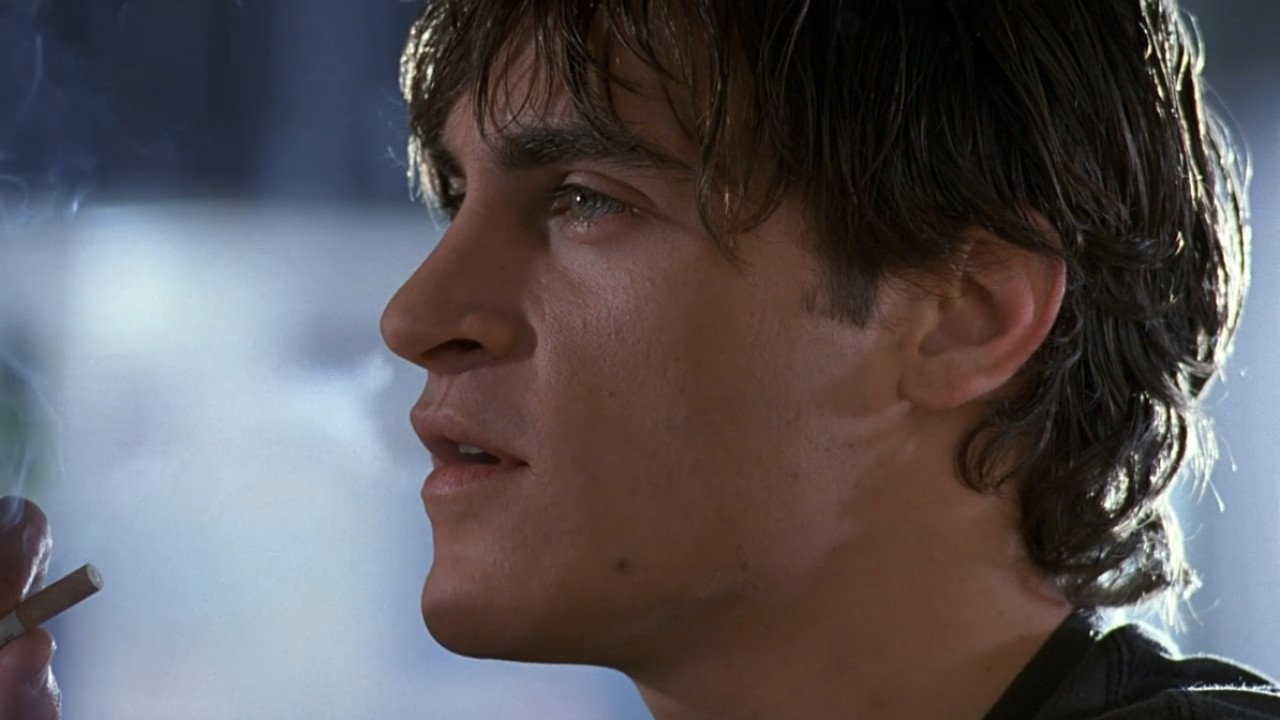
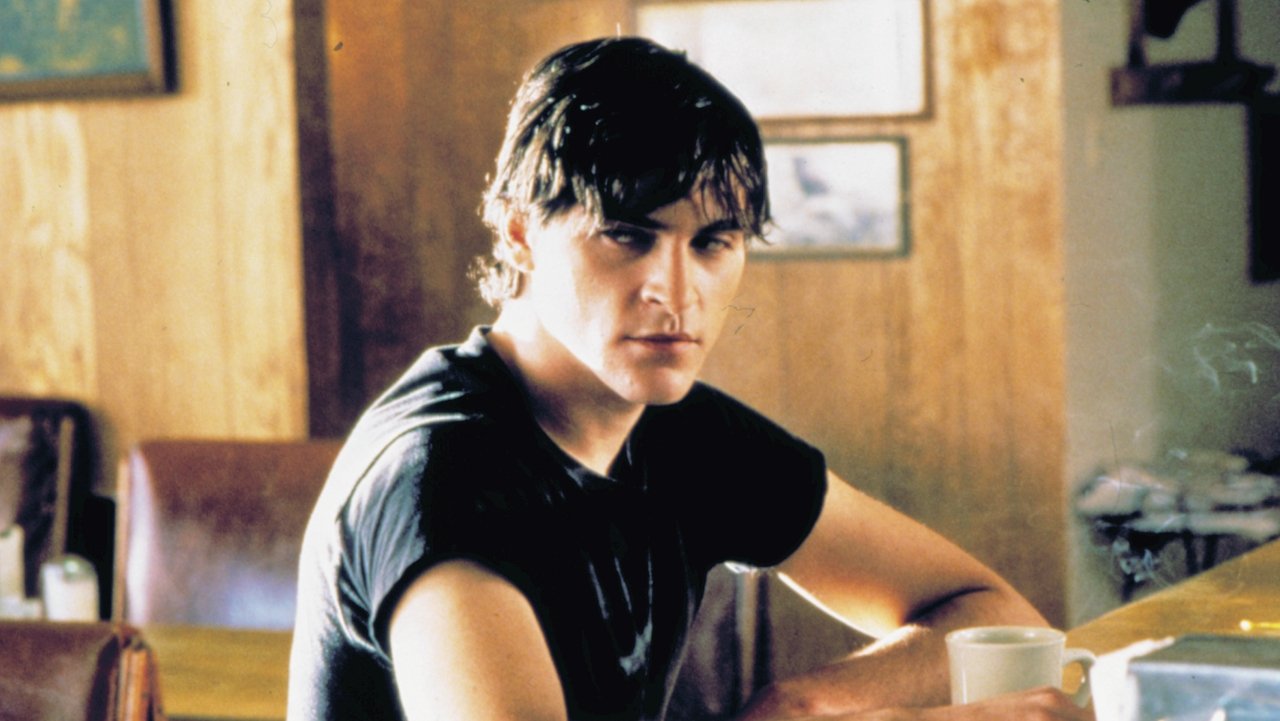
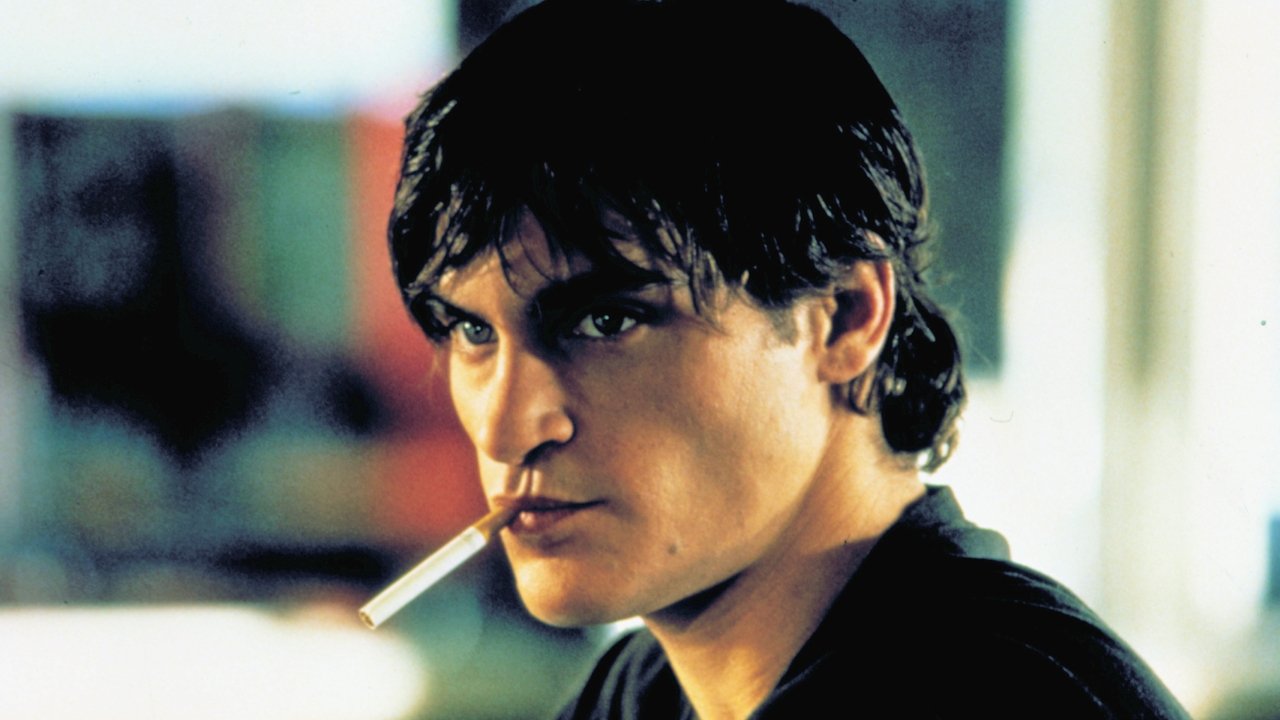
Our story centers on Clay Bidwell (Joaquin Phoenix), a young man in small-town Montana whose biggest problem initially seems to be juggling his affair with his best friend Earl's wife, Amanda (Georgina Cates). When Earl confronts Clay and then stages his own suicide to look like murder (implicating Clay, naturally), things start spiraling. Phoenix, even this early in his career before the megawatt stardom of Gladiator (2000), perfectly captures Clay’s mounting panic – a basically decent guy drowning in circumstances far beyond his control. You feel his desperation growing with every increasingly incriminating situation.
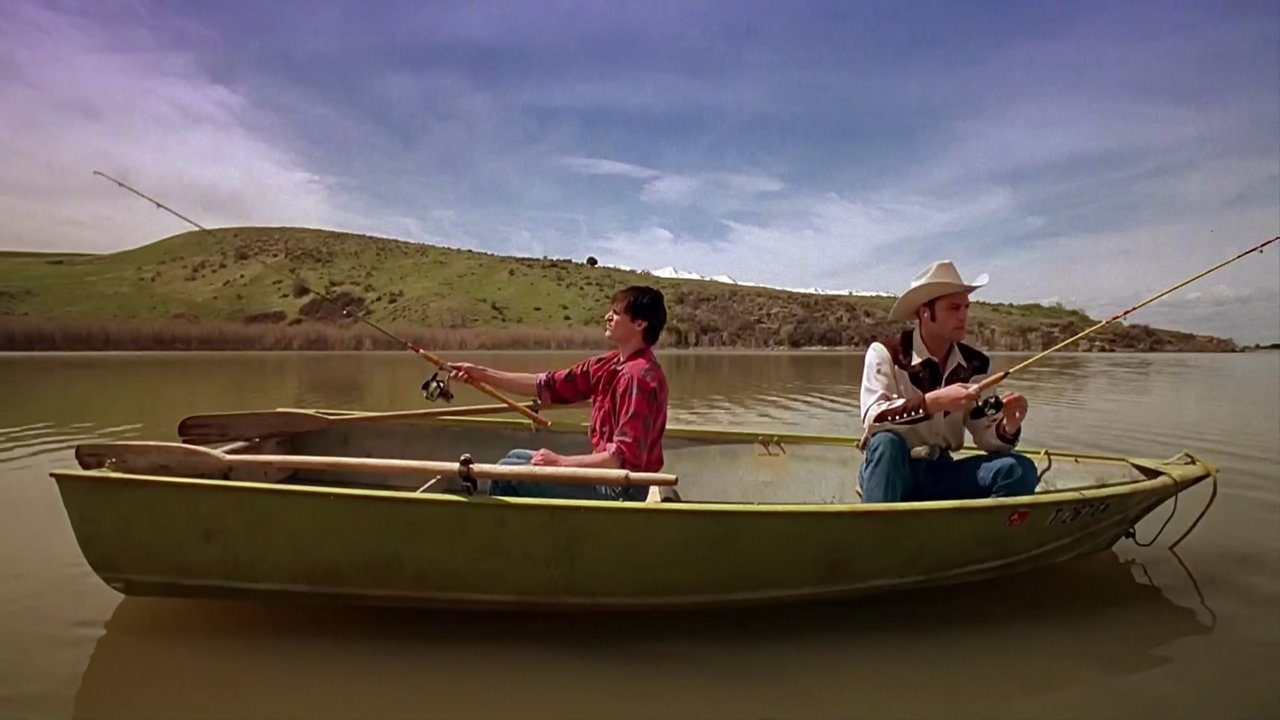
Enter Lester Long, played with unsettling charisma by Vince Vaughn. Rolling into town in his pickup, sporting a cowboy hat and an easy grin, Lester strikes up a friendship with the troubled Clay. Vaughn, fresh off the fast-talking cool of Swingers (1996), takes a hard left turn here. It’s fascinating trivia that Vaughn was initially considered for the role of Clay but actively pursued playing Lester, sensing the character's potential. He absolutely nails the friendly facade masking a gleeful psychopath. Lester isn't just a killer; he enjoys the game, the manipulation, and Vaughn makes him terrifyingly magnetic. Their scenes together crackle with a weird energy – Clay’s sweaty fear bouncing off Lester’s predatory bonhomie.
### The FBI Sends in… Her?
Investigating the mounting body count is FBI Agent Dale Shelby, brought to life with signature sardonic flair by Janeane Garofalo. In 1998, Garofalo was the queen of Gen-X cynicism, and Shelby feels like a perfect vehicle for her persona. She breezes into town, unimpressed by the local sheriff (a wonderfully weary Scott Wilson), cutting through the small-town niceties with dry observations. She's smart, she's dismissive, and she provides a crucial anchor of detached amusement amidst the escalating chaos. Her deadpan reactions are often the source of the film's blackest laughs. Remember how refreshing her kind of sharp, non-nonsense female character felt back then?
### That Dusty, Pre-Digital Indie Feel
This was David Dobkin’s directorial debut, years before he’d become known for big comedies like Wedding Crashers (2005). You can see hints of his comedic timing here, but it’s filtered through a much darker, grittier lens. Produced by Ridley and Tony Scott's Scott Free Productions (an interesting choice for them!), the film has that tangible, slightly low-budget texture common to indie films of the era. Filmed on location in Montana, the dusty landscapes and sleepy town atmosphere aren't just background; they contribute to the feeling of isolation and the sense that weird things can fester unnoticed out here.
There aren't huge explosions or elaborate chases here. The tension is built through performance, dialogue, and Matthew L. Healy's cleverly constructed screenplay, which keeps piling misfortune onto Clay. The film doesn't shy away from the grimness, but it always maintains that off-kilter comedic edge. It’s the kind of movie that likely baffled some critics upon its Sundance premiere and modest theatrical run (pulling in just over $3 million domestically), but found its true home on VHS and DVD shelves, passed around by fans who appreciated its unique tone. You watched it feeling slightly complicit in its dark humor.
The film relies on the believability of its characters and the claustrophobia of Clay’s situation, not digital trickery. The violence, when it happens, feels sudden and real in that pre-CGI way – impactful because it feels grounded, messy, and consequential within the story's world.
### The Verdict on This Quirky Target
Clay Pigeons remains a fascinating snapshot of late 90s indie filmmaking. It’s a tight, darkly funny thriller powered by excellent performances, particularly from Phoenix and a chillingly good Vaughn exploring a different side of his screen persona. Garofalo provides the perfect cynical counterpoint. While the plot occasionally strains credulity in its pile-up of coincidences, the sharp dialogue and pervasive sense of unease keep you hooked. It deftly walks a tonal tightrope, managing to be both genuinely suspenseful and wickedly funny.
Rating: 7.5/10
Why this score? The performances are stellar, the tone is unique and memorable, and it perfectly captures a specific late-90s indie sensibility. It loses a couple of points for moments where the plot feels a tad too convenient in its contrivances, but its strengths far outweigh these minor wobbles. It's smart, edgy, and holds up surprisingly well.
Final Shot: Clay Pigeons is like that weird, slightly dangerous friend you had back in the day – maybe not someone you’d introduce to your parents, but damn, were they interesting. A darkly comic bullseye from the days when indie thrillers on tape could really surprise you. Still definitely worth tracking down for a watch.