Imagine stumbling upon a starkly titled VHS tape in the ‘World Cinema’ section of your local video haven back in the late 90s. The original Swedish title, Fucking Åmål, might have raised an eyebrow or elicited a chuckle, hinting at punk rock rebellion rather than the tender, fiercely honest story contained within. Retitled Show Me Love for international audiences – a change reportedly suggested by the distributors, perhaps nervous about the original's provocative edge – this 1998 film from director Lukas Moodysson arrived like a breath of fresh, bracingly cold Scandinavian air. It bypassed polished Hollywood portrayals of adolescence for something far more raw, awkward, and ultimately, profoundly moving.
Small Town, Big Feelings
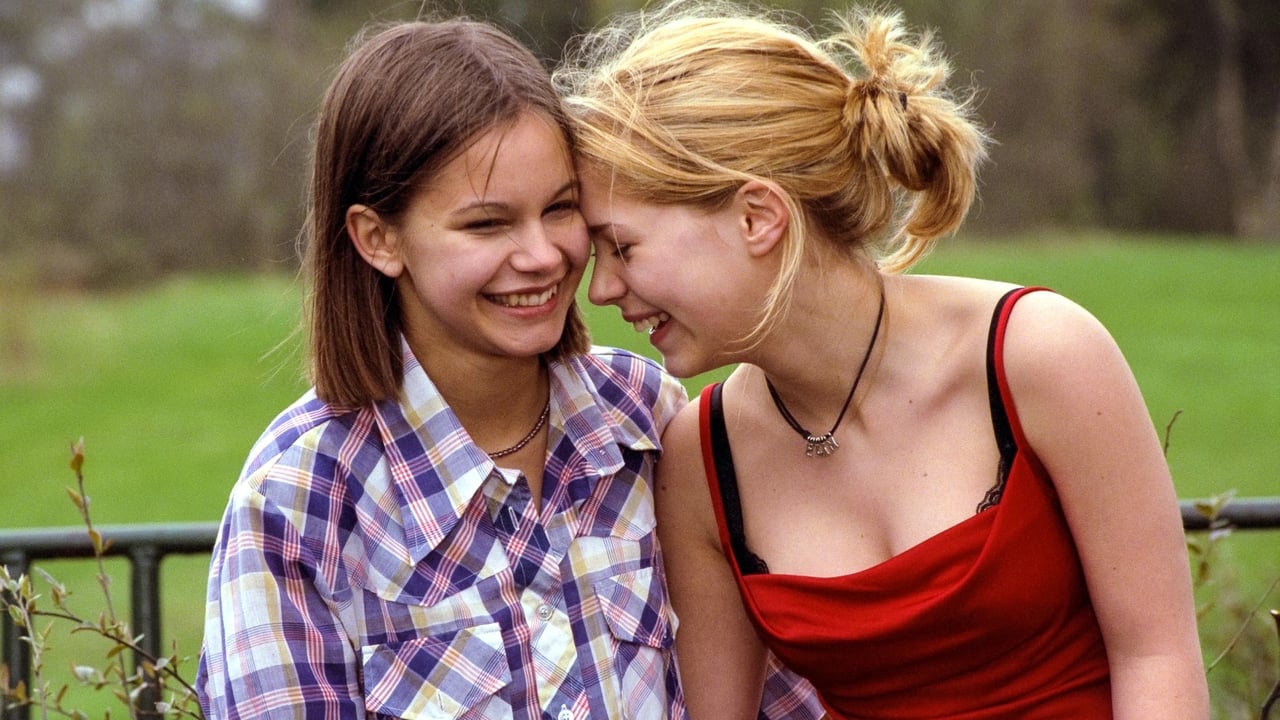
The film transports us to the suffocatingly mundane town of Åmål, Sweden. Life here, especially for teenagers, feels like waiting for something – anything – to happen. We meet Elin (Alexandra Dahlström), popular, restless, and desperate to escape the perceived boredom. She flits between social circles, craving excitement and validation, embodying that universal teenage yearning for a life larger than the one you have. Then there’s Agnes (Rebecka Liljeberg), the quiet newcomer, isolated, sensitive, and nursing a secret, intensely felt crush on Elin. Her loneliness is palpable, a quiet ache against the backdrop of indifferent classmates and seemingly endless grey days.
Moodysson, in his feature debut (he'd later give us the equally intense Lilya 4-ever (2002)), crafts an atmosphere thick with authentic teenage angst. Shot on a modest budget (reportedly around SEK 10 million, roughly $1.2 million USD then), the film embraces a near-documentary feel. Handheld camerawork often puts us right in the middle of awkward parties or hushed bedroom conversations, capturing the fumbling interactions and hesitant glances that define burgeoning connections. There's no gloss here, no manufactured drama; the power lies in its unvarnished depiction of adolescent reality. The town of Åmål itself, initially resistant to its depiction in the film (especially the original title!), eventually came to embrace its unexpected fame, even adopting the tourism slogan "Fucking Åmål - A Film Town."
Truth in Performance
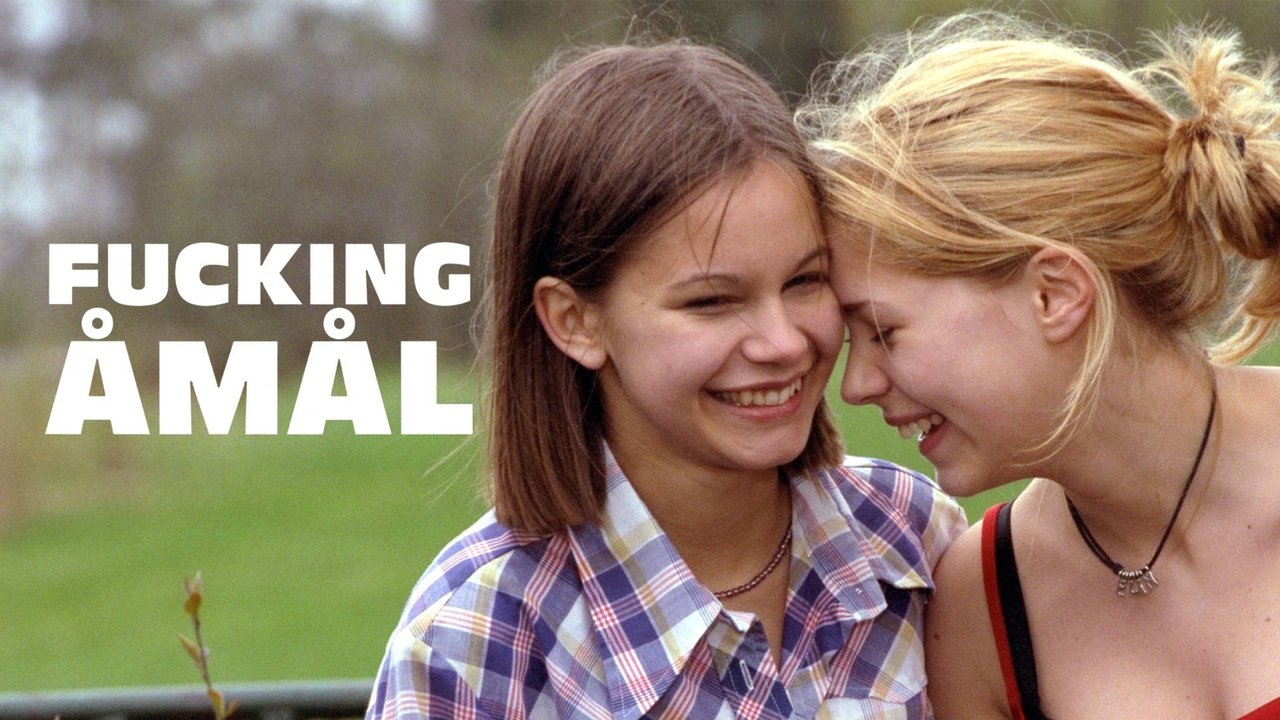
What truly elevates Show Me Love beyond a typical coming-of-age story are the astonishingly naturalistic performances from its young leads. Alexandra Dahlström as Elin perfectly captures the whirlwind of conflicting desires – the need to fit in versus the pull towards something genuine, the casual cruelty masking vulnerability. Rebecka Liljeberg delivers a heartbreakingly nuanced portrayal of Agnes; her quiet observations, her contained pain, and the eventual blossoming of hope feel utterly real. Their chemistry is electric, evolving from hesitant curiosity to a connection that feels both terrifying and liberating for both characters. The supporting cast, particularly Erica Carlson as Elin's sharp-tongued friend Jessica, adds layers of believable teenage dynamics – the shifting alliances, the casual judgments, the desperate need for social standing.
There's a scene involving a dare at Agnes’s sparsely attended birthday party that ignites the central relationship. It’s awkward, potentially cruel, yet Moodysson navigates it with such honesty that it becomes a catalyst not for cheap laughs, but for genuine emotional exploration. How often do pivotal moments in our own young lives hinge on such seemingly random, uncomfortable encounters?

Beyond Romance: Finding Yourself
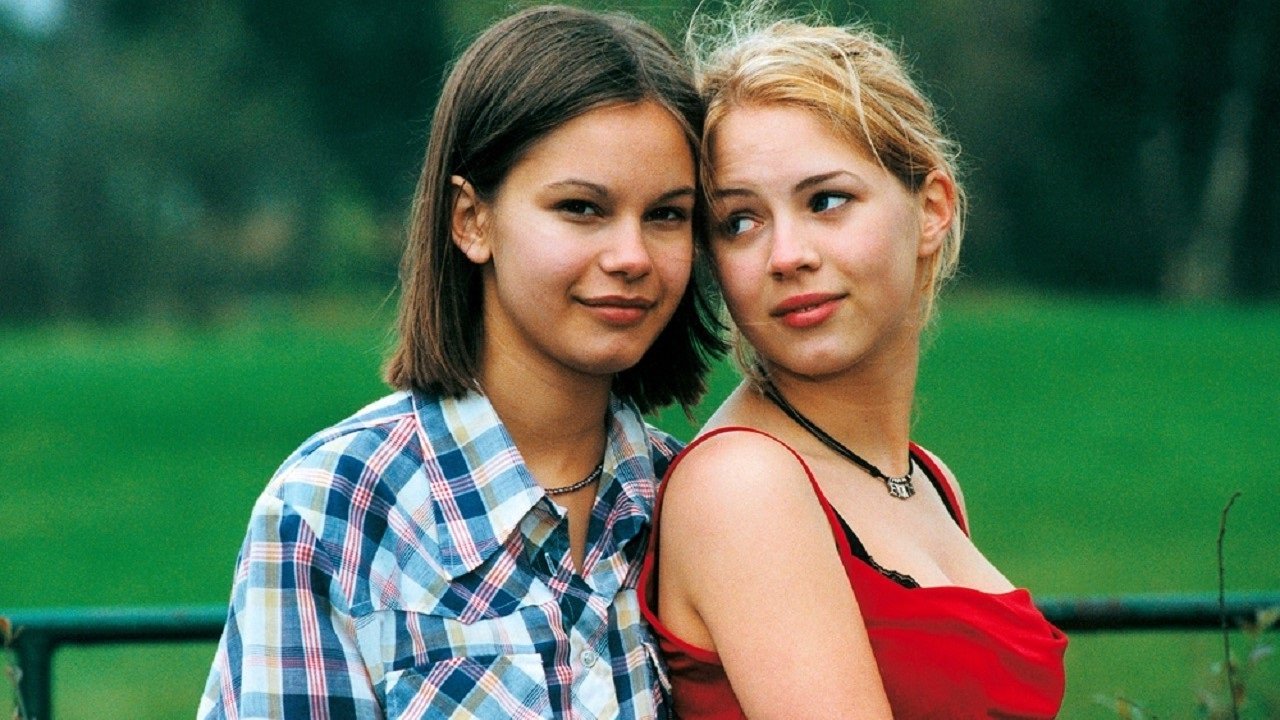
While Show Me Love is celebrated as a landmark LGBTQ+ film – and rightly so, for its sensitive and normalizing portrayal of same-sex attraction without melodrama or tragedy – its scope feels broader. It’s fundamentally about the courage it takes to be yourself, especially when doing so pushes against the grain of expectation. It’s about finding a kindred spirit in an environment that feels designed to homogenize everyone. The film doesn't shy away from the potential social fallout, the whispers and stares, but it champions the liberating power of acknowledging and embracing one's true feelings. Remember the relief of finding that one person who just got you in high school? The film taps directly into that universal experience.
The soundtrack, featuring Swedish indie bands like Broder Daniel, perfectly complements the mood – raw, melancholic, occasionally bursting with defiant energy. It's the sound of teenage bedrooms and whispered secrets, enhancing the film's authentic texture. It wasn’t just a critical darling either, winning the Teddy Award for Best Feature Film at the Berlin International Film Festival in 1999 and sweeping the Guldbagge Awards (Sweden's equivalent of the Oscars) that year.
VHS Heaven Rating: 9/10
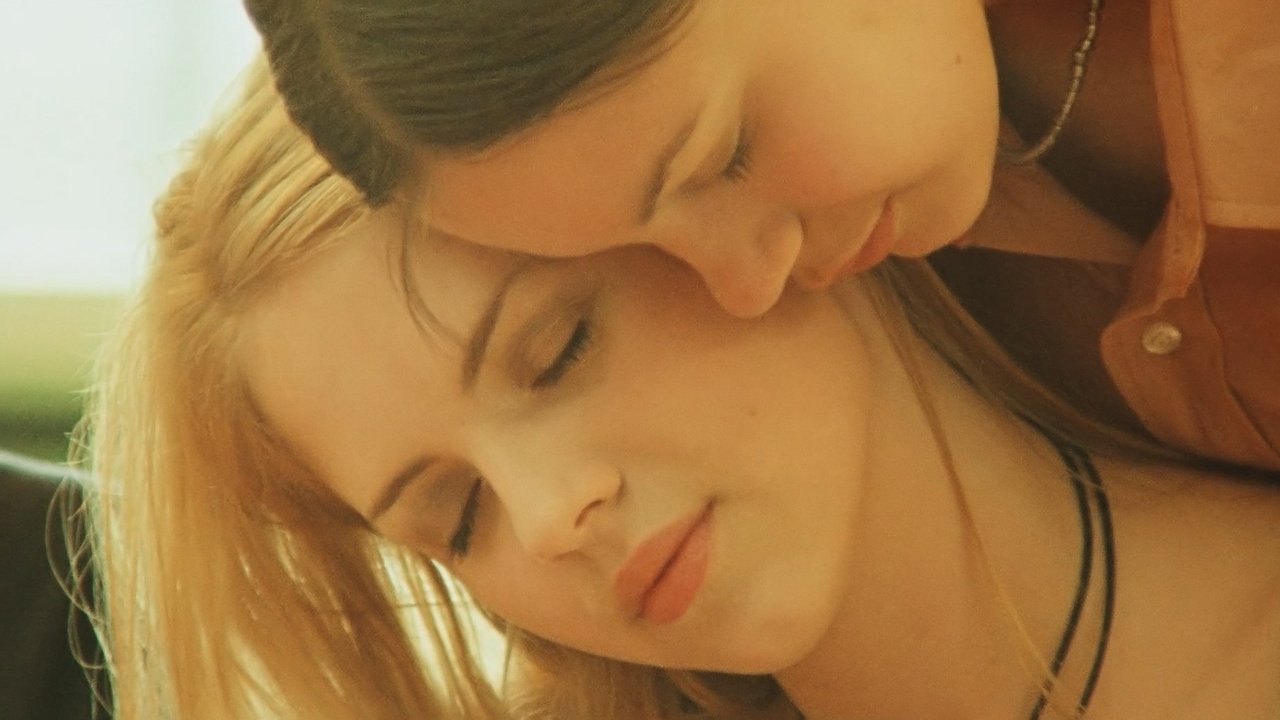
This rating reflects the film's enduring power, stemming from its unflinching honesty, remarkable performances, and Moodysson's confident, unadorned direction. It avoids clichés, presenting teenage life – with all its messy contradictions, cruelty, and unexpected tenderness – in a way that felt revolutionary then and still resonates deeply today. The slightly lower budget feel, far from being a detriment, enhances its authenticity, making it feel less like a movie about teenagers and more like a window into their lives. It's a vital piece of 90s independent cinema that reminds us of the profound impact simple, truthful storytelling can have.
Show Me Love remains a poignant reminder that sometimes the bravest act is simply daring to connect, to reach out, and maybe, just maybe, find someone who sees you for who you really are, even in a place called Åmål. What lingers most is not just the romance, but the sheer, defiant relief of finding your voice.