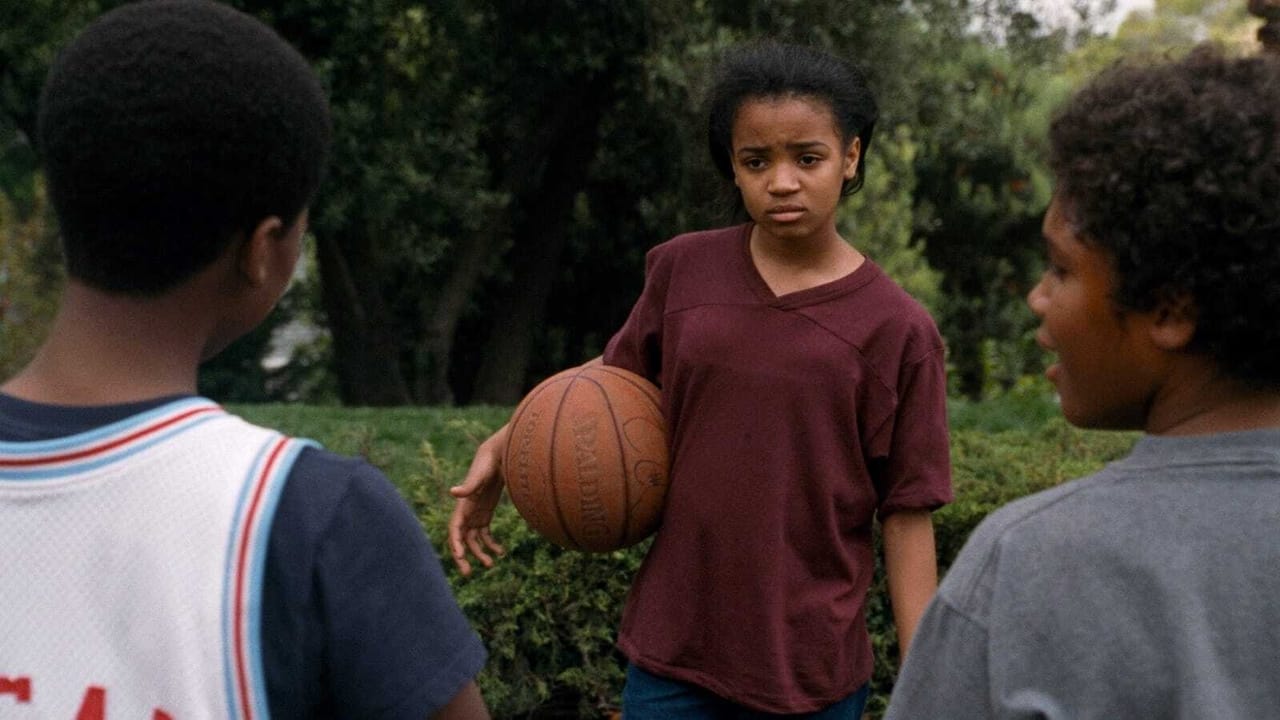
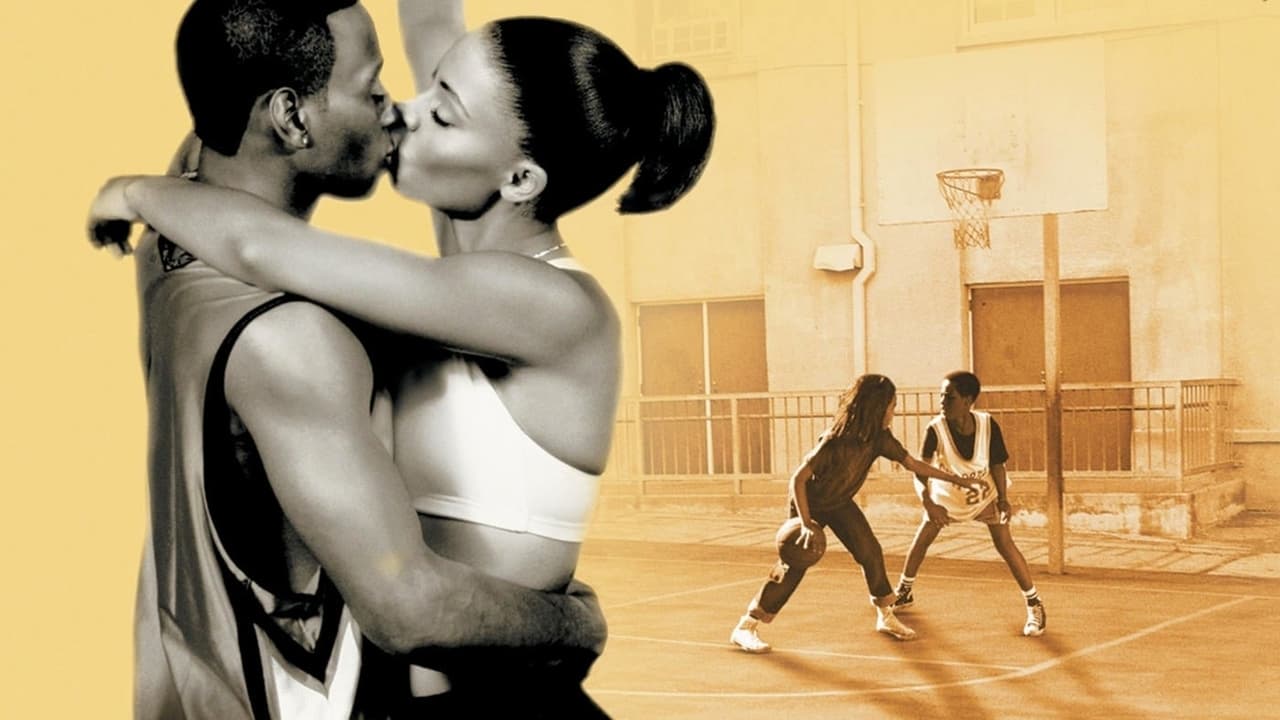
It starts with a scuffed basketball, doesn't it? A challenge thrown down on a sun-baked driveway between two eleven-year-olds. That first meeting between Monica Wright and Quincy McCall isn't just puppy love; it's the opening tip-off for a game that will span years, ambitions, heartbreaks, and ultimately, define their lives. Love & Basketball (2000) arrived right at the turn of the millennium, maybe technically slipping past our usual 80s/90s cutoff here at VHS Heaven, but its heart, its texture, and certainly its prominent place on rental shelves during the twilight of the VHS era, feels entirely at home. Watching it again, it’s clear this wasn't just another romantic drama; it was something far more resonant, structured like the very game its protagonists adore – four quarters marking distinct chapters in their intertwined journey.
More Than Just a Game
What immediately sets Love & Basketball apart is writer-director Gina Prince-Bythewood's deep understanding of both the sport and the complex dynamics of ambition and relationships. This wasn't a story using basketball as mere backdrop; the game is woven into the very fabric of Monica and Quincy's connection, their conflicts, their language of love and rivalry. Prince-Bythewood, herself a former track athlete who grew up loving sports, brings an authenticity to the court scenes and, more importantly, to the pressures faced by athletes, particularly female athletes like Monica. There's a refreshing honesty in how the film portrays Monica's relentless drive, her occasional awkwardness off the court contrasting with her fierce grace on it, and the societal expectations she constantly bumps against. Remember how rare it felt, even in 2000, to see a female protagonist whose primary passion wasn't just finding a man, but mastering her craft?
The film itself was a personal project for Prince-Bythewood, partially inspired by her own experiences and desire to see a story about a Black woman pursuing athletic dreams. Securing funding wasn't easy, but eventually, Spike Lee's production company, 40 Acres and a Mule Filmworks, came aboard, lending crucial support. The production operated on a relatively modest budget (around $14-15 million), but it achieved a rich, lived-in feel, capturing the specific energy of Southern California neighborhoods and college campuses.
The Heart of the Court: Lathan and Epps
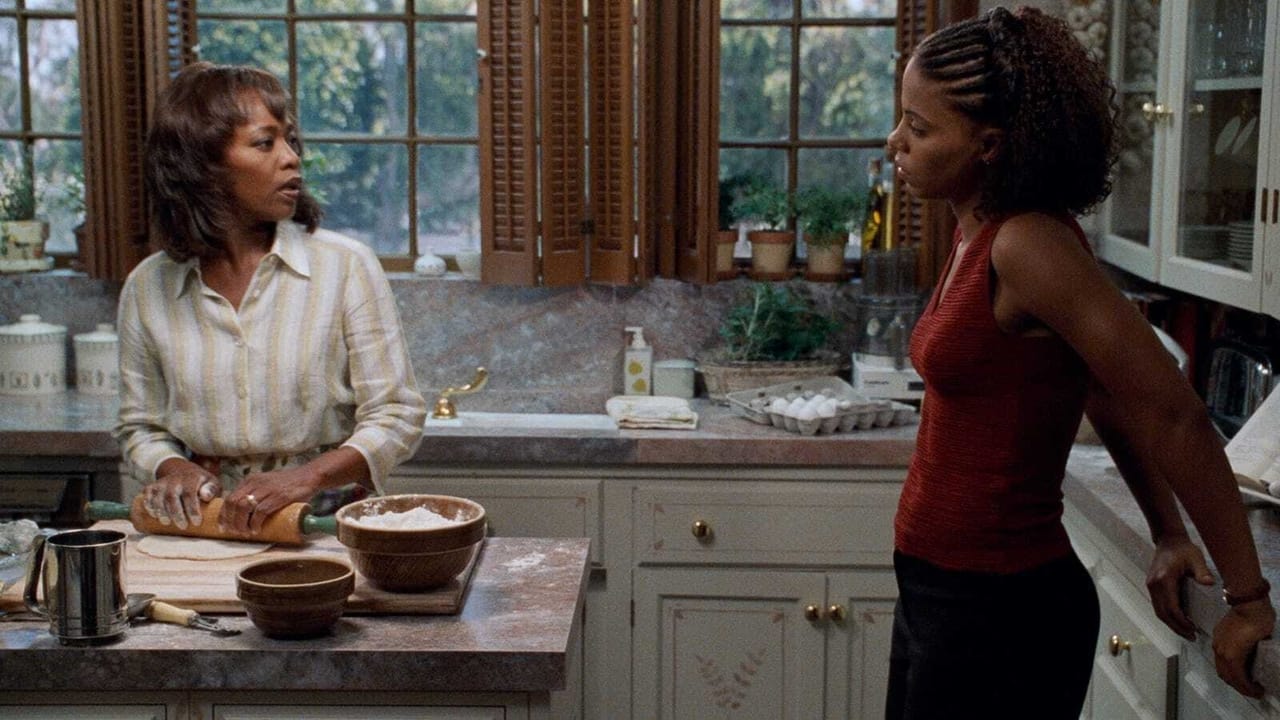
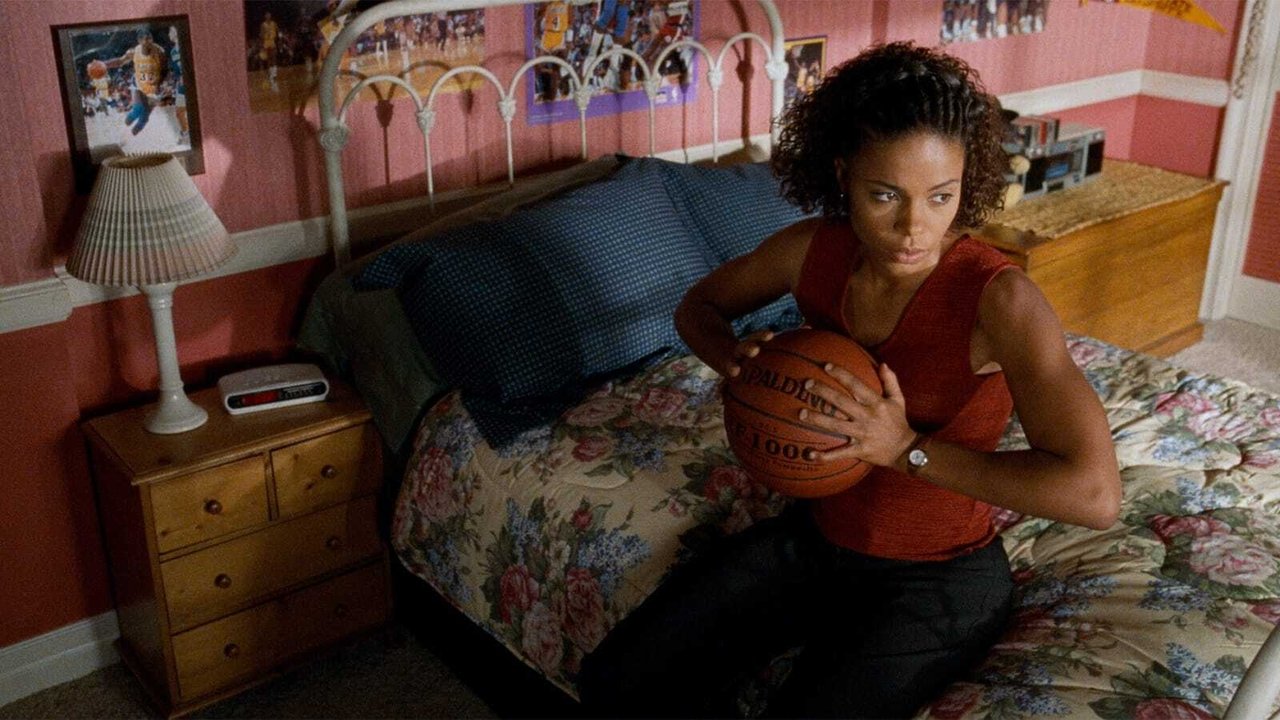
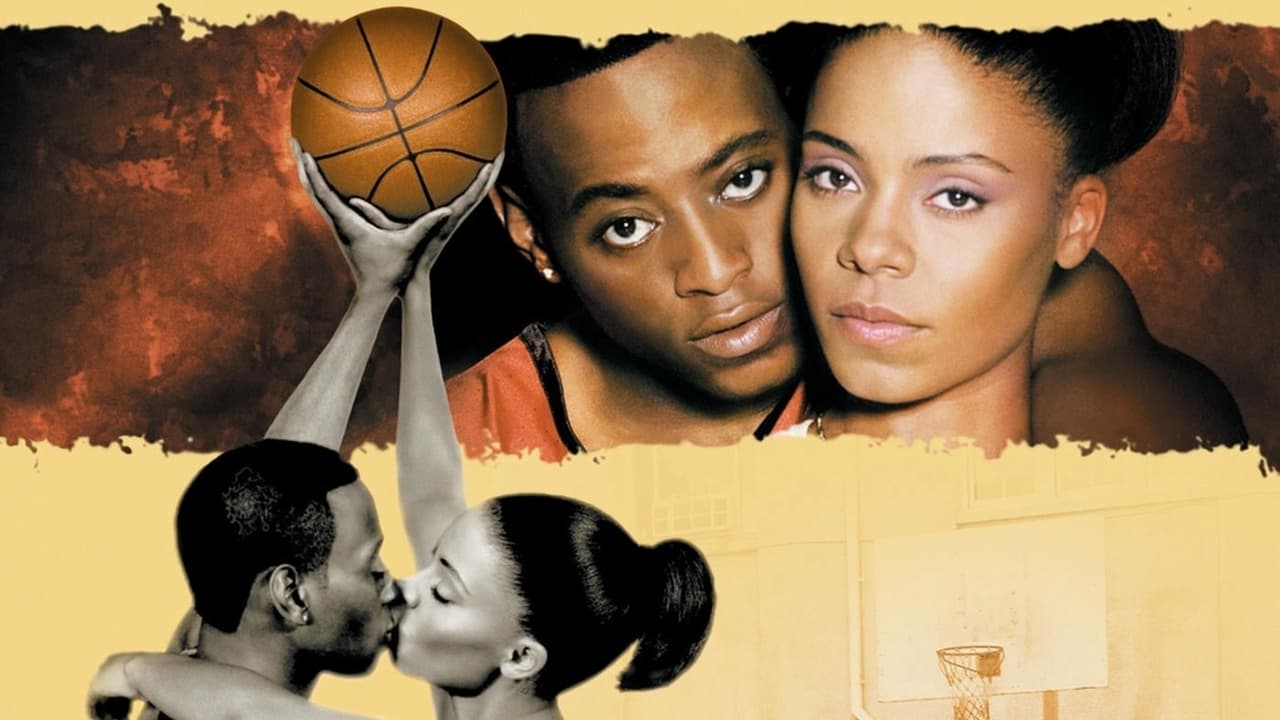
Of course, the film pivots entirely on the chemistry between its leads, and thankfully, Sanaa Lathan as Monica and Omar Epps as Quincy deliver in spades. Their connection feels electric from the start, evolving believably from childhood rivals to teenage sweethearts, navigating the complexities of college careers and the harsh realities of professional aspirations. Lathan is simply extraordinary. She embodies Monica’s vulnerability, her stubborn pride, and her unwavering focus with such nuance. It’s fascinating to know that Lathan wasn't initially a basketball player and had to train rigorously for months to convincingly portray Monica's skills on the court – a dedication that shines through in her performance. She captures that specific intensity, the feeling that the court is the one place Monica truly understands and belongs.
Omar Epps, already familiar to audiences from films like Juice (1992) and Higher Learning (1995), brings charisma and layers to Quincy. He’s not just the charming golden boy; Epps reveals the pressure Quincy feels living under the shadow of his NBA father (played with weary gravitas by Dennis Haysbert) and the emotional toll of discovering his father's infidelity. The scenes between Quincy and his mother, played by the ever-reliable Alfre Woodard, add another layer of emotional depth, grounding the sports drama in complex family dynamics. The chemistry between Lathan and Epps feels genuine, tested by ego, distance, and differing priorities, making their journey towards each other feel earned rather than inevitable. Does their path mirror the sometimes-painful compromises real relationships demand?
Navigating the Quarters
The film's structure – dividing the narrative into four quarters, mirroring a basketball game – is a clever device that effectively charts the progression of their lives and relationship. From the youthful intensity of high school (First Quarter) through the pressures and temptations of college at USC (Second Quarter), the diverging paths of early adulthood and professional struggles (Third Quarter), and finally, the chance for reconciliation and redefining their game (Fourth Quarter), the structure provides a natural rhythm. It allows the film to explore how time changes people, how youthful dreams collide with adult realities, and how love, like basketball, requires constant effort, strategy, and sometimes, a willingness to fight for what you want.
One small but telling detail: the film’s original working title was actually Love & Hoops, changed later to the more evocative title we know today. It feels like the right call – "Basketball" grounds it, gives it that specific weight and cultural resonance. The soundtrack, too, packed with R&B and hip-hop hits from the eras depicted, became iconic in its own right, perfectly complementing the emotional beats of the story.
Lasting Resonance
Watching Love & Basketball today, it feels both nostalgic for its specific early 2000s aesthetic and remarkably timeless in its themes. It tackles ambition, gender roles in sports, the weight of parental expectations, and the enduring question of whether you can truly have it all – career and love – without sacrificing a piece of yourself. It avoids easy answers, acknowledging the bumps and bruises that come with pursuing big dreams and navigating complex relationships. It resonates because it feels real, grounded in authentic character struggles rather than contrived plot points. It's a film that respects its characters and the game they love, treating both with sincerity. It wasn't a massive blockbuster ($27.7 million gross on its budget), but its cultural footprint, particularly its significance as a beloved Black romance and sports drama, has only grown over time.
Rating: 8.5/10
This score reflects the film's powerful central performances, its authentic portrayal of both the sport and the relationship, Gina Prince-Bythewood's assured direction and writing, and its smart thematic depth. The chemistry between Lathan and Epps is undeniable, carrying the film through its emotional highs and lows. While perhaps a touch predictable in some romantic beats, its sincerity and unique focus elevate it far above standard genre fare.
Love & Basketball remains a cherished film not just for the nostalgia of its era, but for the enduring truth at its core: sometimes the toughest games aren't played on the court, but in the heart. It leaves you pondering the choices we make for love, for ambition, and ultimately, for ourselves. "All's fair in love and basketball," the saying goes, but this film beautifully illustrates it's rarely that simple.