Okay, let's dust off the VCR for this one. Sometimes, tucked away on the shelves of memory – or maybe the actual shelves of a thrift store – you find a film that aimed for the heartstrings but perhaps pulled a little too hard, or maybe in the wrong direction entirely. 1999's Molly feels like one of those films, a high-concept drama carried almost entirely on the shoulders of a brave, if ultimately divisive, central performance. It arrived near the tail end of the decade, carrying an earnestness that felt both characteristic of the era and perhaps already a touch out of step.

A Premise Fraught with Peril
The setup is pure Hollywood high concept: Buck McKay (Aaron Eckhart, radiating the kind of slick, self-absorbed energy he’d later refine in films like Thank You for Smoking), a successful bachelor living a life meticulously curated for minimal emotional engagement, suddenly finds himself responsible for his younger sister, Molly (Elisabeth Shue). Molly has lived most of her life in institutional care due to severe autism. When her facility closes, Buck, initially motivated more by obligation than affection, becomes her reluctant guardian. Enter Dr. Susan Brookes (Jill Hennessy) and an experimental neurological procedure involving transplanted brain cells – a radical surgery that promises to "awaken" Molly, reversing her condition. It’s a premise that immediately signals narrative minefields ahead. Doesn't the very idea of "curing" autism raise profound ethical questions about identity and acceptance?
Shue's Immense Challenge
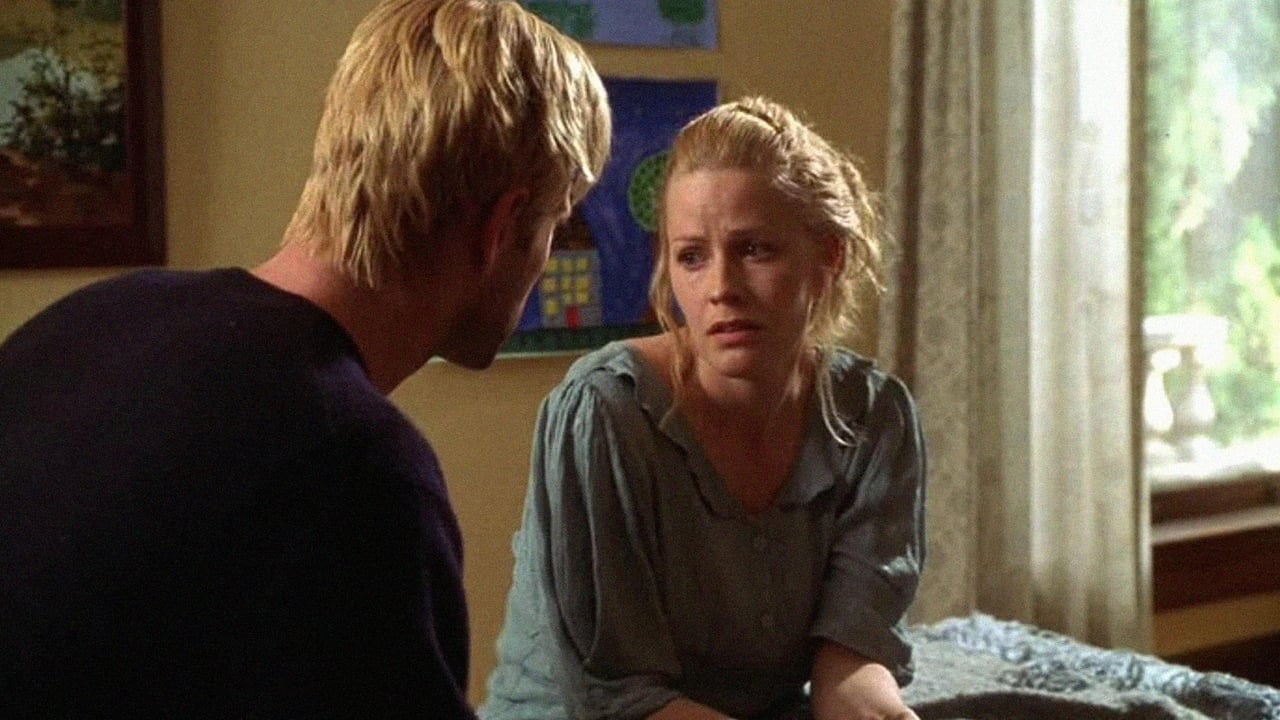
At the heart of Molly is, inevitably, Elisabeth Shue's performance. Fresh off a career renaissance following her Oscar-nominated turn in Leaving Las Vegas (1995), Shue dives headfirst into an incredibly demanding role. Portraying autism on screen is inherently difficult, risking caricature or mawkish sentimentality. Shue clearly committed deeply, reportedly spending time observing individuals with autism to inform her portrayal. In the film's early scenes, she captures Molly's detachment, repetitive behaviours, and moments of unfiltered joy or distress with a physical commitment that is undeniable.
When the surgery temporarily "works," Shue faces the arguably even greater challenge of portraying Molly's rapid development – experiencing the world, language, complex emotions, and social interactions as if compressing decades into weeks. It’s here the performance, and the film itself, becomes most precarious. While Shue imbues Molly's discoveries with a wide-eyed wonder that can be touching, the script often forces the character into situations designed for maximum emotional impact or plot convenience, sometimes straining credulity. The tightrope walk between authentic portrayal and dramatic necessity is a difficult one, and Molly doesn't always keep its balance.
A Brother's Belated Awakening
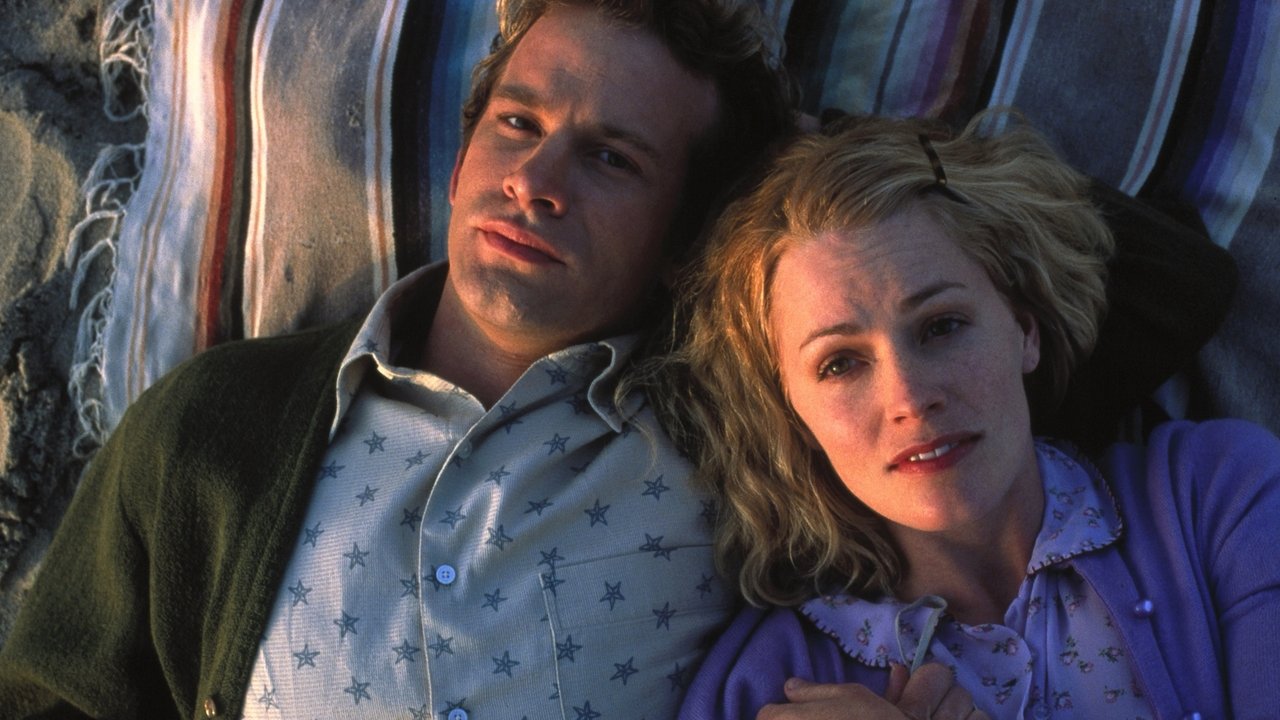
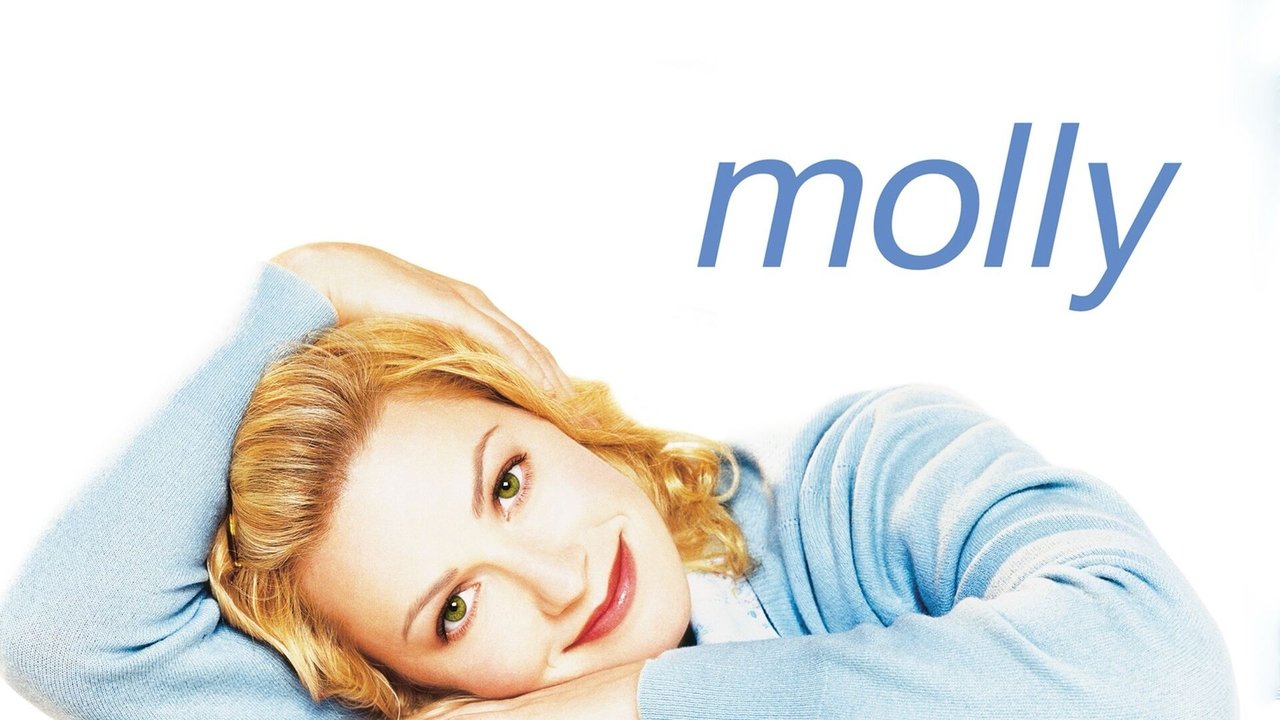
While Shue has the flashier role, Aaron Eckhart carries the film's more conventional emotional arc. Buck begins as almost aggressively detached, his sleek apartment and advertising career symbolizing his avoidance of genuine connection. His journey from exasperated caregiver to protective, loving brother is the film's emotional backbone. Eckhart handles this transition capably, allowing glimpses of vulnerability beneath the cynical exterior. Yet, the script sometimes simplifies his transformation, relying on familiar beats rather than delving deeper into the complexities of their re-established relationship or the profound effect Molly's changes have on his carefully constructed world. The dynamic between Shue and Eckhart generates some genuinely affecting moments, but it often feels hampered by the script's need to hit specific emotional cues.
Navigating Troubled Waters
Directed by John Duigan, known for more nuanced dramas like Flirting (1991), Molly grapples with weighty themes: the definition of "normalcy," the ethics of medical intervention that fundamentally alters personality, the nature of unconditional love, and societal acceptance of neurodiversity. These are potent ideas, but the film often opts for simpler, more sentimental resolutions than the subject matter truly warrants. The central "miracle cure" trope, while a common cinematic device (think Awakenings or Charly), feels particularly uneasy here, potentially suggesting that Molly's autistic self was inherently incomplete or needed "fixing." Doesn't this sidestep the more complex conversation about valuing individuals as they are?
Echoes from the Cutting Room Floor?
It’s perhaps telling that Molly, filmed in 1997, was reportedly shelved by MGM for two years before its eventual, quiet release in 1999. It landed with little fanfare and unfortunately became a box office disappointment, grossing just under $18 million worldwide against a $21 million budget. This delay often suggests studio uncertainty about a film's quality or marketability. Perhaps there were struggles to find the right tone in the edit, or maybe the controversial subject matter simply felt too risky. One can't help but wonder what discussions happened behind the scenes. The film's earnest, almost naive approach to its complex subject feels somewhat characteristic of certain late-90s dramas, aiming for uplift but occasionally stumbling into problematic territory. Despite Shue's dedicated efforts, she even received a Razzie Award nomination for Worst Actress – a harsh reflection, perhaps, not just of the performance itself, but of the difficult tightrope the entire film attempted to walk.
The Verdict
Molly is a film brimming with good intentions but hampered by a tricky premise and a script that often simplifies complex emotional and ethical issues. Elisabeth Shue gives a committed, physically demanding performance that is undeniably brave, even if its portrayal of autism and the effects of the "cure" invites debate and discomfort. Aaron Eckhart provides a solid anchor as the transforming brother. The film occasionally achieves moments of genuine poignancy in their interactions, but ultimately struggles under the weight of its own high concept. It feels like a relic of a specific type of late-90s filmmaking – heartfelt, ambitious, but perhaps not quite equipped to handle the nuances of its chosen subject matter with the sensitivity it requires.
Rating: 5/10
This score reflects the film's earnest attempt to explore profound themes and the undeniable effort from its lead actors, particularly Shue's challenging performance. However, it's significantly docked for the problematic handling of its central premise, the often overly sentimental script, and its failure to fully grapple with the ethical complexities it raises. It’s a film that makes you think, certainly, but perhaps more about its missed opportunities and questionable choices than its intended message.
Final Thought: Molly lingers not necessarily as a successful drama, but as a fascinating artefact – a reminder of how challenging portraying neurological difference on screen can be, and how easily well-meaning narratives can stray into uneasy territory. What does it truly mean to "help" someone, and who gets to decide what constitutes a "better" life? Molly asks these questions, even if its answers feel far too simple.