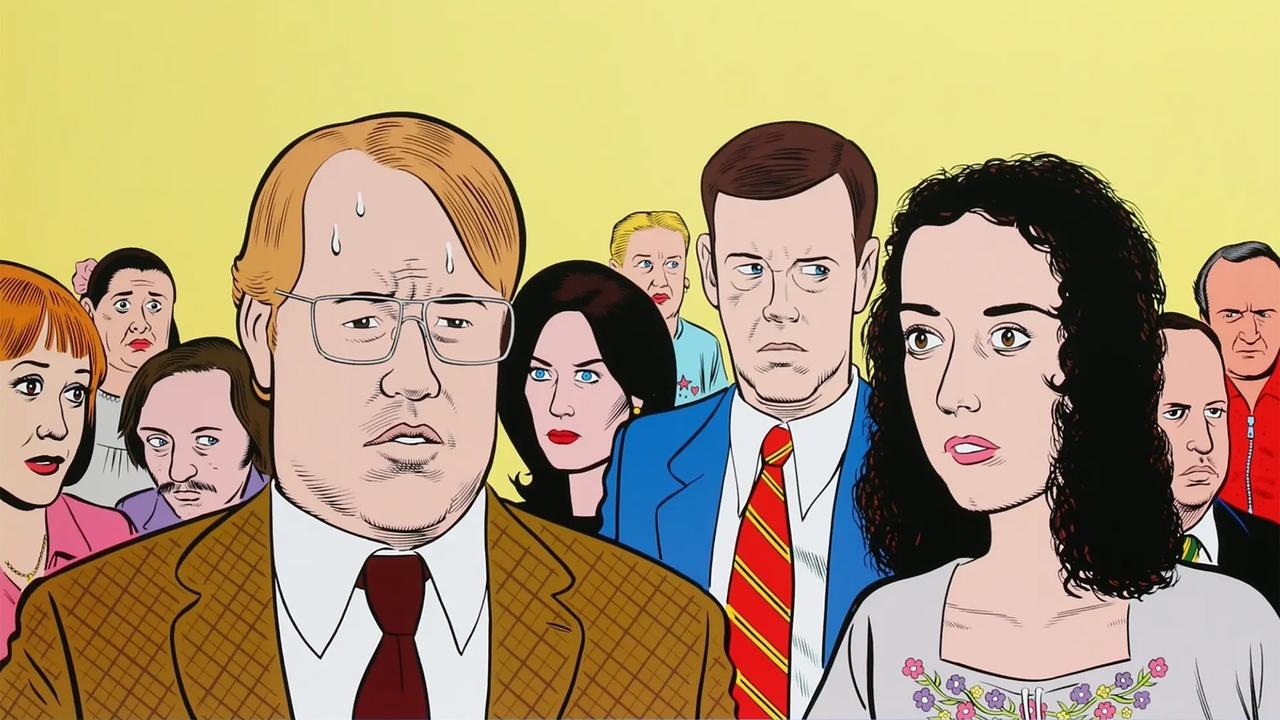
It starts with the title, doesn't it? Happiness. A simple, hopeful word plastered across a film that delves into some of the most profoundly unhappy corners of the human experience. Watching Todd Solondz's 1998 exploration of suburban desolation wasn't like popping in the latest blockbuster rented from the corner store; it felt like handling something dangerous, something potentially corrosive. I remember the buzz around this one – the whispers, the controversy, the stark VHS box art that offered little clue to the abyss waiting inside. It wasn’t a film you watched lightly, and it certainly isn't one you forget easily.
### The Geography of Disquiet
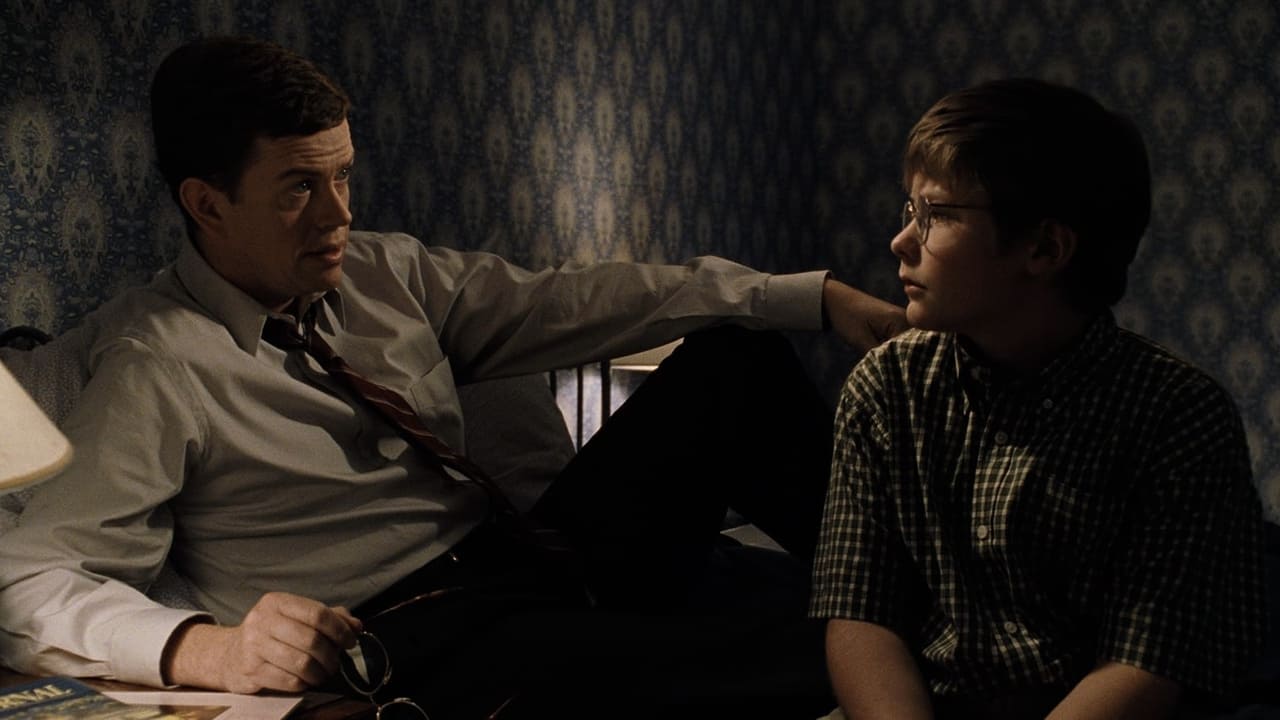
Solondz weaves together the lives of three sisters and the men orbiting their troubled worlds in suburban New Jersey. There's Joy (Jane Adams, in a performance of almost unbearable vulnerability), a sensitive soul perpetually unlucky in love and life; Helen (Lara Flynn Boyle), a successful but deeply narcissistic poet wrestling with her own emptiness; and Trish (Cynthia Stevenson), the seemingly well-adjusted housewife whose perfect facade hides a terrifying secret concerning her psychiatrist husband, Bill (Dylan Baker). Their stories intersect with others adrift in the same sea of quiet desperation: Allen (Philip Seymour Hoffman), the heavy-breathing obscene phone caller plagued by loneliness and sexual compulsion; Andy (Jon Lovitz, playing startlingly against type), Joy's hapless suitor; and the aging parents (Ben Gazzara and Louise Lasser) contemplating separation. It’s a landscape familiar from countless other films, yet Solondz strips away any comforting veneer, leaving only the raw nerves exposed.
### An Unblinking Gaze
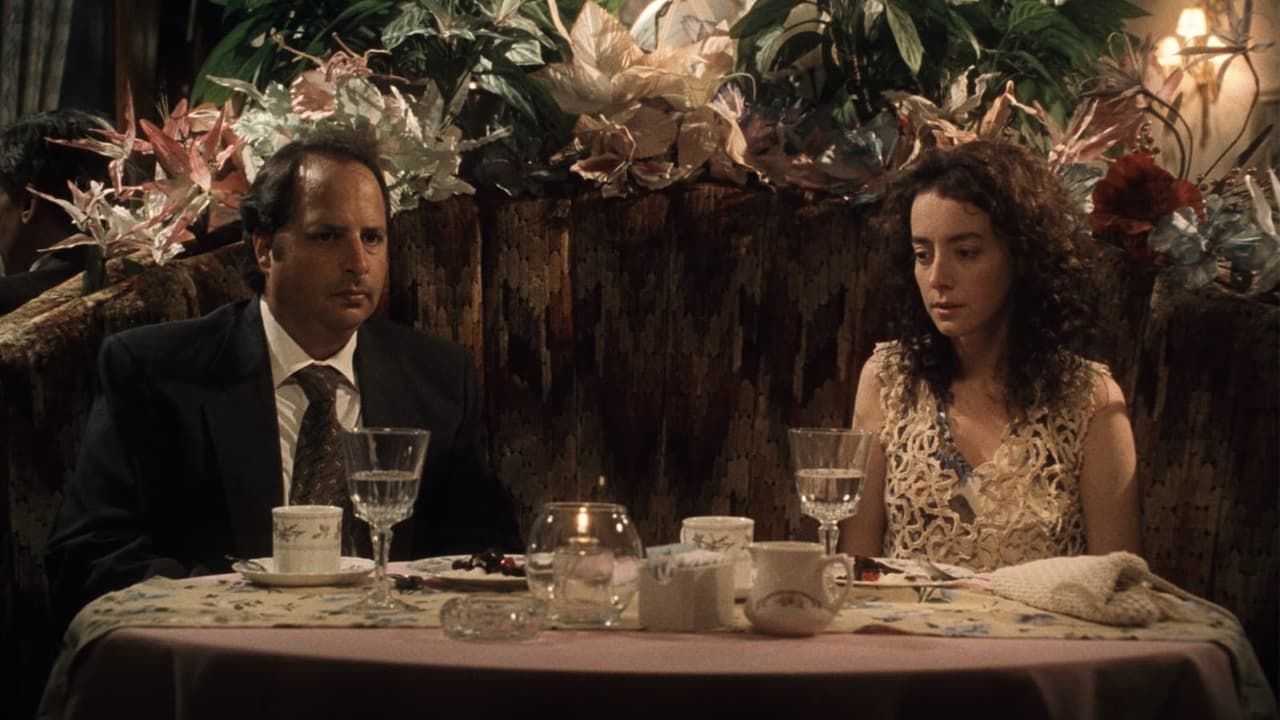
What makes Happiness so potent, and for many, so difficult, is Solondz's directorial style. His camera often remains static, observing characters in moments of profound awkwardness, pain, or moral compromise without judgment or relief. There are no easy heroes or villains here, just flawed, often deeply damaged people navigating their desires and despair. The dialogue is frequently banal, masking profound subtext, and the silences stretch, forcing us to sit with the discomfort. Solondz refuses to sensationalize the taboo subjects he tackles – most infamously, pedophilia – presenting them with a chilling matter-of-factness that is far more disturbing than any overt horror might be. This detached observation, this refusal to look away, is the film's central, challenging power. It dares the audience to confront the uncomfortable reality that monstrousness can wear a very ordinary face.
### Portraits Etched in Acid
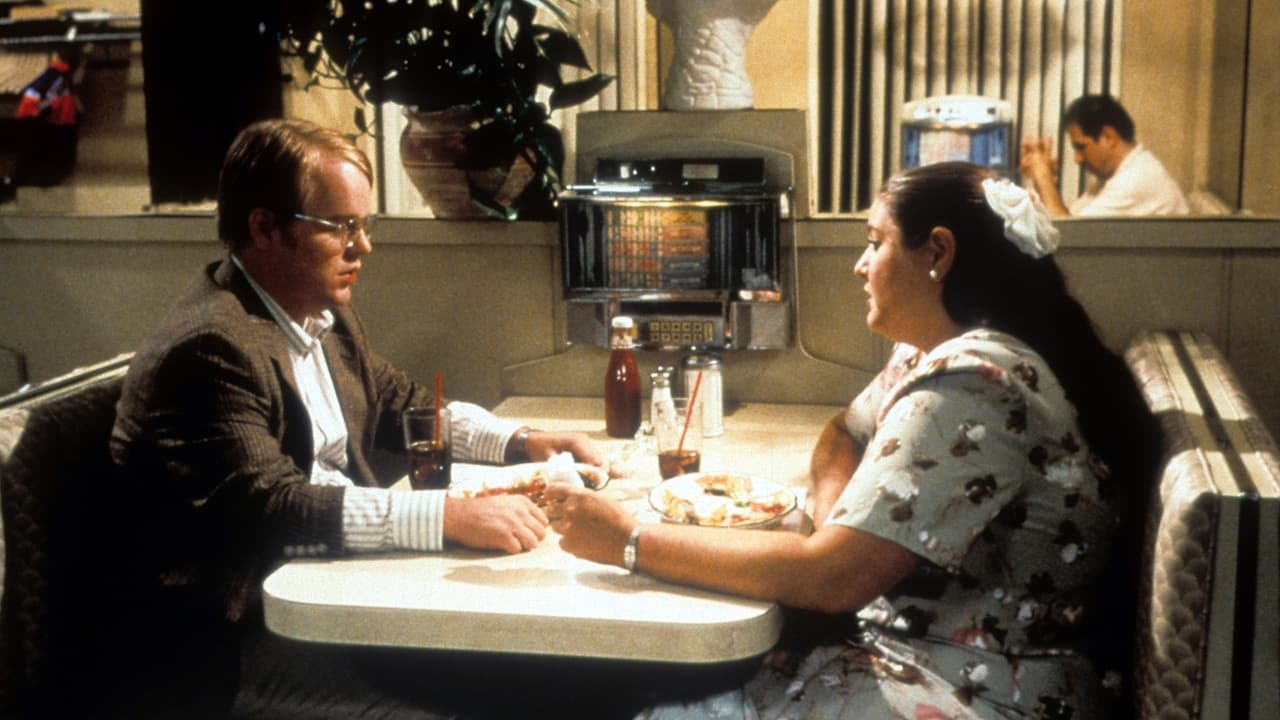
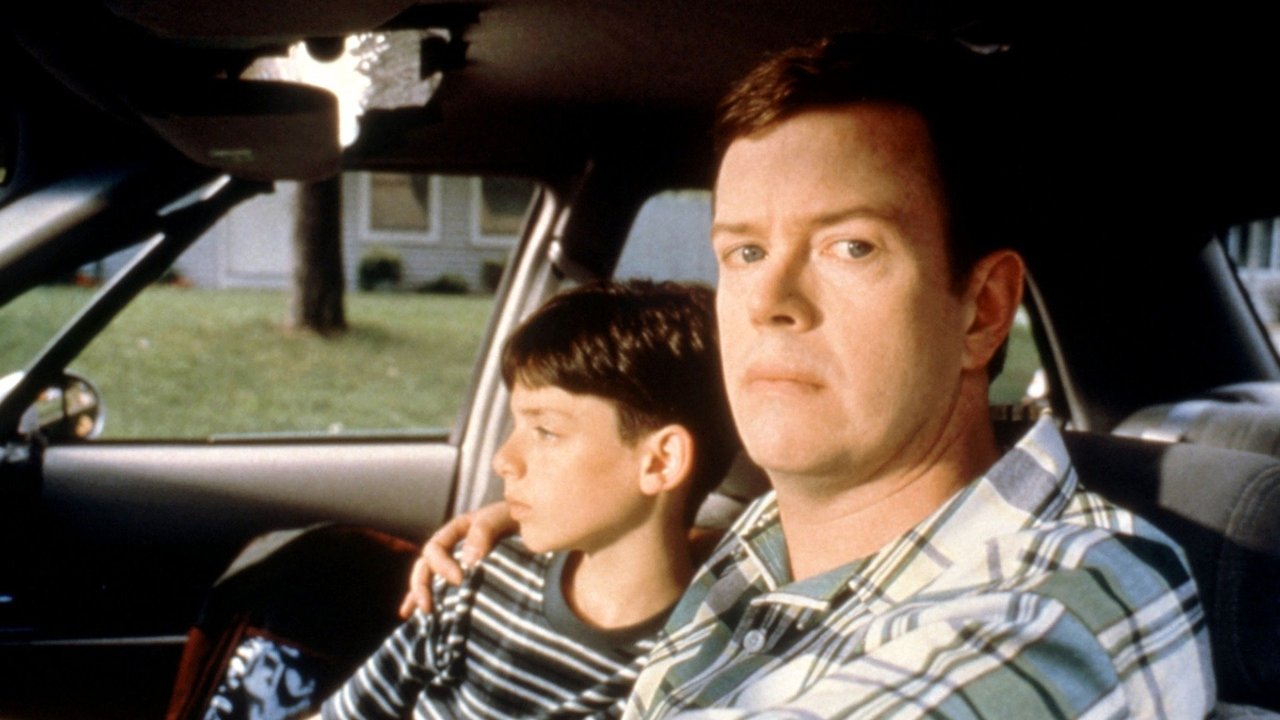
The ensemble cast delivers performances that are nothing short of extraordinary, embodying Solondz's bleak vision with unsettling authenticity. Philip Seymour Hoffman’s Allen is excruciating to watch – a portrait of compulsive behaviour and profound loneliness that culminates in that phone call scene, a moment of raw, pathetic honesty that’s almost unbearable. It’s a testament to Hoffman’s immense talent, even early in his meteoric career, that he finds the broken humanity within such a repellent character. Equally unforgettable, and perhaps even more chilling, is Dylan Baker as Bill Maplewood. His quiet demeanor, his gentle interactions with his son, make the slow reveal of his true nature utterly horrifying. Baker embodies the banality of evil with a subtlety that haunts long after the credits roll. Jane Adams provides the film’s fragile heart as Joy; her yearning for connection is palpable, making her constant misfortunes feel genuinely tragic amidst the surrounding darkness. Even Jon Lovitz, known primarily for his broader comedic work on Saturday Night Live, brings a surprising pathos to the deeply sad Andy Kornbluth.
### The Film They Didn't Want You To See
It’s impossible to discuss Happiness without acknowledging the storm it created upon release. The film's unflinching depiction of pedophilia and other disturbing sexual themes led to the MPAA refusing to grant it anything less than an NC-17 rating. Unwilling to accept what was then often seen as a box office death sentence, the original distributor, Fine Line Features (a division of New Line Cinema, ironically known for pushing boundaries themselves with films like John Waters' Pink Flamingos (1972)), dropped the film. It was Todd Solondz himself, along with the production company Good Machine (later instrumental in films like Brokeback Mountain (2005)), who ultimately released Happiness unrated. This struggle became part of its identity – a defiant piece of independent cinema that refused to compromise its vision, perfectly reflecting the risk-taking spirit (and ensuing controversies) that sometimes defined late-90s indie film. It found critical acclaim, even winning the prestigious FIPRESCI prize at the Cannes Film Festival, but its reputation as a 'difficult' film was cemented.
### Finding Meaning in Misery?
So, why revisit a film that offers so little comfort and so much unease? Does Happiness have anything to offer beyond provocation? I think it does. It’s a stark, often painful examination of loneliness in a world that promises connection but often delivers isolation. It forces questions about empathy – can we, should we, feel anything for characters who commit monstrous acts? What does Bill’s seemingly genuine affection for his son signify? What drives Allen’s desperate, harmful compulsions? Solondz offers no easy answers, presenting these characters and their actions as complex, uncomfortable truths about the darker potentials within human nature. It’s not a film about finding happiness, but rather about the often tragic, sometimes grotesque, ways people search for it, or fumble towards any kind of connection, in its absence. It’s a film that stays with you, prompting reflection on the hidden lives behind closed suburban doors, a theme that feels depressingly timeless.
Rating: 8/10
This score reflects the film's undeniable artistic merit, its fearless direction, and the sheer power of its performances, particularly from Philip Seymour Hoffman and Dylan Baker. It's a masterfully crafted piece of cinema that achieves exactly what it sets out to do. However, the score is tempered by the fact that its subject matter makes it an incredibly challenging, often repellent watch that many viewers will understandably find unbearable. It's a film admired more than loved, respected more than enjoyed.
Happiness remains a potent, unsettling artifact from the bold landscape of 90s independent film – a cinematic dare that asks profound questions about normalcy, deviancy, and the desperate search for connection, even if the answers it finds are shrouded in darkness. It's a film experience that, once endured, is never quite forgotten.