Okay, let's dim the lights, maybe pour a drink, and settle in for this one. Because some films aren't just watched; they burrow under your skin and leave you wrestling with them long after the VCR clicks off. Jane Campion's 1999 drama Holy Smoke is definitively one of those films – a strange, confrontational, and utterly hypnotic journey into the messy terrain where spirituality, control, sexuality, and ego collide head-on.

Remember picking this one up at Blockbuster? Maybe the cover art, featuring a radiant Kate Winslet against an exotic backdrop, promised something... else? Something more straightforward, perhaps? What you got instead was a film that felt intensely personal, almost uncomfortably so, like stumbling into a private, high-stakes argument you weren't meant to witness.
Collision Course in the Outback
The setup feels ripe for drama: Young Australian Ruth Barron (Winslet, fresh off the global phenomenon of Titanic (1997) and bravely veering into challenging territory) has fallen under the spell of a charismatic guru during a trip to India. Her frantic family back home, convinced she's been brainwashed by a cult, hires P.J. Waters (Harvey Keitel), a cocky American "exit counselor," to fly down under and deprogram her. They arrange a meeting in a remote outback shack, stripping away all external influences. Isolation, they believe, is key.

What unfolds isn't a simple intellectual debate or a clear-cut rescue mission. It's a raw, psychological power struggle. Campion, co-writing with her sister Anna, isn't interested in easy answers about who's right or wrong. Is Ruth genuinely enlightened, finding peace away from her dysfunctional suburban family? Or is she tragically deluded? Is P.J. a skilled professional liberating a vulnerable mind? Or is he an arrogant manipulator imposing his own worldview, his methods barely distinguishable from the control he condemns? The film deliberately keeps you off balance, questioning everyone's motives, including your own assumptions.
A Duel of Wills and Wits
The absolute core of Holy Smoke lies in the electrifying, unpredictable dynamic between Winslet and Keitel. This isn't just acting; it's a visceral back-and-forth, a psychological chess match played with searing intensity. Winslet is astonishing as Ruth. She portrays the initial blissed-out serenity, the fierce intelligence beneath, and the gradual, unsettling shifts in her psyche with incredible nuance. You see the vulnerability, but also the defiant strength and burgeoning awareness of her own power, particularly her sexuality, which she begins to wield as a weapon against P.J.'s carefully constructed masculine authority.

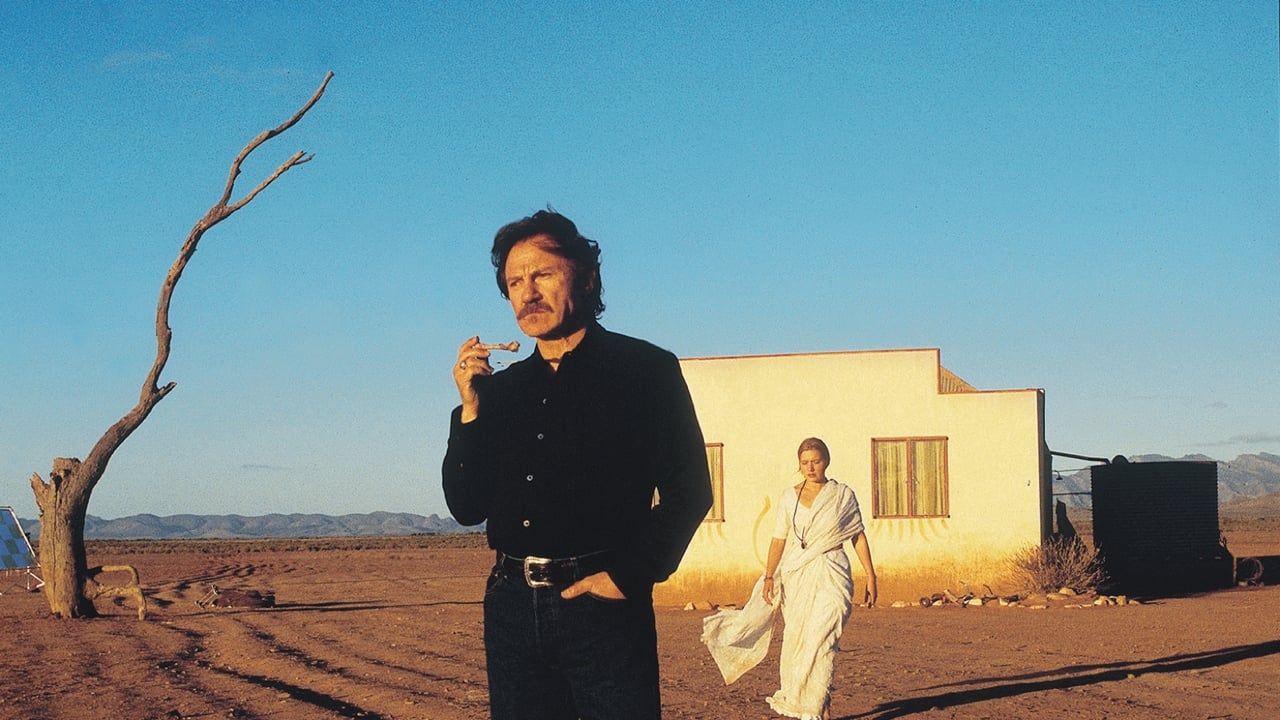
Keitel, an actor never afraid to delve into darkness (think Bad Lieutenant (1992)), matches her stride for stride. His P.J. Waters is initially presented as the confident expert, the swaggering saviour. But as Ruth pushes back, challenging his methods and his very sense of self, the cracks appear. Keitel masterfully reveals the fragility, the ego, and the buried insecurities beneath P.J.'s macho facade. The scenes where their roles begin to blur, where the deprogrammer becomes the one unraveling, are deeply uncomfortable and utterly compelling. There's a story, perhaps apocryphal but fitting, that the tension between the actors mirrored the on-screen dynamic, contributing to the raw energy we see. Whether true or not, their chemistry – volatile and complex – is undeniable.
Campion's Unflinching Gaze
Visually, Campion contrasts the vibrant chaos of India with the stark, imposing emptiness of the Australian outback. The desert becomes a crucible, reflecting the internal landscapes of the characters. Her direction is patient yet probing, often using close-ups to capture the minute shifts in expression that betray inner turmoil. She doesn’t shy away from the awkwardness, the ugliness, or the strange, almost surreal turns the story takes (P.J.'s infamous red dress moment comes to mind – a scene both bizarre and oddly poignant).
It's worth remembering this film came from the director of the critically adored The Piano (1993). Holy Smoke was arguably a more challenging sell, reflected in its modest box office returns (grossing under $2 million against a reported $15 million budget). It didn't offer the sweeping romance or historical grandeur of her previous hit. Instead, it presented a spikier, more ambiguous exploration of power dynamics, particularly between genders, a theme Campion has consistently explored. The initial critical reception was decidedly mixed, with some finding it bold and brilliant, others messy and alienating. Looking back, it feels like a film that was perhaps ahead of its time in its willingness to embrace moral complexity and discomfort.
Lingering Questions in the Dust
Holy Smoke isn't a film designed for neat conclusions. It doesn't tell you what to think about cults, therapy, or the nature of faith. Instead, it throws potent questions into the air and leaves them hanging, shimmering like heat haze over the outback landscape. What constitutes genuine spiritual awakening versus dangerous delusion? Where is the line between helping someone and controlling them? How do power, ego, and sexuality intertwine in our most intimate confrontations?
It’s a film that provokes, pushes buttons, and demands engagement. It might frustrate you, even anger you at times, but it’s unlikely to leave you indifferent. For viewers seeking something beyond the usual late-90s fare, something that digs deeper and isn't afraid to get its hands dirty exploring the complexities of the human psyche, Holy Smoke remains a potent, if sometimes perplexing, experience. Watching it again now, it feels less like a product of its specific time and more like a timeless, unsettling fable about the battles waged within ourselves and against each other.

Rating: 7/10
This score reflects the film's undeniable strengths – primarily the powerhouse performances from Winslet and Keitel and Campion's bold, unflinching direction. It's a challenging, provocative piece of cinema that achieves a unique, unsettling atmosphere. However, its narrative choices can feel intentionally jarring, sometimes bordering on baffling, and its deliberate ambiguity might leave some viewers feeling unsatisfied rather than intellectually stimulated. It earns its points for sheer audacity and the unforgettable central performances, even if the whole package feels somewhat uneven.
Final Thought: A film that gets under your skin and stays there, less a comforting memory and more a lingering, complex question mark etched onto your cinematic map.