Here we go, another tape slid into the VCR, the whirring mechanism a familiar prelude. But tonight, it wasn't the neon glow of sci-fi or the thunder of action that filled the screen. Instead, it was the raw, intense intimacy of Anand Tucker's Hilary and Jackie (1998), a film that arrived near the tail-end of the VHS era but left an indelible mark, less like a blockbuster explosion and more like a resonant chord held long after the music stops. It asks us to sit with uncomfortable truths about talent, sacrifice, and the tangled, sometimes painful, bonds of family.
### Two Sisters, One Shadow
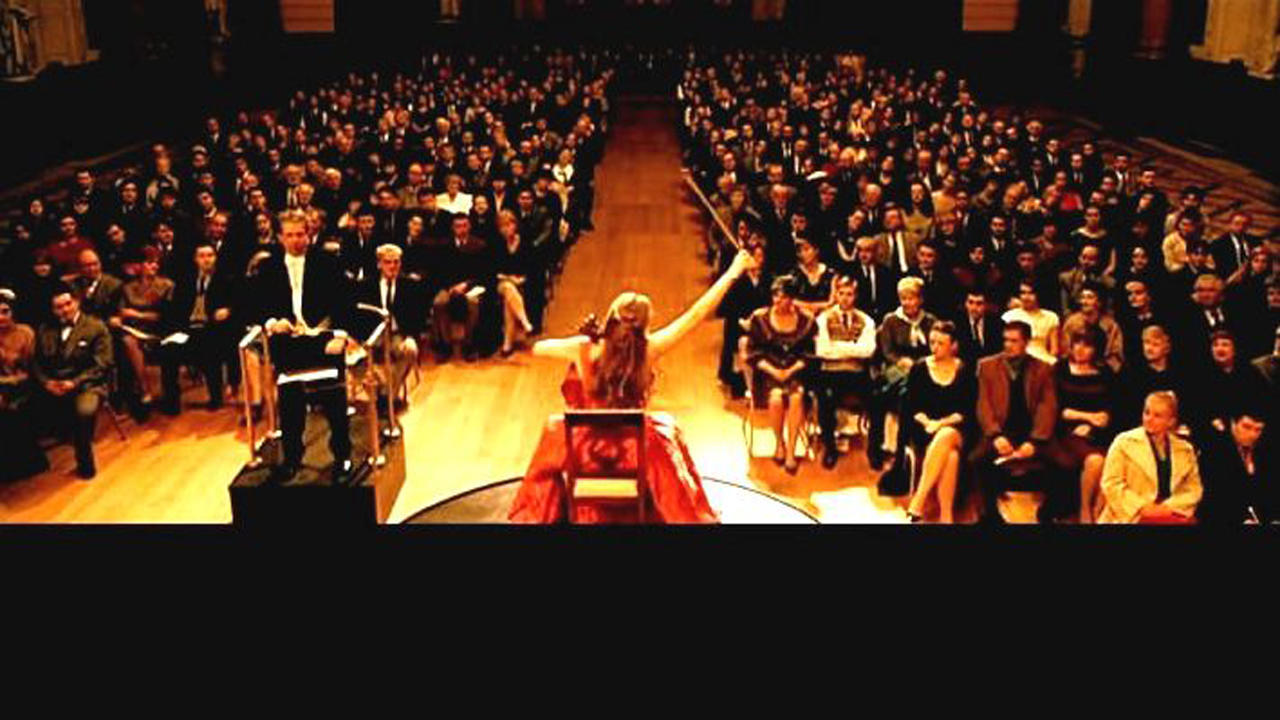
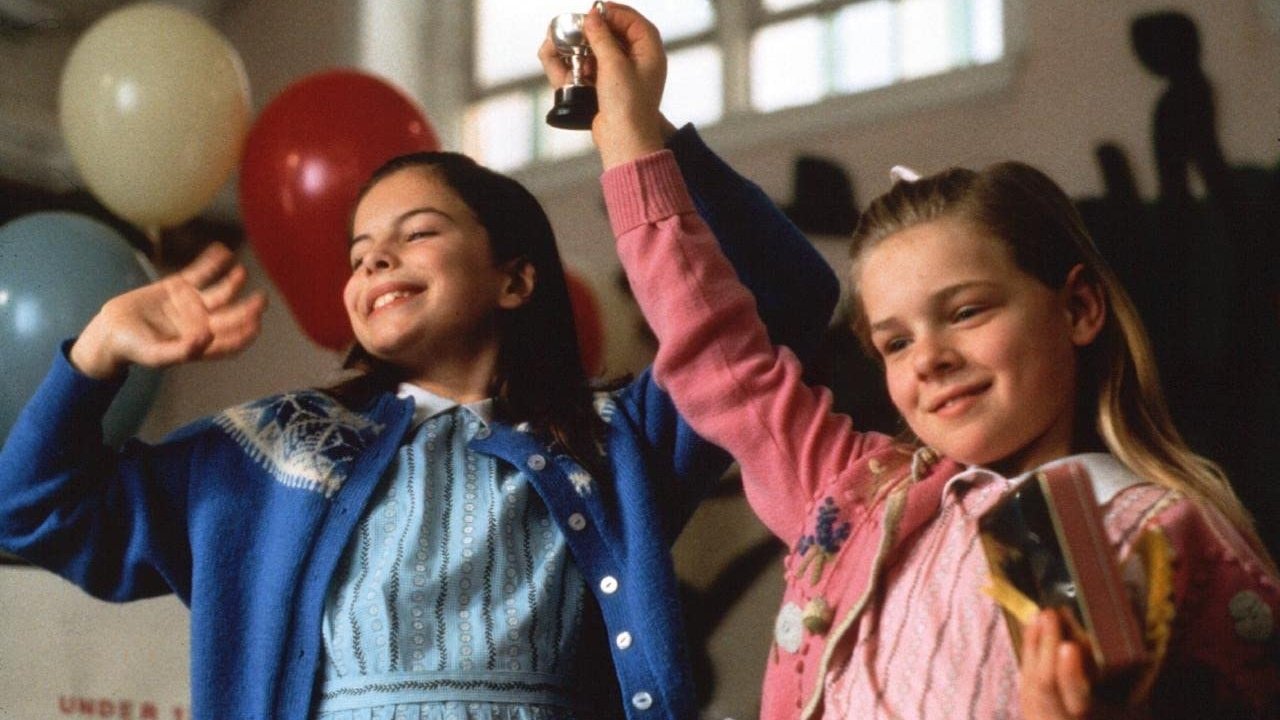
At its heart, the film explores the turbulent relationship between two musically gifted sisters: Hilary du Pré (Rachel Griffiths), a talented flautist who chooses a quieter life, and Jacqueline du Pré (Emily Watson), the cello prodigy whose incandescent talent burned blindingly bright before being tragically extinguished by multiple sclerosis. The narrative, adapted by Frank Cottrell Boyce (who'd later charm audiences with films like Millions) from the memoir A Genius in the Family written by Hilary and her brother Piers, cleverly splits its perspective. First, we see events through Hilary's eyes – the supportive, sometimes overshadowed older sister watching Jackie's meteoric rise. Then, the film rewinds, showing us the same period, but now filtered through Jackie's increasingly complex and desperate viewpoint. It’s a structure that doesn't offer easy answers but instead deepens the enigma. Who truly understands the cost of genius, or the weight of normality?
### A Symphony of Raw Emotion
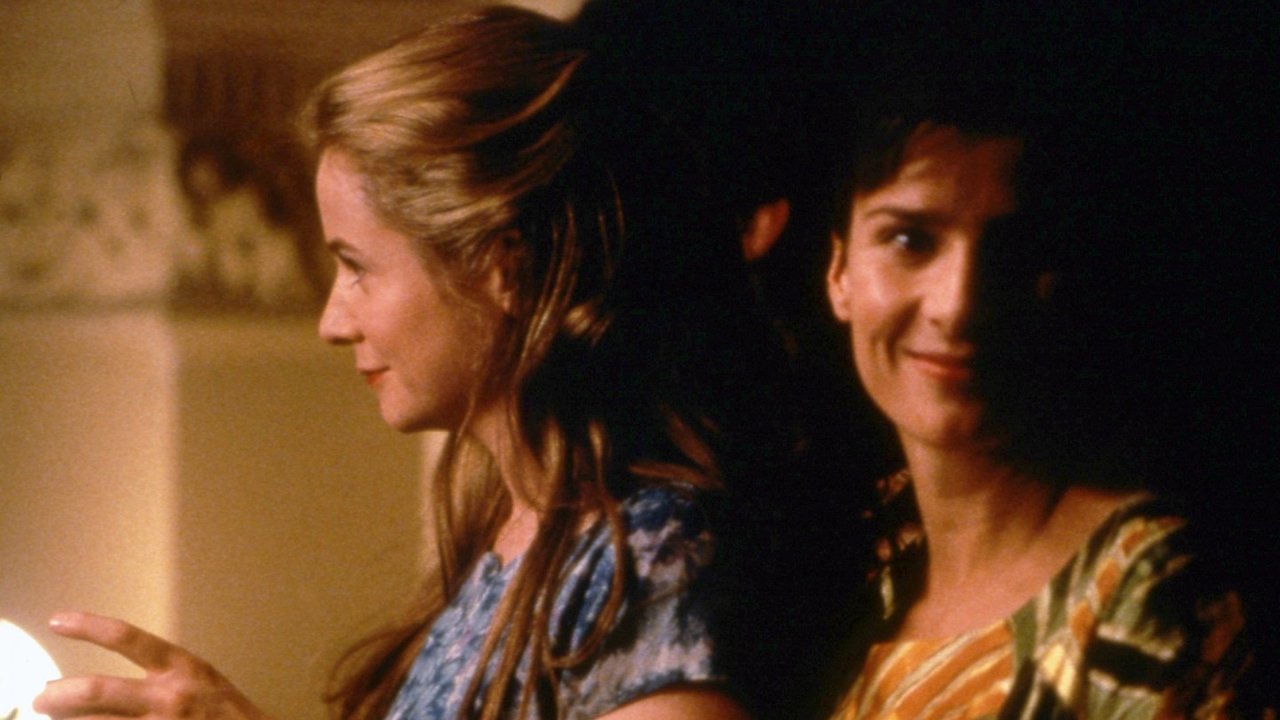
What elevates Hilary and Jackie beyond a standard biopic are the astonishing central performances. Rachel Griffiths, radiating a quiet strength and simmering resentment, perfectly embodies the sister who finds contentment, yet perhaps always wonders 'what if?'. Her portrayal is grounded and deeply relatable; you feel the complex mix of love, pride, frustration, and guilt that defines her relationship with Jackie. I remember seeing Griffiths around this time in Muriel's Wedding (1994) – what a contrast, showcasing her incredible range.
But it's Emily Watson who delivers a performance of staggering, almost terrifying commitment as Jacqueline. Fresh off her stunning debut in Breaking the Waves (1996), Watson doesn't just play the cello; she seems to fuse with it, embodying the ecstatic highs of performance and the devastating lows of her illness and emotional turmoil. To prepare, Watson undertook intense training to master the bowing and fingering techniques, making her musical scenes utterly convincing. It wasn't about actually playing Elgar's Cello Concerto – a piece central to Jackie's identity and hauntingly woven throughout the score – but about capturing the physicality, the passion, the possession of a musician consumed by her art. The result is mesmerizing and profoundly unsettling. You witness the charisma and the destructive neediness, the vulnerability and the manipulation, often in the same breath. It's a portrayal that doesn't shy away from the less flattering aspects of Jackie's reported personality, demanding empathy rather than easy sympathy.
### Echoes of Controversy and Truth
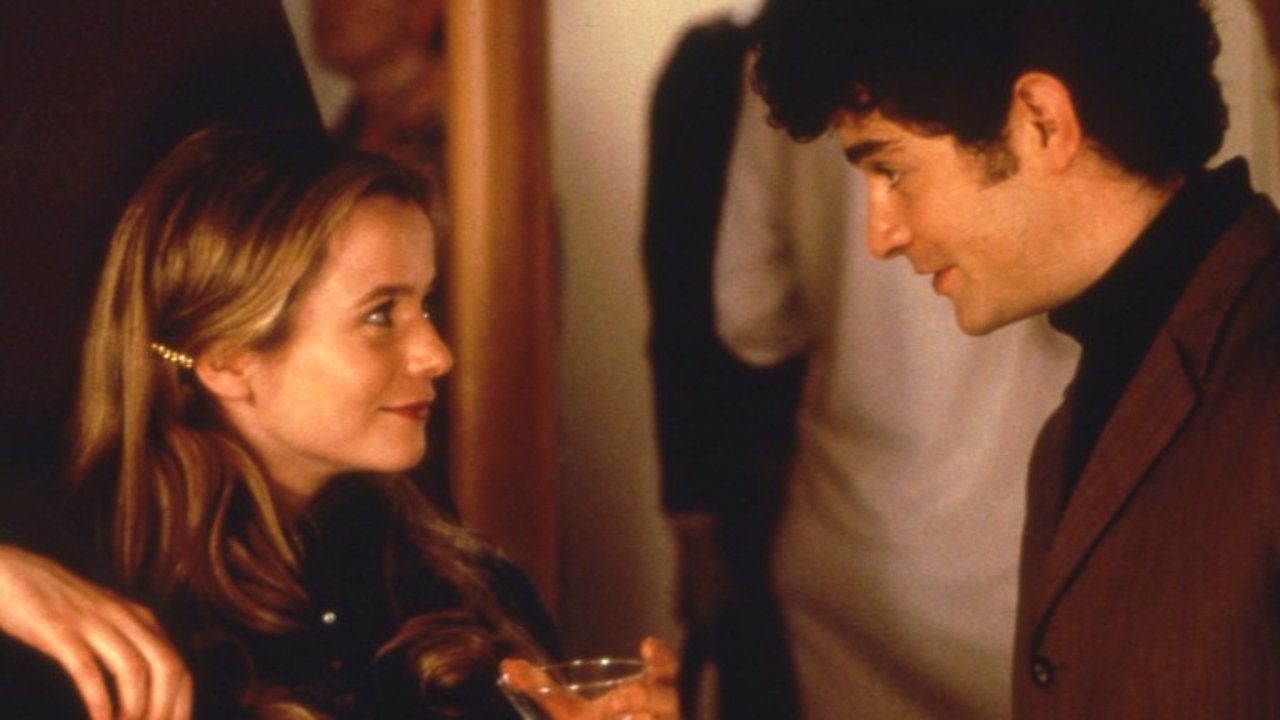
It’s impossible to discuss Hilary and Jackie without acknowledging the controversy it stirred upon release. Based on Hilary and Piers's memoir, the film presented a version of Jackie that sharply contrasted with her public image as a purely joyful, almost saintly musical icon. Many prominent figures in the classical music world, including cellist Mstislav Rostropovich and violinist Pinchas Zukerman, publicly condemned the film and the book, defending Jackie’s memory and character. They felt the portrayal, particularly concerning her alleged affair with Hilary's husband Kiffer Finzi (James Frain, bringing a necessary steadiness to the role), was inaccurate and exploitative.
This controversy, however, adds another layer to the viewing experience, doesn’t it? It forces us to consider the nature of biography, memory, and perspective. Is there ever one single "truth" in a family's story, especially one marked by such extraordinary circumstances? The film, like the book, presents a version of events, colored by Hilary's experience. Perhaps its greatest strength lies not in definitive accuracy, but in its exploration of how sibling dynamics – love, jealousy, dependency, resentment – can shape lives in profound and often painful ways. It makes you wonder about the stories hidden within seemingly ordinary families, let alone extraordinary ones. Reportedly, the film was made for a modest budget (around £4.5 million, roughly $7.5 million USD back then) but garnered significant attention, including Oscar nominations for both Watson and Griffiths, proving its dramatic power resonated despite the debates.
### The Lingering Resonance
Director Anand Tucker handles the material with sensitivity, capturing both the grey dampness of rural England and the charged atmosphere of the concert hall. The visual contrast underscores the sisters' diverging paths. While some might find the film emotionally draining – it certainly doesn’t pull its punches – its refusal to simplify its characters or their motivations is precisely what makes it stick with you. It’s not always an easy watch, particularly the depiction of Jackie's decline, handled with unvarnished honesty by Watson.
Watching it again now, years after first sliding that tape into the deck, the film feels less like a scandalous exposé and more like a poignant, if painful, meditation on the complexities of love, talent, and illness. It raises questions that linger: What is the true price of artistic devotion? How do families navigate the gravitational pull of a singular genius in their midst? And how do we remember those whose lives defy easy categorization?
Rating: 8/10
This score reflects the film's undeniable power, driven by two phenomenal, Oscar-nominated lead performances that capture the intricate, often agonizing reality of the sisters' bond. While the historical accuracy remains debated, the film's emotional truthfulness regarding sibling rivalry, sacrifice, and the isolating nature of both genius and illness is searing and unforgettable. It’s a challenging, complex drama from the late 90s that earns its emotional weight.
Hilary and Jackie remains a potent reminder that some of the most compelling stories aren't about heroes and villains, but about flawed, brilliant, messy human beings trying to navigate the extraordinary pressures life throws their way. It's a film that truly resonates, long after the VCR clicks off.