What truly defines the birth of a legend? Is it the blinding flash of fame, the stadium roar, the moment the world catches on? Or is it something found earlier, in the crucible of cramped stages, desperate energy, and the fierce, sometimes destructive bonds forged before anyone knew the names? Iain Softley's 1994 film Backbeat argues compellingly for the latter, turning its gaze away from the inevitable global phenomenon of The Beatles to focus instead on their raw, formative Hamburg days, and specifically on the tragic figure of Stuart Sutcliffe – the 'fifth Beatle' who chose art over rock 'n' roll.
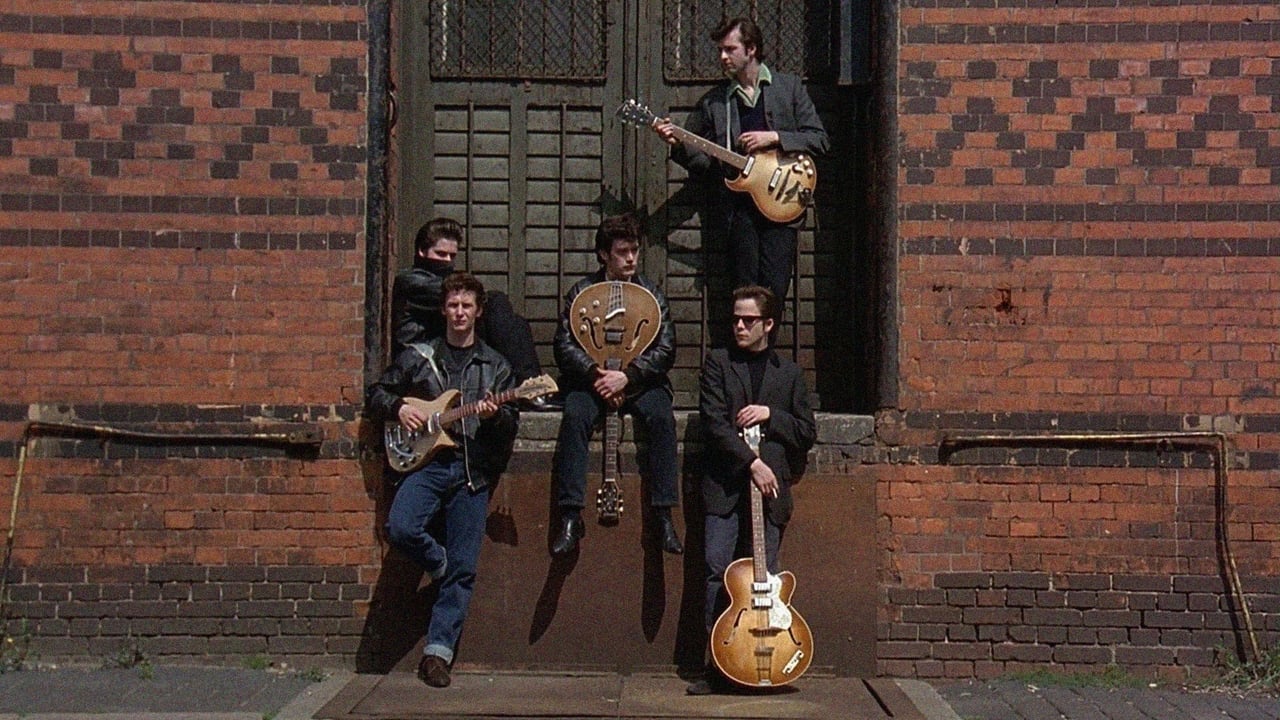
I recall finding Backbeat tucked away in the 'Drama' section of my local video store, maybe drawn initially by the promise of a Beatles story, but discovering something far more intimate and intense. This wasn't the cheeky mop-top narrative; this was leather jackets, smoky German clubs, and the visceral thrum of early rock music played with youthful abandon. It’s a film that lingers, not just for its story, but for its potent atmosphere.
Hamburg Heat and Raw Power
Softley, in his directorial debut, plunges us headfirst into the Reeperbahn circa 1960-62. Forget the polished pop hits; this is about the relentless, amphetamine-fueled marathon sets the young band played – hours upon hours of raucous American rock 'n' roll covers. The film brilliantly captures the claustrophobia and sweat-drenched energy of clubs like the Kaiserkeller and the Star-Club. You can almost smell the stale beer and cigarettes. A key part of this authenticity comes from the soundtrack. Wisely, Softley didn't attempt Beatles covers. Instead, he assembled a sort of grunge-era supergroup – featuring Dave Grohl (Nirvana, Foo Fighters), Thurston Moore (Sonic Youth), Mike Mills (R.E.M.), Dave Pirner (Soul Asylum), and Greg Dulli (The Afghan Whigs) – to blast out the raw rock standards ("Money," "Long Tall Sally," "Twist and Shout") that the early Beatles actually performed. This wasn't just a clever gimmick; it infused the film with a contemporary energy that somehow felt true to the primal force the Beatles were channeling back then. It connected the raw power of the early 60s with the raw power of the early 90s music scene, a bridge many of us watching on VHS readily crossed.
A Triangle of Talent and Tension
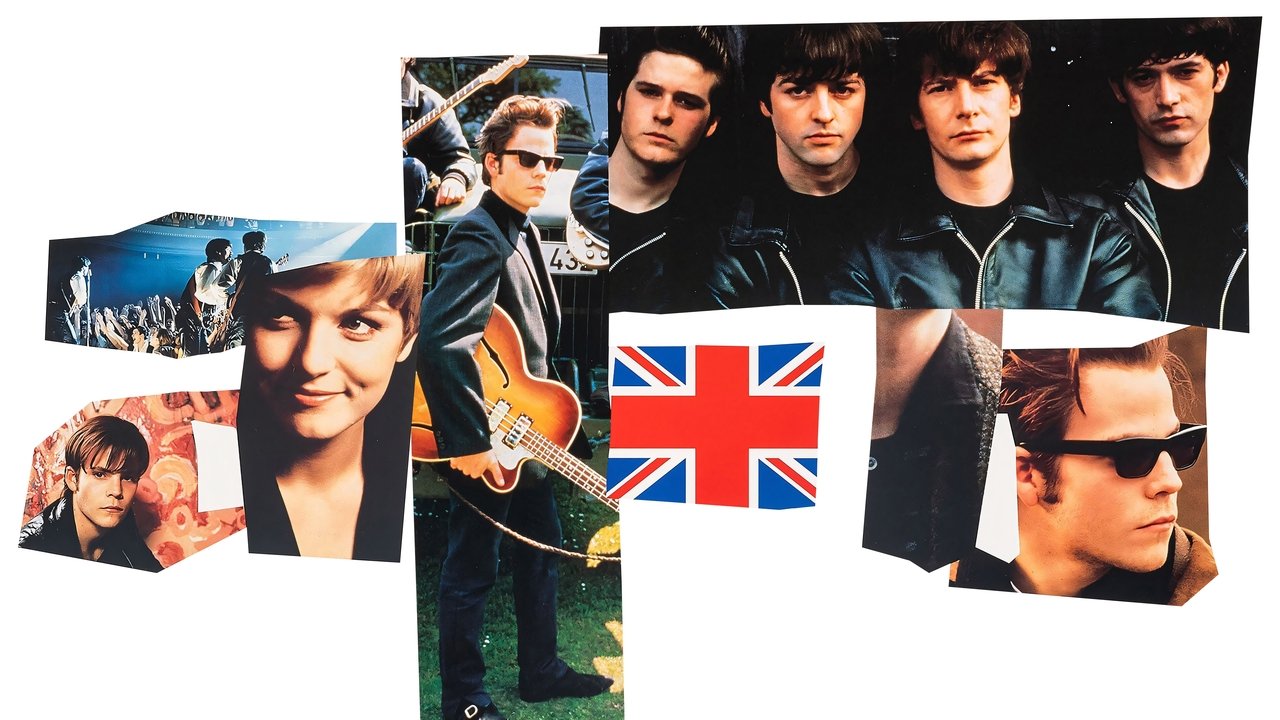
At the heart of Backbeat lies the intense relationship triangle between Stuart Sutcliffe (Stephen Dorff), his German photographer girlfriend Astrid Kirchherr (Sheryl Lee), and his best friend John Lennon (Ian Hart). Dorff, then a rising young actor, delivers a wonderfully sensitive portrayal of Sutcliffe. He captures the character's quiet charisma, his genuine artistic talent (Sutcliffe was a promising abstract painter), and the internal conflict tearing him between his loyalty to the band and his burgeoning love for Astrid and the art world she represents. You feel his struggle – the pull of the stage versus the call of the canvas.
Sheryl Lee, fresh off the enigmatic complexities of Laura Palmer in Twin Peaks, is magnetic as Astrid. She embodies the cool, existentialist vibe of the Hamburg art scene, becoming not just Stu's muse but also a significant influence on the band's iconic style (yes, she's credited with encouraging the 'Beatle haircut'). Her connection with Dorff feels genuine, a shared space of artistic understanding that subtly excludes the others.
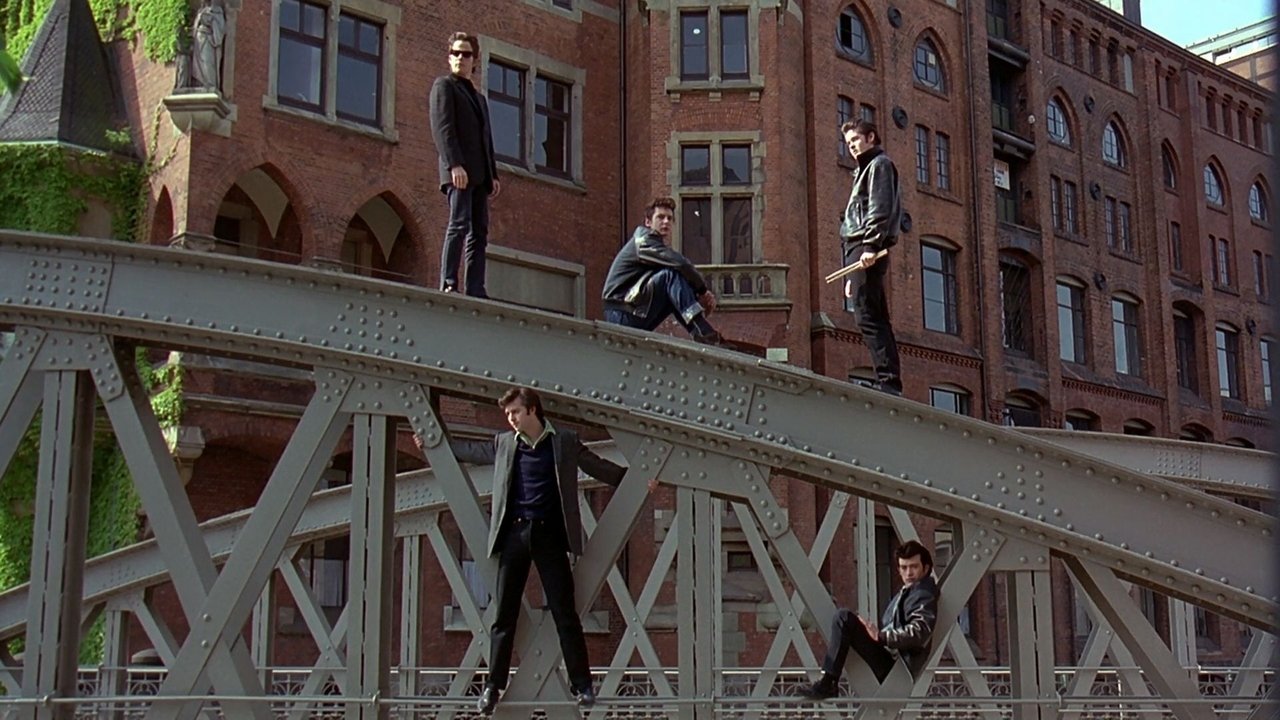
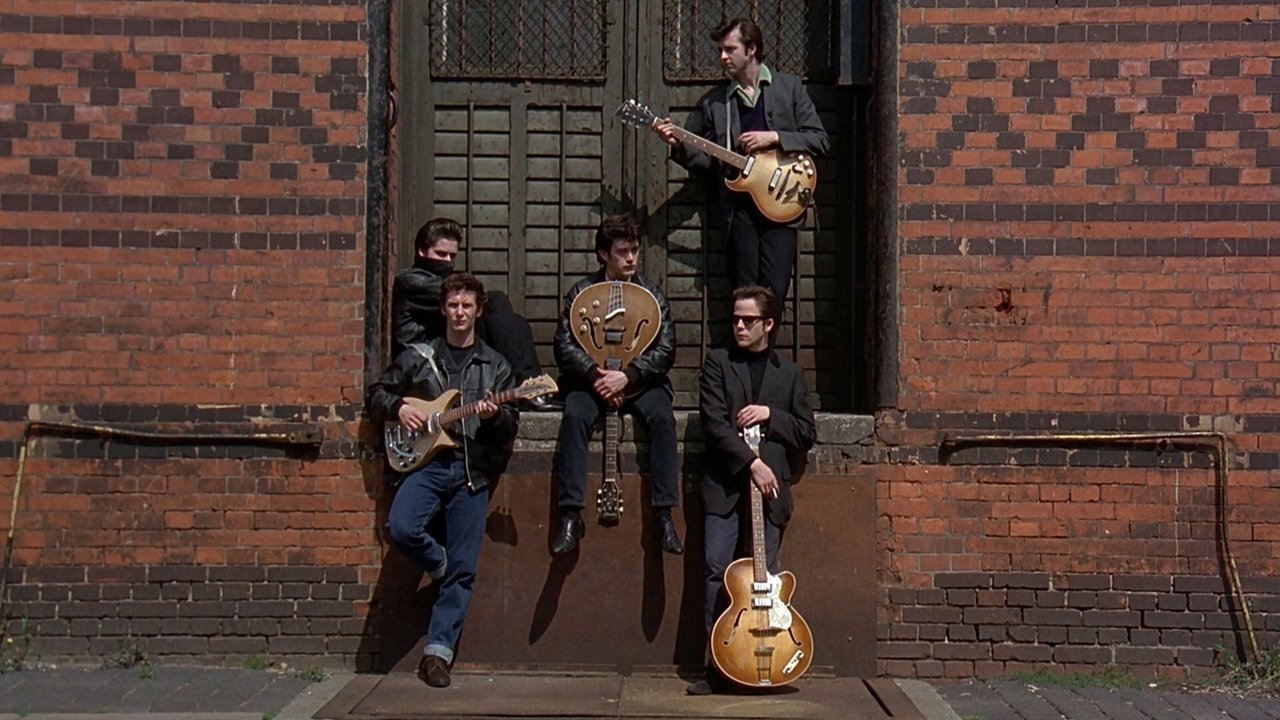
And then there's Ian Hart as John Lennon. Hart had already played Lennon in the 1991 film The Hours and Times, and his grasp of the character is astonishing. He nails the caustic wit, the simmering insecurity masked by bravado, and the deep, almost possessive bond with Stu. Hart’s Lennon is fiercely intelligent, funny, and capable of startling cruelty, often born from a fear of abandonment. The scenes crackle when Hart is on screen, particularly those exploring the complex, sometimes jealous, dynamic between John and Stu, complicated further by Astrid's arrival. It’s a performance that rightly earned considerable acclaim and feels utterly definitive.
Artistry and Authenticity
Beyond the central performances, Backbeat excels in its commitment to capturing a specific time and place. Softley consulted closely with Astrid Kirchherr herself, lending an invaluable layer of authenticity to the production design, the costumes, and the overall depiction of the Hamburg scene. They even used replicas of Sutcliffe's actual paintings, emphasizing that his artistic ambition wasn't just a plot device but a genuine talent. This wasn't a big-budget spectacle (reportedly made for around $6 million, earning a modest $2.4 million in the US – a far cry from Beatlemania!), but its resources were clearly channeled into creating a believable world. It’s the kind of film where the details resonate – the cramped living quarters, the specific look of the clubs, the feel of the era.
The Weight of What We Know
Watching Backbeat today carries an inherent dramatic irony. We know the dizzying heights The Beatles will reach, the global adoration that awaits Lennon, McCartney, and Harrison. But the film wisely keeps its focus tight on this brief, intense period before all that. It’s about the choices made, the paths diverged, and the painful reality that Sutcliffe wouldn’t live to see his friends conquer the world (he tragically died from a brain hemorrhage in Hamburg in 1962, aged just 21). The film doesn't shy away from the foreshadowing, but it remains Stuart's story, a poignant exploration of a talent caught between two worlds, ultimately consumed by forces perhaps beyond his control. Doesn't this focus on the 'almost famous' offer a more profound look at the pressures and passions that forge creative destiny?
Backbeat isn't just a 'Beatles movie'; it's a powerful drama about friendship, love, artistic identity, and the messy, exhilarating chaos from which greatness can emerge. It captures a specific, fleeting moment with grit, style, and exceptional performances. Renting it back in the day felt like discovering a hidden gem, a cooler, moodier take on a story I thought I knew. It resonated then, and its raw energy and emotional core still hit hard today.

Rating: 8.5/10
This score reflects the film's outstanding performances (especially Hart's Lennon), its evocative atmosphere, the brilliant soundtrack concept, and its brave focus on a lesser-known but crucial chapter of music history. It successfully avoids standard biopic tropes, offering something more thoughtful and artistically rendered. While perhaps a touch melancholic for some expecting a more upbeat Beatles origin, its depth and authenticity make it a standout from the 90s indie scene.
Backbeat remains a potent reminder that sometimes the most compelling stories lie not in the celebrated arrival, but in the turbulent journey just before dawn. It leaves you contemplating the 'what ifs' and the bittersweet nature of paths taken and not taken.