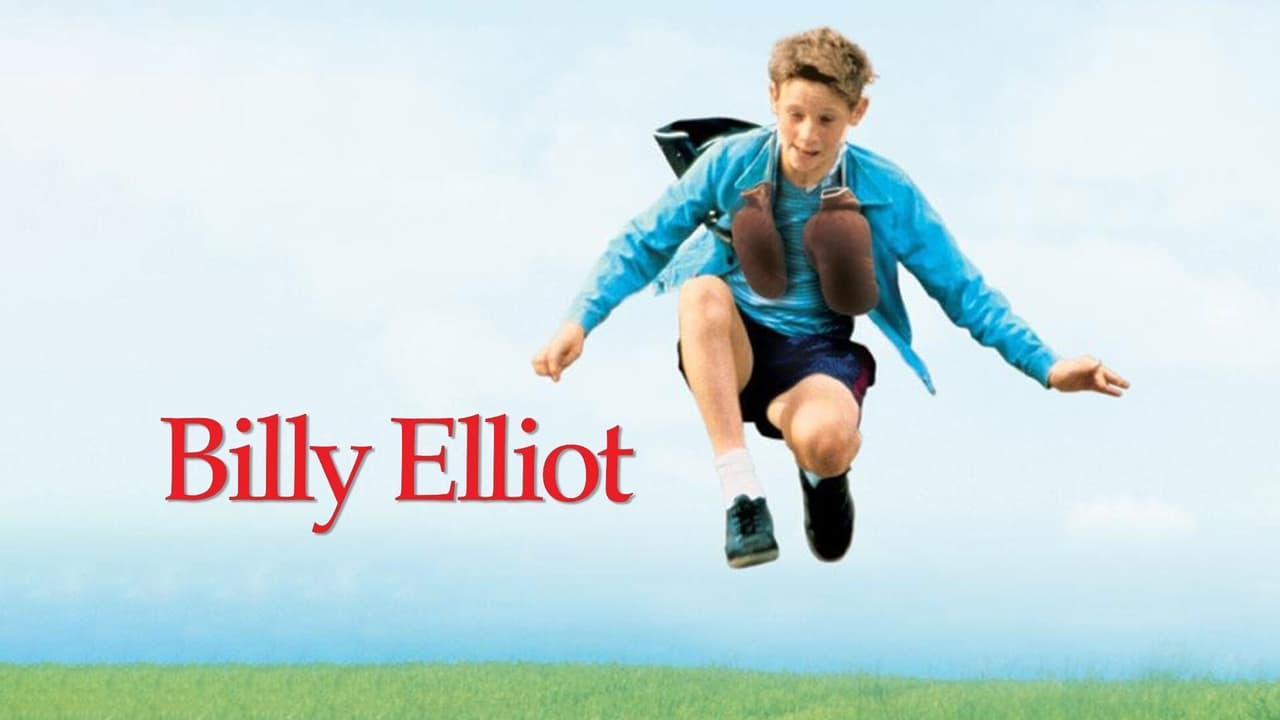
It’s hard to shake the image: coal dust settling on everything, the grim faces of striking miners, the palpable tension of a community fighting for its life… and then, the sudden, almost shocking grace of a young boy finding escape not in rebellion, but in ballet. Billy Elliot, arriving right at the turn of the millennium in 2000, might technically sit just outside our usual 80s/90s sweet spot here at VHS Heaven, but its spirit – that blend of gritty realism and soaring aspiration – feels timeless, and it was certainly a tape (or perhaps one of the first DVDs for many) passed around with fervent recommendation back in the day. It landed with the force of revelation, a film that felt both incredibly specific to its time and place, yet universally resonant.
Against the Grit and Grain
Set against the backdrop of the bruising 1984-85 UK miners' strike in County Durham, the film immediately establishes a world of stark contrasts. Director Stephen Daldry, making an astonishing leap from theatre to film, captures the bleakness and simmering anger of the era without flinching. You can almost taste the coal dust, feel the chill in the air. This isn't a romanticized view of working-class life; it's raw, tough, and often heartbreaking. Into this environment steps Billy (Jamie Bell), a motherless boy whose grieving father (Gary Lewis) and fiery older brother (Jamie Draven) are deeply entrenched in the strike, expecting him to take up boxing like any proper lad.
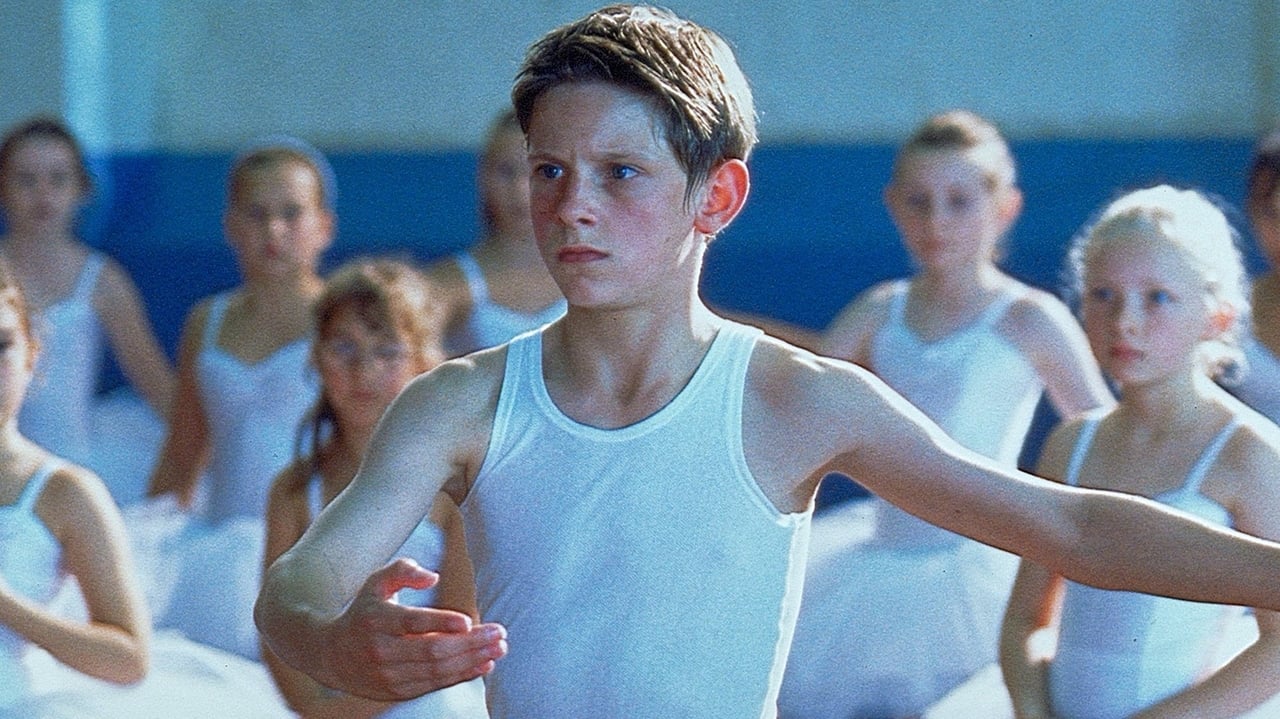
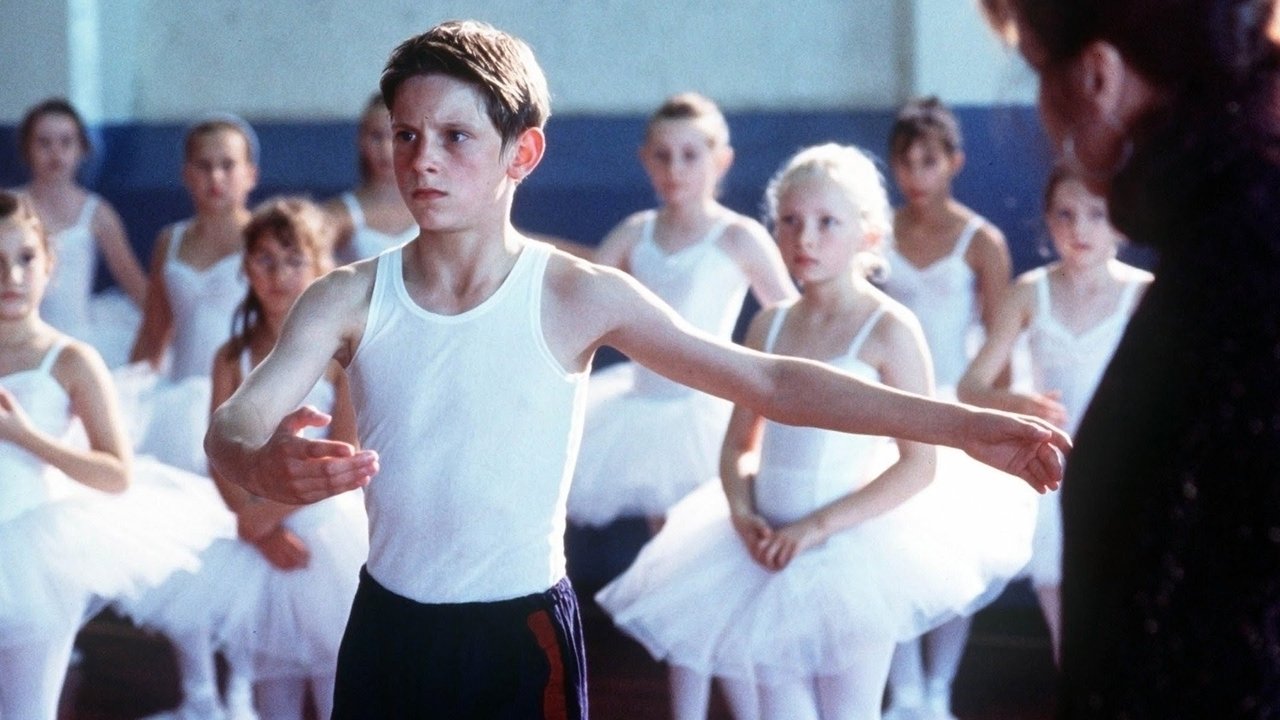
The story hinges on a beautiful accident: Billy stumbling into Mrs. Wilkinson’s (Julie Walters) ballet class held in the same hall as the boxing gym. What starts as tentative curiosity blossoms into a fierce, undeniable passion. The screenplay by Lee Hall, who drew inspiration from the atmosphere of the era in his own North East upbringing, brilliantly juxtaposes the hyper-masculine world of the striking miners with the perceived femininity of ballet. It forces us to ask: what defines strength? What happens when personal dreams clash with societal expectations and familial duty?
Finding Flight in Confined Spaces
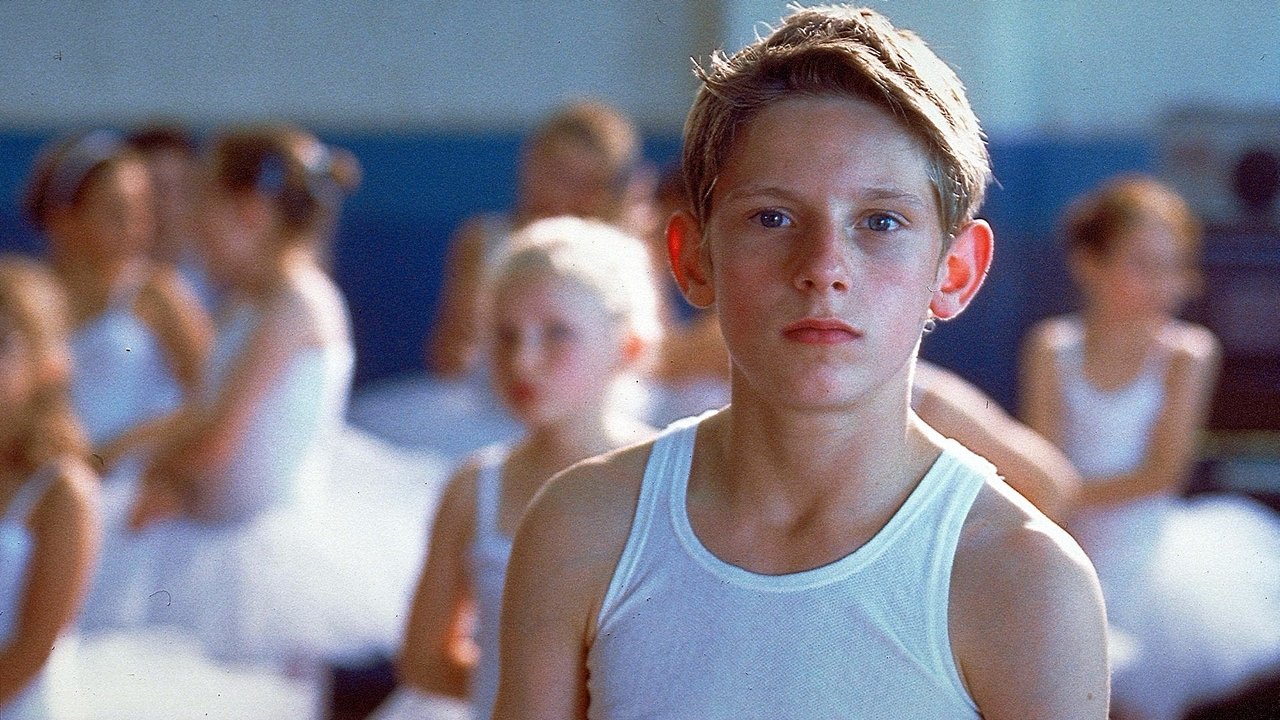
The performances are nothing short of extraordinary. Jamie Bell, reportedly chosen from over 2,000 hopefuls, is a revelation. It's a performance devoid of sentimentality, utterly grounded in Billy’s confusion, frustration, and burgeoning joy. His own dance background clearly informs the role, but it's the emotional authenticity he brings that truly sells it. You believe his awkwardness, his defiance, and the sheer, explosive release he finds in movement – that iconic street dance sequence set to The Jam's "Town Called Malice" remains electrifying. It's interesting to note that the film's original title was simply Dancer; Billy Elliot feels far more personal, anchoring it firmly to its unforgettable protagonist.
Julie Walters as the chain-smoking, tough-love ballet teacher Mrs. Wilkinson is pitch-perfect. She’s no saccharine fairy godmother; she’s cynical, world-weary, but recognizes the spark of raw talent in Billy and pushes him relentlessly, perhaps seeing a reflection of her own unfulfilled aspirations. Their relationship, prickly yet profoundly supportive, forms the film's emotional core. And Gary Lewis as Billy's father delivers a masterclass in understated turmoil. His journey from bewildered disapproval ("Lads do football... or boxing... or wrestling. Not friggin' ballet!") to grudging, then fierce, support is deeply moving, capturing the painful shedding of ingrained prejudice when faced with his son’s undeniable gift. His silent understanding during Billy’s private audition dance speaks volumes.
From Stage Roots to Screen Success
Stephen Daldry's direction is remarkably assured for a feature debut. Coming from theatre, he has an innate understanding of performance and staging, but he never lets the film feel stagey. He uses the claustrophobic settings of the town and the Elliot home to emphasize the constraints Billy faces, making his moments of dance feel like genuine acts of liberation. The cinematography contrasts the grey, oppressive exteriors with the warmer, more hopeful interiors of the dance hall, mirroring Billy's internal journey.
Interestingly, this relatively small British film, made for around $5 million, became a global phenomenon, grossing over $109 million worldwide (that's nearly $200 million today!). It struck a chord everywhere, earning Oscar nominations for Daldry, Walters, and Lee Hall. Its success wasn't just financial; it cemented Billy Elliot as a modern classic, a film that spoke powerfully about challenging gender stereotypes, the importance of arts education, and finding your voice against the odds. Of course, its legacy continued with the phenomenally successful stage musical adaptation, featuring music by none other than Elton John, proving the story's enduring power.
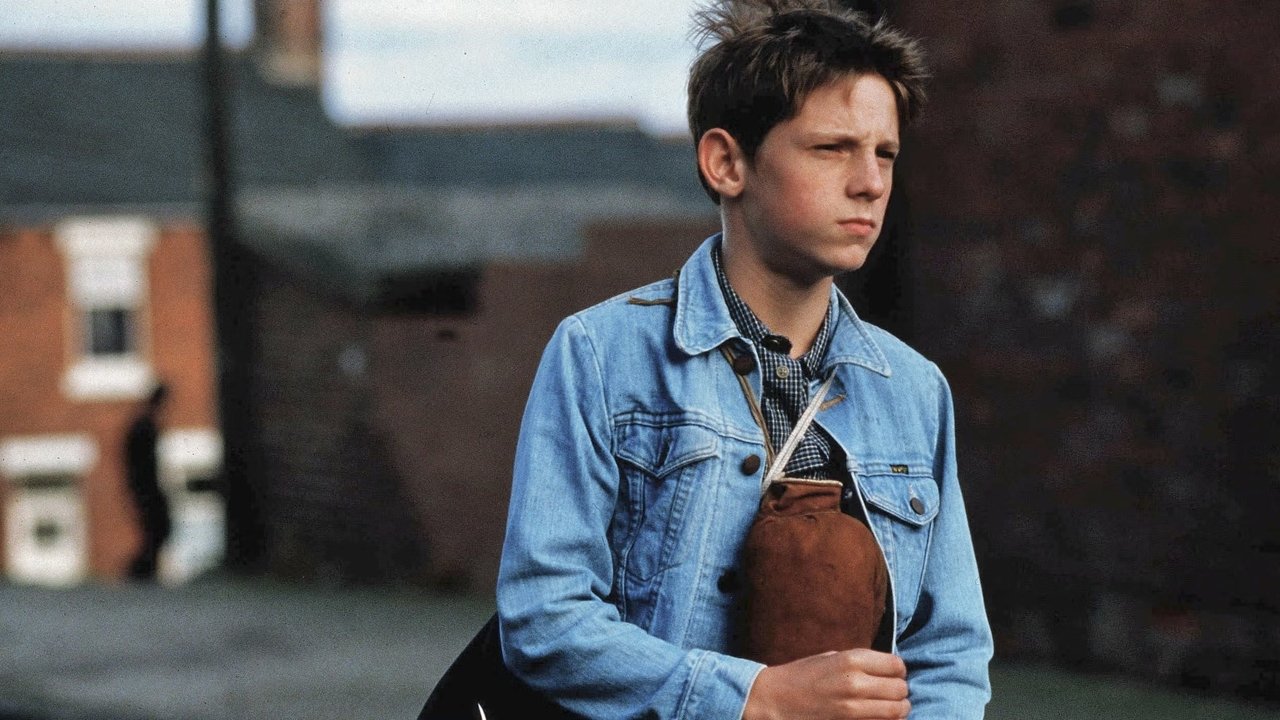
Watching it again now, perhaps on a format far removed from the VHS tapes many of us first saw it on, its impact hasn't dimmed. It remains a poignant, funny, and ultimately uplifting story about the courage it takes to pursue a dream, especially when the world seems determined to hold you back. It captures a specific moment in British history with unflinching honesty, but its central theme – the transformative power of art and self-expression – transcends time and place.
Rating: 9/10
This rating reflects the film's near-perfect blend of raw social realism and heartfelt emotional storytelling, anchored by truly outstanding performances, particularly from newcomer Jamie Bell. It’s beautifully directed, sharply written, and possesses a spirit that’s both tough and tender. While steeped in a specific historical context, its themes are universal and continue to resonate. It’s one of those rare films that feels both important and immensely watchable, a genuine gem from the cusp of the new millennium that still shines brightly. What stays with you long after the credits roll? For me, it’s the defiant joy in Billy’s dance – a powerful symbol of hope against the harshest realities.