### Beyond the Nightmare: Wes Craven's Unexpected Symphony
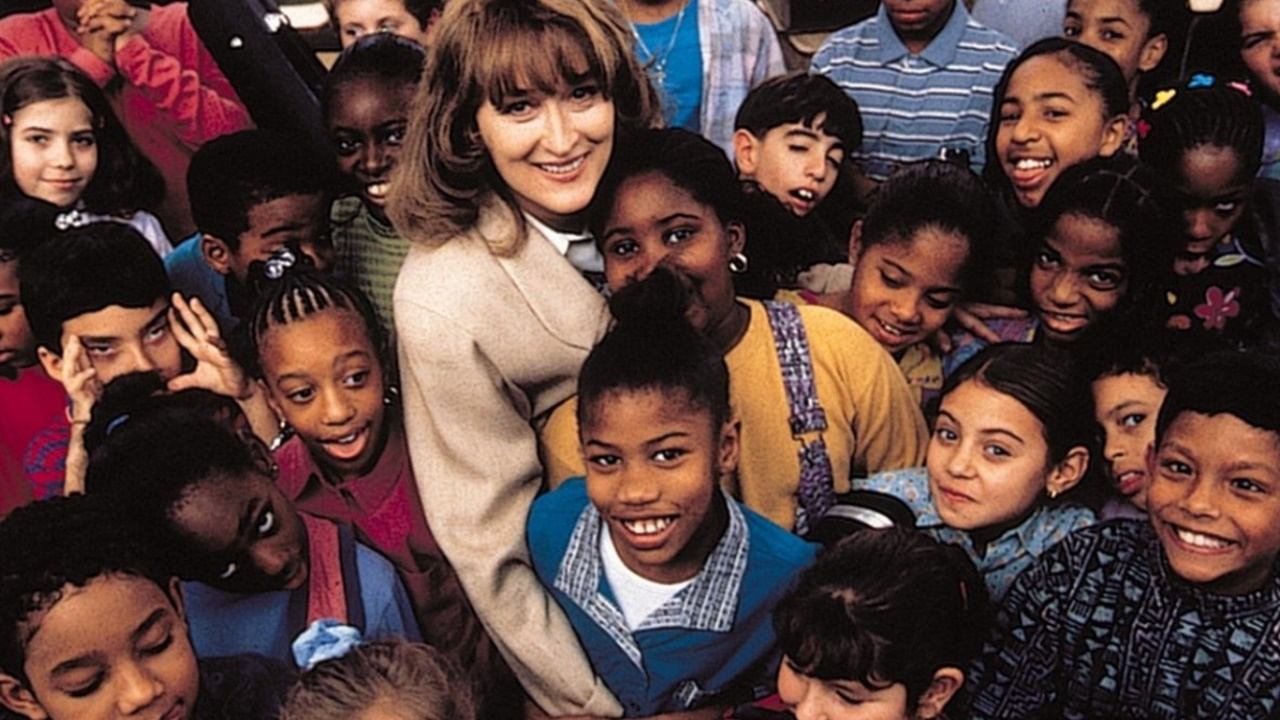
Sometimes, a film arrives carrying baggage you didn’t expect. You see the name Wes Craven attached, and your mind instantly conjures images of razor gloves, ghostly phone calls, or subterranean terrors. But then you encounter Music of the Heart (1999), and the familiar landscape shifts entirely. It's a jarring, yet intriguing, disconnect – the Master of Horror stepping away from Elm Street and into the vibrant, challenging classrooms of East Harlem. Could the director who perfected cinematic dread possibly orchestrate a story brimming with hope, resilience, and the soaring power of classical music? That question alone makes this film a fascinating artifact of late-90s cinema.
From Ruin to Resonance
Based on the true story documented in 1995's Small Wonders, Music of the Heart follows Roberta Guaspari (Meryl Streep), a woman whose life unravels after her husband leaves her. Facing single parenthood and financial uncertainty, she lands a job – almost by chance – teaching violin to elementary school students in one of New York City's toughest neighborhoods. Initially met with skepticism from administrators, parents, and even some of the children, Roberta's fierce dedication and unconventional methods slowly begin to foster not just musical talent, but confidence, discipline, and a vital sense of community. The narrative arc might feel familiar – the inspiring teacher battling odds – but the film finds its unique rhythm in the specifics of Roberta's journey and the authenticity brought to the screen.
Streep Finds the Right Notes
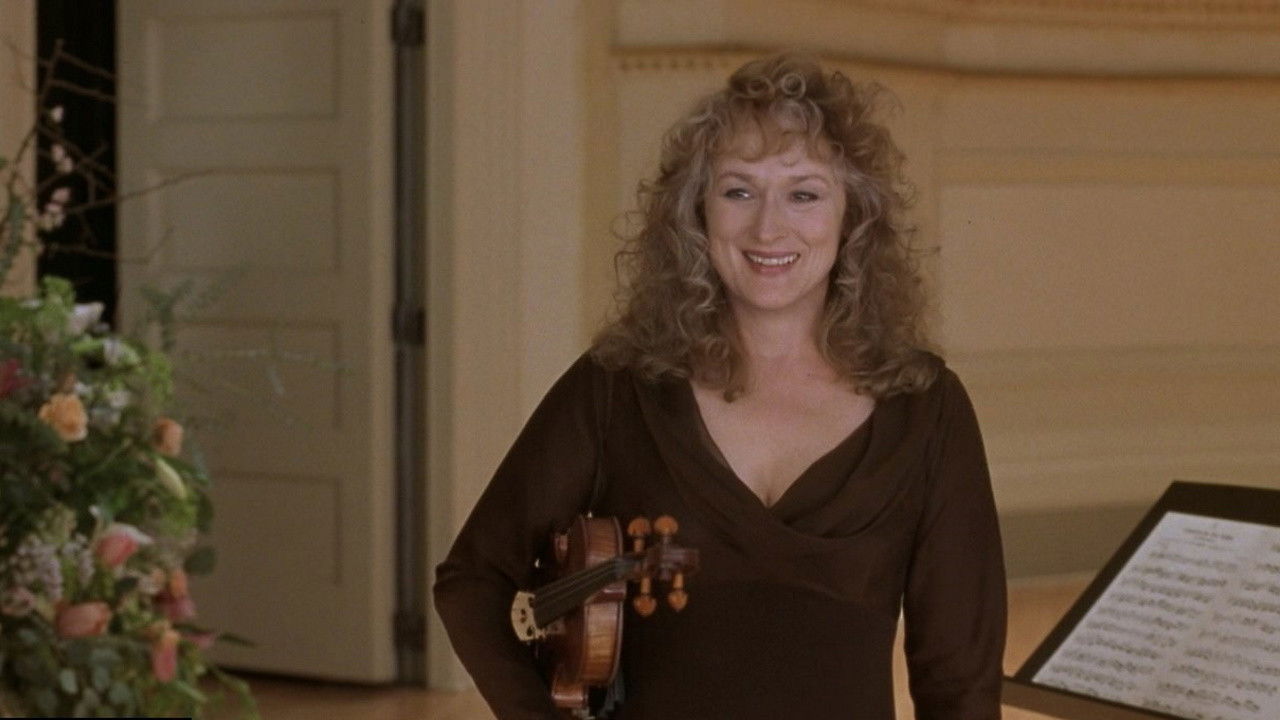
It's almost redundant to praise Meryl Streep, yet her performance here is central to the film's success and earned her a well-deserved Oscar nomination. What stands out is the lack of overt sentimentality she brings. Roberta isn't a saint; she's tenacious, sometimes brittle, driven by a desperate need to rebuild her own life as much as she is by altruism. Streep portrays the exhaustion, the frustration, and the fierce protective instinct with a grounded reality that anchors the film.
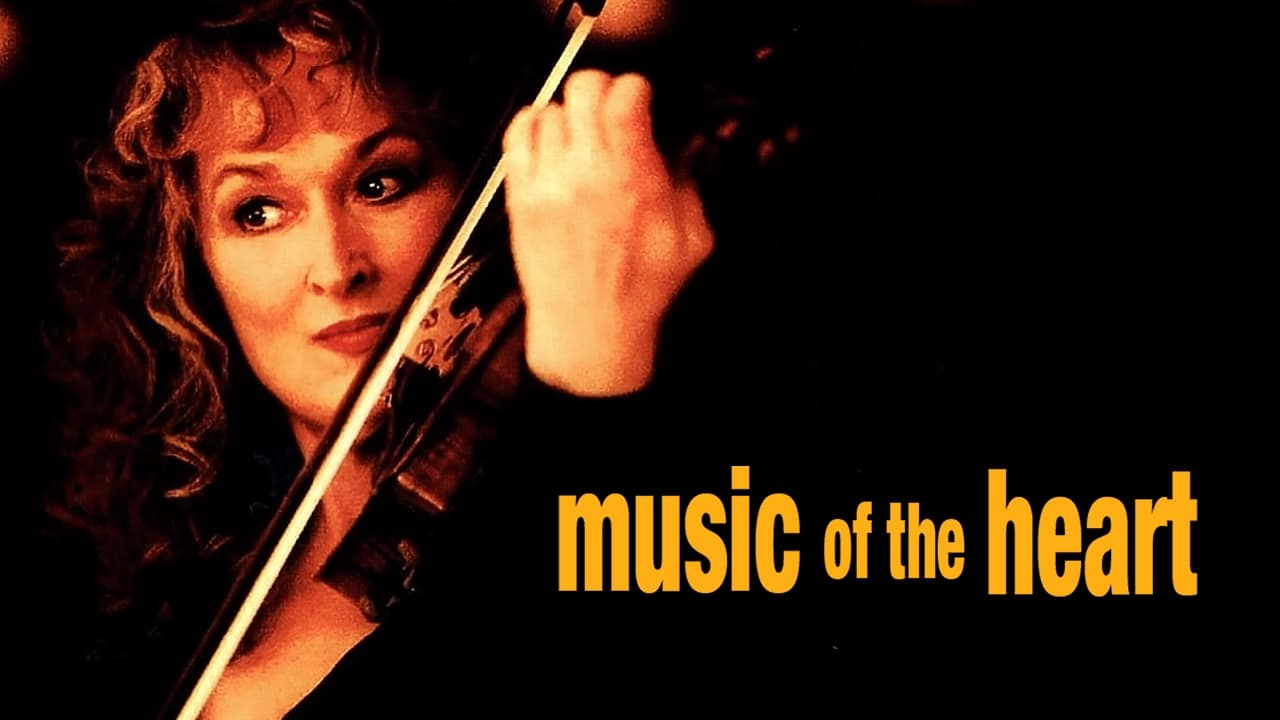
Here’s a piece of trivia that underscores her commitment: Streep, determined to appear convincing, undertook an incredibly rigorous training schedule, practicing the violin for up to six hours a day for nearly two months before filming began. While she’s technically miming to recordings by renowned violinist Isaac Stern in the final cut (often alongside actual violinists like Arnold Steinhardt playing just off-camera), that dedication informs the physicality and emotional connection she projects when holding the instrument. You believe her passion for the music because you see the effort etched onto her performance.
Craven's Quiet Craft
So, how does Wes Craven fare outside his usual playground? Surprisingly well, though perhaps inevitably, with a less distinctive authorial stamp. He doesn't try to inject horror tropes or unnecessary stylistic flourishes. Instead, he directs with a steady, respectful hand, allowing the story and the performances to take center stage. His skill in building tension is subtly repurposed here – not for scares, but to highlight the precariousness of the music program, the challenges faced by the students, and the bureaucratic hurdles Roberta constantly confronts. The film’s visual style is functional rather than flashy, focusing on the expressive faces of the children and the determined set of Streep’s jaw. It’s competent, heartfelt filmmaking, even if it lacks the visceral punch of A Nightmare on Elm Street or the meta-commentary of Scream. It demonstrates Craven's versatility, proving he could navigate emotional terrain as adeptly as he navigated terror. Choosing this project, reportedly after feeling pigeonholed by horror, was a deliberate statement.
The Ensemble Harmony
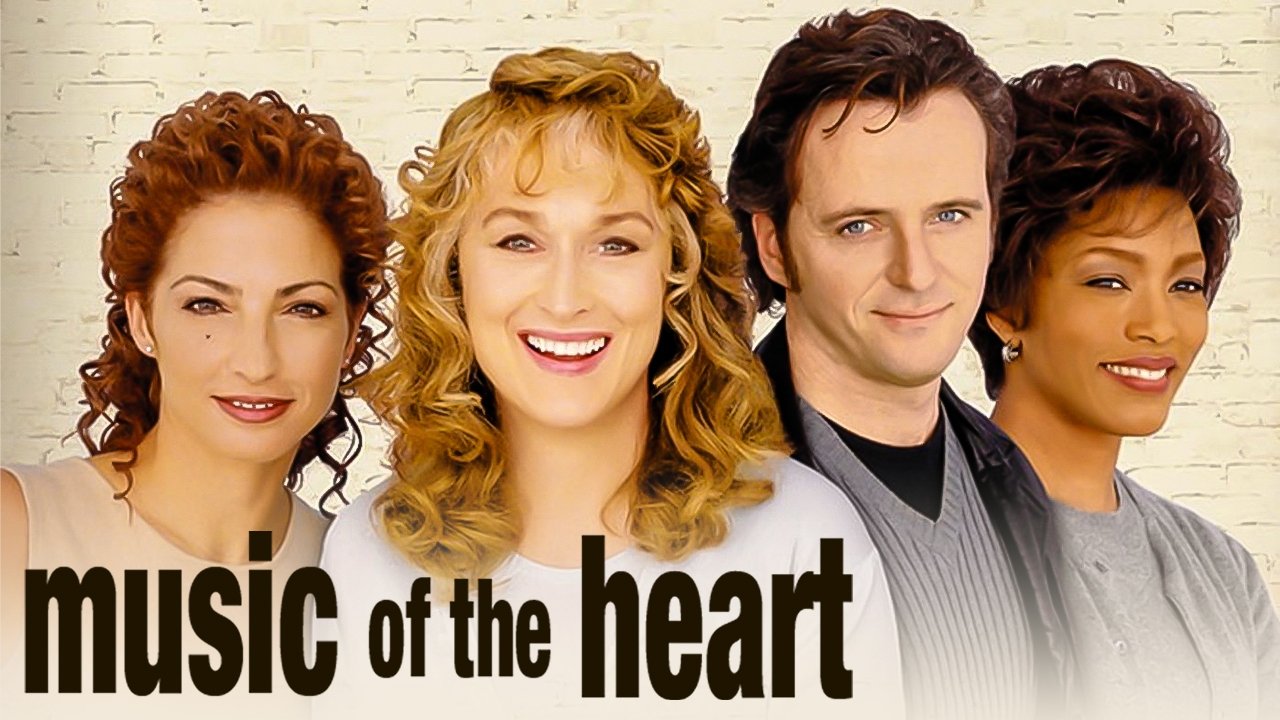
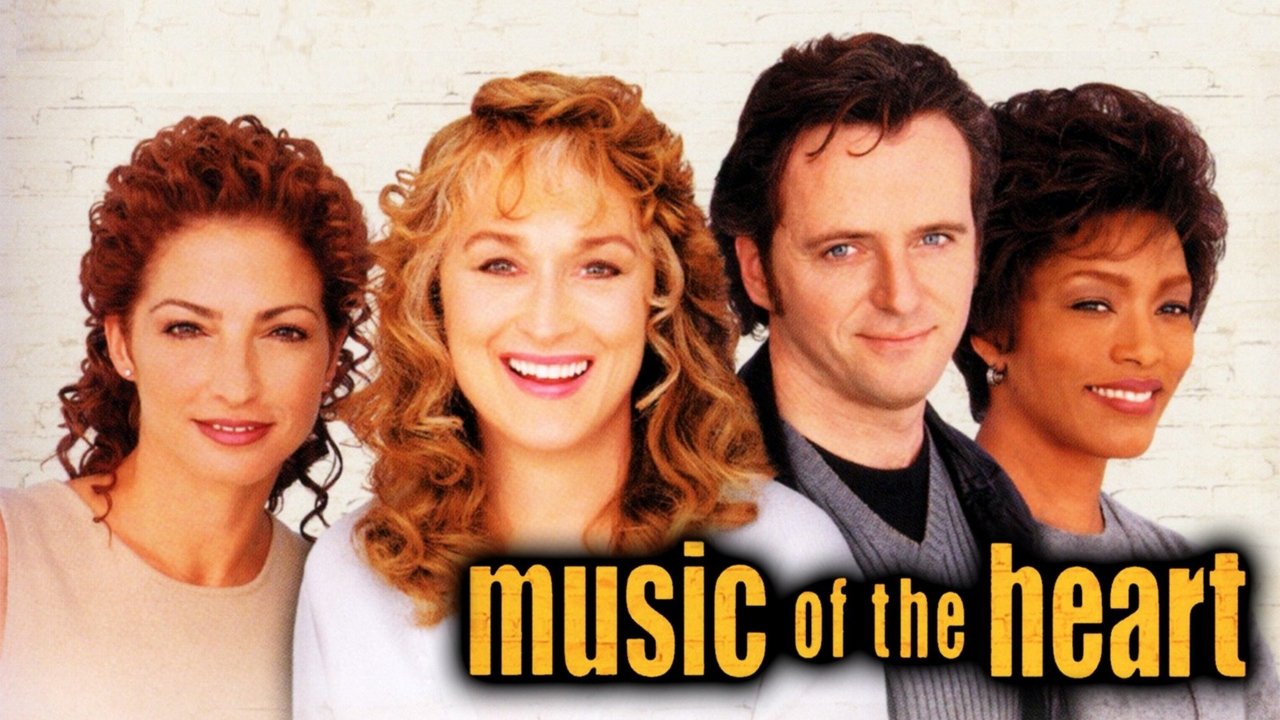
While Streep is the undeniable anchor, the supporting cast adds crucial texture. Aidan Quinn provides gentle warmth as Roberta's supportive (and sometimes conflicted) love interest. Angela Bassett delivers her trademark strength and gravitas as the initially skeptical, later fiercely supportive, school principal. And then there's the notable acting debut of music superstar Gloria Estefan as a fellow teacher who becomes a key ally.
Estefan’s involvement is a fun bit of ‘90s pop culture convergence. Not only did she hold her own on screen, but she also co-wrote and performed the film’s theme song, "Music of My Heart," a duet with the then-ubiquitous boy band *NSYNC. That song also snagged an Oscar nomination, giving the film a rather unique double nod at the Academy Awards. Seeing Estefan navigate classroom scenes feels both slightly surreal and genuinely charming, a snapshot of that era's crossover potential. Furthermore, adding another layer of authenticity, several of the actual students and parents from Roberta Guaspari's real-life East Harlem Violin Program appeared as extras or in small roles, grounding the film in the community it depicts.
More Than Just a Feel-Good Flick
Music of the Heart navigates potentially saccharine territory but largely avoids becoming overly treacly. It doesn't shy away from the difficulties – the poverty, the skepticism, the budget cuts that threaten to dismantle everything Roberta has built. The film’s climax, centered around a benefit concert at Carnegie Hall (featuring cameos from real musical legends like Isaac Stern and Itzhak Perlman), could easily tip into manipulative melodrama. Yet, because Craven and screenwriter Pamela Gray (adapting her own documentary script) spent time developing the characters and the stakes, the emotional payoff feels earned. It becomes a testament less to innate genius and more to the transformative power of persistence, dedicated teaching, and the community fostered through shared artistic endeavor. Doesn't the struggle to keep arts programs funded in schools still feel depressingly relevant today?
Final Score & Lasting Resonance
Music of the Heart may not possess the cult cachet or genre thrills often celebrated here at VHS Heaven, but it’s a solidly crafted, deeply felt drama anchored by a powerhouse performance. It's the kind of film that might have been a comforting, perhaps even inspiring, rental on a quiet weekend back in the day – a reminder of the human capacity for resilience and the unifying language of music. Its conventional structure keeps it from true greatness, but its sincerity is undeniable.
Rating: 7.5/10
Justification: The score reflects the film's undeniable strengths – primarily Meryl Streep's exceptional, Oscar-nominated performance and the genuinely moving true story at its core. Wes Craven's competent, if somewhat anonymous, direction successfully translates the emotional weight without resorting to manipulation. The supporting cast is solid, and the film effectively champions the importance of arts education. However, it adheres closely to the inspirational teacher genre conventions, making the narrative predictable at times. While heartfelt, it lacks a truly unique cinematic voice, preventing it from reaching higher echelons. It’s a strong, well-made film that accomplishes its goals effectively, making 7.5 feel like a fair assessment of its quality and impact.
It leaves you thinking not just about the power of music, but about those dedicated individuals, like Roberta Guaspari, who quietly fight battles every day in classrooms, proving that sometimes the most profound changes begin with the simple, patient act of teaching someone to play a single note correctly.