There's a particular kind of quiet that settles in after certain films end, a silence filled not with emptiness, but with echoes. Julio Medem's 1998 spellbinder, Lovers of the Arctic Circle (or Los amantes del Círculo Polar), leaves you wrapped in just such a resonant quiet. It’s not the sort of film you’d likely grab on a whim during a Friday night dash through Blockbuster back in the day, sandwiched between the latest action flicks and teen comedies. No, this was the kind of tape you might find tucked away in the 'Foreign Films' section, its intriguing cover art hinting at something deeper, perhaps discovered by chance – fitting, given the film's very essence.
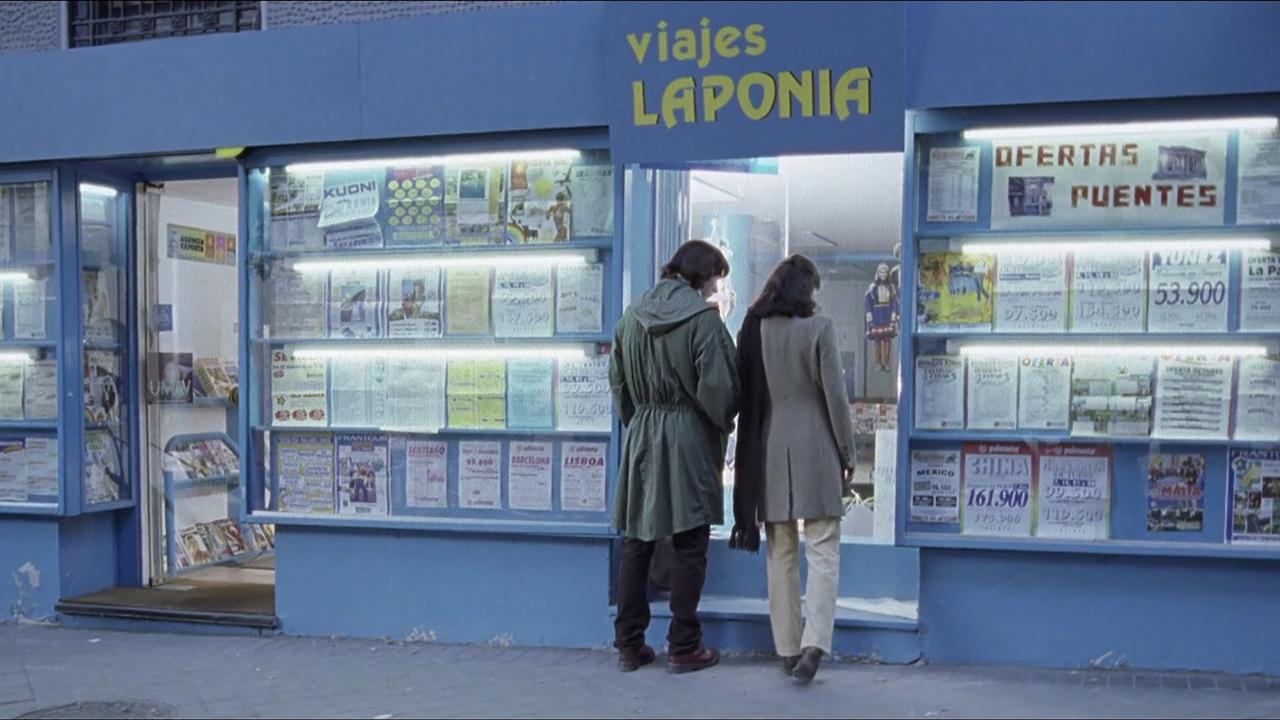
A Dance of Chance and Destiny
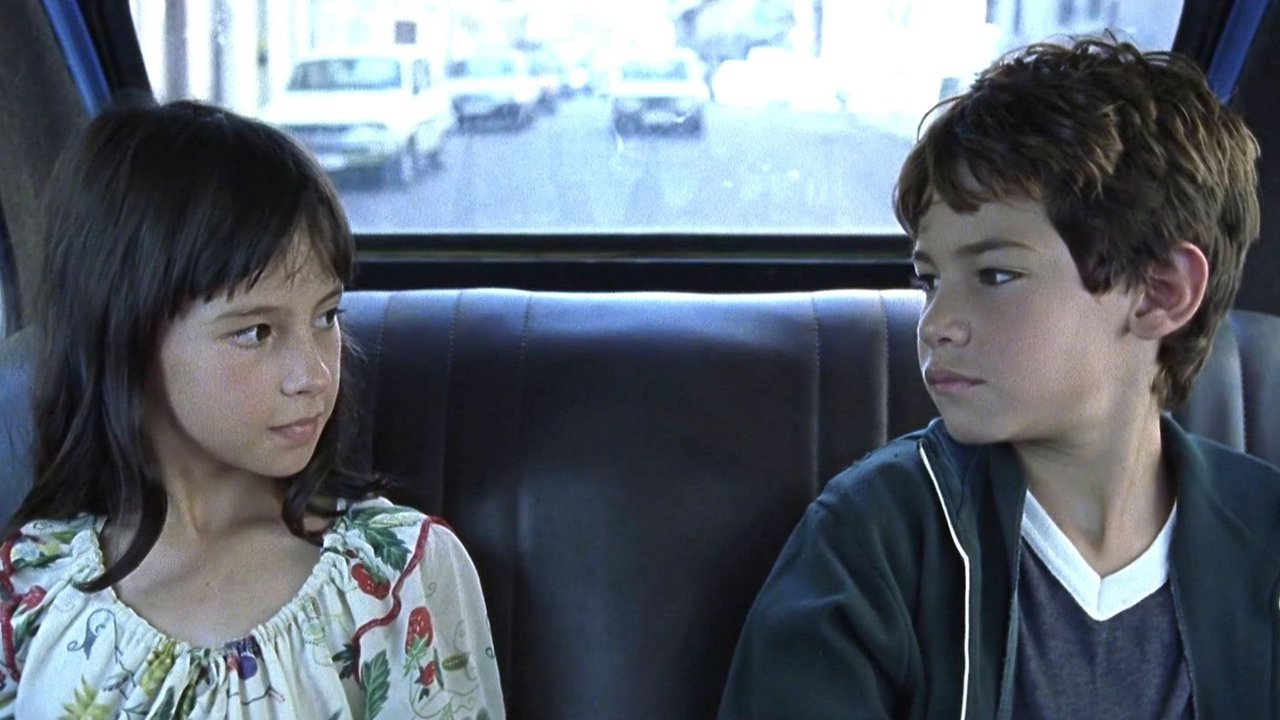
At its heart, Lovers of the Arctic Circle is a love story, but it unfolds like no other you’ve likely seen from the era. Forget conventional narratives. Medem crafts a tale centered around Otto and Ana, two souls whose lives intertwine, separate, and echo across years and landscapes, driven by a series of coincidences so potent they feel like destiny itself. Their very names, Otto and Ana, are palindromes – reading the same forwards and backwards – a deliberate choice reflecting the film's intricate, cyclical structure. The story is literally told in circles, looping back on itself, shown first from Otto’s perspective, then Ana’s, revealing how the same events ripple differently through their individual lives. It’s a narrative structure that demands patience, asking you to trust the journey, but the payoff is a profound understanding of connection that transcends simple chronology.
Beyond the Hollywood Romance
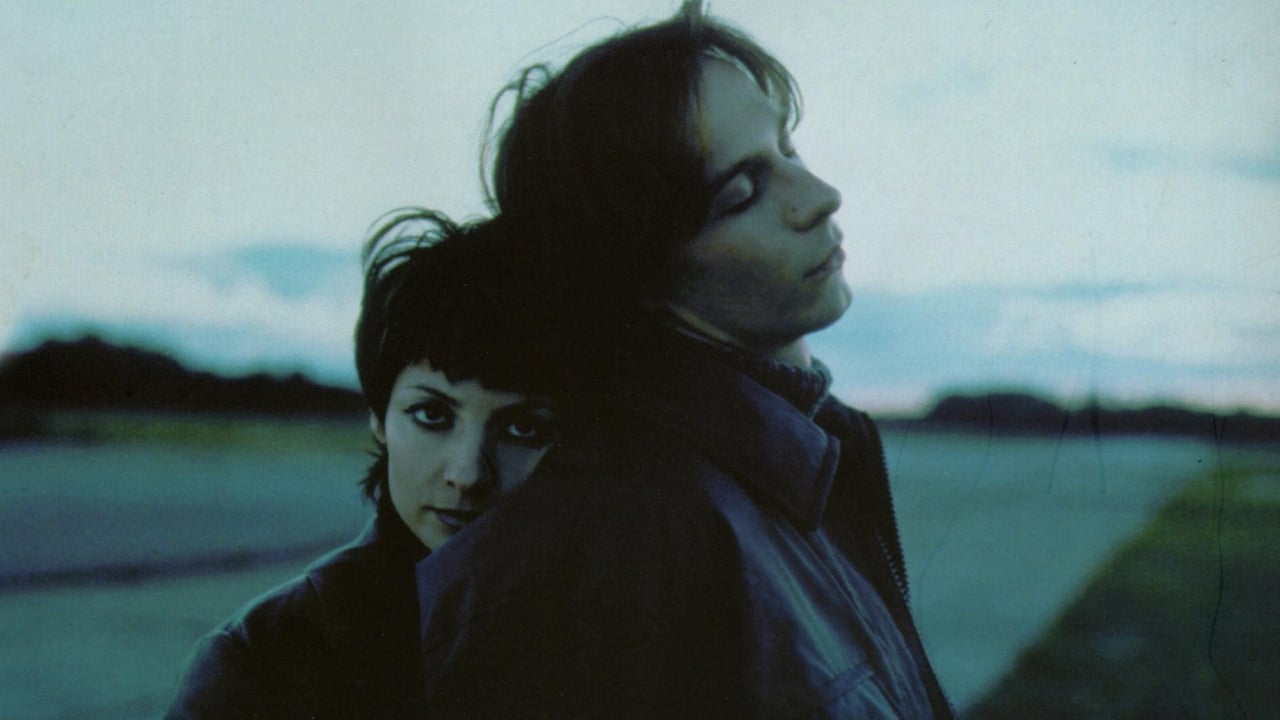
While the late 90s gave us plenty of memorable romances, Medem's film feels worlds away from the usual fare. There's a distinct melancholy here, a poetic sensibility that permeates every frame. It trades grand declarations for quiet glances, missed connections, and the weight of unspoken feelings. The sun-drenched streets of Madrid contrast sharply with the stark, ethereal beauty of the Finnish Arctic Circle, locations that aren't just backdrops but active participants in the story's emotional landscape. This isn't a film about the easy bliss of finding love, but about the fragile, almost mystical threads that bind people together, even across vast distances and silences. It explores how memory shapes our reality, how chance encounters can pivot a life, and how the echoes of the past resonate endlessly in the present.
Whispers in Performance
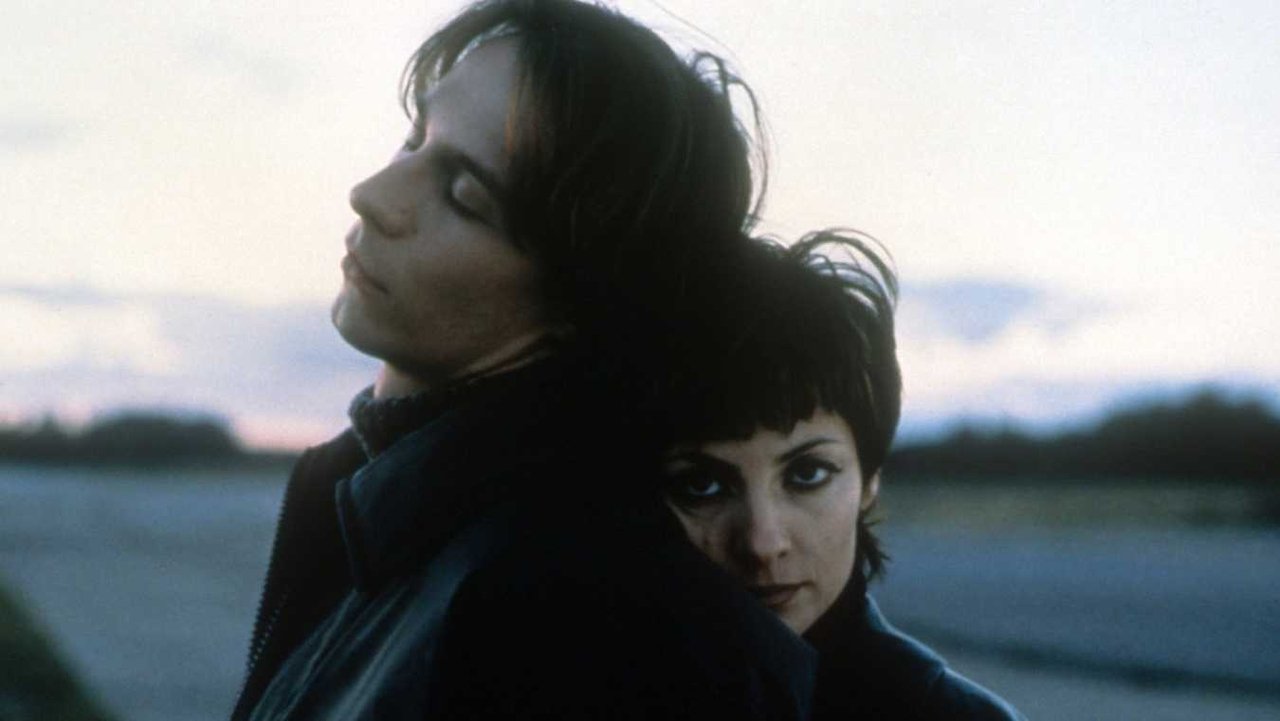
The film rests heavily on the shoulders of its leads, Fele Martínez as Otto and Najwa Nimri as Ana (both playing the characters as young adults). And they are simply magnetic. Martínez, who viewers might remember from his chilling debut in Alejandro Amenábar's Thesis (1996), brings a quiet intensity to Otto, a sense of watchful longing. Nimri, who would later collaborate frequently with Medem and gain wider recognition, embodies Ana with a captivating blend of vulnerability and resilience. Their connection feels deeply authentic, often conveyed through shared looks or subtle shifts in posture rather than extensive dialogue. They make you believe in the invisible string pulling these two characters together, even when circumstances force them apart. Their performances aren't loud; they are lived-in, nuanced, and utterly convincing.
Medem's Poetic Puzzle Box
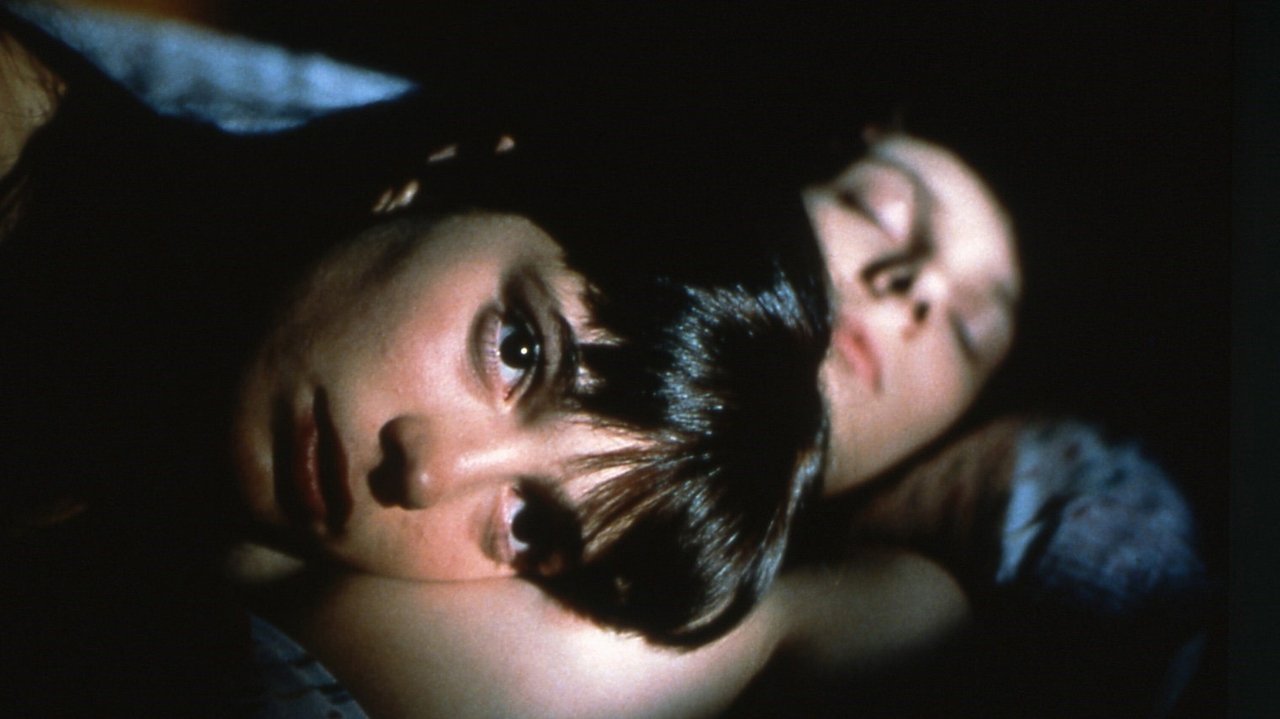
Director Julio Medem, who also penned the intricate screenplay, has a unique cinematic voice. He constructs Lovers of the Arctic Circle like a delicate puzzle box, where each piece – a seemingly random event, a half-remembered story about a German pilot named Otto during WWII, a childhood secret – clicks satisfyingly into place by the end. His direction is lyrical, favouring evocative imagery and allowing the unconventional structure to serve the story's themes of fate and circularity. It’s a style he’d continue to explore in later works like the visually stunning Sex and Lucia (2001). Watching this, you feel you're in the hands of a filmmaker utterly confident in his vision, guiding you through a labyrinth of emotions and coincidences. It's no surprise Spain selected it as their submission for the Best Foreign Language Film at the Academy Awards that year, a testament to its artistic merit, even if it didn't ultimately secure a nomination. Finding a VHS copy back then felt like unearthing a hidden gem, a whisper of European art-house sensibility amidst the Hollywood noise.
A Story That Stays With You
What lingers most profoundly after watching Lovers of the Arctic Circle? It’s that feeling of interconnectedness, the unsettling yet beautiful idea that our lives might be subtly guided by forces unseen, by patterns we only recognize in hindsight. It makes you wonder about the near misses, the roads not taken, the people whose paths crossed yours for reasons you may never fully grasp. Doesn't it feel like life itself is sometimes composed of these strange, palindromic moments, where beginnings and endings mirror each other? This isn't just a film you watch; it's one you absorb, one that invites reflection long after the screen goes dark. It reminds us that sometimes the most powerful stories are whispered, not shouted.
Rating: 9/10
Lovers of the Arctic Circle earns a high mark for its sheer audacity and artistry. Its unconventional narrative structure is not just a gimmick but the very soul of the film, perfectly mirroring its themes of fate, memory, and cyclical love. Supported by deeply felt performances from Fele Martínez and Najwa Nimri, and guided by Julio Medem's poetic vision, it achieves a rare emotional depth. It might require a bit more attention than your average 90s flick, but the reward is a hauntingly beautiful and intellectually stimulating experience that stands apart. It’s a film that proves romance can be complex, melancholic, and profoundly moving, all without sacrificing its heart.
This is one of those tapes you might not have worn out from repeat viewings, but finding it on the shelf years later sparks a specific, poignant kind of nostalgia – a reminder of cinema's power to explore the intricate, often inexplicable patterns of human connection.