What if a wrong turn, a dropped coin, or a moment of carelessness could ripple outwards, subtly altering not just your own path, but the trajectories of lives you haven't even touched yet? It's a question that lingers long after the credits roll on Krzysztof Kieślowski's luminous 1994 masterpiece, Three Colors: Red (Original title: Trois couleurs: Rouge), the final, resonant chord in his ambitious Three Colors trilogy. Watching it again, decades after first sliding that distinctive Miramax VHS tape into the VCR, the film feels less like a narrative and more like a meditation – a profound, visually stunning exploration of connection in an increasingly fragmented world.

### An Accidental Encounter, A Moral Crossroads
The story begins simply, almost mundanely, in Geneva. Valentine (Irène Jacob, reprising the ethereal sensitivity she brought to Kieślowski's The Double Life of Véronique), a young student and part-time model navigating a strained long-distance relationship, accidentally strikes a German Shepherd with her car. This leads her to the dog's owner: Joseph Kern (Jean-Louis Trintignant), a solitary, retired judge living in quiet isolation. But Kern's solitude masks a disturbing secret: he spends his days listening in on his neighbors' private telephone conversations.
What follows isn't a conventional plot, but a delicate unfolding of an unlikely relationship. Valentine is initially appalled by Kern's invasive hobby, yet she finds herself drawn back to his quiet house, engaging in conversations that probe the nature of justice, loneliness, and fate. It’s a setup that forces us, the viewers, to confront uncomfortable questions. Where is the line between observation and violation? Can empathy blossom even from morally questionable ground?
### The Weight of Experience, The Grace of Youth
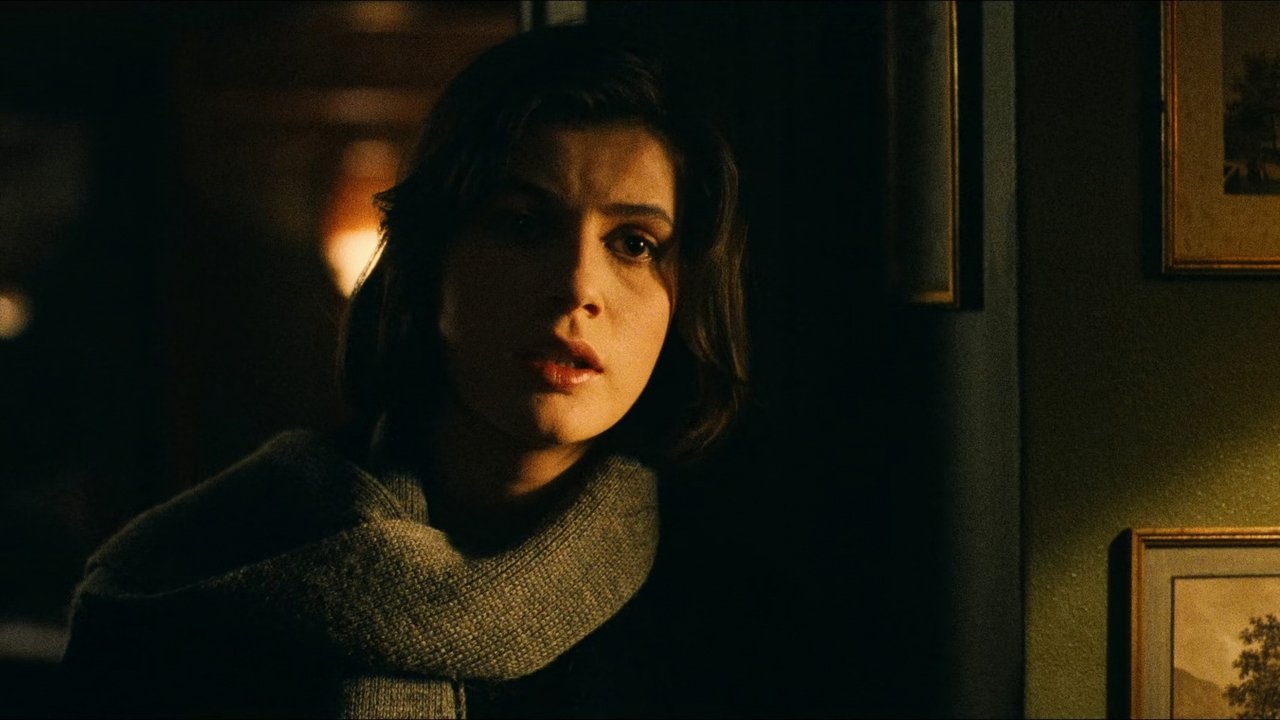
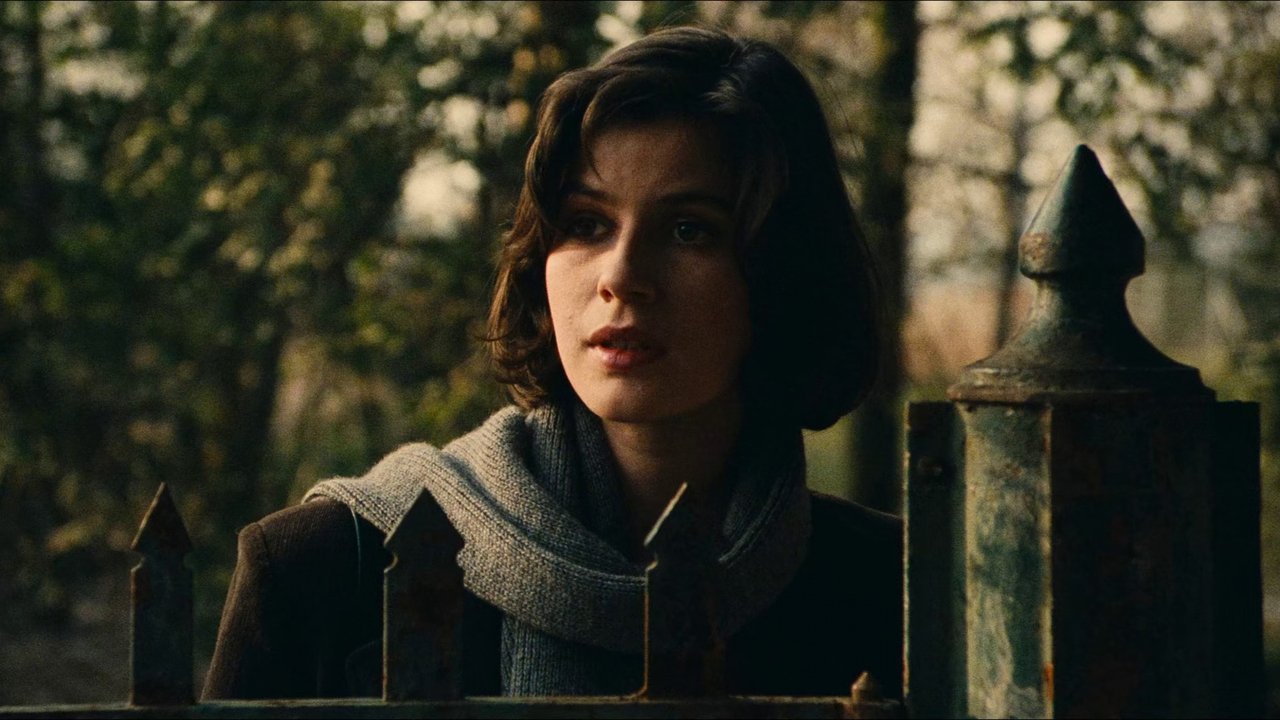
The performances are central to the film's power. Jacob portrays Valentine with a captivating blend of vulnerability and innate decency. She’s the film’s moral compass, her reactions guiding our own. But it's Trintignant, a true titan of French cinema (A Man and a Woman, The Conformist), who delivers a performance of devastating subtlety. His Kern is a man encased in cynicism and regret, his voyeurism perhaps a desperate, distorted attempt to engage with a world he feels detached from. There’s a weariness in his eyes, a lifetime of judgments passed and secrets observed, that feels utterly authentic. The quiet intensity of their scenes together, charged with unspoken understanding and generational differences, forms the film's emotional core. You feel the weight of his past meeting the tentative hope of her future.
Kieślowski, working with his regular writing partner Krzysztof Piesiewicz, masterfully contrasts this central relationship with the parallel story of Auguste (Jean-Pierre Lorit), a young law student living near Valentine whose life seems to unknowingly mirror Kern's own past experiences, including a profound betrayal. These narrative strands run alongside each other, sometimes nearly touching, highlighting the film's fascination with chance, coincidence, and the near misses that shape our existence. Are these mere accidents, or echoes in a larger, unseen pattern? The film doesn’t offer easy answers, preferring to let the ambiguity resonate.
### Seeing Red: A Visual Symphony
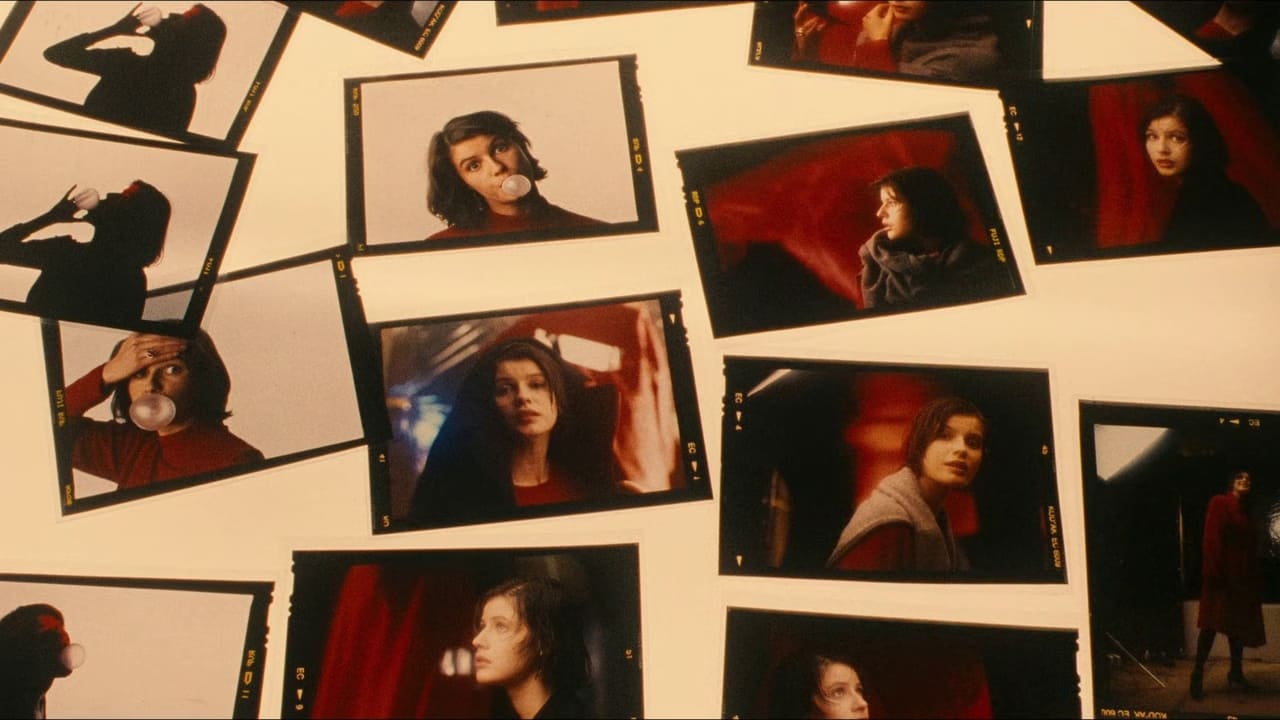
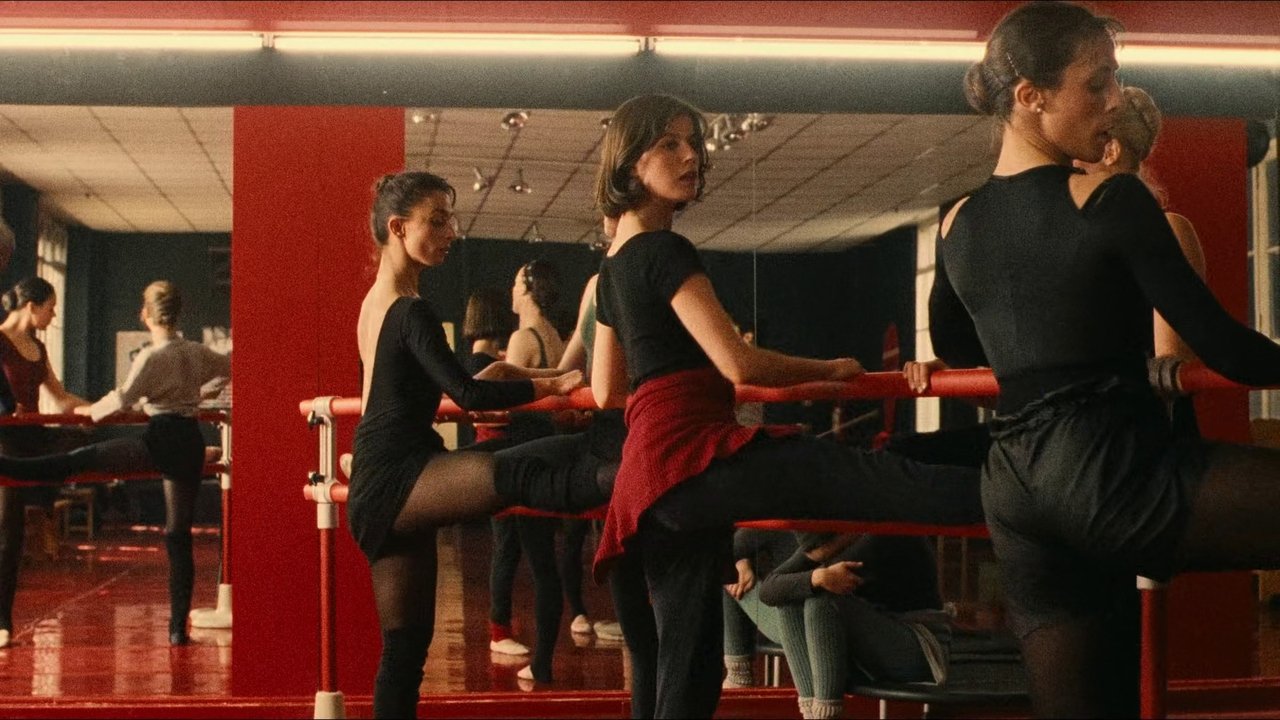
Visually, Red is simply breathtaking. Cinematographer Piotr Sobociński (who earned one of the film's three Oscar nominations, alongside Best Director and Original Screenplay for Kieślowski and Piesiewicz) bathes the film in evocative hues of red. It’s not just a stylistic flourish; the color becomes deeply symbolic. It's in Valentine's sweater, a massive advertising billboard featuring her image, the judge’s fountain pen ink, the theatre seats – appearing sometimes as a warning, sometimes as passion, sometimes as a simple thread connecting disparate lives. This careful color palette, combined with Zbigniew Preisner's haunting score, creates an atmosphere that is both melancholic and strangely hopeful.
It's fascinating to think about Red's place in the mid-90s cinematic landscape. Amidst the burgeoning CGI spectacle and ironic postmodernism that often defined the era's blockbusters, here was a film deeply invested in humanism, ambiguity, and quiet observation. It felt different then, and perhaps even more so now. Sadly, Red became Kieślowski's final film; he announced his retirement from filmmaking upon its completion and passed away less than two years later, leaving behind an incredible body of work. There’s a poignant symmetry in this film, representing Fraternity in the trilogy inspired by the French flag (following Blue's Liberty and White's Equality), being the final statement from a director so attuned to the hidden currents of human connection. Watching the film's subtly linked climax, which cleverly brings characters from all three films together (blink and you might miss Julie from Blue or Karol from White), feels like a final, profound nod to the interconnectedness he spent his career exploring.
### The Verdict
Three Colors: Red isn't a film you simply watch; it's one you absorb. It bypasses easy sentimentality for something far more complex and rewarding – a deeply felt inquiry into how lives intertwine, often without knowledge or intention. The performances by Jacob and Trintignant are masterful, etched with nuance and truth. Kieślowski's direction is assured, weaving together themes of fate, communication, and empathy with extraordinary grace and visual poetry. It remains a powerful, resonant piece of cinema that feels remarkably relevant today, perhaps even more so in our hyper-connected yet often isolating digital age. It reminds us to look closer, to listen deeper, and to consider the invisible threads that might bind us all.
Rating: 9.5/10
This near-perfect film is a testament to the power of quiet observation and profound empathy. It doesn't shout its themes but lets them gently unfold, leaving you contemplating the delicate dance of chance and connection long after the screen fades to black – a true masterpiece of 90s art-house cinema that still feels essential. What hidden connections shape your world? Red makes you wonder.